

SUMMARY
Master Language Speaking Skills in 2026: Practical Strategies for Developers
Enhance your language speaking skills with this guide tailored for developers, addressing everything from overcoming anxiety to effective practice techniques.
Keywords: Self-improvement, Language learning, Speaking practice
TABLE OF CONTENTS
1. Why Speaking Fluency Matters for Developers
2. Overcoming the Fear of Speaking
3. Active Learning: Listen, Mimic, and Shadow
4. Structured Practice: Finding Your Language Partners
5. Immersive Learning: Integrating Language into Your Dev Workflow
6. Leveraging Tools and Resources in 2026
7. Setting SMART Goals for Language Acquisition
8. Common Pitfalls and How to Avoid Them
9. Frequently Asked Questions
10. Ready to Speak? Your Next Steps
WHY IT MATTERS
Why Speaking Fluency Matters for Developers
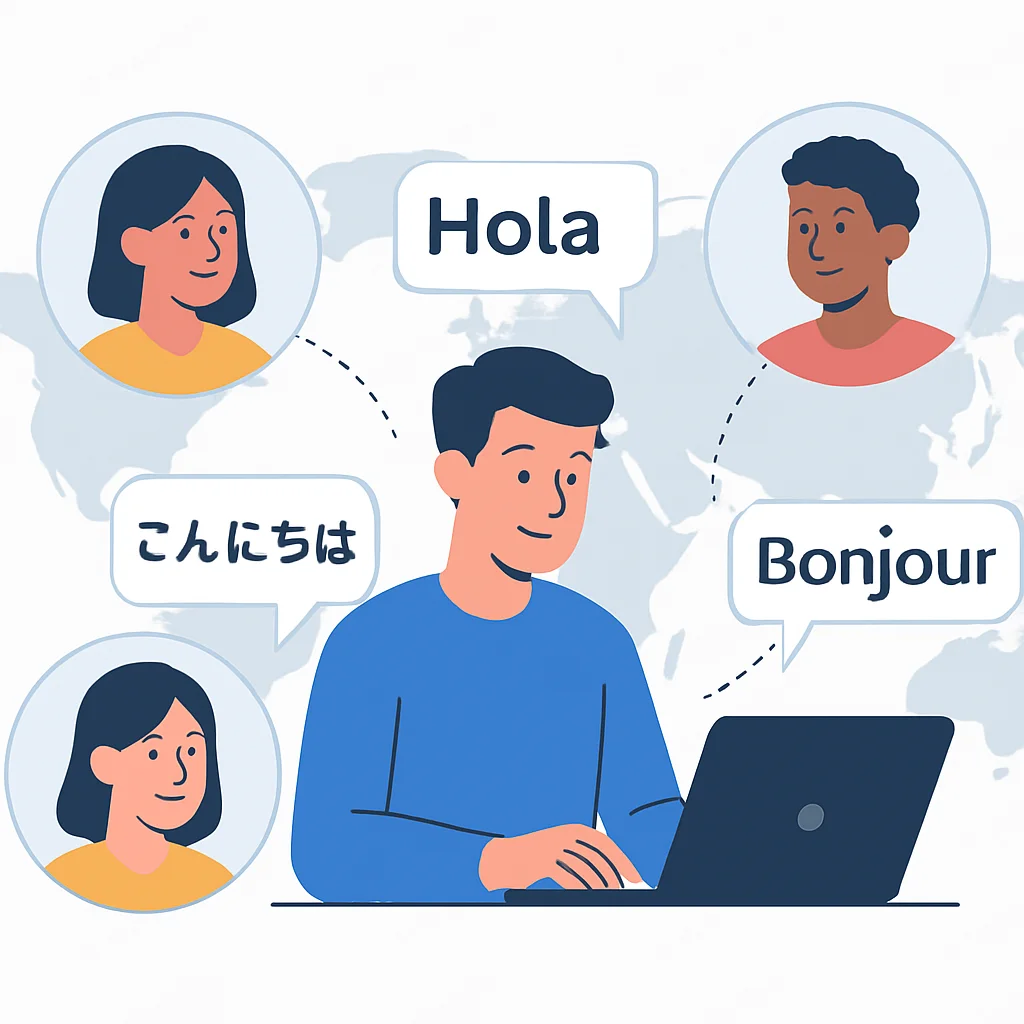
Hello, Kwonglish community! As developers, we often immerse ourselves in the logic of coding, perfecting syntax and optimizing algorithms. However, what about the human aspect? In today’s globalized tech environment, mastering a second (or third!) language, particularly speaking, is evolving from a “nice-to-have” to an essential skill for career growth and personal development. Consider this: the tech industry is a melting pot of cultures, ideas, and languages.
In 2026, numerous leading tech firms operate across continents, with teams spread worldwide. The ability to communicate effectively with colleagues, clients, or open-source contributors in their native language can bridge cultural divides, strengthen relationships, and avoid misunderstandings that could result in costly project delays. Picture debugging a critical issue with a colleague in Berlin or explaining a complex API to a client in Tokyo. Speaking their language guarantees clarity and fosters trust.
Moreover, language fluency grants access to a wealth of knowledge. While English dominates many programming resources, a substantial amount of cutting-edge research, specialized documentation, and innovative community discussions occur in other languages. For example, some of the most advanced AI research may first be published in Mandarin, or niche embedded systems discussions might flourish in German forums. Being able to directly access and contribute to these resources, without relying on potentially flawed machine translations, provides a significant advantage.
Additionally, for developers seeking international career opportunities, speaking the local language is often a requirement. A hiring manager in a non-English speaking country will likely favor candidates who can seamlessly integrate into their local team and culture. Even if the primary language of the workplace is English, showing a commitment to learning the local language reflects adaptability, respect, and a proactive attitude—qualities that are highly valued in any professional environment.
Lastly, let’s not overlook the personal satisfaction and cognitive benefits. Learning a new language, especially through speaking, actively rewires your brain, enhancing problem-solving skills, multitasking abilities, and even creativity. It compels you to think differently, organize thoughts in new ways, and adapt swiftly—skills that are directly applicable to your development work. It’s a challenging yet immensely rewarding journey that broadens your perspective and connects you with billions of individuals.
KEY POINT
Achieving speaking fluency in a new language enhances global collaboration, unlocks extensive knowledge resources, boosts career prospects, and provides significant cognitive advantages for developers in 2026.
CORE METHODS
Overcoming the Fear of Speaking
Let’s be honest: for many developers, the idea of speaking a new language can evoke the same imposter syndrome we sometimes experience when facing a new framework. The fear of making mistakes, sounding foolish, or simply not being understood represents a significant barrier. However, just like coding, language learning is an iterative process. You wouldn’t expect your first line of code to be production-ready, would you? The same principle applies to speaking.
1
Acknowledge and Normalize the Fear
Recognize that fear is a natural element of the learning journey. Everyone, including native speakers, makes mistakes. The objective isn’t perfection, but effective communication. Remind yourself that every “mistake” serves as feedback, aiding you in refining your understanding and expression.
2
Start Small and Build Confidence
Avoid jumping straight into a live conversation if you’re not ready. Begin with low-pressure activities. Talk to yourself in the target language while performing chores, describe your daily routine aloud, or narrate your coding process. Record yourself and listen back—this helps you identify areas for improvement without the pressure of a live audience. You might be surprised at how quickly your confidence grows.
3
Focus on Communication, Not Perfection
Shift your mindset from “I must speak perfectly” to “I want to convey my message.” Native speakers appreciate the effort, and often, a few grammatical errors won’t obstruct understanding. Prioritize getting your point across. As you gain more experience, accuracy will naturally improve. Think of it as an MVP (Minimum Viable Product) approach to language—get something functioning, then iterate and refine.
WARNING
Perfectionism can be the greatest enemy of progress in language learning. Don’t wait until you believe you’re “good enough” to start speaking. The act of speaking itself is the most effective way to improve.
CORE METHODS
Active Learning: Listen, Mimic, and Shadow
Just as you learn to code by reading others’ code and recognizing patterns, you learn to speak a language by actively listening to native speakers and mimicking their output. This isn’t passive consumption; it’s a deliberate, analytical process.
1
Active Listening for Nuances
Don’t just hear the words; listen to their pronunciation, intonation, rhythm, and pauses. Pay attention to common phrases and collocations. Podcasts, YouTube channels (especially tech-related ones in your target language), and news broadcasts are excellent resources. For instance, if you’re learning Spanish, try listening to “Las mañanas de RNE” or tech reviews from Spanish-speaking YouTubers. Focus on grasping the overall message, then revisit to identify specific sentences or pronunciations.
2
Mimicry: Repeat and Record
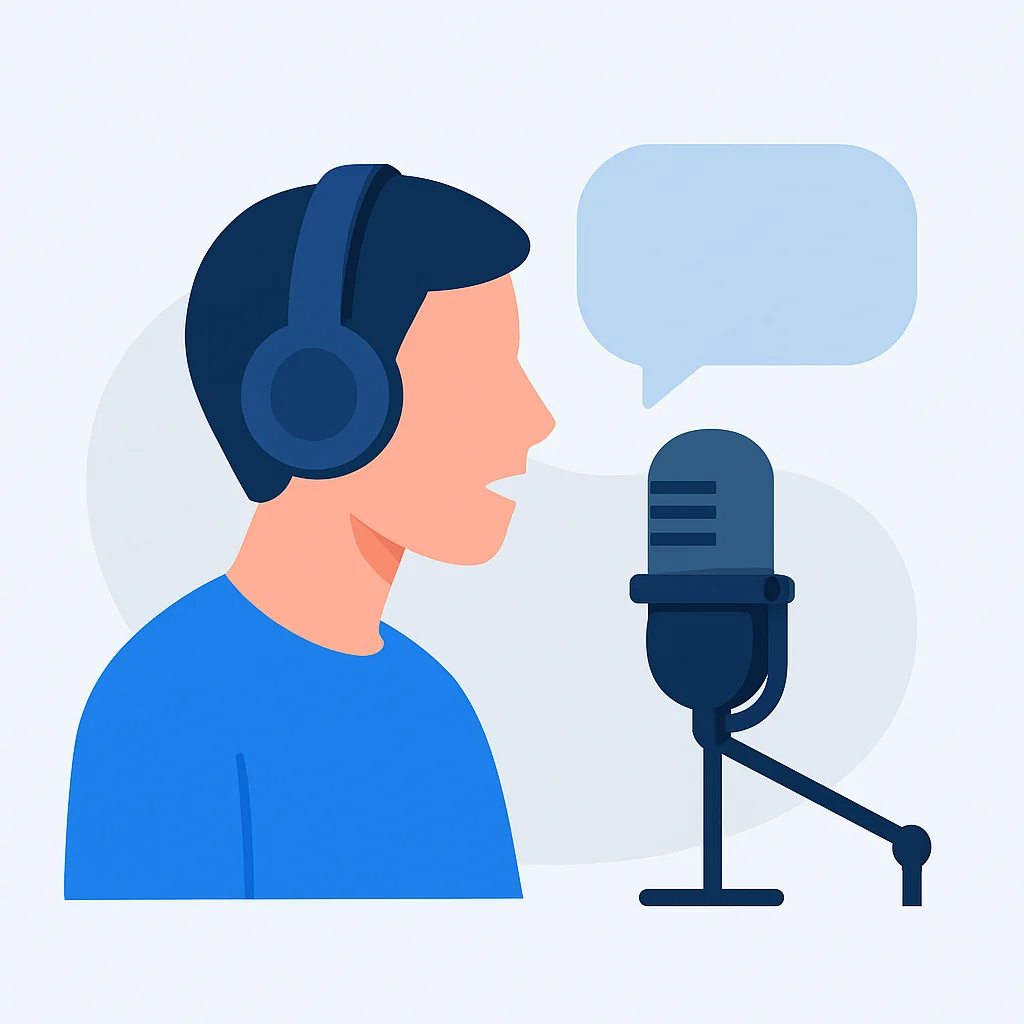
Once you’ve listened, repeat what you hear. Aim to match the pronunciation, intonation, and speed as closely as possible. Record yourself and compare it to the original. This feedback loop is essential for identifying your pronunciation weaknesses. Many language learning apps in 2026 offer AI-powered pronunciation feedback, which can be incredibly beneficial for developers who appreciate data-driven improvement. Don’t hesitate to sound silly; it’s part of the process!
3
Shadowing Technique
Shadowing involves speaking along with an audio track, almost simultaneously. It’s akin to being an interpreter, but you’re repeating in the same language. This intensive practice enhances your fluency, rhythm, and intonation naturally. Start with short audio clips (30-60 seconds) and gradually increase the length. Choose content that’s slightly challenging but not overwhelming. For developers, listening to a brief explanation of a programming concept in your target language and shadowing it can be particularly effective.
CODE EXPLANATION
This is an example of a simple phrase in French, “Bonjour, comment allez-vous?” (Hello, how are you?), followed by its phonetic transcription. When practicing mimicry or shadowing, you would listen to a native speaker say this and then try to replicate their sound, focusing on the intonation and pronunciation, especially of challenging sounds like the French ‘r’ or nasal vowels.
// French phrase for practice
const phrase = "Bonjour, comment allez-vous?";

// Phonetic approximation (for self-guidance, not precise IPA)
const pronunciationGuide = "bon-zhoor, koh-mahn tah-lay voo?";

// Simulate listening and repeating
function practiceSpeaking(audioInput, targetPronunciation) {
    console.log("Listening to: " + audioInput);
    // User attempts to repeat
    let userAttempt = "bon-jooor, commant alleey voo"; // Example user attempt
    console.log("User attempt: " + userAttempt);

    // AI/self-feedback mechanism
    if (userAttempt === targetPronunciation) {
        console.log("Great job! Pronunciation matches.");
    } else {
        console.log("Keep practicing! Focus on the 'r' sound in 'Bonjour' and nasal vowels.");
    }
}

// In a real scenario, 'audioInput' would be a streamed audio,
// and 'targetPronunciation' would be derived from speech recognition.
practiceSpeaking("Bonjour, comment allez-vous?", pronunciationGuide);
KEY POINT
Active listening, mimicry, and shadowing are powerful techniques to train your ears and mouth to produce accurate and natural-sounding speech, laying a solid foundation for fluency.
CORE METHODS
Structured Practice: Finding Your Language Partners
Once you’ve gained some confidence through self-practice, it’s time to interact with real people. This is where the magic occurs! Structured practice with language partners or tutors offers invaluable real-time feedback and helps you navigate natural conversations.
1
Language Exchange Apps and Websites
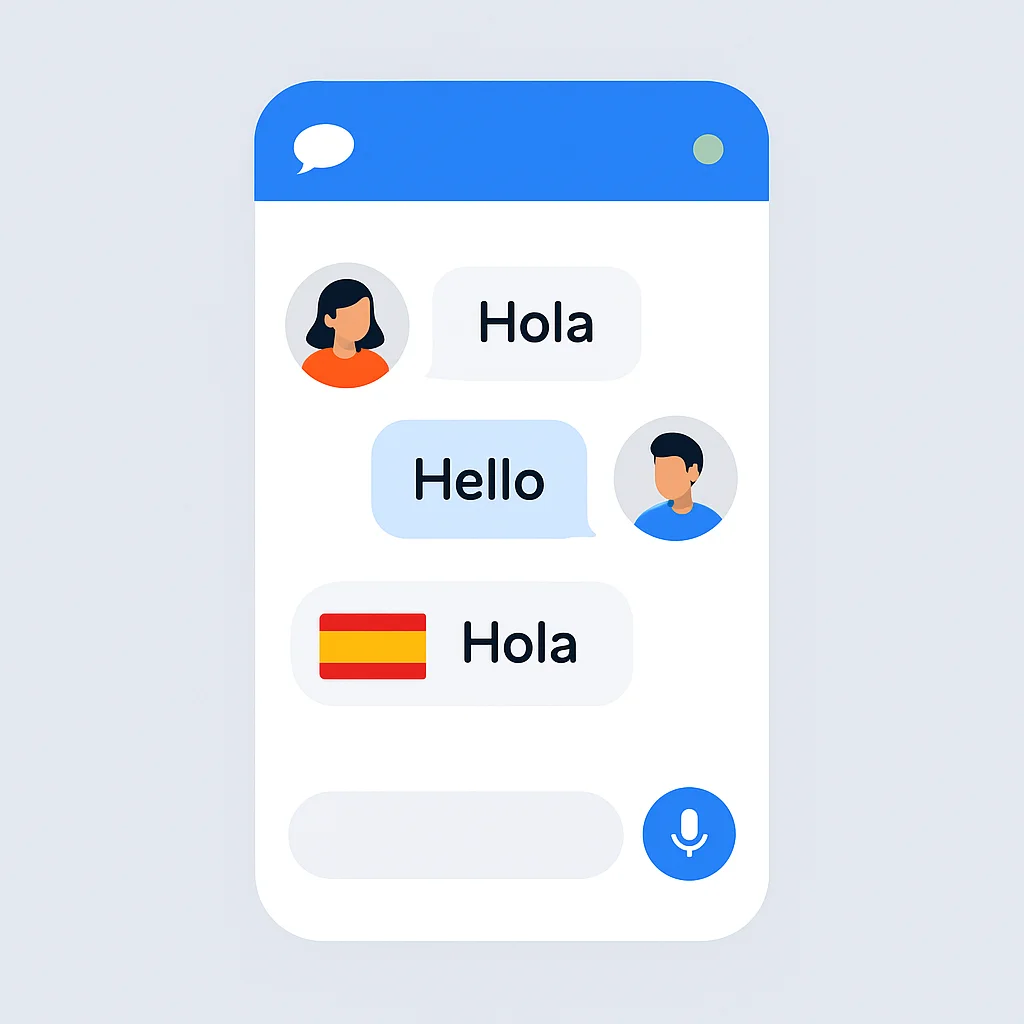
Platforms like Tandem, HelloTalk, and Speaky connect you with native speakers who are learning your language. It’s a mutually beneficial relationship: you assist them with English, and they assist you with their language. Schedule regular calls or message exchanges. Prepare topics related to your work or interests to make conversations more engaging. For example, you could discuss a recent software update or explain your favorite programming paradigm.
2
Online Tutors for Personalized Guidance
For more structured and focused learning, consider platforms like italki or Preply. You can find professional teachers or community tutors for very reasonable rates. A tutor can correct your mistakes, explain grammar points, and tailor lessons to your specific needs—like discussing technical topics in your target language. Regular 30-60 minute sessions, even once a week, can lead to dramatic improvements. In 2026, many tutors are skilled at using virtual whiteboards and interactive tools, making online learning highly effective.
3
Local Language Meetups or Conversation Groups
If available in your area, joining local meetups (check platforms like Meetup.com) can provide a relaxed environment for practicing with multiple speakers. The dynamic nature of group conversations helps you adapt to various accents and speaking styles. It’s also a fantastic way to meet new people and immerse yourself in the culture.
Pros of Language Exchange
✓ Free or low cost
✓ Authentic conversations with native speakers
✓ Cultural exchange opportunities
Cons of Language Exchange
✗ Partners might not be skilled teachers
✗ Less structured, can drift off-topic
✗ Requires you to also teach your native language
Pros of Online Tutors
✓ Professional, structured lessons
✓ Personalized feedback and error correction
✓ Can focus on specific areas (e.g., technical vocabulary)
Cons of Online Tutors
✗ Costs money (though often affordable)
✗ Requires consistent scheduling
✗ Less organic than natural conversation
PRACTICAL APPLICATION
Immersive Learning: Integrating Language into Your Dev Workflow
As developers, we spend a considerable amount of time interacting with technology. Why not transform that into an immersive language learning environment? This strategy leverages your existing habits and interests, making language acquisition feel less like a chore and more like a natural extension of your daily work.
1
Change Your Tech Language Settings
Start simple: change the display language of your operating system, IDE (like VS Code or IntelliJ), browser, or favorite apps to your target language. This compels you to consistently engage with new vocabulary in a context you already comprehend. You’ll quickly learn terms for “file,” “edit,” “save,” “commit,” “branch,” “error,” and more. For instance, setting your VS Code to German will teach you Datei (file), Bearbeiten (edit), and Speichern (save).
2
Read Technical Documentation in Your Target Language
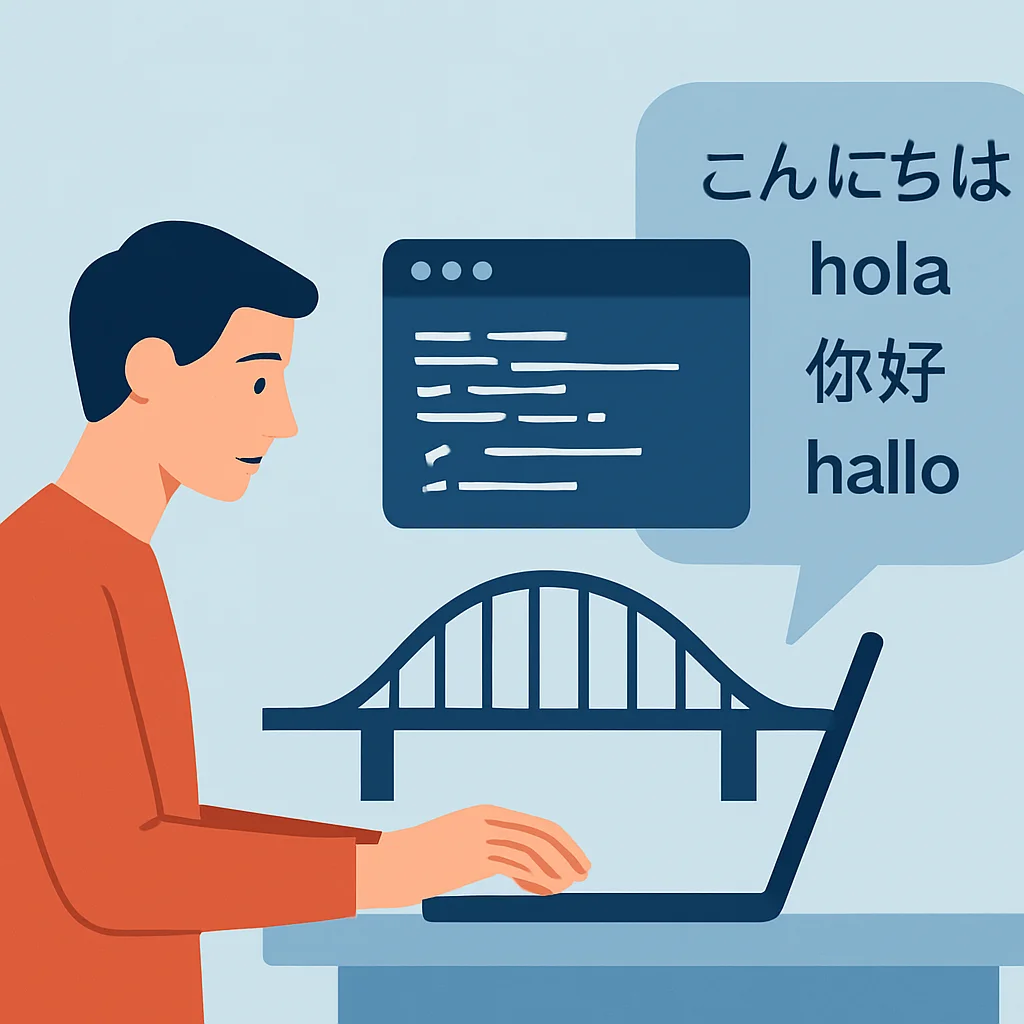
Many popular frameworks and libraries have official documentation translated into various languages. If you’re learning Japanese, consider reading the Vue.js documentation in Japanese. You already grasp the concepts, so the foreign language becomes a bridge, not a barrier. This helps you acquire technical vocabulary and understand how concepts are articulated in the target language. Start with sections you’re already familiar with.
3
Watch Tech Tutorials and Talks
Seek out YouTube channels or conference talks about programming, web development, or data science in your target language. Even if you don’t understand everything, the visual context of code and diagrams will assist you in grasping the meaning. Start with subtitles in your target language, then try without. This is excellent for listening comprehension and picking up natural speech patterns and technical jargon.
4
Comment Your Personal Code in the Target Language
For your personal projects or practice exercises, try writing comments, variable names (if appropriate and not against team standards), and commit messages in your target language. This compels you to actively recall and utilize vocabulary related to your work. It’s a low-stakes environment where you can experiment and solidify your understanding of technical terms.
KEY POINT
Integrating your target language into your daily development workflow through settings, documentation, tutorials, and even code comments creates a natural and highly effective immersion environment.
PRACTICAL APPLICATION
Leveraging Tools and Resources in 2026
The landscape of language learning tools has expanded dramatically, particularly with advancements in AI. In 2026, developers have access to incredibly powerful resources that can accelerate speaking fluency. Here are some categories and examples:
AI-Powered Conversational Tutors
Description — These applications utilize advanced natural language processing to simulate conversations with an AI. They can correct grammar, provide vocabulary suggestions, and even adapt to your learning style. Some even feature voice recognition and pronunciation feedback. Look for apps that allow you to customize topics, perhaps even discussing technical subjects. Examples in 2026 include enhanced versions of platforms like Replika (for general conversation) or specialized AI tutors from companies like Duolingo Max, which offer contextual explanations and role-playing scenarios.
Gamified Learning Apps (Enhanced for 2026)
Description — Apps like Duolingo, Memrise, and Babbel continue to evolve, offering gamified lessons that make learning enjoyable. While often focused on vocabulary and grammar, their speaking exercises are improving significantly. Many now incorporate advanced speech recognition and interactive dialogues. These are excellent for daily, bite-sized practice and building foundational vocabulary. Even 15-20 minutes a day can yield surprising results over time.
Spaced Repetition Systems (SRS) for Vocabulary
Description — Tools like Anki are invaluable for vocabulary acquisition. Create custom flashcards with words, phrases, and even audio recordings of native speakers. For developers, you can create decks specifically for technical terms in your target language. Regularly reviewing these cards ensures that essential vocabulary is transferred into your long-term memory, which is crucial for fluent speaking. Make sure to include example sentences on your cards to learn words in context.
VPNs and Streaming Services for Native Content
Description — To truly immerse yourself, you need access to native media. A VPN enables you to access streaming services (like Netflix, Hulu, or local TV channels) from various countries, providing a wealth of authentic content. Watch movies, TV shows, and documentaries in your target language with subtitles, gradually transitioning to no subtitles. This exposes you to natural speech, slang, and cultural context, which are vital for sounding like a native speaker.
PRACTICAL APPLICATION
Setting SMART Goals for Language Acquisition
Similar to project management, establishing SMART (Specific, Measurable, Achievable, Relevant, Time-bound) goals is crucial for sustained progress in language learning. Vague goals like “I want to be fluent” can be demotivating due to their lack of a clear path and milestones. Let’s explore how to apply SMART goals to your speaking practice.
SMART Goal Checklist
☑ Specific: Rather than “speak better German,” aim for “have a 5-minute conversation about my favorite JavaScript framework in German.”
☑ Measurable: How will you know you’ve achieved it? “Complete 3 one-hour conversation sessions with a tutor focusing on work-related topics.” Or “Record myself speaking for 10 minutes daily for one month.”
☑ Achievable: Set realistic expectations. Becoming fluent in three months is unlikely for most individuals. Aim for small, consistent improvements. “Learn 5 new technical phrases in Japanese each week and use them in conversation.”
☑ Relevant: Connect your language goals to your personal or professional aspirations. If you want to work in Spain, learning Spanish is highly relevant. If you’re interested in contributing to a specific open-source project, learn the language its maintainers primarily use.
☑ Time-bound: Set a deadline for yourself. “By the end of Q3 2026, I will be able to introduce myself and describe my job responsibilities in French without hesitation.”
KEY POINT
Break down your fluency journey into smaller, actionable SMART goals to maintain motivation and track tangible progress.
COMMON PITFALLS & MISTAKES
Common Pitfalls and How to Avoid Them
Even with the best intentions and strategies, language learners often fall into common traps. Recognizing these can help you avoid them and maintain steady progress.
WARNING: Perfectionism Paralysis
Many developers, accustomed to precise code, struggle with the inherent messiness of natural language. Waiting until your grammar is flawless or your vocabulary is extensive before speaking will keep you silent indefinitely. Embrace imperfection; mistakes are learning opportunities. Start speaking early and often.
WARNING: Over-reliance on Passive Learning
Watching foreign films and listening to podcasts are excellent for comprehension, but they don’t directly enhance your speaking output. You need to actively produce the language. Balance passive intake with active speaking practice, even if it’s just talking to yourself or recording your voice.
WARNING: Not Getting Feedback
Without feedback, you risk solidifying bad habits. Whether it’s from a language exchange partner, a tutor, or even AI pronunciation tools, actively seek out correction and use it to refine your speech. Don’t hesitate to ask, “Could you please correct my mistakes?”
WARNING: Inconsistent Practice
Language learning is a marathon, not a sprint. Short, consistent daily practice sessions (e.g., 15-30 minutes) are far more effective than infrequent, lengthy sessions. Integrate language learning into your routine, just as you would a daily stand-up or code review.
Frequently Asked Questions About Language Speaking for Developers
Q. How quickly can a developer become fluent in a new language’s speaking aspect?
The timeline for achieving speaking fluency varies significantly based on the language’s difficulty, your commitment, and the amount of daily practice. With consistent, focused effort (1-2 hours daily), a developer can attain conversational fluency in 6-12 months for simpler languages, and 1-2 years for more complex ones, especially if they prioritize speaking from the outset.
Q. What’s the best language learning app for speaking practice in 2026?
In 2026, AI-powered conversational tutors integrated into platforms like Duolingo Max or specialized apps focusing on spoken interaction (e.g., Speechling, or dedicated AI conversation partners) are highly recommended. For human interaction, apps like Tandem or HelloTalk for language exchange, and italki or Preply for professional tutors, remain top choices.
Q. How can I practice speaking if I don’t have a language partner or tutor?
Even without a direct partner, you can practice speaking by talking to yourself (narrating your day, describing objects), recording your voice and listening back, using AI conversational apps, and shadowing native speakers from audio or video content. These methods build confidence and muscle memory for articulation.
Q. Is it true that developers are naturally good at learning languages?
Developers often possess strong logical thinking, pattern recognition, and problem-solving skills, which are highly advantageous for grasping grammar rules and language structures. However, language learning also necessitates consistent practice and a willingness to embrace ambiguity, which can be challenging for those accustomed to precise code. It’s a blend of transferable skills and new challenges.
Q. How do I overcome the fear of making mistakes when speaking a new language?
Overcoming the fear of mistakes involves a mindset shift: view errors as valuable feedback, not failures. Start with low-pressure practice (self-talk, recording), focus on conveying meaning rather than perfection, and remind yourself that every native speaker appreciates the effort. Gradually increase exposure to real conversations, knowing that discomfort is a sign of growth.
WRAP-UP
Ready to Speak? Your Next Steps
There you have it, Kwonglish! A comprehensive guide for developers eager to master language speaking skills in 2026. The journey to fluency is challenging yet incredibly rewarding, opening new professional avenues and enriching your personal life. Remember, the key is consistency, active engagement, and a willingness to step outside your comfort zone.
Don’t let the fear of making mistakes hold you back. Think of it as iterative development: your first version might have bugs, but with continuous integration (practice!) and testing (feedback!), you’ll deploy a more robust and fluent communication system. Start small, set those SMART goals, and leverage the fantastic tools available to you. Your future self, collaborating globally and understanding diverse perspectives, will thank you.
So, which language are you going to tackle first? What’s your biggest challenge in speaking a new language? Share your thoughts and tips in the comments below!
Thanks for reading!
We hope this guide empowers you to confidently pursue your language learning goals. Keep practicing, keep growing!
Got feedback or questions? Drop a comment below!
Related Posts
- [Self-Improvement] Supercharge Your Language Learning with AI in 2026: Tools & Strategies for Developers
- [Self-Improvement] Create Your Own Language Immersion Environment at Home in 2026: A Developer’s Guide
- [Self-Improvement] Master Any Language Faster: The Power of Spaced Repetition Systems (SRS) in 2026