
SUMMARY
Supercharge Your Language Learning with AI in 2026
Discover how developers can leverage AI-powered tools and smart strategies to accelerate language acquisition in 2026, from personalized tutors to advanced translation.
Keywords: AI language learning, language acquisition, developer language skills
TABLE OF CONTENTS
1. Why Language Learning Matters for Developers in 2026
2. Core Methods: AI-Powered Strategies for Language Acquisition
3. Practical Application: Top AI Tools for Developers in 2026
4. Common Pitfalls & Mistakes to Avoid
5. Frequently Asked Questions
6. Wrap-Up: Your Journey to Multilingual Mastery
INTRODUCTION
Why Language Learning Matters for Developers in 2026
Hey Kwonglish crew! As developers, we’re constantly upgrading our tech stacks, learning new frameworks, and adapting to the latest paradigms. But what about our human language skills? In 2026, the global tech landscape is more interconnected than ever. Companies are distributed across continents, open-source projects thrive on diverse contributions, and emerging markets are driving innovation at an unprecedented pace.
Gone are the days when English was the undisputed lingua franca of programming. While it still holds significant weight, a developer who can navigate technical discussions in Japanese, contribute to a Chinese open-source project, or understand user feedback in Spanish has a distinct advantage. It’s not just about communication; it’s about cultural empathy, access to new knowledge bases, and unlocking career opportunities previously out of reach.
“Learning a new language isn’t just about words; it’s about expanding your mind, understanding different logic, and connecting with a global community – skills invaluable for any developer.”
— Kwonglish Insight, 2026
But let’s be real: traditional language learning methods can be slow, expensive, and often don’t cater to the developer’s analytical mindset or busy schedule. Enter Artificial Intelligence. In 2026, AI isn’t just generating code or debugging; it’s revolutionizing how we acquire new languages, making it faster, more personalized, and incredibly efficient. From real-time translation during coding to AI-powered conversational partners, the tools available today are a game-changer.
This guide will walk you through the essential AI-powered strategies and tools that developers can adopt in 2026 to supercharge their language learning journey. We’ll explore how to integrate these intelligent assistants into your daily routine, transforming mundane practice into engaging and highly effective learning experiences. Get ready to add “polyglot” to your list of developer skills!
CORE METHODS
Core Methods: AI-Powered Strategies for Language Acquisition
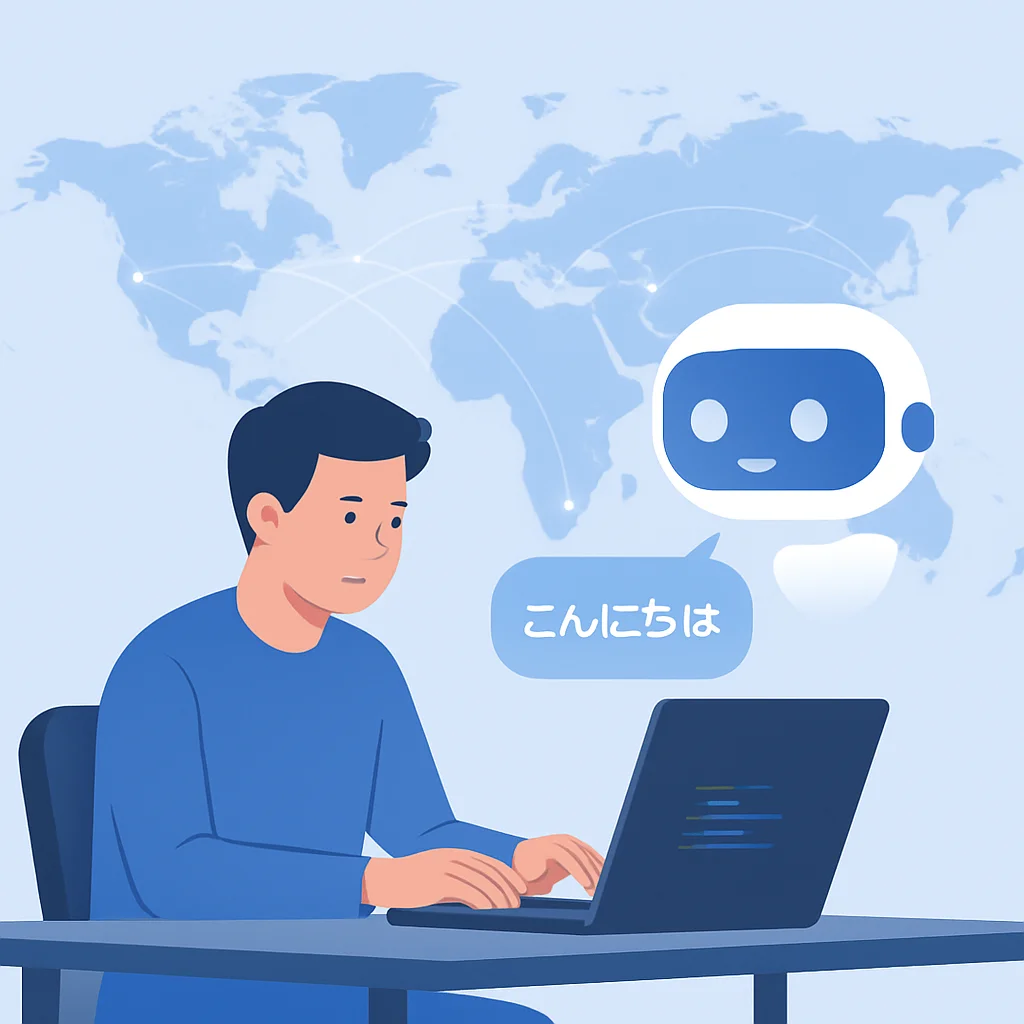
The beauty of AI in language learning lies in its adaptability and personalization. Forget one-size-fits-all textbooks; AI creates a learning path tailored to your needs, strengths, and weaknesses. Here’s how developers can strategically leverage AI:
1. Personalized AI Tutors & Study Plans
Instead of generic lessons, AI tutors like those found in advanced versions of Duolingo Max or specialized apps (e.g., LanguageTool AI, Speakly) can analyze your progress, identify areas where you struggle (e.g., subjunctive mood in Spanish, specific Kanji in Japanese), and dynamically adjust the curriculum. They use spaced repetition algorithms to ensure optimal retention of new vocabulary and grammar rules. You can even specify your learning goals, such as “prepare for a technical interview in German” or “understand Python documentation in French.”
2. Contextual Vocabulary Builders
For developers, learning “hello” and “thank you” is foundational, but understanding terms like “API endpoint,” “database schema,” or “version control” in another language is crucial. AI tools can extract vocabulary from technical articles, documentation, or even your own code comments in the target language. They then present these words in context, often with example sentences and definitions, accelerating your grasp of domain-specific terminology. Imagine an AI that scans a German cybersecurity blog and generates flashcards for terms like Schwachstelle (vulnerability) or Datenbankabfrage (database query).
3. Advanced Grammar and Pronunciation Feedback
Modern AI grammar checkers go far beyond simple spell checks, offering nuanced suggestions for sentence structure, idiomatic expressions, and even cultural appropriateness. Tools like GrammarlyGO (with its expanded language support in 2026) or dedicated AI apps can analyze your written output and explain why a correction is needed. For pronunciation, advanced speech recognition AI provides instant feedback on your accent, intonation, and rhythm, comparing it to native speakers. This is particularly useful for tonal languages like Mandarin or languages with complex phonetic rules like French.
“The days of blindly repeating phrases are over. AI provides immediate, actionable insights into your language errors, turning every mistake into a learning opportunity.”
— Kwonglish, 2026
4. AI-Powered Role-Playing and Conversation Practice
This is where AI truly shines for conversational fluency. Large Language Models (LLMs) can act as infinitely patient conversation partners, simulating various scenarios. As a developer, you could practice explaining a complex architectural decision to a non-technical stakeholder in Spanish, or negotiating API specifications with a Japanese colleague. The AI can adapt its responses, introduce new vocabulary, and even correct you in real-time or provide a summary of your conversation with feedback afterwards. This low-pressure environment builds confidence before you engage with native speakers.
AI tools offer personalized learning paths, context-rich vocabulary acquisition, precise grammar and pronunciation feedback, and realistic conversational practice, making language learning highly efficient and tailored for developers.
PRACTICAL APPLICATION
Practical Application: Top AI Tools for Developers in 2026
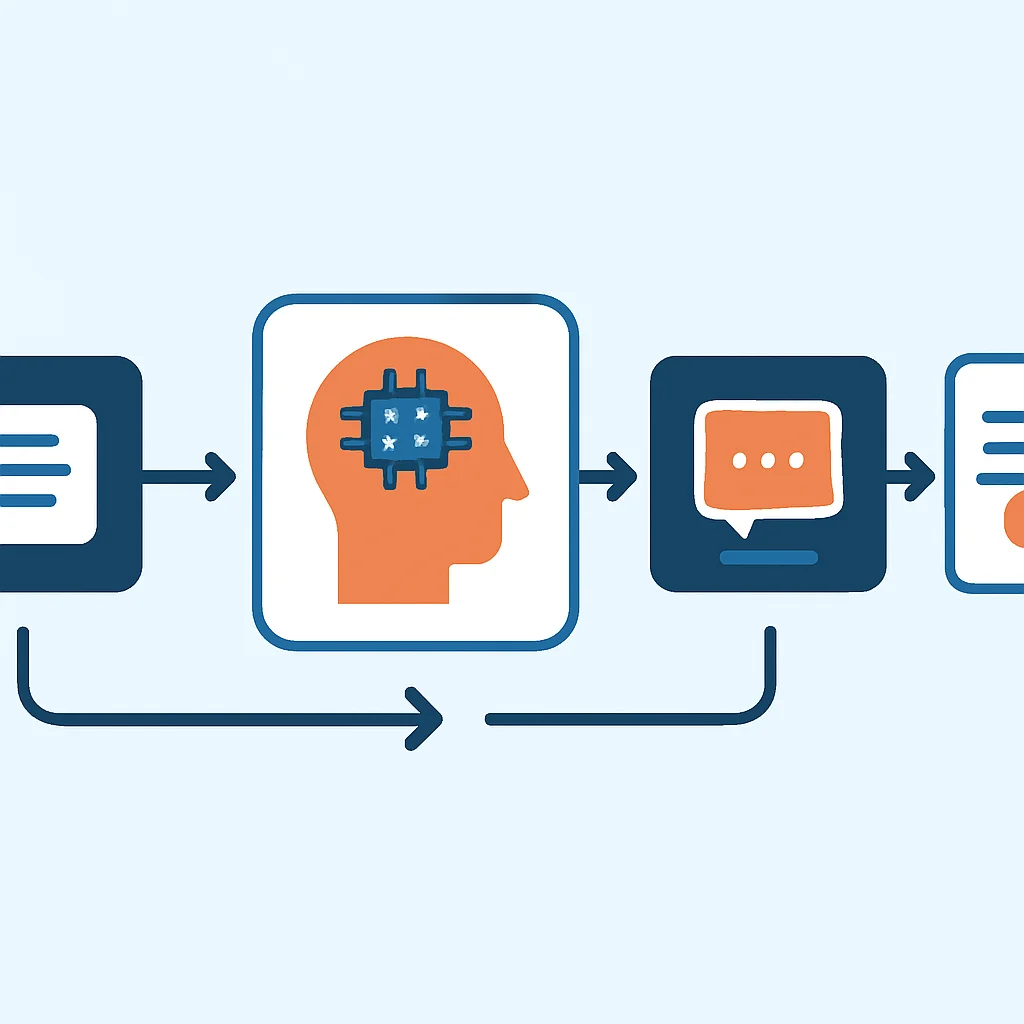
Now that we’ve covered the strategies, let’s look at some concrete tools and how you, as a developer, can integrate them into your workflow in 2026. Many of these tools are general-purpose AI, but their application to language learning is incredibly powerful.
1. Large Language Models (LLMs) like GPT-4.5/Gemini Ultra
Capabilities — These models are incredibly versatile. You can prompt them to act as a native speaker, a grammar tutor, a vocabulary builder, or even a technical translator. They can generate exercises, explain complex concepts, and engage in free-form conversation.
Developer Use Case — Ask for explanations of specific syntax in your target language, generate technical dialogues, or get translations of code comments. For example, you could ask for a review of your commit message written in French, or generate a short story about a microservices architecture in German.
CODE EXPLANATION
This prompt asks an LLM to act as a Japanese technical editor, reviewing a Python function’s docstring for naturalness and correctness, providing both the corrected version and an explanation.
Prompt: "I am a developer learning Japanese. Please act as a Japanese technical editor. Review the following Python docstring written in Japanese. Correct any unnatural phrasing, grammatical errors, or awkward technical terms. Provide the corrected version and then explain your changes in detail in English.

Docstring to review:
"""
データベースからユーザーデータを取得する関数です。
Args:
    user_id (int): 取得したいユーザーのIDです。
Returns:
    dict: ユーザーデータを含む辞書、またはユーザーが見つからない場合はNone。
"""
2. Specialized AI Language Learning Apps (e.g., Duolingo Max, Babbel Live AI)
Capabilities — These apps offer structured curricula combined with AI-driven personalized feedback. Duolingo Max, for instance, has “Explain My Answer” and “Roleplay” features powered by generative AI, providing deeper insights and more dynamic conversation practice than standard lessons. Babbel Live AI focuses on interactive scenarios and live AI tutors for more advanced learners.
Developer Use Case — Leverage the “Roleplay” features to simulate scenarios like explaining a bug fix to a non-English speaking client or conducting a stand-up meeting in your target language. Use the grammar explanations to understand complex structures relevant to technical writing.
3. AI-Powered Translation and Localization Tools
Capabilities — Tools like DeepL Pro, with its enhanced technical translation capabilities in 2026, or integrated IDE plugins, can provide highly accurate translations of technical text. Some even offer context-aware suggestions for variable names or documentation strings.
Developer Use Case — Translate foreign language documentation, understand bug reports from international users, or even write comments in your target language. This is not for learning to translate, but for understanding the nuances and correct technical terms in context which aids learning. For example, if you encounter a German comment // Fehlerbehandlung für ungültige Eingabe, a good AI translator will give you “Error handling for invalid input,” teaching you the precise technical term for “error handling” in German.
CODE EXPLANATION
This code snippet shows how a developer might use an AI translation plugin directly within their IDE (represented conceptually by TranslateComment(comment, "ja")) to translate a comment to Japanese, or how to get a contextual explanation of a translated term.
// Original English comment
// This function handles asynchronous data fetching from the API.

// Using an AI IDE plugin to translate (conceptual)
// var japaneseComment = TranslateComment("This function handles asynchronous data fetching from the API.", "ja");
// Result: この関数はAPIからの非同期データ取得を処理します。

// Alternatively, using an LLM to explain a term in context:
// Prompt: "What does '非同期データ取得' mean in a programming context, and how is it commonly used?"
// LLM Response: "非同期データ取得 (hishinki data shutoku) means 'asynchronous data fetching.' It refers to retrieving data without blocking the main program thread, commonly used in web development for UI responsiveness..."

function fetchAsyncData() {
    // この関数はAPIからの非同期データ取得を処理します。
    return new Promise(resolve => setTimeout(() => resolve("Data fetched"), 1000));
}
4. AI-Powered Role-Playing and Conversation Practice
This is where AI truly shines for conversational fluency. Large Language Models (LLMs) can act as infinitely patient conversation partners, simulating various scenarios. As a developer, you could practice explaining a complex architectural decision to a non-technical stakeholder in Spanish, or negotiating API specifications with a Japanese colleague. The AI can adapt its responses, introduce new vocabulary, and even correct you in real-time or provide a summary of your conversation with feedback afterwards. This low-pressure environment builds confidence before you engage with native speakers.
AI tools offer personalized learning paths, context-rich vocabulary acquisition, precise grammar and pronunciation feedback, and realistic conversational practice, making language learning highly efficient and tailored for developers.
PITFALLS & MISTAKES
Common Pitfalls & Mistakes to Avoid
While AI offers incredible advantages, it’s not a magic bullet. Avoiding common pitfalls will ensure your AI-powered language journey is truly effective.
1. Over-Reliance on Machine Translation
WARNING
Using AI translation for every unknown word or phrase can hinder your ability to think in the target language. It’s a crutch, not a learning tool if used improperly.
The Problem: It’s tempting to simply copy-paste entire sentences or paragraphs into a translator. While this helps you understand the gist, it bypasses the critical process of active recall, grammar deduction, and vocabulary acquisition. You’re not learning; you’re just consuming a translation.
The Solution: Use translation tools sparingly. Try to understand the context first. If you need help, translate individual words or small phrases. Better yet, ask an LLM to explain the meaning or grammar of a sentence in the target language, rather than just translating it directly. For example, instead of “Translate ‘Ich bin ein Softwareentwickler’”, ask “Explain the grammar and meaning of ‘Ich bin ein Softwareentwickler’.”
2. Neglecting Human Interaction
WARNING
AI can simulate conversations, but it lacks the unpredictable nature, cultural nuances, and emotional depth of real human interaction.
The Problem: It’s easy to get comfortable with your AI tutor, which never judges your mistakes. However, real conversations involve interruptions, slang, varied accents, and non-verbal cues that AI can’t fully replicate. Relying solely on AI will leave you unprepared for the real world.
The Solution: Use AI to build confidence and foundational skills, then actively seek out human interaction. Join online language exchange communities, find a language partner, or even hire a human tutor for occasional sessions. Platforms like italki or HelloTalk are excellent for connecting with native speakers.
3. Lack of Consistent Practice
WARNING
Even the most advanced AI can’t learn for you. Consistency and active engagement are paramount.
The Problem: Like coding, language learning requires daily discipline. Sporadic bursts of activity followed by long breaks will yield minimal results. AI tools are always available, which can sometimes lead to complacency (“I’ll just do it later”).
The Solution: Schedule dedicated language learning time, even if it’s just 15-30 minutes a day. Use AI apps for micro-learning sessions during commutes or breaks. Set realistic goals, track your progress, and celebrate small victories. Think of it like daily code reviews or stand-ups for your language skills.
KEY POINT
Avoid over-relying on full translations; prioritize understanding context. Balance AI practice with real human interaction, and maintain consistent daily practice to ensure effective language acquisition.
Frequently Asked Questions About AI Language Learning
Q. Can AI completely replace human language teachers?
No, AI tools are powerful supplements, but they cannot fully replicate the nuanced cultural insights, personalized motivation, and spontaneous adaptability of a skilled human teacher. They excel at structured practice and feedback, while human teachers provide deeper context and emotional connection.
Q. Is AI language learning effective for all skill levels?
Yes, AI can be highly effective across all skill levels. Beginners benefit from structured lessons and basic pronunciation practice, while intermediate and advanced learners can leverage AI for complex grammar explanations, nuanced conversational practice, and specialized vocabulary acquisition.
Q. How much time should I dedicate to AI language learning daily?
Consistency is key. Even 15-30 minutes of focused practice daily using AI tools can yield significant progress over time. The flexibility of AI allows for shorter, more frequent sessions, which can be more effective than long, infrequent study blocks.
Q. What’s the best language to learn for a developer in 2026?
The “best” language depends on your career goals and interests. Mandarin, Spanish, German, and Japanese are highly valuable for accessing major tech markets and open-source communities. Consider regions where your desired industry is booming or where you’d like to work.
WRAP-UP
Wrap-Up: Your Journey to Multilingual Mastery
The year 2026 presents an unparalleled opportunity for developers to embrace multilingualism, thanks to the incredible advancements in AI. No longer is language learning a slow, arduous process. With personalized AI tutors, contextual vocabulary builders, instant grammar and pronunciation feedback, and realistic conversational partners, you have an entire arsenal of tools at your fingertips.
Remember, AI is your assistant, not a replacement for your effort. Integrate these tools wisely, maintain consistency, and always strive to apply your new skills in real-world human interactions. Whether you’re aiming to collaborate on a global project, understand international documentation, or simply broaden your horizons, AI can be the catalyst that propels you towards fluency faster than ever before.
Your AI Language Learning Checklist for 2026
☑ Choose a target language based on career goals or interest.
☑ Select an AI tutor app (e.g., Duolingo Max, Babbel Live AI) and an LLM (GPT-4.5/Gemini Ultra) for custom practice.
☑ Integrate AI translation tools into your IDE for technical contexts.
☑ Schedule daily, consistent practice sessions (15-30 minutes minimum).
☑ Seek out real human interaction (language exchange, tutors) to complement AI practice.
☑ Focus on understanding context and grammar, not just direct translation.
Start your journey today, and watch as your linguistic capabilities unlock new dimensions in your development career and personal life. Happy learning!
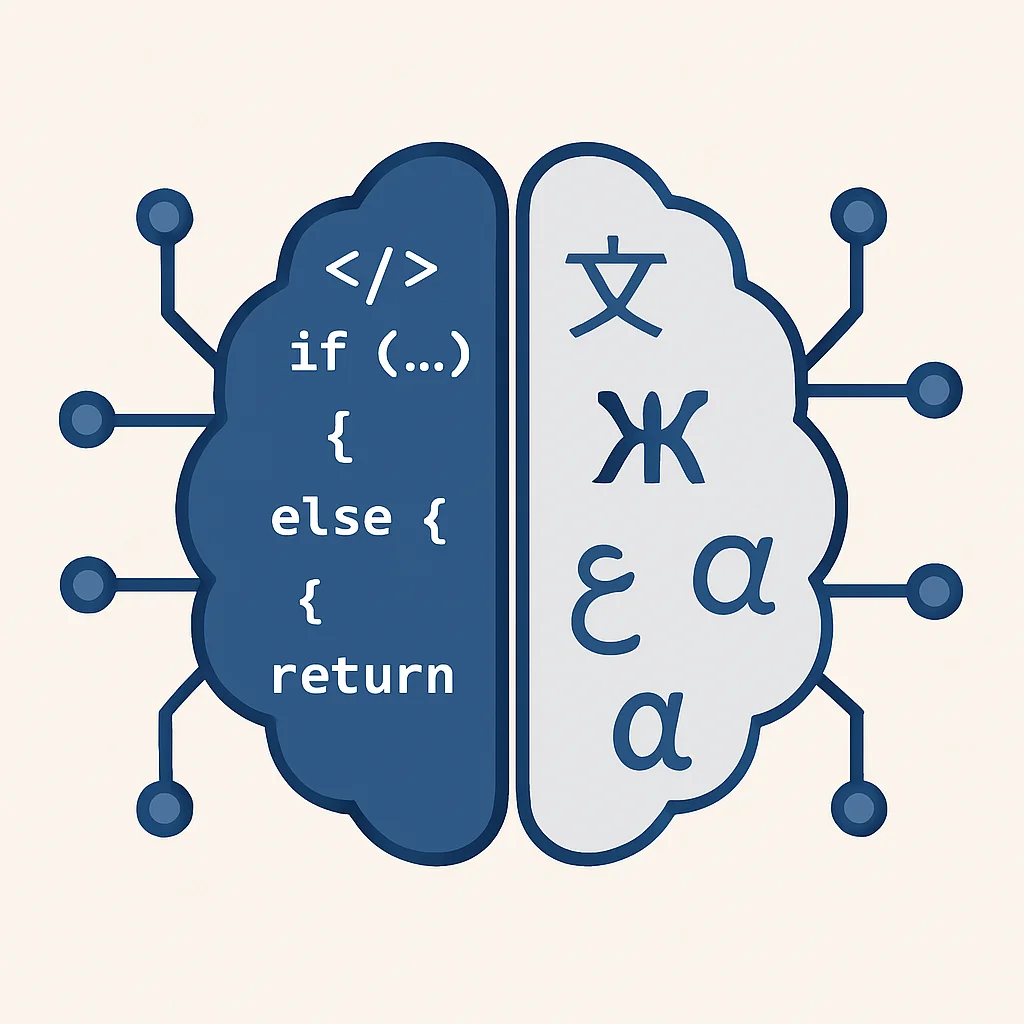
Ready to Level Up Your Language Skills?
Embrace the power of AI and transform your language learning experience. The global tech world awaits your multilingual contributions!
Got questions or favorite AI tools? Share your insights in the comments below!