
SUMMARY
Create Your Own Language Immersion Environment at Home in 2026: A Developer’s Guide
Discover how to build a personalized language immersion environment right from your home, leveraging developer-friendly tools and strategies to accelerate your fluency.
Keywords: language learning, language immersion, developer tools
TABLE OF CONTENTS
1. Why Home Immersion Matters (Especially for Developers)
2. The Core Pillars of Your Immersion Environment
3. Practical Steps: Building Your Digital & Physical Sanctuary
4. Leveraging Developer Skills for Language Acquisition
5. Common Pitfalls and How to Avoid Them
6. Frequently Asked Questions
MOTIVATION
Why Home Immersion Matters (Especially for Developers)
Hey there, Kwonglish community! Have you ever dreamed of speaking another language fluently, but felt like moving abroad was the only way to truly achieve it? What if I told you that in 2026, you can replicate much of that immersive experience right from the comfort of your own home? As developers, we’re uniquely positioned to hack our environments and optimize for efficiency, and language learning is no exception.
Traditional language learning often involves classes, textbooks, and occasional practice. While these methods have their place, they rarely provide the consistent, high-frequency exposure that is crucial for true fluency. Immersion, on the other hand, bombards your brain with the target language, forcing you to think, understand, and react in that language. It’s like debugging a complex system – the more time you spend inside the system, the faster you’ll grasp its intricacies.
For developers, the benefits extend beyond just conversational ability. Imagine being able to read documentation, participate in forums, or even collaborate on open-source projects in another language. This not only broadens your professional horizons but also sharpens your problem-solving skills by introducing new ways of thinking and expression. A study by the American Council on the Teaching of Foreign Languages (ACTFL) consistently shows that learners in immersive environments achieve higher proficiency levels faster than those in traditional classroom settings. They found that even moderate levels of immersion significantly accelerate acquisition, especially in listening comprehension and speaking fluency.
The challenge for many is the perceived cost and impracticality of moving to a foreign country. But with the right strategies and modern tools available in 2026, you can engineer a highly effective immersion bubble right where you are. This guide will walk you through building that environment, leveraging your developer mindset to optimize every step.
KEY POINT
Home language immersion is a cost-effective and highly efficient alternative to studying abroad, providing consistent, high-frequency exposure crucial for accelerated fluency, especially when approached with a developer’s systematic mindset.
FRAMEWORK
The Core Pillars of Your Immersion Environment
Building a successful home immersion environment isn’t about simply changing your phone’s language setting. It’s a multi-faceted approach that targets various aspects of your daily life. Think of it like a robust software architecture: multiple modules working in harmony to achieve a common goal. Here are the core pillars we’ll focus on:
Pillar 1: Digital Ecosystem Overhaul
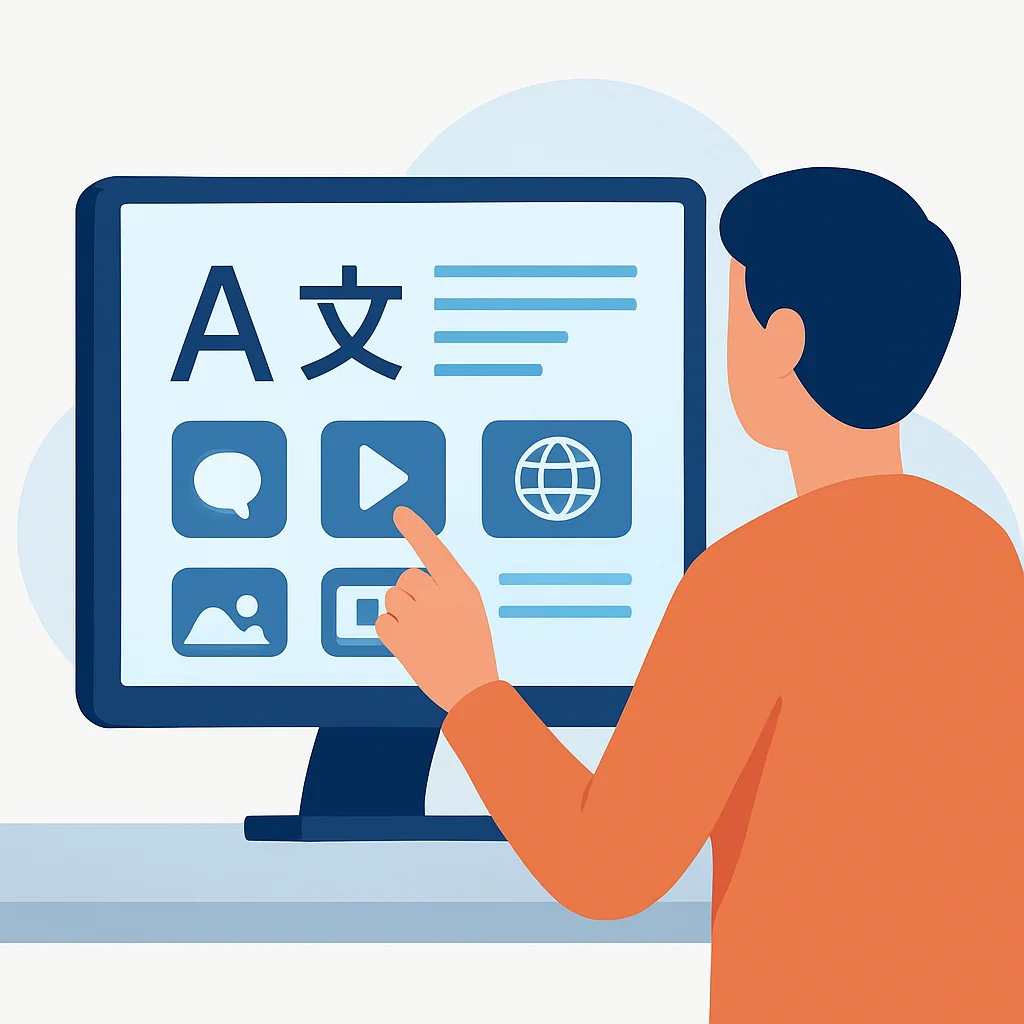
Your digital life is where you spend a significant amount of time, making it a prime candidate for immersion. This includes your operating system, web browser, social media, entertainment, and even your development tools. The goal here is to make the target language inescapable in your digital interactions.
Pillar 2: Physical Space Transformation
While less dynamic than your digital world, your physical surroundings can still be a powerful, passive learning tool. Labeling objects, stocking up on physical media, and even dedicating a specific “language zone” can reinforce your learning.
Pillar 3: Active Engagement & Output
Immersion isn’t just about input; it’s about active participation. This means speaking, writing, and creating in your target language. For developers, this can include coding, journaling, or even explaining technical concepts to language partners. The act of producing language solidifies your understanding and identifies gaps in your knowledge.
Pillar 4: Strategic Tool & Resource Utilization
As developers, we love tools that make our lives easier and more efficient. The same applies to language learning. We’ll explore specific apps, browser extensions, and developer-centric methods that can supercharge your immersion efforts. This includes spaced repetition systems (SRS), translation APIs, and even customizing your IDE.
KEY POINT
A holistic home immersion strategy involves a complete overhaul of your digital and physical environments, coupled with consistent active engagement and the strategic use of tailored learning tools, mirroring a well-architected software project.
ACTION PLAN
Practical Steps: Building Your Digital & Physical Sanctuary
Let’s get down to business. Here’s a step-by-step guide to transforming your home into a language learning powerhouse in 2026. Remember, consistency is key, and don’t be afraid to experiment and iterate, just like in development!
1
Set Clear Goals and Baseline Your Proficiency
Before you dive in, define what fluency means to you. Do you want to pass a specific exam (like the JLPT N3 or DELF B2)? Be able to hold a 30-minute conversation? Read technical articles without a dictionary? Use a language proficiency test (e.g., CEFR, ACTFL) to establish a baseline. This helps you track progress and celebrate milestones.
2
Switch Your Digital Environment
This is the quickest win. Change your operating system (Windows, macOS, Linux, Android, iOS) to your target language. Then, move to your browser, email client, and frequently used apps. It will be frustrating at first, but this forces you to learn practical vocabulary quickly.
Example: If you’re learning Japanese, your Windows Start menu will say スタート (Start), and your browser settings will be in Japanese. You’ll learn words like 設定 (settings), ダウンロード (download), and プリント (print) without even trying.
3
Curate Your Media Consumption
Replace your usual entertainment with target language content. This means watching movies/TV shows with target language audio and subtitles, listening to music, podcasts, and news in the language. Services like Netflix, YouTube, and Spotify are invaluable for this.
Tip: Start with content you’re already familiar with (e.g., a movie you’ve seen many times) with target language audio and subtitles. This reduces cognitive load and helps you focus on the language.
4
Label Your Physical Environment
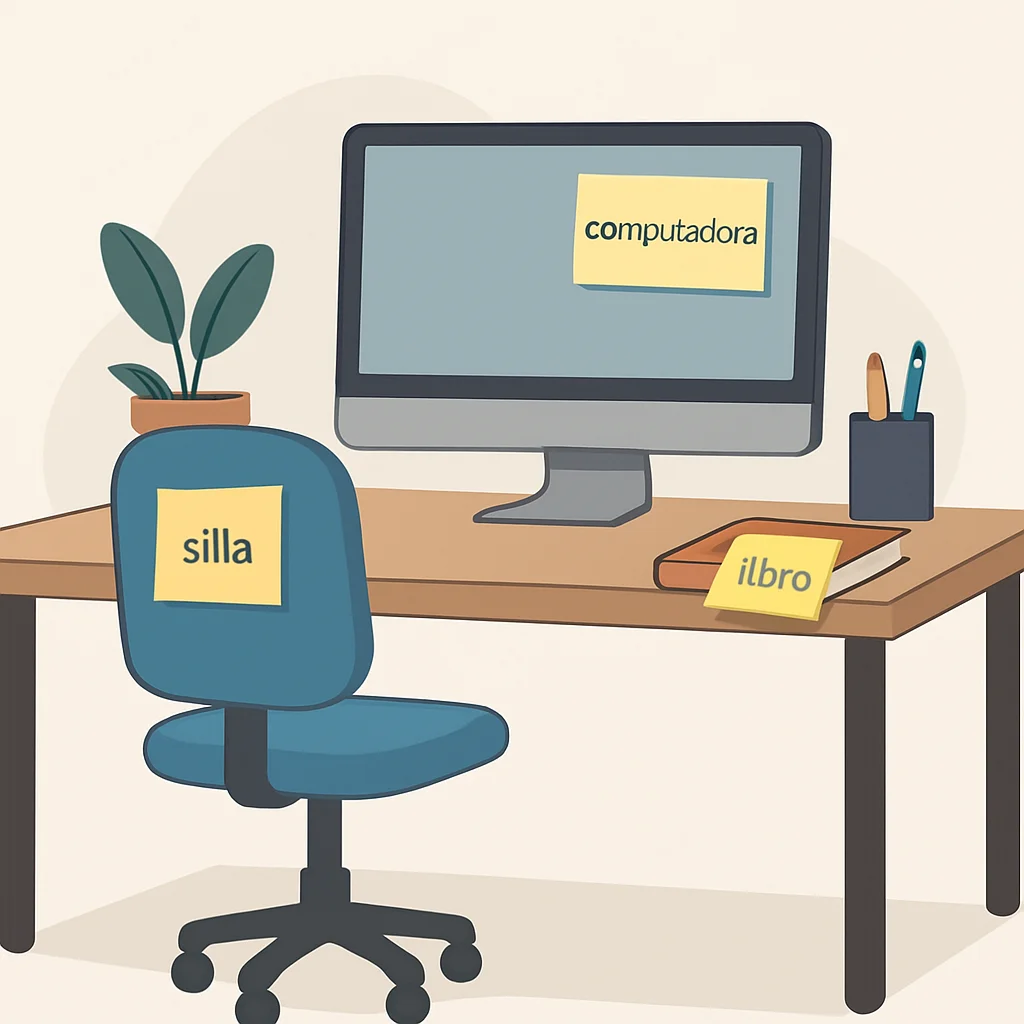
Print out labels for common objects around your home (e.g., “table,” “chair,” “door,” “computer”) in your target language. Stick them everywhere. This passive exposure reinforces vocabulary daily. You can even use a label maker for a more polished look.
5
Find Language Exchange Partners
Online platforms like italki, HelloTalk, or even Discord servers dedicated to language learning make it easy to connect with native speakers. Schedule regular video or text chats. This is crucial for developing speaking and listening skills.
KEY POINT
Systematically integrating your target language into your digital and physical environments, from OS settings to media consumption and physical labels, creates a constant, low-effort exposure that accelerates passive vocabulary acquisition and contextual understanding.
DEVELOPER’S EDGE
Leveraging Developer Skills for Language Acquisition
This is where our developer superpowers truly shine. We’re problem-solvers, system builders, and data enthusiasts. Let’s apply that mindset to language learning.
1. Automate Vocabulary with Spaced Repetition Systems (SRS)
SRS tools like Anki are your best friends. They use algorithms to show you flashcards just before you’re about to forget them, maximizing retention. As a developer, you can take this further:
Custom Card Types: Design custom Anki card types for specific grammatical structures, sentence patterns, or even code snippets in your target language.
Automation: Write scripts to scrape vocabulary from articles or documentation and automatically import them into Anki decks. For example, a Python script could parse a list of frequently used technical terms in a specific domain and create a CSV file ready for Anki import.
CODE EXPLANATION
This Python script demonstrates how you might extract vocabulary from a simple text file and format it for Anki. It reads a list of words and their translations, then creates a basic CSV file that Anki can import to generate flashcards.
import csv

vocabulary = [
    ("hello", "hola"),
    ("world", "mundo"),
    ("developer", "desarrollador"),
    ("code", "código"),
    ("language", "idioma")
]

file_name = "spanish_dev_vocab.csv"

with open(file_name, 'w', newline='', encoding='utf-8') as csvfile:
    writer = csv.writer(csvfile)
    for english_word, spanish_word in vocabulary:
        writer.writerow([english_word, spanish_word])

print(f"'{file_name}' created successfully for Anki import!")
2. Program in Your Target Language
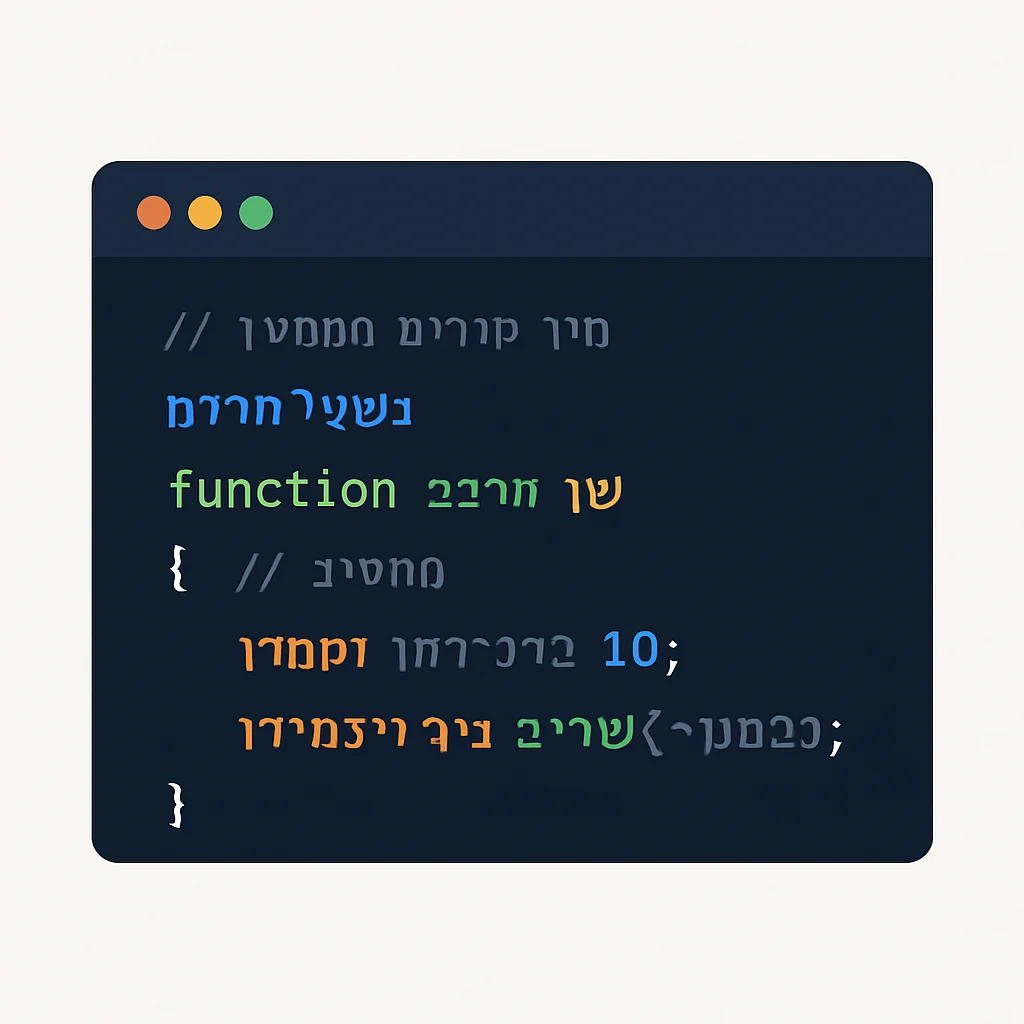
This might sound extreme, but it’s incredibly effective. Write comments, variable names, and even function names in your target language. Look for open-source projects where the primary language used in comments and documentation is your target language. This forces you to think about technical concepts in a new linguistic framework.
Example: Instead of calculateTotalAmount(), use calcularMontoTotal() for Spanish. This might slow you down initially, but the neural pathways you build will be incredibly strong.
CODE EXPLANATION
This JavaScript example illustrates how to write code with comments and variable names in Spanish. This practice helps integrate the target language into your daily development workflow, reinforcing vocabulary and technical terminology.
// Función para calcular el área de un círculo
function calcularAreaCirculo(radio) {
    // Definir la constante PI
    const PI = 3.14159;
    // Calcular el área
    let area = PI * radio * radio;
    // Devolver el área
    return area;
}

// Ejemplo de uso
let radioCirculo = 5; // El radio del círculo
let areaCalculada = calcularAreaCirculo(radioCirculo); // Llamar a la función
console.log(`El área del círculo con radio ${radioCirculo} es: ${areaCalculada}`); // Imprimir el resultado
3. Utilize Translation APIs for Learning
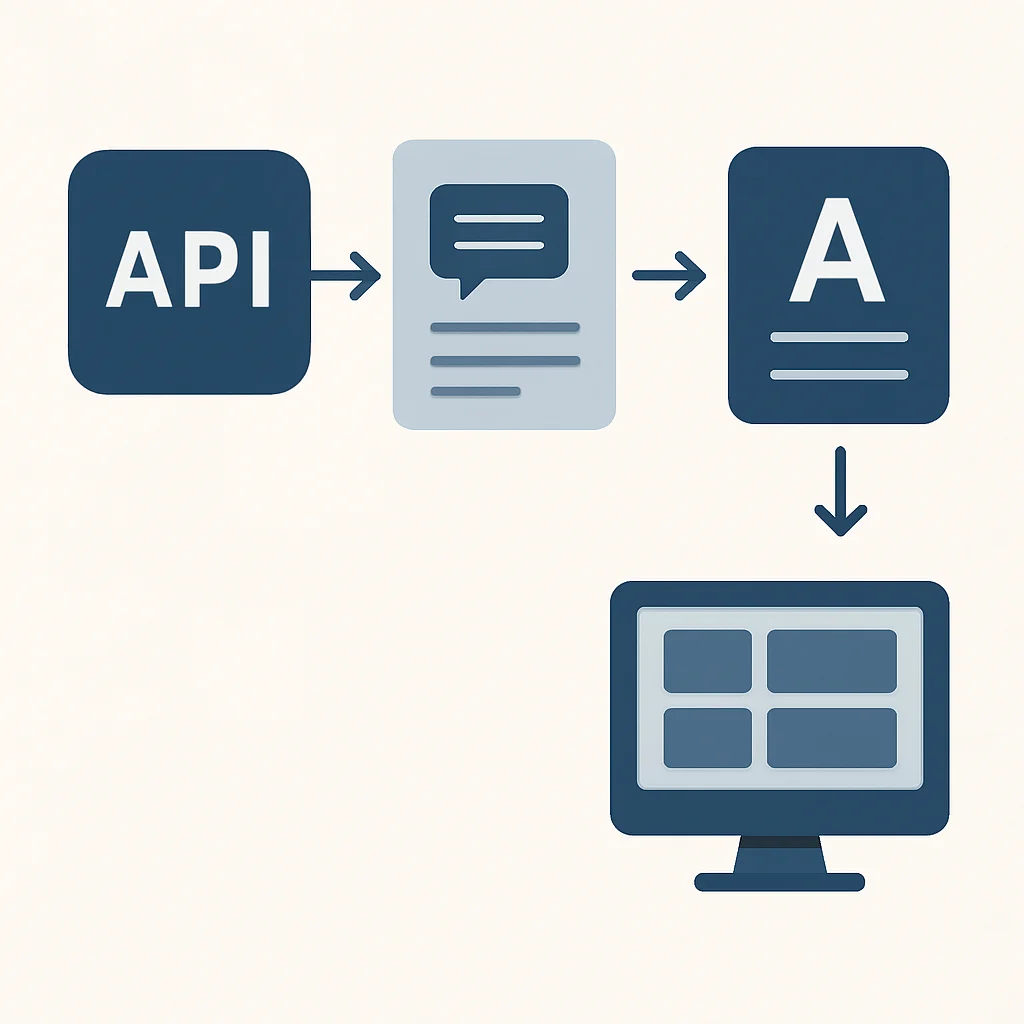
Instead of just using Google Translate, integrate translation APIs (like Google Cloud Translation API or DeepL API) into small scripts or browser extensions. You can build tools to:
Contextual Translation: Select a word on a webpage and have your custom script pop up with its translation, definition, and example sentences.
Flashcard Generation: Automatically generate flashcards for Anki from complex sentences you encounter while reading.
4. Engage in Technical Discussions in the Target Language
Seek out online communities, forums (e.g., Stack Overflow in other languages, specific subreddits), or Discord channels where developers discuss technical topics in your target language. Initially, you might just read, but gradually start asking questions or contributing answers. This is a fantastic way to acquire specialized vocabulary and improve your writing skills.
5. Build Language Learning Tools
What better way to learn than to build tools that help you learn? Create a simple web app that quizzes you on irregular verbs, a CLI tool that fetches definitions from a dictionary API, or a small game that helps you practice grammar. The process of building these tools will expose you to the language in a highly interactive and problem-solving context.
KEY POINT
Developers can significantly enhance their language immersion by automating vocabulary acquisition with SRS, programming with target language syntax/comments, leveraging translation APIs for custom tools, and engaging in technical discussions within foreign language communities.
WARNINGS
Common Pitfalls and How to Avoid Them
Even with the best intentions and a solid plan, language learning can present its own set of challenges. Being aware of common pitfalls can help you navigate them more effectively, much like anticipating bugs in your code.
WARNING
Overwhelm and Burnout: Trying to do too much too soon can lead to frustration and giving up. Remember, this is a marathon, not a sprint.
Solution: Start small. Don’t switch everything at once. Pick one digital environment (e.g., your phone), one type of media (e.g., music), and one active practice (e.g., 15 minutes of Anki daily). Gradually increase your immersion as you build confidence and resilience. Consistency over intensity is key.
WARNING
Passive-Only Immersion: While passive exposure is great, relying solely on it won’t lead to fluency. You need to actively produce the language.
Solution: Integrate active practice daily. This means speaking (even to yourself!), writing (journaling, social media posts), and coding in your target language. Aim for a balanced input/output ratio. A good rule of thumb is to spend at least 25-30% of your language time on active production.
WARNING
Fear of Making Mistakes: As developers, we’re used to precise syntax. Language is messier, and mistakes are an inevitable part of learning.
Solution: Embrace mistakes as learning opportunities. Think of them as compile-time errors that provide valuable feedback. The more you try, the more feedback you get, and the faster you improve. Focus on communication over perfection in the early stages. The goal is to be understood, not to be flawless.
WARNING
Lack of Real-World Context: Isolated learning can feel artificial and make it hard to apply knowledge in practical situations.
Solution: Seek out authentic content and interactions. This means watching native content (not just learner-focused materials), reading real news articles, and conversing with native speakers. Try to simulate real-world scenarios, like ordering food from a foreign menu online or navigating a foreign website. The more authentic your input and output, the more relevant and sticky your learning will be.
KEY POINT
Mitigate common immersion pitfalls by starting small to prevent burnout, prioritizing active output alongside passive input, embracing mistakes as feedback, and ensuring your learning is grounded in real-world contexts and authentic materials.

Frequently Asked Questions
Q. How long does it take to see results from home immersion?
A. You can expect to see noticeable improvements in comprehension and vocabulary within a few weeks of consistent, dedicated immersion. Significant fluency, however, typically takes several months to a few years, depending on the language’s difficulty and your daily commitment.
Q. Is it possible to achieve native-like fluency without living abroad?
A. While achieving a truly native accent and deep cultural intuition often benefits from living abroad, it is absolutely possible to reach a very high level of fluency and near-native comprehension through dedicated home immersion, especially with the advanced tools and global connectivity available in 2026.
Q. What if I don’t have time for full-time immersion?
A. The beauty of home immersion is its flexibility. Even dedicating 1-2 hours daily to focused immersion activities, combined with passive exposure throughout your day (e.g., listening to podcasts while working out, changing your phone language), can yield substantial progress over time. Consistency is more important than sheer volume.
Q. How can I stay motivated during the learning process?
A. Set small, achievable goals, track your progress, and celebrate milestones. Find a language partner or community for accountability and shared enthusiasm. Regularly remind yourself of your initial motivation and the benefits of fluency, whether it’s for travel, career, or personal growth. Make the process enjoyable by integrating hobbies into your language learning.
WRAP-UP
Your Fluency Journey Starts Now
Congratulations! You now have a comprehensive guide to building your very own language immersion environment at home. As a developer, you possess the analytical skills, problem-solving mindset, and technical prowess to engineer this system for maximum effectiveness. In 2026, the resources are more abundant and accessible than ever before, making this a truly exciting time to embark on your language journey.
Remember, language learning is an iterative process. You’ll constantly be refactoring your approach, debugging misunderstandings, and pushing new features (new vocabulary and grammar structures) to production. The key is to stay consistent, embrace the challenge, and enjoy the process of unlocking a new world of communication and understanding.
Don’t wait for the perfect moment or a trip abroad. Start today, with one small change. Switch your phone’s language, listen to a podcast, or label an object in your room. Each small step is a line of code towards your fluency goal. Happy coding, and happy learning!
Your Immersion Checklist
☑ Defined clear language goals and baseline proficiency.
☑ Changed primary OS and browser language.
☑ Subscribed to target language media (podcasts, news, shows).
☑ Labeled at least 10 physical objects in my home.
☑ Set up an Anki deck for daily vocabulary review.
☑ Scheduled first conversation with a language partner.
☑ Started writing comments in my target language in code.
☐ Explored translation APIs for custom learning tools.
☐ Joined a technical community in my target language.
☐ Built a small language learning script or app.
Thanks for reading!
Ready to transform your home into a language powerhouse? The journey to fluency is an exciting one, and you’ve got the tools and the mindset to conquer it.
Got questions or your own developer-inspired language hacks? Drop a comment below! We’d love to hear from you at Kwonglish.com.