
SUMMARY
Tenant Rights & Responsibilities in 2026: A Developer’s Legal Guide to Renting
Navigate renting with confidence by understanding your fundamental tenant rights and responsibilities in 2026.
Keywords: tenant rights, renting, lease agreement
TABLE OF CONTENTS
1. Overview: Why Understanding Your Tenant Rights Matters
2. Core Tenant Rights & Responsibilities in 2026
3. Real-World Scenarios & Solutions
4. Important Caveats & Legal Considerations
5. Frequently Asked Questions (FAQ)
6. Wrap-Up: Rent Smart, Live Secure
OVERVIEW
Why Understanding Your Tenant Rights Matters in 2026
As a developer, you are accustomed to navigating complex systems and understanding intricate rules. However, when it comes to your living situation, are you as well-versed in the legal framework that governs your home? Renting is a significant part of many people’s financial landscape, often accounting for 30-40% of monthly income. In 2026, with evolving housing markets and an increasing reliance on remote work, understanding your tenant rights and responsibilities is not just a good idea; it is a financial and personal necessity.
Imagine signing a lease without fully grasping its clauses, only to face unexpected fees, privacy invasions, or even unlawful eviction threats. These situations can lead to significant stress, financial loss, and wasted time that could be spent coding or innovating. This guide aims to equip you with practical knowledge to protect yourself, maintain a positive landlord-tenant relationship, and ensure your housing stability.
Whether you are moving to a new city for a tech job, embracing the digital nomad lifestyle, or simply securing a place to call home, knowing your rights regarding lease agreements, security deposits, repairs, privacy, and the eviction process is paramount. Ignorance of the law does not just put you at a disadvantage; it can cost you hundreds or even thousands of dollars and untold peace of mind. Let us dive in and demystify the legal aspects of renting in 2026.
KEY POINT
Tenant laws are primarily governed at the state and local levels, meaning your rights can vary significantly depending on where you live. Always verify specifics for your jurisdiction in 2026.
CORE GUIDE
Core Tenant Rights & Responsibilities in 2026
Understanding the fundamental aspects of landlord-tenant law is your first line of defense. Here is a breakdown of the critical areas you need to know.
1. Lease Agreements: Your Contractual Blueprint
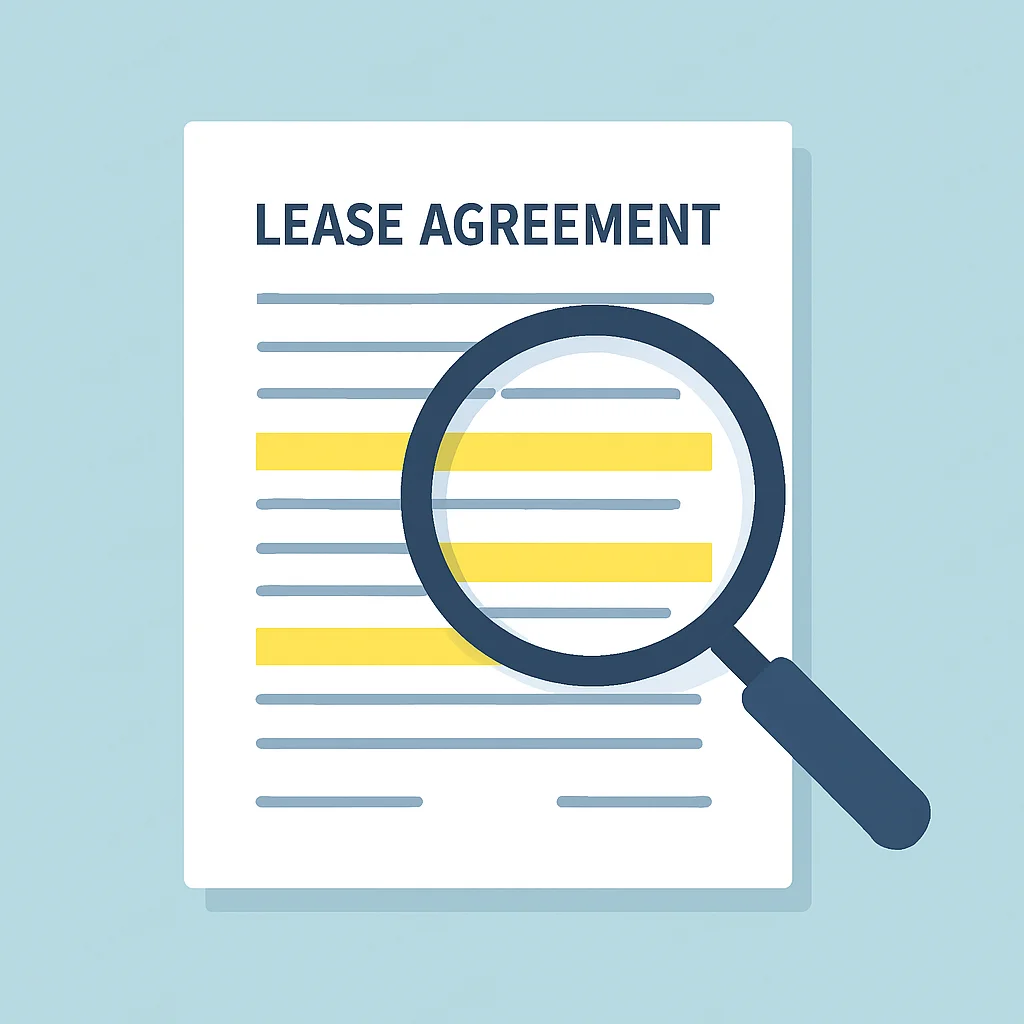
The lease agreement is the most crucial document in your renting journey. It is a legally binding contract between you and your landlord, outlining the terms and conditions of your tenancy. Always read it thoroughly before signing.
Types of Lease Agreements:
• Fixed-Term Lease: This is the most common type, typically lasting 6, 12, or 18 months. It specifies an end date, and neither party can terminate it early without cause or mutual agreement, usually with penalties. Rent cannot be raised during a fixed-term lease unless explicitly stated in the contract (e.g., for specific utility increases).
• Month-to-Month Lease: This agreement automatically renews each month until either party provides proper notice to terminate (typically 30 days, but can be up to 60 days in some states like California if you have lived there for over a year). Landlords can increase rent or change terms with proper notice, usually 30 days.
Key Clauses to Scrutinize:
• Rent Amount & Due Date: Clearly states the monthly rent, due date (e.g., 1st of the month), and acceptable payment methods. Look for grace periods (e.g., 3-5 days) and late fees (which must be reasonable, often 5-10% of rent, and not usurious).
• Utilities: Specifies which utilities are included in rent (e.g., water, trash) and which you are responsible for (e.g., electricity, gas, internet).
• Maintenance & Repairs: Outlines landlord’s responsibilities for structural integrity and essential services, and tenant’s for cleanliness and minor upkeep.
• Pet Policy: Details if pets are allowed, breed/weight restrictions, and any pet fees or deposits. A non-refundable pet fee is common, often $200-$500 per pet.
• Subletting: States whether you can sublet your unit and under what conditions. Most leases require landlord approval.
• Early Termination: Explains penalties for breaking the lease early, which can range from losing your security deposit to paying rent until a new tenant is found (often two months’ rent).
2. Security Deposits: Protecting Both Parties
A security deposit is money held by the landlord to cover potential damages beyond normal wear and tear, unpaid rent, or cleaning costs after you move out. It is not part of your regular rent payment.
Maximum Limits: Most states regulate how much a landlord can charge for a security deposit. For instance, in California, landlords can charge up to two months’ rent for an unfurnished unit and three months’ rent for a furnished unit. In New York, the limit is typically one month’s rent. Always check your state’s specific laws.
Return Timeline: Landlords are legally required to return your security deposit (or the remainder after deductions) within a specific timeframe after you move out. This varies by state:
• California: 21 calendar days
• New York: 14 days
• Texas: 30 days
• Florida: 15-30 days
If deductions are made, the landlord must provide an itemized statement explaining the charges. Keep thorough documentation (photos/videos) of the unit’s condition before moving in and after moving out to dispute unfair deductions.
WARNING
Never agree to a non-refundable security deposit. Security deposits are, by law, refundable. Landlords may try to label other fees (like pet fees or cleaning fees) as non-refundable, but the core security deposit remains refundable.
3. Rent Payments & Increases: Staying Current
Your primary responsibility as a tenant is to pay rent on time. Failure to do so is the most common reason for eviction.
Late Fees & Grace Periods: Most leases include a grace period (e.g., 3-5 days) before a late fee is applied. Late fees must be reasonable and explicitly stated in the lease. For example, in California, a late fee of 5% of the monthly rent is generally considered reasonable for a $2,000 apartment, meaning a $100 late fee. Some states, like New York, cap late fees at $50 or 5% of the monthly rent, whichever is less.
Rent Increases: Landlords cannot arbitrarily raise rent. For fixed-term leases, rent cannot be increased until the lease ends. For month-to-month tenancies, landlords must provide written notice, typically 30 days in advance if the increase is 10% or less. For increases exceeding 10% in a 12-month period, some states (like California) require 60 days’ notice. Rent control ordinances in cities like San Francisco, New York City, and Los Angeles can further restrict rent increases, often limiting them to a small percentage annually or only allowing them between tenants.
4. Repairs & Maintenance: The Implied Warranty of Habitability
Landlords have a legal obligation to maintain a habitable living environment. This is known as the “implied warranty of habitability.”
Landlord’s Responsibilities: This includes ensuring:
• Safe and sanitary conditions (e.g., pest control, waste disposal).
• Essential services (e.g., running water, heat, electricity, hot water).
• Structural soundness (e.g., safe floors, walls, roof).
• Working plumbing, heating, and electrical systems.
Tenant’s Responsibilities: You are generally responsible for:
• Keeping the unit clean and sanitary.
• Disposing of trash properly.
• Using plumbing and electrical fixtures properly.
• Not deliberately damaging the property.
Repair Process: If a serious issue arises, notify your landlord in writing immediately. Give them a reasonable timeframe to make repairs (e.g., 24-72 hours for emergencies like no heat in winter, 7-30 days for less urgent issues). If they fail to act, your options may include:
• Repair and Deduct: In some states (like California, limited to twice a year or up to one month’s rent), you can pay for repairs yourself and deduct the cost from your rent. This is a complex right and should only be exercised after careful consideration and legal advice.
• Withholding Rent: This is generally discouraged and can lead to eviction. Only do this if you have legal counsel and are placing the rent in an escrow account, showing good faith.
• Constructive Eviction: If the unit becomes uninhabitable, you might be able to move out without penalty, but this also requires careful legal consideration.

5. Privacy & Landlord Entry: Your Right to Quiet Enjoyment
Tenants have a right to “quiet enjoyment” of their rented property, meaning the landlord cannot interfere with your peaceful possession. This includes your right to privacy.
Notice Requirements: Landlords typically need to provide advance written notice before entering your unit. Common notice periods are:
• 24-48 hours: For routine inspections, non-emergency repairs, or showing the unit to prospective tenants/buyers. This is standard in many states, including California and New York.
• No notice (emergencies): In genuine emergencies (e.g., fire, gas leak, burst pipe), landlords can enter without prior notice to prevent further damage or ensure safety.
Legitimate Reasons for Entry:
• Making agreed-upon or necessary repairs/improvements.
• Showing the unit to prospective tenants or buyers (with notice).
• Inspecting the property (with notice).
• In case of abandonment.
• Court order.
If your landlord repeatedly enters without proper notice or for illegitimate reasons, you may have grounds to pursue legal action for harassment or breach of your right to quiet enjoyment.
6. Eviction Process: Understanding the Legal Steps
Eviction is a legal process by which a landlord removes a tenant from a rental property. It must follow strict legal procedures; landlords cannot simply lock you out or shut off utilities. Such actions are illegal “self-help” evictions.
Legal Grounds for Eviction:
• Failure to pay rent.
• Violation of lease terms (e.g., unauthorized pets, excessive noise).
• Causing significant damage to the property.
• Refusal to vacate after a fixed-term lease expires (in some cases).
• Owner move-in or substantial renovation (where permitted by rent control laws).
Notice to Vacate: The first step is always a written notice from the landlord. Types vary by reason:
• 3-Day Notice to Pay Rent or Quit: For unpaid rent. Gives you three days to pay or move out.
• 3-Day Notice to Cure or Quit: For lease violations. Gives you three days to fix the violation or move out.
• 3-Day Unconditional Quit Notice: For severe lease violations (e.g., illegal activity, repeated nuisances). You must move out with no opportunity to fix the issue.
• 30/60-Day Notice to Quit: For month-to-month tenancies or when a fixed-term lease is ending, with no cause required (unless rent control applies). In California, if you have lived in the unit for over a year, a 60-day notice is required.
After the notice period expires and you have not complied, the landlord can file an unlawful detainer (eviction) lawsuit in court.
CODE EXPLANATION
This represents a typical legal clause often found in state statutes regarding the required notice period for a landlord to enter a tenant’s dwelling unit for non-emergency purposes.
SECTION 1954. ENTRY BY LANDLORD.

(a) A landlord may enter the dwelling unit only in the following cases:
    (1) In case of emergency.
    (2) To make necessary or agreed repairs, decorations, alterations or improvements,
        supply necessary or agreed services, or exhibit the dwelling unit to prospective
        or actual purchasers, mortgagees, tenants, workers, or contractors.
    (3) When the tenant has abandoned or surrendered the premises.
    (4) Pursuant to court order.

(b) Except in cases of emergency or when the tenant has abandoned or surrendered the
    premises, entry may not be made without reasonable notice of at least 24 hours
    to the tenant. Oral notice may be given if it is reasonable under the circumstances.
    Notice shall specify the date, approximate time, and purpose of the entry.
7. Ending the Tenancy: Smooth Transitions
Whether your lease is ending or you need to move out early, proper procedure ensures a smooth transition and helps protect your security deposit.
Notice to Vacate: For month-to-month leases, you must provide written notice to your landlord, typically 30 days in advance (check your lease and local laws). For fixed-term leases, it is usually not necessary to give notice to terminate at the end of the term, as the lease automatically expires, but some leases may require it. If you plan to renew, discuss this well in advance, usually 60-90 days before expiration.
Move-Out Inspection: Request a pre-move-out inspection with your landlord a few weeks before you leave. This allows you to address any potential damages and avoid deductions from your security deposit. In California, tenants have a right to a pre-move-out inspection, usually within two weeks of the tenancy’s end, and receive an itemized list of proposed deductions.
Cleaning & Repairs: Leave the unit in the same condition as when you moved in, minus normal wear and tear. A thorough cleaning can prevent cleaning fees. Repair any tenant-caused damages.
REAL-WORLD EXAMPLES
Real-World Scenarios & Solutions
Theory is one thing; practical application is another. Here are a few common situations developers might encounter and how to navigate them.
PROBLEM 01
Security Deposit Withheld for “Excessive Cleaning”
After moving out of your apartment in San Francisco, your landlord sends you an itemized statement deducting $500 from your $3,000 security deposit for “excessive cleaning” and “repainting,” despite you having professionally cleaned the unit and only having normal wear and tear after a 2-year tenancy. California law limits deductions to actual damages beyond normal wear and tear.
SOLUTION — Document, Dispute, Demand
Your primary defense is documentation. Before moving in, you took photos and videos of the pristine condition. Before moving out, you did the same, showing normal wear and tear and proof of professional cleaning. You send a certified letter to your landlord, referencing California Civil Code Section 1950.5 (security deposit law) and attaching your evidence, disputing the deductions and demanding the full return of your deposit within the 21-day legal timeframe. If the landlord fails to comply, you can file a claim in small claims court, where you might even be awarded double or triple the wrongfully withheld amount, plus court costs, if the court finds the landlord acted in bad faith.
PROBLEM 02
Unresponsive Landlord for Essential Repairs
You live in Dallas, Texas, and your air conditioning unit stops working in July 2026, with temperatures consistently above 95°F. You have sent multiple emails and left voicemails over five days, but your landlord has not responded. Texas law requires landlords to make reasonable efforts to repair conditions that affect health and safety, typically within 7 days. AC is considered essential in Texas summers.
SOLUTION — Formal Notice and Legal Options
First, send a certified letter (or email with read receipt) to your landlord, explicitly stating the issue, the date it started, your previous attempts to contact them, and referencing your right to a habitable dwelling under Texas Property Code. Give them a final, reasonable deadline (e.g., 2-3 additional days for an AC emergency). If they still fail to respond, you could consider “repair and deduct” (though Texas law has specific limits, often $500 or one month’s rent), move out (constructive eviction), or sue the landlord in Justice Court for actual damages, punitive damages, and a civil penalty of one month’s rent plus $500. Always keep copies of all communications.
KEY POINT
Always communicate with your landlord in writing. This creates a paper trail that is invaluable if disputes arise and you need to present evidence in court.
CAVEATS & FAQ
Important Caveats & Legal Considerations
While this guide provides a solid foundation, it is crucial to acknowledge the complexities of landlord-tenant law. Here are some essential caveats:
State and Local Laws Vary Wildly: As emphasized, tenant rights are not uniform across the United States. Laws differ significantly from state to state, and even within cities (e.g., rent control ordinances). Always research the specific statutes in your jurisdiction. Websites like Nolo.com, official state housing authority sites, and local tenant’s rights organizations are excellent resources.
The Importance of Documentation: We cannot stress this enough. Keep copies of everything: your signed lease, all communications with your landlord (emails, certified letters, text messages), rent payment receipts, move-in/move-out checklists, and dated photos/videos of the property’s condition. This documentation is your strongest asset in any dispute.
Seek Legal Advice When Needed: For serious issues — such as eviction notices, significant disputes over security deposits, or concerns about landlord harassment — consult with a landlord-tenant attorney or a local legal aid society. Many organizations offer free or low-cost legal assistance to tenants. Acting without proper legal guidance can inadvertently harm your case.
Fair Housing Laws: Remember your rights under the Fair Housing Act, which prohibits discrimination based on race, color, national origin, religion, sex (including gender identity and sexual orientation), familial status, and disability. Some states and localities also protect against discrimination based on age, marital status, or source of income.

Frequently Asked Questions (FAQ)
Q. Can my landlord enter my apartment without telling me first?
No, generally landlords must provide advance notice (usually 24-48 hours) before entering, except in cases of genuine emergency (like a fire or burst pipe) or if the tenant has abandoned the property. Your lease agreement and local laws will specify the exact notice period.
Q. What is “normal wear and tear” regarding security deposits?
Normal wear and tear refers to the deterioration that occurs with the regular use of a property over time, such as minor scuffs on walls, faded paint, or worn carpet. It does not include damage caused by neglect, abuse, or accidents, like large holes in walls, broken windows, or excessive pet stains.
Q. My landlord hasn’t returned my security deposit within the legal timeframe. What should I do?
First, send a formal written demand letter (certified mail) to your landlord, referencing the specific state law and demanding the deposit’s return. If they still don’t comply, you can usually file a claim in small claims court. Many states allow for penalties against landlords who unlawfully withhold deposits, sometimes double or triple the amount.
Q. Can my landlord evict me for having a pet if my lease says “no pets”?
Yes, if your lease explicitly prohibits pets and you violate this term, your landlord can initiate an eviction process. They would typically issue a “Notice to Cure or Quit” giving you a chance to remove the pet or face eviction. However, this does not apply to emotional support animals or service animals, which are protected under federal fair housing laws.
WRAP-UP
Wrap-Up: Rent Smart, Live Secure
Navigating the complexities of tenant rights and responsibilities in 2026 can seem daunting, but armed with the right knowledge, you can protect your interests and ensure a stable, comfortable living situation. Remember these key takeaways:
• Read Your Lease Carefully: It is your foundational legal document. Understand every clause before you sign.
• Document Everything: From move-in condition to communication with your landlord, a paper trail is invaluable.
• Know Your Local Laws: State and city regulations are paramount. What is true in one state might not be in another.
• Communicate Respectfully, but Firmly: Most issues can be resolved with clear, written communication. Do not be afraid to assert your rights.
• Do not Hesitate to Seek Legal Help: For serious disputes, a legal professional can provide crucial guidance.
As developers, we value robust systems and clear documentation. Apply that same rigor to your rental agreement. By doing so, you are not just renting a space; you are investing in your peace of mind and financial security. Happy renting!

Thanks for reading!
We hope this guide empowers you to navigate your rental journey with confidence. Your home is your sanctuary, and understanding your rights helps keep it that way.
Got feedback or questions? Drop a comment below! Visit Kwonglish.com for more practical guides.