
SUMMARY
Healthy Eating for Developers: Quick Meal Prep & Nutrition Tips in 2026
Fuel your brain and body with practical healthy eating habits and easy meal prep strategies designed for busy developers to boost focus and energy.
Keywords: healthy eating, developer diet, meal prep
TABLE OF CONTENTS
1. Why Healthy Eating Matters for Developers
2. The Developer’s Nutritional Blueprint
3. Mastering Meal Prep for Maximum Efficiency
4. Quick & Brain-Boosting Meal Ideas
5. Smart Snacking for Sustained Focus
6. Hydration: Your Brain’s Best Friend
7. Real-World Developer Diet Scenarios
8. Common Pitfalls & How to Avoid Them
9. Frequently Asked Questions
10. Fueling Your Future: A Kwonglish Wrap-Up
OVERVIEW
1. Why Healthy Eating Matters for Developers
As developers, we spend countless hours in front of screens, deeply engrossed in complex problem-solving and intricate coding. While the mental demands are immense, the physical demands often involve prolonged periods of sitting and reduced physical activity. This unique lifestyle can lead to a host of health challenges if not managed proactively. In 2026, the pace of tech innovation is faster than ever, and so is the need for sustained mental clarity and physical well-being.
Many developers fall into the trap of convenient, unhealthy eating habits: quick takeout, sugary energy drinks, and processed snacks. These choices might offer a temporary boost, but they inevitably lead to energy crashes, brain fog, and long-term health issues like weight gain, cardiovascular problems, and even increased risk of type 2 diabetes. A staggering 60% of office workers, including a significant portion of the tech industry, report relying on convenience foods multiple times a week, according to a 2025 survey on workplace nutrition.
The good news is that fueling your body and brain with the right nutrients can dramatically improve your performance, mood, and overall health. Think of your body as the most sophisticated machine you’ll ever work with – it needs premium fuel to run efficiently, especially when performing high-intensity mental tasks like debugging complex algorithms or designing scalable architectures. Research from the Journal of Cognitive Neuroscience in late 2025 indicated that individuals consuming a diet rich in whole foods, lean proteins, and healthy fats showed a 25-30% improvement in problem-solving speed and sustained attention compared to those with a diet high in processed foods and refined sugars.
This guide from Kwonglish is designed to equip you with practical, actionable strategies for healthy eating and meal prep, specifically tailored for the busy developer lifestyle. Our goal is to help you optimize your diet for sustained energy, improved focus, better mood, and long-term health, ensuring you’re not just coding efficiently, but living well too. Let’s make 2026 the year you hack your health!
KEY POINT
Optimizing your diet is not just about physical health; it directly impacts your cognitive function, productivity, and ability to handle the mental demands of a developer’s role. Treat your body like the high-performance machine it is.
CORE GUIDE
2. The Developer’s Nutritional Blueprint
Understanding the basics of nutrition is your first step to building a sustainable healthy eating plan. Forget fad diets; focus on a balanced intake of macronutrients (protein, carbohydrates, fats) and a rich variety of micronutrients (vitamins and minerals). This blueprint will ensure your brain and body have all the tools they need to perform at their peak.
Macronutrients: The Big Three
These are the nutrients your body needs in large amounts to provide energy and build/repair tissues.
Protein: The Building Block
Protein is crucial for muscle repair, satiety, and providing a steady release of energy, preventing those dreaded mid-afternoon slumps. Aim for 1.2 to 1.6 grams of protein per kilogram of body weight daily, spread across your meals. For a 70kg (154lb) developer, that’s roughly 84-112g of protein. Excellent sources include:
- Lean Meats: Chicken breast, turkey, lean beef (e.g., 25g protein in 100g chicken).
- Fish: Salmon, tuna, cod (rich in Omega-3s too!).
- Eggs: A versatile and complete protein source (6g per large egg).
- Legumes: Lentils, chickpeas, black beans (plant-based powerhouses).
- Dairy/Alternatives: Greek yogurt (15-20g per serving), cottage cheese, tofu, tempeh.
Complex Carbohydrates: Sustained Brain Fuel
Forget simple sugars that cause energy spikes and crashes. Complex carbohydrates are your brain’s preferred fuel source, offering sustained energy release vital for long coding sessions. They should make up about 45-65% of your daily caloric intake. Good choices include:
- Whole Grains: Oats, quinoa, brown rice, whole-wheat bread/pasta.
- Starchy Vegetables: Sweet potatoes, butternut squash, corn.
- Fruits: Berries, apples, bananas (also packed with vitamins).
Healthy Fats: Brain Health & Hormones
Healthy fats are essential for brain function, hormone production, and nutrient absorption. They also contribute to satiety. Aim for 20-35% of your daily calories from healthy fat sources, focusing on unsaturated fats:
- Avocados: Monounsaturated fats, fiber.
- Nuts & Seeds: Almonds, walnuts, chia seeds, flax seeds (Omega-3s).
- Olive Oil: Extra virgin olive oil for cooking and dressings.
- Fatty Fish: Salmon, mackerel, sardines (excellent source of EPA and DHA Omega-3s).
Micronutrients: The Unsung Heroes
While needed in smaller quantities, vitamins and minerals are vital for countless bodily functions, including energy production, immune support, and cognitive processes. A diverse diet rich in fruits and vegetables is the best way to ensure you’re getting enough.
- B Vitamins: Crucial for energy metabolism and brain health. Found in whole grains, leafy greens, eggs, and lean meats.
- Vitamin C: Immune support and antioxidant. Abundant in citrus fruits, bell peppers, broccoli.
- Vitamin D: Bone health, mood, and immune function. Sunlight exposure and fatty fish are key sources.
- Magnesium: Involved in over 300 biochemical reactions, including muscle and nerve function, blood glucose control, and blood pressure regulation. Found in leafy greens, nuts, seeds, and whole grains.
- Zinc: Immune function, cell growth, and wound healing. Found in red meat, poultry, beans, nuts.
- Iron: Essential for oxygen transport in the blood. Found in red meat, spinach, lentils.
KEY POINT
A balanced intake of protein, complex carbs, and healthy fats, alongside a rich spectrum of vitamins and minerals from diverse whole foods, is the foundation for optimal developer performance and long-term health. Prioritize quality over quantity.
CORE GUIDE
3. Mastering Meal Prep for Maximum Efficiency
Meal prep is a game-changer for busy developers. It eliminates decision fatigue, saves time during hectic weekdays, and ensures you always have healthy options readily available. Think of it as writing efficient code for your diet – planning ahead reduces bugs (unhealthy choices) and improves performance (consistent nutrition). Studies show that individuals who meal prep at least once a week save an average of 4-6 hours in cooking time during the week and are 40% less likely to order takeout.
Strategy 1: Batch Cooking Staples
Dedicate 2-3 hours on a weekend to cook large quantities of versatile ingredients that can be mixed and matched throughout the week. This is the cornerstone of efficient meal prep.
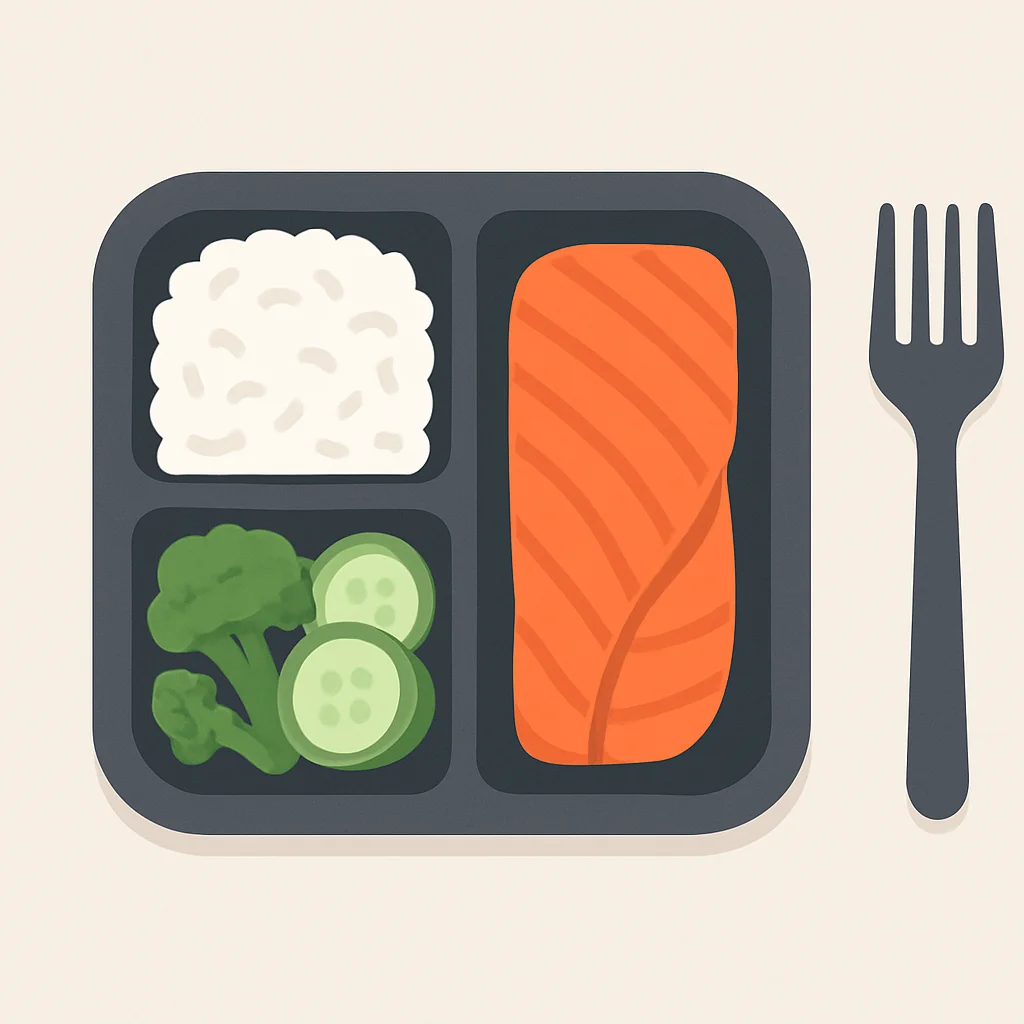
- Grains: Cook a big batch of quinoa, brown rice, or whole-wheat pasta. These can last 4-5 days in the fridge.
- Proteins: Roast a whole chicken, grill several chicken breasts, cook a large pot of lentils or chickpeas, or hard-boil a dozen eggs.
- Roasted Vegetables: Chop and roast a variety of vegetables like broccoli, sweet potatoes, bell peppers, and zucchini. Toss with olive oil and your favorite herbs.
Strategy 2: Component Prep
Even if you don’t cook full meals, preparing individual components can drastically cut down weekday cooking time.
- Wash & Chop: Wash and chop all your vegetables for the week (e.g., salad greens, onions, carrots, celery). Store them in airtight containers.
- Make Dressings/Sauces: Prepare your own salad dressings or marinades. They often taste better and contain fewer unhealthy additives than store-bought versions.
- Portion Snacks: Divide nuts, seeds, or fruit into individual serving bags or containers.
Strategy 3: Freezer-Friendly Meals
When you cook, make extra and freeze individual portions. This is perfect for those days when you have zero time or energy to cook.
- Stews & Chili: Hearty and freeze well.
- Soups: A lifesaver for quick, nutritious lunches.
- Burrito Bowls: Assemble components and freeze separately, or freeze fully assembled bowls (minus fresh toppings).
Essential Tools for Meal Prep
Investing in a few key items can make meal prep much easier:
- Airtight Containers: Glass containers are preferred as they are microwave-safe and don’t stain. Invest in a set with various sizes (e.g., 5-7 containers for daily lunches).
- Slow Cooker/Instant Pot: Perfect for hands-off cooking of proteins and stews.
- High-Quality Knives & Cutting Board: Makes chopping vegetables a breeze.
- Food Scale: Helps with portion control, especially for proteins and grains.
A Typical Meal Prep Day (Sunday Example)
- Morning (1 hour): Grocery shopping with a pre-planned list. Focus on fresh produce, lean proteins, and whole grains.
- Early Afternoon (2-3 hours):
- Start cooking grains (e.g., 2 cups dry quinoa in a rice cooker).
- While grains cook, chop vegetables for roasting and salads.
- Roast chicken breasts and chopped veggies on two separate sheet pans.
- Hard-boil a dozen eggs.
- Prepare a large salad dressing or hummus.
- Late Afternoon (30 minutes): Once cooled, portion out meals into individual containers for the next 3-4 days. Store remaining components separately for flexibility.
KEY POINT
An investment of 2-4 hours on a weekend for meal prep can save you significant time, stress, and money during the week, ensuring you consistently eat healthy without constant effort. Consistency is more important than perfection.
CORE GUIDE
4. Quick & Brain-Boosting Meal Ideas
Now that you’re armed with meal prep strategies, let’s explore some delicious and easy meal ideas that are perfect for a developer’s busy schedule. These recipes prioritize whole ingredients, balanced nutrition, and minimal cooking time when prepared from prepped components.
Breakfast: Kickstarting Your Day
A good breakfast sets the tone for your day, providing stable energy for your morning coding sprint.
- Overnight Oats (5 mins prep): Combine 1/2 cup rolled oats, 1 cup milk (dairy or non-dairy), 1 tbsp chia seeds, and a handful of berries in a jar. Refrigerate overnight. In the morning, add a scoop of protein powder or a few nuts.
- Scrambled Eggs with Spinach (10 mins): Whisk 2-3 eggs with a splash of milk, salt, and pepper. Sauté a handful of spinach in a pan, then add eggs and scramble until cooked. Serve with a slice of whole-wheat toast.
- Greek Yogurt Bowl (2 mins): A cup of plain Greek yogurt (high in protein) topped with mixed berries, a sprinkle of granola, and a drizzle of honey.
Lunch: Sustained Energy for Afternoon Focus
Lunch is critical for avoiding the afternoon slump. These options are great for packing and taking to the office.
- Quinoa Salad with Roasted Chicken & Veggies (5 mins assembly from prep): Combine 1 cup pre-cooked quinoa, 4 oz pre-cooked roasted chicken, 1 cup pre-roasted mixed vegetables (broccoli, bell peppers), and a simple lemon-tahini dressing.
- Lentil Soup (Batch cooked): A hearty, fiber-rich soup made with lentils, carrots, celery, and vegetable broth. Make a large batch on the weekend and freeze individual portions. Reheat in the microwave.
- Loaded Hummus & Veggie Wrap (10 mins): Spread 2 tbsp hummus on a whole-wheat tortilla. Layer with pre-chopped cucumber, carrots, bell peppers, spinach, and a sprinkle of feta cheese or roasted chickpeas. Roll up and enjoy.
Dinner: Nourishing After a Long Day
Dinner should be satisfying and restorative, without requiring extensive cooking after a mentally taxing day.
- Sheet Pan Salmon & Asparagus (20-25 mins): Toss asparagus spears with olive oil, salt, and pepper. Place on a sheet pan with salmon fillets (seasoned with lemon and dill). Roast at 400°F (200°C) for 15-20 minutes. Serve with pre-cooked brown rice.
- Quick Chicken Stir-fry (15 mins): Sauté pre-sliced chicken breast or tofu in a wok or large pan. Add pre-chopped stir-fry vegetables (broccoli, carrots, snap peas). Toss with a simple sauce made from soy sauce (low sodium), ginger, and a touch of honey. Serve over pre-cooked quinoa.
- Black Bean Burgers (20 mins): Use store-bought or homemade black bean patties. Serve on a whole-wheat bun or lettuce wrap with avocado, tomato, and onion. Pair with a side salad.
Coding Your Meal Plan (Illustrative Example)
While you won’t literally code your meals, thinking programmatically about your weekly nutrition can be helpful. Here’s a conceptual Python-like structure to plan your meals, ensuring variety and balance.
CODE EXPLANATION
This conceptual Python code demonstrates how you might structure a simple meal planning logic. It defines meal types, prepped components, and then iterates through days to assign meals, prioritizing variety and utilizing pre-cooked items. It’s a fun way to think about systematic meal planning.
# Conceptual Python for Meal Planning (2026)

class MealPlanner:
    def __init__(self):
        self.prepped_proteins = ["Roasted Chicken", "Lentils", "Hard-boiled Eggs"]
        self.prepped_grains = ["Quinoa", "Brown Rice", "Whole-wheat Pasta"]
        self.prepped_veggies = ["Roasted Broccoli", "Mixed Greens", "Chopped Bell Peppers"]
        self.meal_templates = {
            "Breakfast": ["Overnight Oats", "Scrambled Eggs", "Greek Yogurt Bowl"],
            "Lunch": ["Quinoa Salad", "Lentil Soup", "Hummus Wrap"],
            "Dinner": ["Sheet Pan Salmon", "Chicken Stir-fry", "Black Bean Burger"]
        }
        self.daily_plan = {}

    def generate_weekly_plan(self):
        days_of_week = ["Monday", "Tuesday", "Wednesday", "Thursday", "Friday", "Saturday", "Sunday"]

        for day in days_of_week:
            self.daily_plan[day] = {
                "Breakfast": self.get_random_meal("Breakfast"),
                "Lunch": self.get_random_meal("Lunch"),
                "Dinner": self.get_random_meal("Dinner")
            }
            # Add logic to incorporate prepped components
            if "Quinoa Salad" in self.daily_plan[day]["Lunch"]:
                self.daily_plan[day]["Lunch"] += f" (with {self.prepped_proteins[0]} & {self.prepped_veggies[0]})"

        return self.daily_plan

    def get_random_meal(self, meal_type):
        import random
        return random.choice(self.meal_templates[meal_type])

# --- Execution ---
planner = MealPlanner()
weekly_menu = planner.generate_weekly_plan()

for day, meals in weekly_menu.items():
    print(f"--- {day} ---")
    for meal_type, dish in meals.items():
        print(f"  {meal_type}: {dish}")
    print("\n")

# Example Output (will vary due to random.choice):
# --- Monday ---
#   Breakfast: Overnight Oats
#   Lunch: Quinoa Salad (with Roasted Chicken & Roasted Broccoli)
#   Dinner: Sheet Pan Salmon
#
# --- Tuesday ---
#   Breakfast: Scrambled Eggs
#   Lunch: Lentil Soup
#   Dinner: Chicken Stir-fry
# ...
KEY POINT
Focus on recipes that use whole, unprocessed ingredients and can be easily scaled for meal prep. A diverse range of meals keeps things interesting and ensures a broader spectrum of nutrients.
CORE GUIDE
5. Smart Snacking for Sustained Focus
Snacking can be either your best friend or your worst enemy. For developers, a well-chosen snack can bridge hunger between meals, stabilize blood sugar, and provide a gentle energy boost without the crash associated with sugary treats. The key is to choose snacks that are nutrient-dense and provide a good balance of protein, healthy fats, and fiber. Avoid the vending machine trap and its empty calories.
Healthy Snack Powerhouses
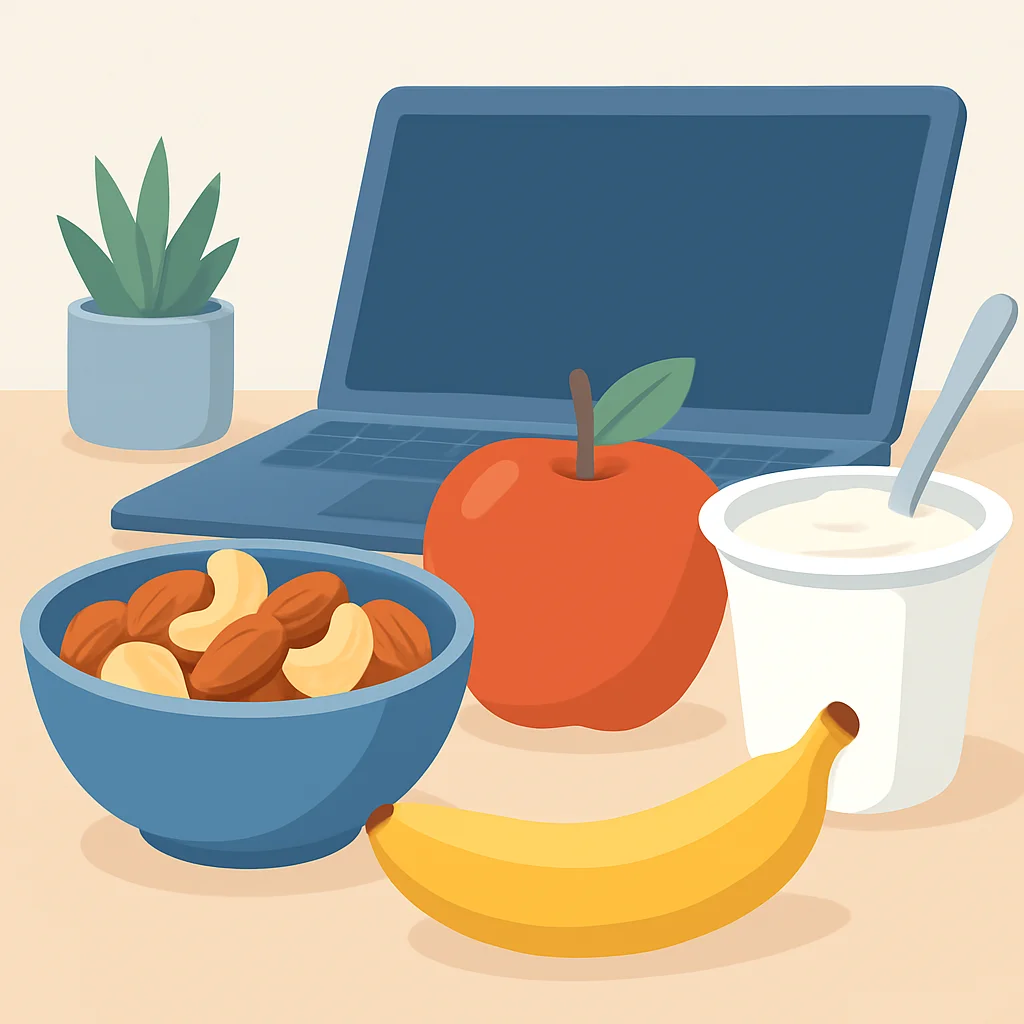
- Nuts & Seeds: Almonds, walnuts, cashews, pumpkin seeds, sunflower seeds. These are packed with healthy fats, protein, and fiber. Walnuts, in particular, are rich in Omega-3s, excellent for brain health. Portion control is key: a small handful (about 1/4 cup or 30g) is sufficient.
- Greek Yogurt: High in protein, which promotes satiety. Choose plain, unsweetened varieties and add your own fruit (berries are great for antioxidants) or a sprinkle of chia seeds.
- Fruit: Apples, bananas, oranges, berries. Fruits provide natural sugars for quick energy, plus fiber and vitamins. Pair with a source of protein or fat (e.g., an apple with a tablespoon of peanut butter) to slow sugar absorption and maintain stable energy.
- Vegetable Sticks with Hummus: Carrots, celery, bell peppers, cucumber. Hummus provides protein and fiber, making this a satisfying and low-calorie snack.
- Hard-boiled Eggs: A perfect portable protein source. Keep a few pre-boiled in the fridge for a quick grab-and-go option. Each egg offers about 6g of protein.
- Cottage Cheese: Another excellent protein-rich dairy option. Pair with fruit or a few cherry tomatoes.
- Edamame: Steamed edamame pods are a fun, fiber-rich, and protein-packed snack.
Snacks to Avoid (or Limit Strictly)
These often lead to energy crashes and provide minimal nutritional value.
- Sugary Drinks: Sodas, sweetened fruit juices, most energy drinks. These cause rapid blood sugar spikes and subsequent crashes.
- Candy Bars & Pastries: High in refined sugars and unhealthy fats.
- Chips & Processed Crackers: Often high in sodium, unhealthy fats, and refined carbohydrates, leading to short-lived satiety.
- Instant Noodles: Typically low in nutrients and high in sodium and unhealthy fats.
The Power of Pre-Portioning
One of the biggest challenges with snacks like nuts or trail mix is overeating. Pre-portioning your snacks into small containers or bags at the beginning of the week can help you stick to appropriate serving sizes and avoid mindless munching while coding.
KEY POINT
Choose snacks that offer a balanced mix of protein, fiber, and healthy fats to maintain stable energy levels and focus. Pre-portioning is your secret weapon against overeating.
CORE GUIDE
6. Hydration: Your Brain’s Best Friend
Often overlooked, proper hydration is absolutely fundamental to cognitive function and overall well-being. Even mild dehydration (a 1-2% drop in body water) can significantly impair concentration, memory, and mood – precisely what a developer cannot afford. Imagine your brain trying to compile complex code without enough RAM; that’s what dehydration does to your mental processes.
The Impact of Dehydration on Developers
Studies consistently show that inadequate fluid intake leads to:
- Reduced Cognitive Performance: Slower reaction times, difficulty concentrating, and impaired short-term memory.
- Fatigue & Low Energy: Your body works harder when dehydrated, leading to physical and mental tiredness.
- Headaches & Irritability: Common symptoms that can derail your focus.
- Digestive Issues: Constipation and other problems can arise without enough water.
How Much Water Do You Really Need?
General recommendations suggest around 2.5 to 3.5 liters (approximately 80-120 ounces) of water per day for adults. However, individual needs can vary based on activity level, climate, and body size. A good rule of thumb is to check your urine color – it should be a pale yellow. Darker urine indicates you need to drink more.
Practical Hydration Tips for Developers
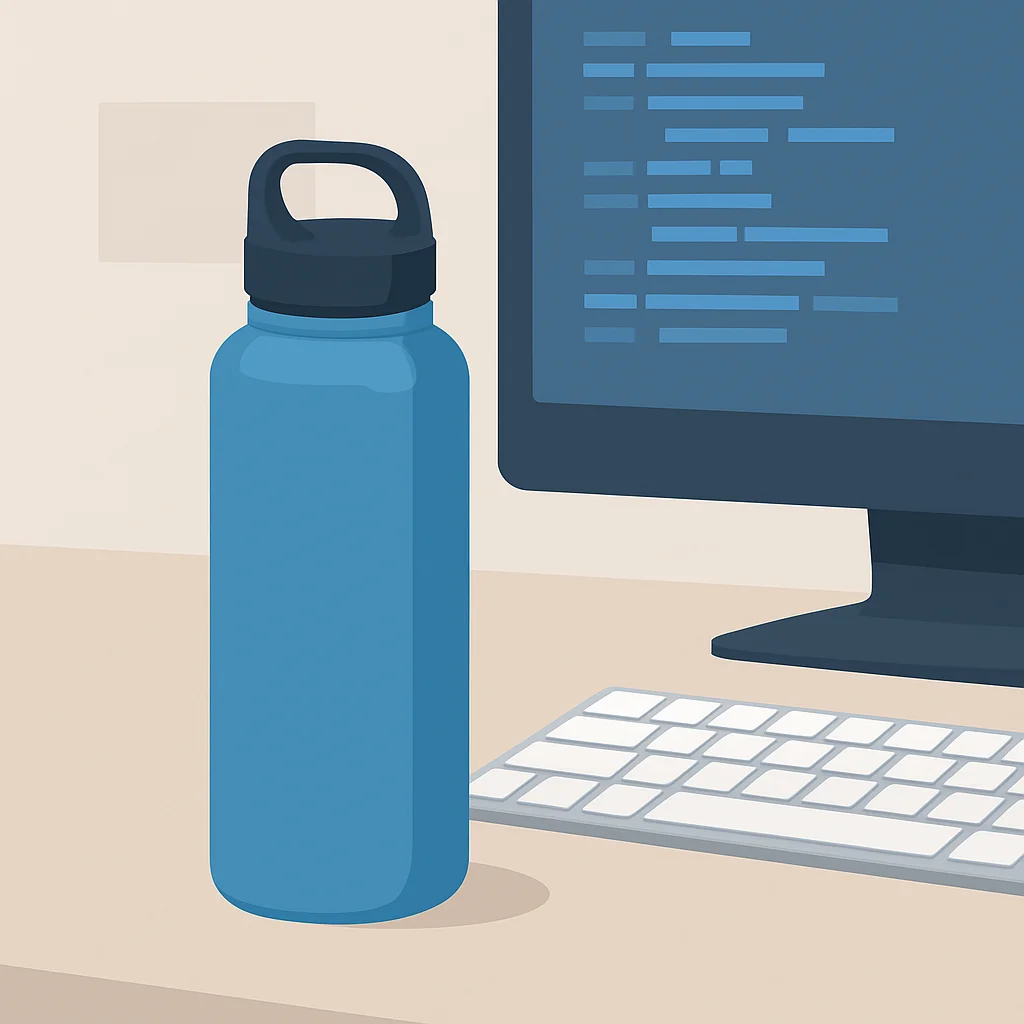
- Keep a Water Bottle Handy: Place a large (e.g., 1-liter) reusable water bottle on your desk and refill it throughout the day. This visual cue is incredibly effective. Aim to drink 2-3 of these bottles during your workday.
- Set Reminders: Use a simple timer or a hydration app on your phone or smartwatch to remind you to take sips every 30-60 minutes.
- Infused Water: If plain water is boring, add slices of cucumber, lemon, lime, mint, or berries to infuse flavor naturally.
- Herbal Teas: Unsweetened herbal teas (e.g., peppermint, chamomile, ginger) count towards your daily fluid intake and can be a soothing alternative to plain water.
- Hydrating Foods: Many fruits and vegetables have high water content (e.g., watermelon, cucumber, strawberries, oranges). Incorporate these into your diet.
What to Limit for Better Hydration
- Excessive Caffeine: While a morning coffee is fine, overdoing it can have a diuretic effect. Limit coffee to 1-2 cups and switch to water or herbal tea afterward.
- Sugary Drinks: As mentioned, these provide empty calories and can contribute to energy crashes.
- Alcohol: A significant dehydrator. Keep consumption moderate, especially during the work week.
KEY POINT
Hydration is non-negotiable for peak cognitive function. Aim for 2.5-3.5 liters of water daily, keep a bottle visible, and choose hydrating foods to keep your brain firing on all cylinders.
REAL-WORLD EXAMPLES
7. Real-World Developer Diet Scenarios
Every developer’s schedule and circumstances are unique. Let’s look at a few common scenarios and how you can apply these healthy eating principles effectively, even when life throws a wrench in your perfectly planned week.
Scenario 1: The “Always On Call” Developer
You’re often pulled into urgent tasks, working irregular hours, and sometimes even through meal times. Planning is almost impossible on a day-to-day basis.
The Challenge
Unpredictable schedule, minimal time for cooking, high stress levels leading to poor food choices.
The Solution
Emergency Freezer Meals — Always have 3-5 pre-portioned, healthy meals in your freezer (e.g., lentil stew, chicken chili, pre-made burritos). They can be microwaved in minutes.
Protein Shakes/Smoothies — Keep protein powder, frozen fruit, and spinach on hand. A quick blend provides a nutrient-dense meal replacement when time is extremely short. Takes less than 5 minutes to prepare.
Pre-Chopped Veggies & Hummus — Stock your fridge with ready-to-eat veggie sticks and a tub of hummus. Great for quick, healthy snacks or a side dish.
Scenario 2: The “Budget-Conscious” Coder
You’re trying to save money, and healthy eating often seems more expensive than cheap fast food.
The Challenge
Perception that healthy food is expensive; temptation of cheap, unhealthy options.
The Solution
Bulk Buying Staples — Purchase grains (oats, brown rice, pasta), legumes (dried beans, lentils), and frozen vegetables in bulk. They are significantly cheaper per serving. Savings can be 30-50% compared to smaller packages.
Cooking from Scratch — Preparing meals like chili, soups, or curries from basic ingredients is far more cost-effective than buying pre-made. A large batch of lentil soup can cost less than $10 and provide 6-8 servings, averaging $1.25-$1.60 per meal.
Seasonal Produce — Buy fruits and vegetables when they are in season; they are cheaper and often taste better. Check local farmers’ markets for deals.
Meal Planning — A clear meal plan and grocery list prevent impulse buys and food waste, which saves money. By avoiding 3 takeout meals a week at $15 each, you save $45, totaling over $2,300 annually.
Scenario 3: The “Office Warrior” (Dealing with office perks)
Your office provides free snacks, sugary drinks, and catered lunches, making it incredibly tempting to indulge.
The Challenge
Constant temptation from readily available, often unhealthy, free food and drinks.
The Solution
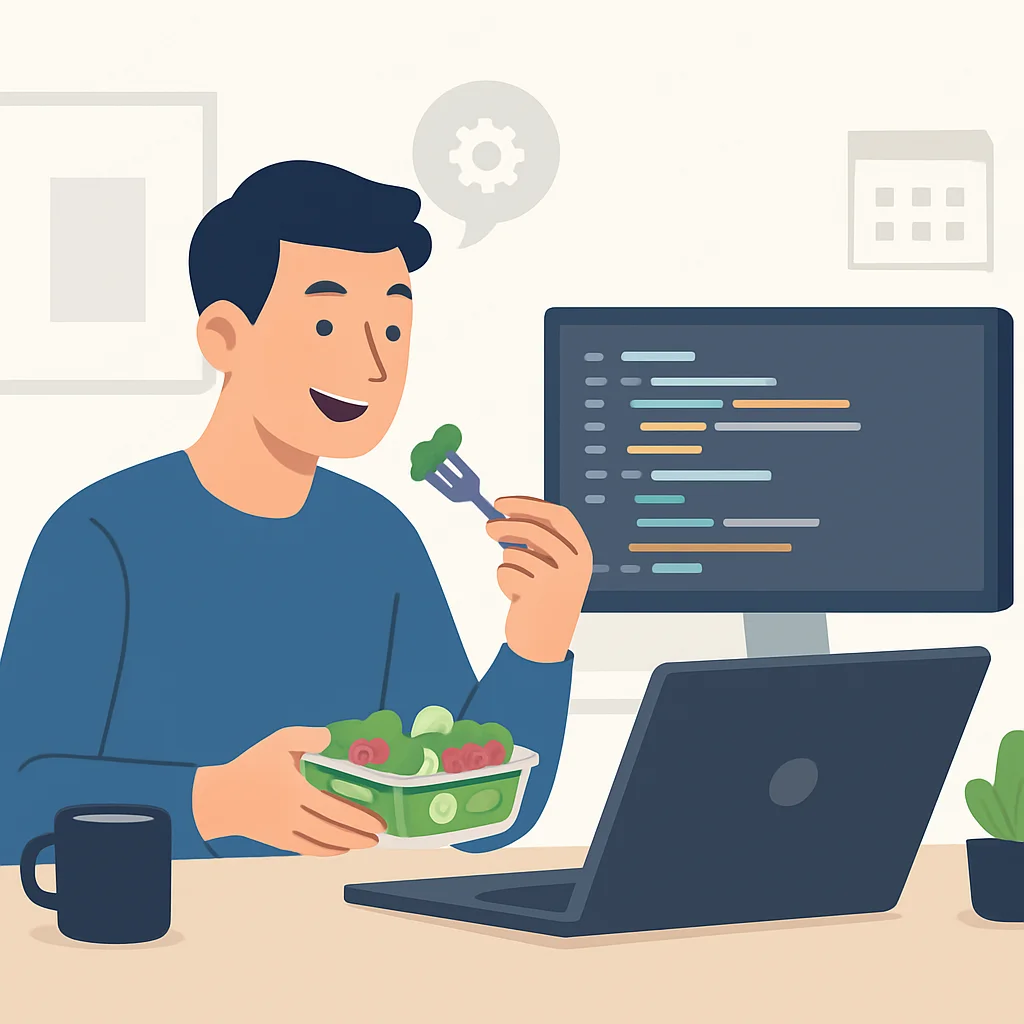
Bring Your Own Snacks — Always have your healthy, pre-portioned snacks (nuts, fruit, yogurt) at your desk. This reduces the likelihood of reaching for the free cookies when hunger strikes.
Choose Wisely from Offerings — If catered lunch is available, prioritize lean proteins (chicken, fish), vegetables, and whole grains. Avoid creamy sauces, fried items, and excessive bread. Aim to fill half your plate with vegetables.
Hydrate with Water — Stick to water, sparkling water, or unsweetened tea from the office fridge, rather than sodas or juices. You can save hundreds of empty calories per week by making this simple switch.
KEY POINT
Tailor your healthy eating strategies to your specific challenges. Whether it’s unpredictability, budget constraints, or office temptations, a proactive and flexible approach will always yield better results.
CAVEATS
8. Common Pitfalls & How to Avoid Them
Even with the best intentions, it’s easy to stumble into common traps that undermine healthy eating efforts. Recognizing these pitfalls and having strategies to overcome them is crucial for long-term success. Remember, consistency beats perfection.
Pitfall 1: Skipping Meals
You’re deep in the zone, solving a critical bug, and suddenly it’s 3 PM and you haven’t eaten since breakfast. Skipping meals often leads to extreme hunger later, resulting in overeating, poor food choices, and rapid blood sugar fluctuations.
WARNING
Skipping meals can severely disrupt your metabolism, leading to energy crashes, reduced cognitive function, and increased cravings for unhealthy, high-calorie foods later in the day. It’s counterproductive for both health and productivity.
Solution: Implement strict meal prep. Have pre-portioned meals and snacks ready to grab. Set a non-negotiable lunch break (even if it’s just 20 minutes). If you absolutely cannot step away, have a healthy liquid meal (like a protein smoothie) or a substantial snack (nuts, fruit, hard-boiled eggs) at your desk.
Pitfall 2: Excessive Caffeine & Energy Drinks
The allure of an instant energy boost is strong, especially during late-night coding sessions. However, relying too heavily on caffeine and sugary energy drinks creates a vicious cycle of artificial highs followed by severe crashes, anxiety, and disrupted sleep patterns.
Solution: Hydrate primarily with water. Limit coffee to 1-2 cups in the morning. If you need an afternoon boost, try herbal tea, a brisk 10-minute walk, or a healthy snack. Prioritize quality sleep to reduce the need for artificial stimulants. Caffeine intake above 400mg per day (roughly 4 cups of coffee) can lead to jitters, insomnia, and digestive issues.
Pitfall 3: Late-Night Snacking & Overeating
After a long day of coding, it’s easy to mindlessly snack while unwinding or continue working late. Eating heavy or sugary foods close to bedtime can lead to poor sleep quality, indigestion, and weight gain.
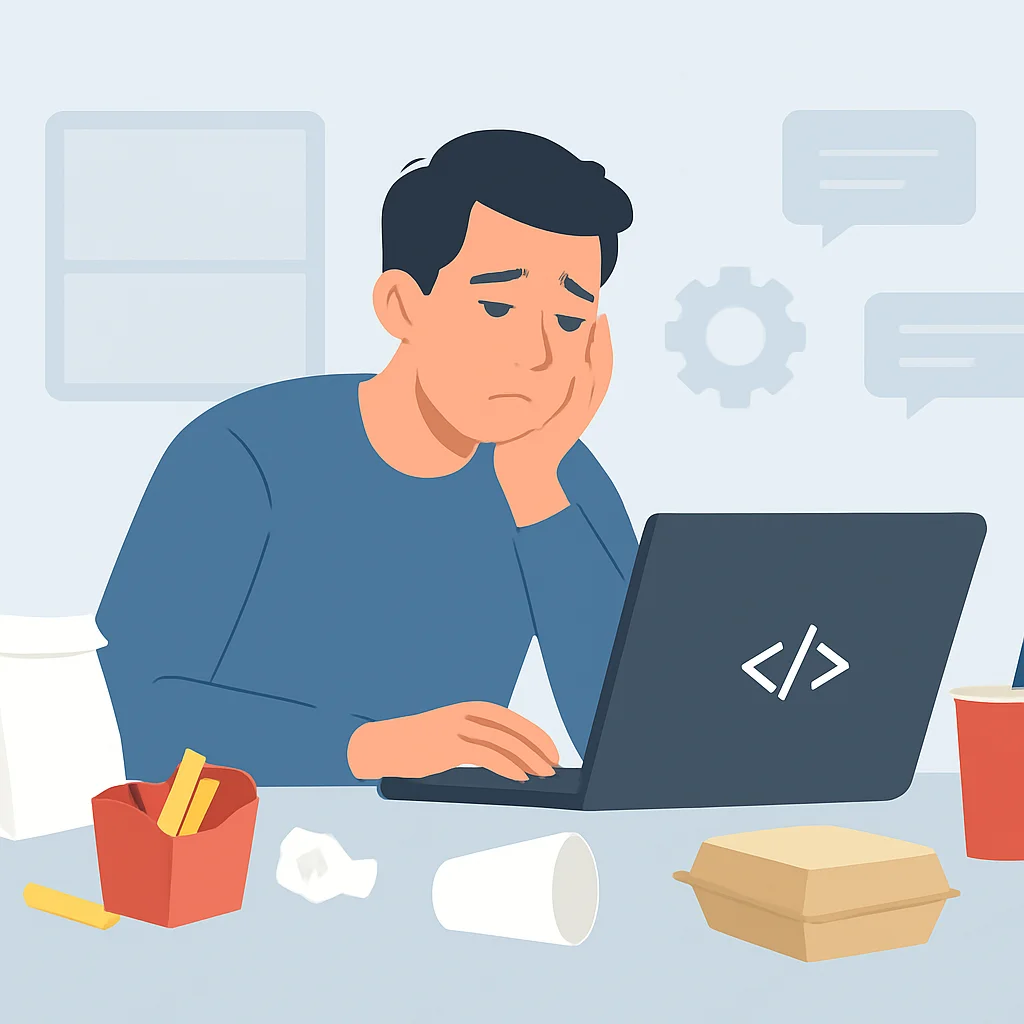
Solution: Establish a “kitchen closed” time, typically 2-3 hours before bed. If you genuinely feel hungry, opt for small, light, protein-rich snacks like a handful of almonds, a small Greek yogurt, or a piece of fruit. Ensure your dinner is satisfying and balanced to prevent excessive hunger later. Practice mindful eating – pay attention to your hunger cues and stop when satisfied, rather than eating out of boredom or habit.
KEY POINT
Be aware of common pitfalls like meal skipping, over-reliance on stimulants, and late-night eating. Proactive planning and mindful habits are your best defense against these productivity and health drains.
Frequently Asked Questions
Q. How much water should a developer drink daily?
A. General recommendations suggest 2.5 to 3.5 liters (80-120 ounces) of water per day for adults. Keep a large water bottle at your desk and aim to refill it several times throughout your workday to ensure consistent hydration.
Q. What are quick, healthy breakfast options for busy mornings?
A. Overnight oats (prepared the night before), scrambled eggs with spinach (10 minutes), or a Greek yogurt bowl with berries and nuts (2 minutes) are excellent, nutrient-dense choices that require minimal morning effort.
Q. Is it okay to skip meals if I’m too busy coding?
A. No, skipping meals is detrimental to both your health and productivity. It leads to energy crashes, brain fog, and increases the likelihood of overeating unhealthy foods later. Prioritize meal prep to always have quick, healthy options available.
Q. What’s the best way to deal with unhealthy office snacks?
A. Bring your own healthy, pre-portioned snacks (nuts, fruit, veggie sticks) to your desk. If choosing from office offerings, prioritize fresh fruit, yogurt, or whole-grain options, and consciously limit processed items and sugary drinks.
Q. How can I make healthy eating budget-friendly?
A. Focus on buying staples in bulk (grains, legumes), cooking from scratch, and purchasing seasonal produce. Meal planning and grocery lists prevent impulse buys and food waste, potentially saving $50-$100 per week compared to frequent takeout.
WRAP-UP
9. Fueling Your Future: A Kwonglish Wrap-Up
Congratulations! You’ve just navigated a comprehensive guide to healthy eating and meal prep, specifically designed for the demanding life of a developer in 2026. We’ve covered the crucial link between nutrition and cognitive function, broken down the essential components of a balanced diet, and explored practical strategies to make healthy choices effortless.
Remember, your brain is your most valuable asset as a developer. Just as you wouldn’t run a high-performance server on faulty power, you shouldn’t expect your brain to perform optimally on junk food. By making conscious, consistent efforts towards better nutrition, you’re not just improving your physical health; you’re investing in sharper focus, sustained energy, enhanced problem-solving abilities, and greater longevity in your career and life.
Start small. Choose one or two tips from this guide and integrate them into your routine this week. Perhaps it’s committing to a simple meal prep on Sunday, swapping sugary drinks for water, or planning healthy snacks. Even minor adjustments can yield significant benefits over time. Your code is only as good as the fuel you give your brain.
Your Healthy Developer Checklist for 2026
☑ Understand macronutrients (protein, complex carbs, healthy fats) and micronutrients.
☑ Dedicate 2-4 hours to meal prep on a weekend.
☑ Plan quick, balanced meals for breakfast, lunch, and dinner.
☑ Pre-portion healthy snacks like nuts, fruit, and veggie sticks.
☑ Drink 2.5-3.5 liters of water daily; keep a water bottle visible.
☑ Avoid skipping meals and excessive reliance on caffeine.
☑ Adapt strategies to your specific work environment and budget.
KEY POINT
Small, consistent efforts in healthy eating lead to significant improvements in your energy, focus, and overall well-being, making you a more effective and resilient developer.
Thanks for reading, fellow coder!
We hope this guide empowers you to make healthier choices and feel your best, both in and out of the terminal. Your well-being is the ultimate upgrade.
Got questions or your own favorite healthy developer hacks? Drop a comment below!