
SUMMARY
Fitness for Developers: Stay Active & Healthy with a Busy Schedule in 2026
This guide offers practical tips and strategies for developers to integrate fitness into their busy work-life, from quick desk workouts to effective routines.
Keywords: developer fitness, programmer health, stay active, busy schedule workout, tech wellness
TABLE OF CONTENTS
1. The Developer’s Dilemma: Why Fitness Matters More Than Ever
2. The Developer’s Fitness Blueprint: Integrating Movement into Your Day
2.1. Desk Workouts & Micro-Breaks: Your Keyboard is Not Your Only Tool
2.2. Maximizing Short Bursts of Activity: The 10-15 Minute Power-Up
2.3. The Weekend Warrior (Smartly): Leveraging Your Days Off
2.4. Nutrition & Hydration for Coders: Fueling Your Brain and Body
2.5. Ergonomics & Posture: Preventing the Programmer’s Pains
3. Real-World Examples: Developers Who Made It Work
4. Caveats & Frequently Asked Questions
5. Wrapping It Up: Your Health, Your Code, Your Future
OVERVIEW
The Developer’s Dilemma: Why Fitness Matters More Than Ever
Hello, fellow Kwonglish readers! As developers, we dedicate numerous hours to perfecting our skills, troubleshooting intricate systems, and shaping the future, one line of code at a time. While our minds remain actively engaged, our bodies frequently bear the consequences. The sedentary lifestyle associated with software development—extended periods of sitting, intense screen focus, and often irregular schedules—can result in various health complications. Issues such as back pain, eye strain, and more severe problems like metabolic syndrome and cardiovascular disease are well-documented risks. In 2026, as remote work continues to rise, the boundaries between work and personal life become increasingly blurred, making it even more challenging to prioritize physical health.
However, there’s encouraging news: maintaining an active and healthy lifestyle doesn’t necessitate quitting your job or transforming into a professional athlete. It’s about the intelligent and sustainable incorporation of movement and mindful habits into your daily routine. This guide is tailored specifically for you, the busy developer, to assist you in overcoming challenges and discovering practical, actionable methods to enhance your fitness, boost mental clarity, and ultimately improve your coding performance.
KEY POINT
Research indicates that prolonged sitting (more than 8 hours daily) significantly heightens the risk of premature death and chronic diseases, even for those who exercise regularly. Incorporating micro-breaks and consistent light activity throughout the day is essential for developers.
CORE GUIDE
The Developer’s Fitness Blueprint: Integrating Movement into Your Day
This section will outline practical strategies that you can implement immediately. We’ll discuss everything from quick desk exercises to efficient meal preparation, all designed for the demanding schedule of a software developer in 2026.
2.1. Desk Workouts & Micro-Breaks: Your Keyboard is Not Your Only Tool
The primary challenge for developers is the extensive time spent sitting. The answer isn’t just one large workout; it’s about integrating movement throughout your day. Consider it as “active coding.”
Quick Desk Movement Strategies
The 20-20-20 Rule — Every 20 minutes, look at something 20 feet away for 20 seconds. This practice helps alleviate eye strain.
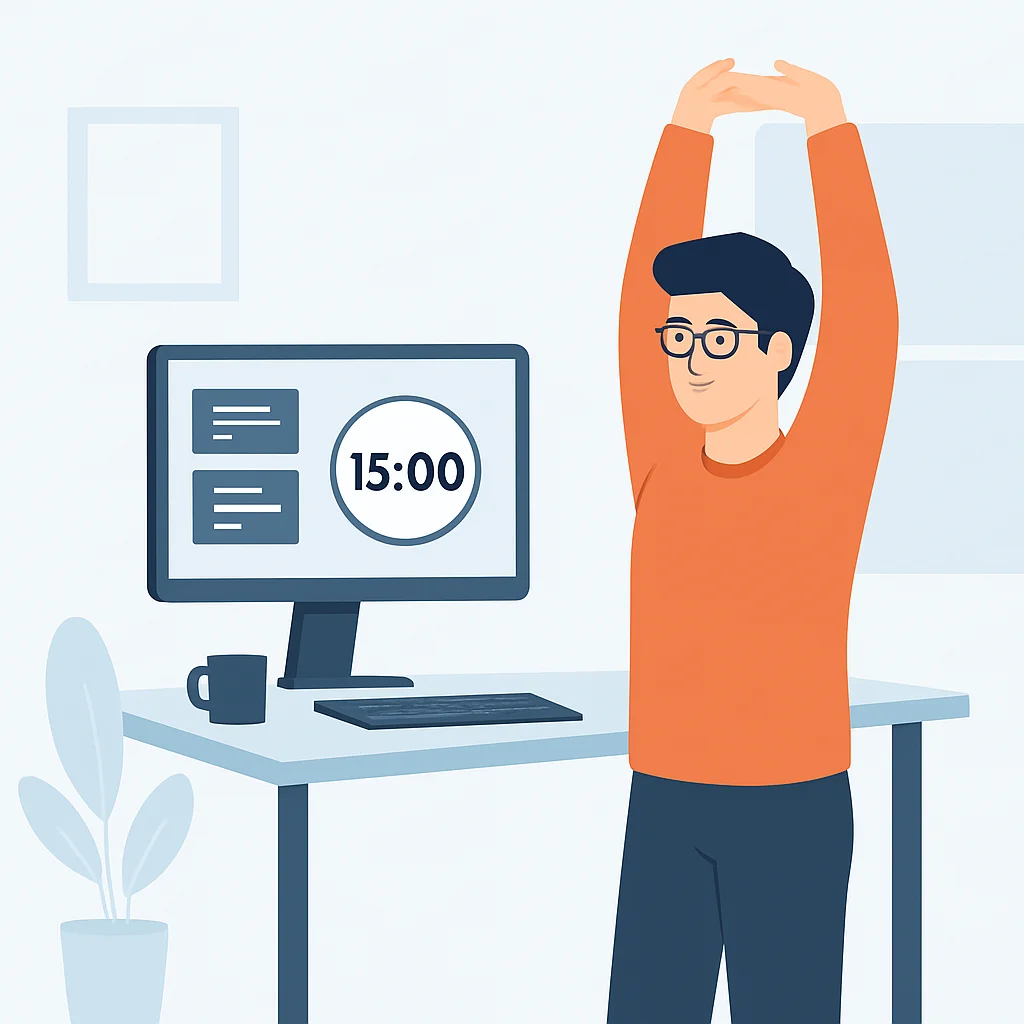
Stand Up & Stretch — Aim to stand up for 5-10 minutes every hour. Engage in simple stretches such as neck rolls, shoulder shrugs, arm circles, and gentle back twists.
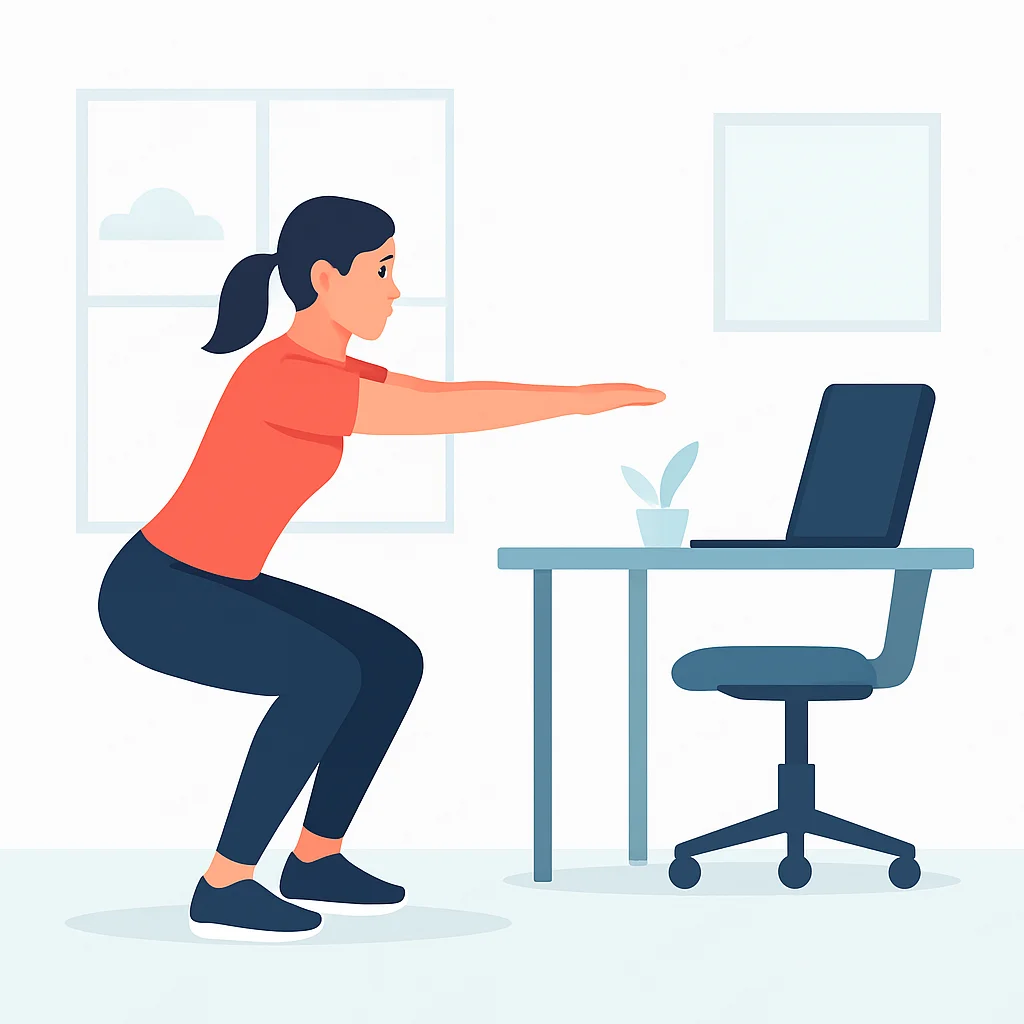
Desk Exercises — While seated, perform calf raises (20-30 reps), glute squeezes (hold for 5-10 seconds), and core contractions. For upper body workouts, try desk push-ups (against a sturdy desk) or triceps dips using your chair.
Walking Calls — If you have a one-on-one or a meeting where screen sharing isn’t necessary, take it as a walking call. Even 15-20 minutes of walking can accumulate significantly.
CODE EXPLANATION
This Python script utilizes the plyer library (which you may need to install via pip install plyer) to send desktop notifications. It serves as a simple reminder to take a break every 30 minutes. You can customize the interval and message.
import time
from plyer import notification

# Configure break interval in seconds (e.g., 30 minutes = 1800 seconds)
BREAK_INTERVAL = 1800
NOTIFICATION_TITLE = "Kwonglish Fitness Break!"
NOTIFICATION_MESSAGE = "Time to stand up, stretch, or do some desk exercises! Your body will thank you."

def send_notification():
    notification.notify(
        title=NOTIFICATION_TITLE,
        message=NOTIFICATION_MESSAGE,
        app_name="Kwonglish Fitness",
        timeout=10  # Notification stays for 10 seconds
    )

if __name__ == "__main__":
    print(f"Kwonglish Fitness Reminder started. Sending notifications every {BREAK_INTERVAL // 60} minutes.")
    print("Press Ctrl+C to stop.")
    try:
        while True:
            time.sleep(BREAK_INTERVAL)
            send_notification()
    except KeyboardInterrupt:
        print("\nKwonglish Fitness Reminder stopped.")
2.2. Maximizing Short Bursts of Activity: The 10-15 Minute Power-Up
Even if you can’t find an hour for the gym, dedicating 10-15 minutes can yield significant benefits. The focus should be on intensity and consistency. These brief bursts of activity can elevate your heart rate, burn calories, and enhance concentration.
1
The Lunch Break Blitz (15 min)
Instead of scrolling through your phone, allocate 15 minutes of your lunch break to briskly walk around the block, climb stairs, or engage in a quick bodyweight circuit (push-ups, squats, lunges, planks). A 15-minute walk can burn approximately 70-100 calories for an average adult.
2
Pre-Meeting Power-Up (5-10 min)
Before a lengthy meeting, engage in a quick burst of activity. Five minutes of jumping jacks, high knees, or rapid stair climbs can stimulate blood flow and enhance alertness for the meeting. Aim for 3-5 rounds of 30 seconds on, 30 seconds off for maximum effect.
3
Post-Work “Decompression” (10-15 min)
Instead of immediately diving into evening chores or entertainment, allocate 10-15 minutes for a quick walk, some yoga stretches, or light cardio. This practice helps transition out of work mode and signals to your body that the workday has concluded.
KEY POINT
High-Intensity Interval Training (HIIT) can be remarkably effective for short workouts. A 10-minute HIIT session (e.g., 30 seconds of all-out effort, 30 seconds of rest, repeated 10 times) can provide similar cardiovascular benefits to longer moderate-intensity workouts.
2.3. The Weekend Warrior (Smartly): Leveraging Your Days Off
Weekends provide greater flexibility for longer, more fulfilling workouts. However, it’s essential to approach this wisely to prevent injuries, especially if your weekdays are predominantly sedentary.
WARNING
Avoid the “weekend warrior” syndrome, where you attempt to cram all your week’s missed exercise into one intense session. This significantly increases your risk of injuries such as sprains, strains, and even fractures, particularly if you haven’t been consistently active. Gradual progression is essential.
Instead, strive for a balanced approach:
Pros
✓ Longer Cardio Sessions: Dedicate 45-60 minutes to activities such as cycling, hiking, swimming, or a longer run. This enhances cardiovascular endurance.
✓ Strength Training: Visit the gym for a full-body workout or perform a comprehensive bodyweight routine at home. Focus on compound movements (squats, deadlifts, presses) that engage multiple muscle groups.
✓ Active Recovery: Dedicate one day to lighter activities like yoga, stretching, or a leisurely walk. This promotes muscle recovery and flexibility.
✓ Social Activity: Join a sports league, play frisbee with friends, or go for a family bike ride. This makes fitness enjoyable and sustainable.
Cons to Avoid
✗ Over-training: Avoid attempting 3 hours of intense exercise if you’ve been sedentary all week. Your body requires time to adapt.
✗ Ignoring Warm-ups/Cool-downs: This is particularly important for weekend warriors. Allocate 5-10 minutes for dynamic warm-ups before and static stretches afterward.
✗ Sacrificing Sleep: Do not compromise your sleep to fit in workouts. Quality sleep is essential for recovery and overall health.

2.4. Nutrition & Hydration for Coders: Fueling Your Brain and Body
You cannot out-exercise a poor diet. For developers, proper nutrition is crucial not only for physical health but also for sustained mental performance. Sugary snacks and excessive caffeine may provide a temporary boost, but they often lead to energy crashes and decreased productivity.
KEY POINT
Aim for a balanced intake of macronutrients: complex carbohydrates for sustained energy (oats, brown rice), lean proteins for muscle repair and satiety (chicken, fish, legumes), and healthy fats for brain function (avocado, nuts, olive oil). Focus on whole, unprocessed foods.
Practical Nutrition Tips:
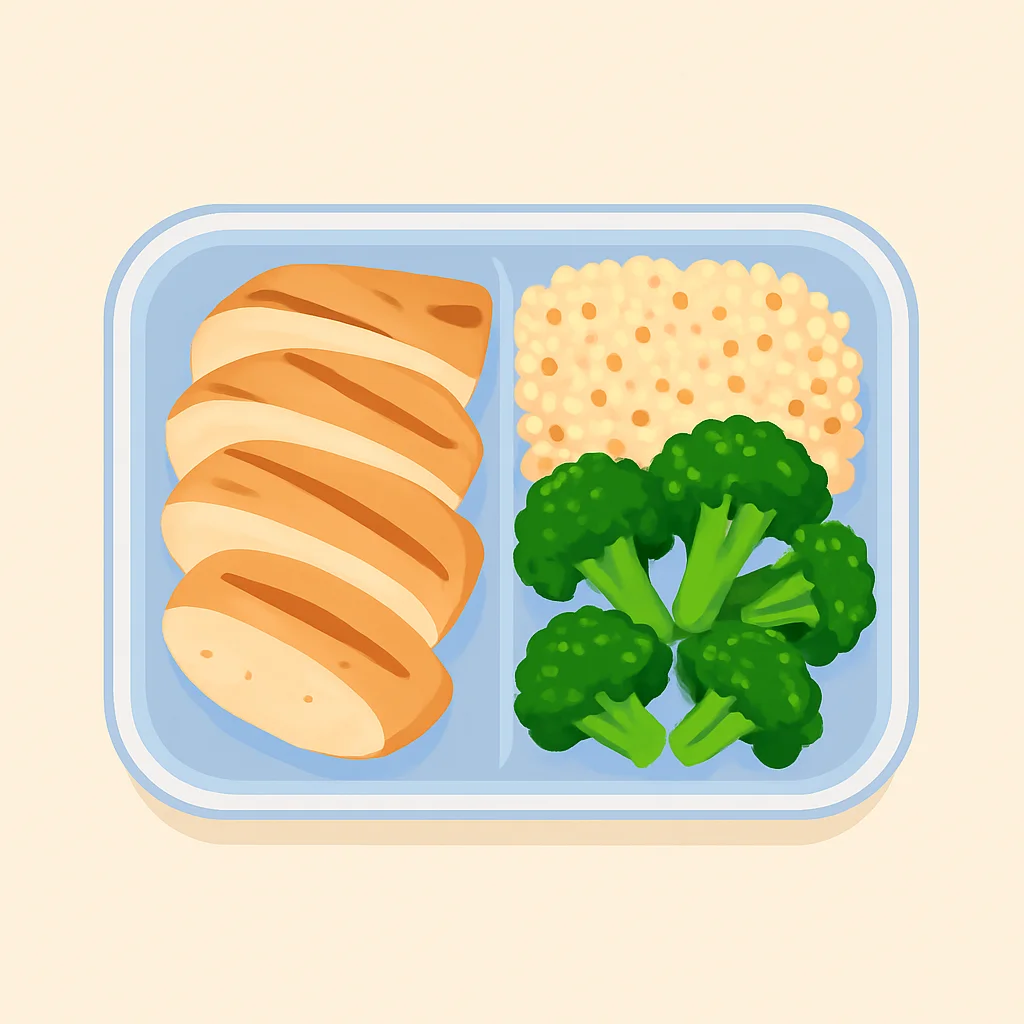
• Meal Prep on Weekends: Allocate 1-2 hours on a Sunday to prepare healthy lunches and dinners for the week. This prevents reliance on takeout during busy workdays. Consider batch cooking quinoa, chicken breast, and roasted vegetables.
• Smart Snacking: Substitute sugary treats with fruits, nuts, Greek yogurt, or vegetable sticks with hummus. These options provide sustained energy and essential nutrients.
• Hydration is Key: Keep a large water bottle at your desk and aim to refill it several times a day. Dehydration can lead to fatigue, headaches, and reduced cognitive function. The general recommendation is around 2.7 liters (91 ounces) for women and 3.7 liters (125 ounces) for men per day, though this varies based on activity level.
• Limit Processed Foods & Sugary Drinks: These contribute to inflammation, energy crashes, and weight gain. Opt for water, unsweetened tea, or moderate coffee consumption.
2.5. Ergonomics & Posture: Preventing the Programmer’s Pains
Even with regular exercise, poor ergonomics can undermine your efforts and lead to chronic pain. Investing time and possibly some resources into your workstation setup can prevent years of discomfort and costly medical expenses.
Essential Ergonomic Adjustments
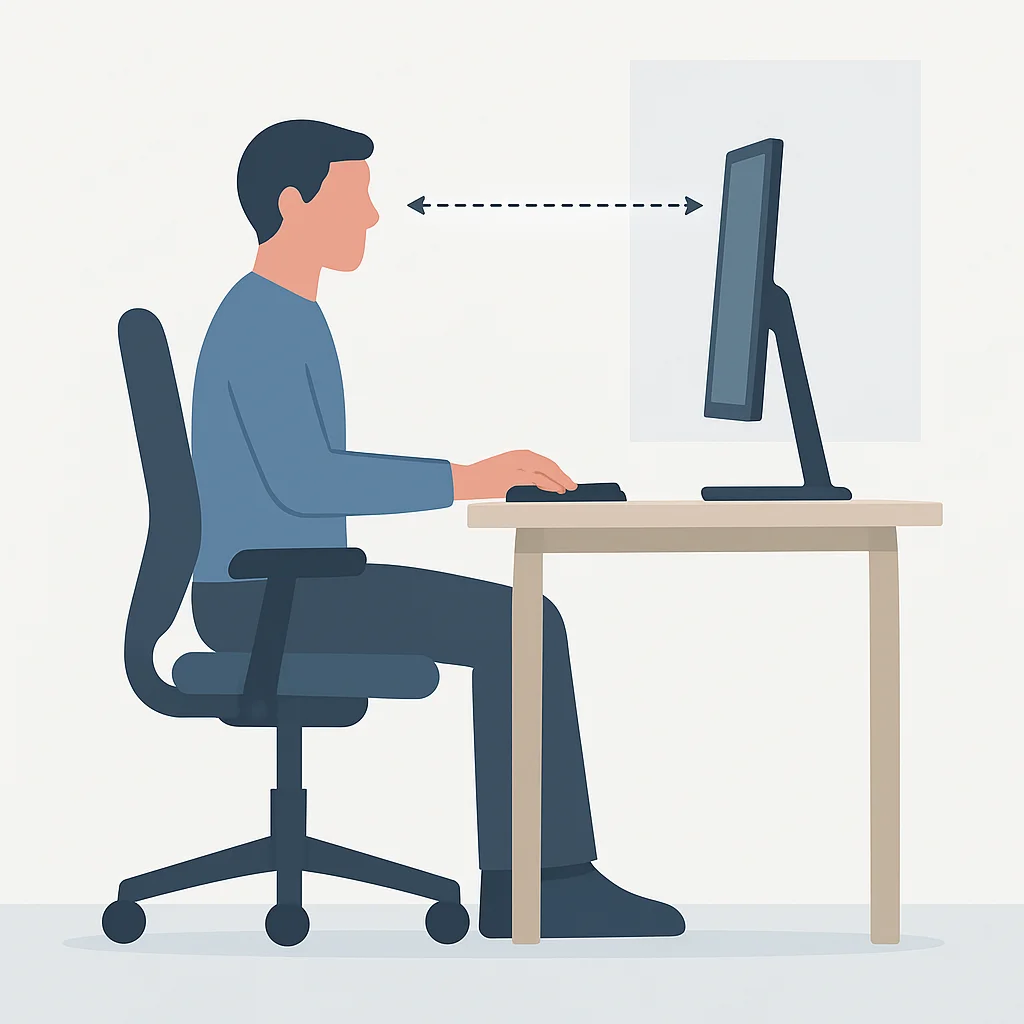
Chair: Invest in an ergonomic chair with adequate lumbar support. Adjust the height so your feet are flat on the floor or on a footrest, and your knees are at about a 90-degree angle. The backrest should support the natural curve of your spine.
Monitor: Position your monitor at arm’s length (approximately 20-30 inches or 50-75 cm). The top of the screen should be at or slightly below eye level. This helps prevent neck strain.
Keyboard & Mouse: Keep your keyboard close to your body, allowing your elbows to be at a 90-100 degree angle. Use a wrist rest if it helps maintain a neutral wrist position, but avoid resting your wrists while typing. Consider an ergonomic mouse or a trackball to minimize wrist strain.
Standing Desk (Optional but Recommended): If feasible, use a standing desk or a desk converter. Alternate between sitting and standing throughout the day. Start with 15-30 minutes of standing per hour and gradually increase.
Lighting: Ensure sufficient, glare-free lighting to reduce eye strain. Position your monitor to avoid reflections from windows or overhead lights.
REAL-WORLD EXAMPLES
Developers Who Made It Work
Let’s explore how some hypothetical developers successfully incorporated fitness into their demanding schedules in 2026. These examples demonstrate that there’s no single “right” way, but rather a combination of consistent effort and personalized strategies.
Case 1: The Stand-Up Coder – Sarah, Frontend Developer
Sarah, a frontend developer, frequently struggled with lower back pain after coding for over 8 hours. In early 2026, she invested in a standing desk converter. She began by standing for 30 minutes every hour and gradually increased to 45 minutes. She also set up her notification script (similar to the Python example above) to remind her every 45 minutes to do 2 minutes of light stretches or walk around her apartment. Her daily step count rose from 2,000 to over 7,000, and her back pain significantly diminished within two months. She now feels more energized and focused throughout the day, reporting a 15% increase in her productivity.
Case 2: The Lunch Break Runner – David, Backend Engineer
David, a backend engineer working in a busy city office, found it challenging to carve out time for exercise after long commutes. He began to strategically utilize his 60-minute lunch break. Three times a week, he brings a packed lunch and dedicates 30 minutes to a brisk run in a nearby park, followed by 15 minutes for a quick shower and 15 minutes to consume his pre-prepped meal. On other days, he uses the full hour for a long walk or a bodyweight workout in the office gym. This consistent routine enabled him to complete his first 10K race in late 2026 and improved his overall mood and stress management.
Case 3: The Evening Gym Enthusiast – Emily, DevOps Specialist
Emily, a DevOps specialist, often worked irregular hours due to system deployments. Her strategy was to commit to an evening gym session, four times a week, right after work before heading home. She discovered that if she returned home first, she would lose motivation. She packed her gym bag the night before and went directly from the office. Her workouts, typically lasting 45-60 minutes and consisting of strength training and light cardio, helped her de-stress and enhanced her sleep quality. She also joined a local climbing gym on weekends, finding a fun, challenging activity that built strength and fostered community.
Caveats & Frequently Asked Questions
Q. How much exercise do developers really need to counteract sitting?
A. General guidelines from the CDC recommend at least 150 minutes of moderate-intensity aerobic activity or 75 minutes of vigorous-intensity aerobic activity per week, along with muscle-strengthening activities on 2 or more days. For those with sedentary jobs, incorporating movement every 30-60 minutes (standing, stretching, walking) is equally important to mitigate the risks associated with prolonged sitting, even if you meet the weekly exercise recommendations.
Q. I’m completely new to fitness. Where should I start without getting overwhelmed?
A. Start small and prioritize consistency. Begin by simply standing up and walking for 5 minutes every hour. Gradually introduce short 10-15 minute brisk walks during lunch breaks. Once that becomes a habit, consider adding 1-2 days of simple bodyweight exercises (squats, push-ups against a wall, planks) or gentle yoga. The aim is to build momentum, not perfection.
Q. What if my company doesn’t support standing desks or gym memberships?
A. Many effective strategies don’t require company support. You can use a stack of books or boxes as a DIY standing desk converter. Utilize public parks for walks, stairwells for quick climbs, and free online resources for bodyweight workouts or yoga. Advocate for wellness initiatives at your workplace, as many companies are recognizing the benefits of employee health in 2026.
Q. How can I stay motivated when I’m tired after a long day of coding?
A. Discover activities you genuinely enjoy, as this enhances long-term adherence. Schedule your workouts like important meetings and treat them with the same priority. Find an accountability partner or join a fitness community. Remember that even a short, light workout can elevate energy levels, contrary to what your fatigued brain might suggest. Focus on how great you’ll feel afterward!
WRAP-UP
Wrapping It Up: Your Health, Your Code, Your Future
The life of a developer is incredibly rewarding, but it demands a lot from us—mentally and physically. Prioritizing your fitness isn’t solely about appearance; it’s about feeling good, thinking clearly, and possessing the energy to tackle complex algorithms and tight deadlines without succumbing to burnout. By integrating micro-breaks, short bursts of activity, intelligent weekend planning, mindful nutrition, and proper ergonomics, you can transform your health in 2026.
Remember, consistency surpasses intensity. Even small, sustainable changes can lead to substantial improvements over time. Your code may be elegant, but your body is the most intricate system you’ll ever maintain. Give it the attention it deserves, and you’ll find that both your personal life and professional output will thrive. Start today—your future self (and your future code!) will be grateful.
Thanks for reading!
We hope these practical tips assist you in staying active and healthy while excelling in your development career.
Have feedback or questions? Leave a comment below or share your own developer fitness tips!