
SUMMARY
Future-Proof Your Developer Career in 2026
The tech landscape is always changing. Discover essential skills and effective learning strategies to stay ahead and future-proof your developer career in 2026.
Keywords: developer career 2026, upskilling for developers, continuous learning tech
TABLE OF CONTENTS
1 Why It Matters: The Ever-Evolving Tech Landscape
2 Core Methods: Essential Skills for 2026
3 Practical Application: Your Learning Strategies Roadmap
4 Common Pitfalls & Mistakes to Avoid
5 Frequently Asked Questions
6 Wrap-Up: Embrace the Journey
WHY IT MATTERS
The Ever-Evolving Tech Landscape
In the fast-paced world of technology, standing still is akin to moving backward. For software developers, the year 2026 presents both exciting opportunities and significant challenges. The landscape is not just shifting; it’s undergoing a seismic transformation, driven by advancements in artificial intelligence, cloud computing, and automation. What was cutting-edge just a few years ago might now be considered legacy, and the skills that landed you your dream job might not be sufficient to sustain it.
“The only constant in technology is change, and the only way to thrive is to embrace continuous learning.”
— Kwonglish
According to a 2023 report by the World Economic Forum, 44% of a worker’s core skills are expected to change by 2027. For developers, this percentage is likely even higher. The rise of generative AI tools like GitHub Copilot and ChatGPT, while incredibly powerful for boosting productivity, also necessitates a new approach to problem-solving and code generation. Developers are no longer just writing code; they are orchestrating intelligent systems, integrating advanced APIs, and ensuring the ethical deployment of AI.
Moreover, the demand for specialized skills continues to outstrip supply in many areas. Cloud expertise, particularly in multi-cloud environments, remains a top priority for organizations. Cybersecurity threats are growing in sophistication, making secure coding practices and an understanding of security principles non-negotiable. Data-driven decision-making is pervasive, pushing developers to engage more with data pipelines and analytics. To remain competitive and relevant in 2026 and beyond, developers must proactively identify and acquire these emerging skills.
KEY POINT
Future-proofing your career isn’t just about learning new technologies; it’s about developing a mindset of continuous adaptation and strategic skill acquisition to stay ahead of industry shifts.
CORE METHODS
Essential Skills for 2026
To navigate the complexities of the 2026 tech landscape, developers need a robust toolkit that combines advanced technical prowess with critical soft skills. Here’s a breakdown of the essential areas to focus on:
Technical Skills
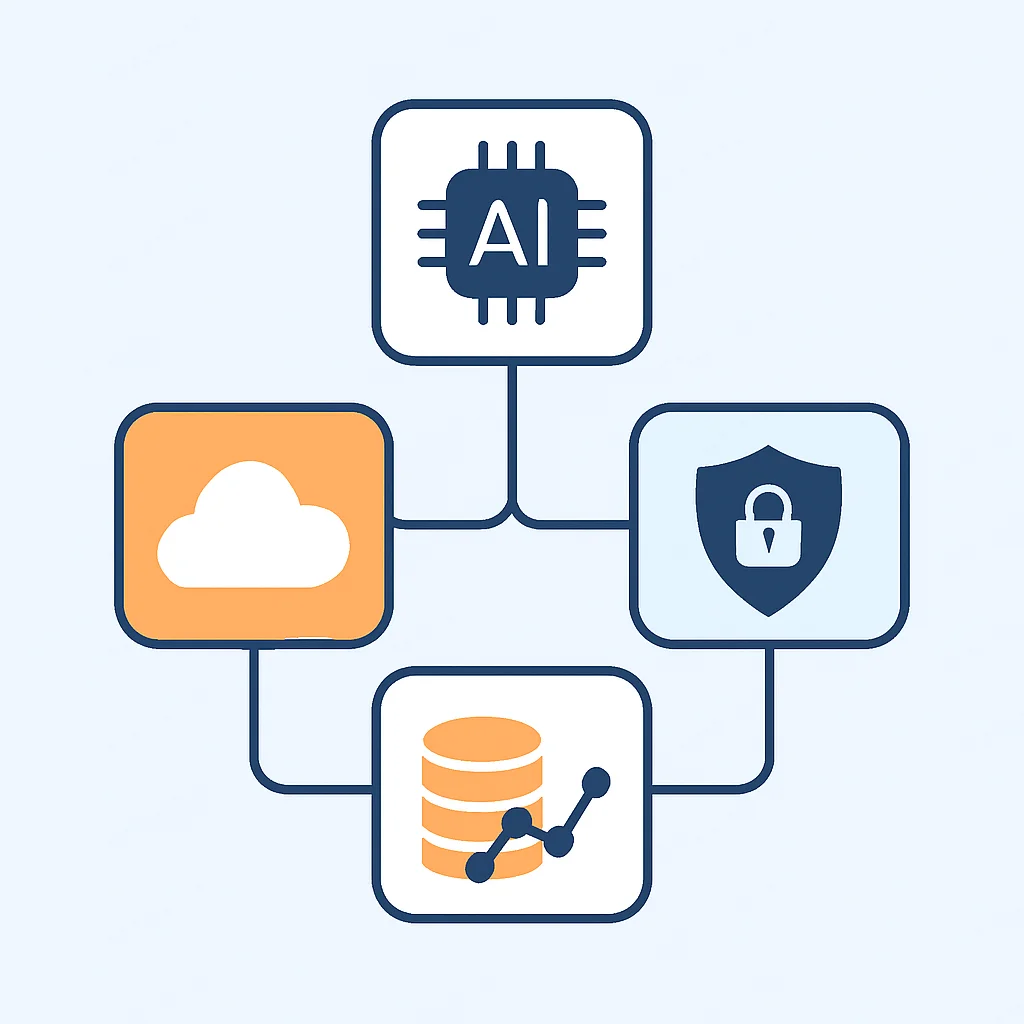
1. AI/ML Integration & Prompt Engineering
It’s no longer enough to just use AI tools; developers need to understand how to effectively integrate AI/ML models into applications and craft precise prompts to get the best results from generative AI. This includes working with APIs from providers like OpenAI, Google Cloud AI, or Hugging Face. Understanding concepts like model fine-tuning, embedding generation, and responsible AI usage will be crucial.
2. Cloud-Native Development & Serverless Architectures
Cloud computing continues its reign. Deep expertise in at least one major cloud provider (AWS, Azure, GCP) is vital. Focus on cloud-native patterns, containerization (Docker, Kubernetes), serverless functions (Lambda, Azure Functions, Cloud Functions), and managed services. Understanding how to build scalable, resilient, and cost-effective applications in the cloud is paramount.
3. Cybersecurity Fundamentals
With increasing digital threats, every developer is on the front line of cybersecurity. Understanding secure coding principles, common vulnerabilities (like those in the OWASP Top 10), authentication/authorization best practices, and data encryption is no longer a niche skill but a fundamental requirement. Secure by design principles must be ingrained in every project.
4. Data Engineering & Analytics Basics
Data is the new oil, and developers are the refiners. While not every developer needs to be a data scientist, understanding how data flows, is stored, processed (ETL/ELT), and consumed is invaluable. Familiarity with data warehousing concepts, stream processing (e.g., Kafka basics), and database optimization will set you apart.
5. Low-Code/No-Code Platform Integration
While not replacing traditional coding, low-code/no-code platforms are empowering citizen developers and accelerating specific types of application development. Understanding platforms like Microsoft Power Apps, Webflow, or Bubble, and knowing how to integrate custom code or APIs with them, allows professional developers to focus on more complex, value-added tasks.
Soft Skills (The Unsung Heroes)
Technical skills open doors, but soft skills build careers. In 2026, where AI can write boilerplate code, human-centric skills become even more critical.
Adaptability & Continuous Learning — The ability to quickly learn new languages, frameworks, and paradigms is paramount. A growth mindset is essential.
Curiosity — Stay curious about emerging technologies and how they can solve real-world problems.
Problem-Solving & Critical Thinking
Root Cause Analysis — Don’t just fix symptoms; identify and resolve underlying issues.
Strategic Thinking — Understand the business context and how your code contributes to organizational goals.
“While AI can generate code, it’s human developers who define the problems, design the solutions, and ensure the ethical implications are addressed.”
— Kwonglish
Communication & Collaboration
Clear Explanations — Articulate complex technical concepts to non-technical stakeholders.
Teamwork — Work effectively in diverse teams, both in-person and remotely. Contribute positively to team dynamics.
Ethical AI & Data Stewardship
Responsible Development — Understand the societal impact of your work, especially concerning AI bias, data privacy, and fairness.
Privacy-by-Design — Incorporate privacy and security considerations from the initial stages of development.
PRACTICAL APPLICATION
Your Learning Strategies Roadmap
Acquiring these skills requires a deliberate and structured approach. It’s not about passively consuming content but actively engaging with new knowledge. Here’s a roadmap to guide your learning journey:
1. Structured Learning & Certifications
Online platforms offer a wealth of knowledge. Websites like Coursera, Udemy, Pluralsight, and edX provide structured courses, often with hands-on labs and peer interactions. Certifications from major cloud providers (AWS Certified Developer, Azure Developer Associate, Google Cloud Professional Developer) or specialized bodies (e.g., CNCF for Kubernetes) validate your expertise and are highly valued by employers.
KEY POINT
Allocate dedicated time each week for learning. Even 3-5 hours consistently can lead to significant skill growth over a year.
2. Project-Based Learning
The best way to learn is by doing. Pick a technology you want to master and build something with it. This could be a personal project, contributing to open-source, or participating in hackathons. A portfolio of practical projects demonstrates your abilities far more effectively than theoretical knowledge alone. For instance, if you’re learning AI integration, build a small web app that summarizes articles using an LLM API.
Case Study: The “Serverless Recipe App”
A developer wanted to learn AWS Lambda, API Gateway, and DynamoDB. Instead of just tutorials, they decided to build a simple recipe management application. Users could upload recipes, and the app would store them in DynamoDB, with Lambda functions handling CRUD operations triggered via API Gateway. This project helped them solidify their understanding of serverless architecture and cloud-native patterns.
3. Community & Networking
Engage with the developer community. Join local meetups, online forums (Stack Overflow, Reddit’s r/developers), Discord servers, or professional organizations. Networking not only provides learning opportunities but also opens doors to new career prospects and insights into industry trends. Share your knowledge and ask questions – it’s a two-way street.

4. Mentorship & Peer Learning
Seek out mentors who are where you want to be in a few years. Their guidance can be invaluable in navigating career choices and learning paths. Conversely, mentoring junior developers can solidify your own understanding and build leadership skills. Peer learning, through study groups or pair programming, also offers diverse perspectives and problem-solving approaches.
5. Time Management & Consistency
Consistency beats intensity. It’s better to spend 30 minutes learning every day than to cram 8 hours once a month. Integrate learning into your daily routine. Use techniques like the Pomodoro Technique to stay focused during learning sessions. Track your progress to stay motivated.
Your 2026 Upskilling Checklist
☑ Identify 1-2 core technical skills to focus on this quarter.
☑ Dedicate 3-5 hours/week to structured learning.
☑ Start a small personal project applying a new skill.
☑ Engage with one new developer community (online or local).
☐ Seek out a mentor or offer to mentor someone.
☑ Practice clear technical communication daily.
COMMON PITFALLS
Common Pitfalls & Mistakes to Avoid
While the path to future-proofing your career is clear, it’s also fraught with common traps that can derail your progress. Being aware of these pitfalls can help you steer clear and maintain your momentum.
PROBLEM 01
Stagnation and Complacency
This is perhaps the biggest enemy. Believing that your current skill set is sufficient for the long term, or simply being too comfortable to step out of your comfort zone, will inevitably lead to obsolescence. The tech world doesn’t wait for anyone.
SOLUTION — Proactive Learning & Skill Audits
Regularly assess your skills against industry demands. Set quarterly learning goals and actively pursue them. Treat learning as an integral part of your job, not an optional extra.
WARNING
Avoid the “shiny new object” syndrome. While it’s good to be aware of new technologies, don’t jump on every single trend without understanding its foundational principles or long-term viability.
PROBLEM 02
Chasing Hype Without Foundation
It’s tempting to chase every new framework or language that gains traction. However, without a strong grasp of fundamental computer science principles, software engineering best practices, and core programming concepts, you’ll find yourself constantly learning syntax without truly understanding the underlying mechanics.
SOLUTION — Solidify Fundamentals First
Prioritize understanding data structures, algorithms, operating systems, networking, and software design patterns. These evergreen concepts make learning new technologies much faster and more efficient.
PROBLEM 03
Neglecting Soft Skills
Many developers focus solely on technical skills, often overlooking the critical role of communication, collaboration, empathy, and leadership. As you advance in your career, these soft skills become increasingly important for influencing decisions, leading teams, and interacting with stakeholders.
SOLUTION — Practice & Seek Feedback
Actively seek opportunities to present your work, participate in discussions, and lead small initiatives. Ask for feedback on your communication style and interpersonal effectiveness from peers and managers.

Frequently Asked Questions
Q. What’s the single most important skill for developers in 2026?
While many skills are crucial, the ability to adapt and continuously learn new technologies and paradigms is arguably the most vital. The tech landscape changes so rapidly that a static skill set will quickly become obsolete.
Q. Should I specialize or generalize my skills for future-proofing?
A T-shaped skill set is often ideal: deep expertise in one or two areas (specialization) combined with a broad understanding of related technologies and concepts (generalization). This allows you to be an expert in your niche while still being versatile.
Q. How much time should I dedicate to learning new skills each week?
Consistency is key. Aim for at least 3-5 hours per week, broken down into smaller, manageable chunks. Even 30-60 minutes daily can yield significant progress over time.
Q. Will AI replace developers by 2026?
No, AI is more likely to augment developers rather than replace them entirely by 2026. AI tools can automate repetitive tasks, generate boilerplate code, and assist with debugging, freeing up developers to focus on higher-level design, problem-solving, and innovation.
WRAP-UP
Embrace the Journey
Future-proofing your developer career in 2026 is not a destination but a continuous journey of learning, adaptation, and growth. The tech industry will continue to evolve at breakneck speed, and staying relevant means embracing this change with an open mind and a proactive attitude. By focusing on essential technical skills like AI/ML integration, cloud-native development, and cybersecurity, while simultaneously honing critical soft skills such as adaptability and ethical thinking, you position yourself for long-term success.
“Your career is an adventure, not a fixed path. Equip yourself for the unknown, and you’ll find excitement in every turn.”
— Kwonglish
Remember, the goal isn’t just to accumulate more skills, but to become a more versatile, resilient, and valuable contributor. Invest in yourself, stay curious, and actively participate in the vibrant developer community. Your future self will thank you for the effort you put in today.

Thanks for reading!
Keep learning, keep building, and keep growing. The future of tech is exciting, and you’re a vital part of it.
Got questions or your own tips for future-proofing? Drop a comment below and let’s discuss!
Related Posts
- [Self-Improvement] Personal Branding for Developers in 2026: Build Your Reputation & Land Dream Opportunities
- [Self-Improvement] Building Your Personal Brand as a Developer in 2026: Stand Out in the Tech Industry
- [Self-Improvement] Negotiating Your Developer Salary in 2026: Maximize Your Earning Potential