
SUMMARY
Personal Branding for Developers in 2026
Learn how to strategically build your personal brand as a developer in 2026, boosting your visibility, credibility, and opening doors to dream job opportunities.
Keywords: personal branding, developer career, professional development
TABLE OF CONTENTS
1. Why It Matters – The Power of a Strong Developer Brand
2. Core Methods – Building Your Developer Brand, Step-by-Step
3. Practical Application – Turning Strategy into Action
4. Common Pitfalls & Mistakes to Avoid
5. Measuring Your Brand’s Impact
6. Frequently Asked Questions
7. Wrap-Up – Your Brand, Your Future
WHY IT MATTERS
The Power of a Strong Developer Brand
In the rapidly evolving tech landscape of 2026, simply having strong technical skills isn’t enough to stand out. The market is more competitive than ever, with an increasing number of talented developers entering the field and the rise of remote work blurring geographical boundaries. Furthermore, advancements in AI, while creating new opportunities, also place a greater emphasis on unique human skills, problem-solving, and the ability to communicate complex ideas effectively. This is where personal branding comes into play – it’s your professional narrative, your unique selling proposition, and your reputation, all rolled into one.
Think of your personal brand as the story you tell about yourself, both implicitly and explicitly, to the professional world. It encompasses everything from your online presence (LinkedIn, GitHub, personal website) to your contributions to the community, your communication style, and even the way you approach problems. A strong personal brand can open doors to opportunities you might never discover through traditional job applications. It builds trust, establishes credibility, and positions you as an expert in your chosen niche.
Consider the case of Alex, a backend developer specializing in Golang microservices. For years, Alex focused solely on coding, rarely engaging with the wider dev community. While skilled, finding new opportunities was a grind. In late 2025, Alex decided to start sharing insights on LinkedIn, contributing to open-source projects, and occasionally writing short technical posts on dev.to. Within six months, Alex started receiving direct inquiries from recruiters specifically looking for Golang expertise, leading to a dream role at a leading tech firm without even applying. This wasn’t magic; it was the direct result of a consciously built personal brand.
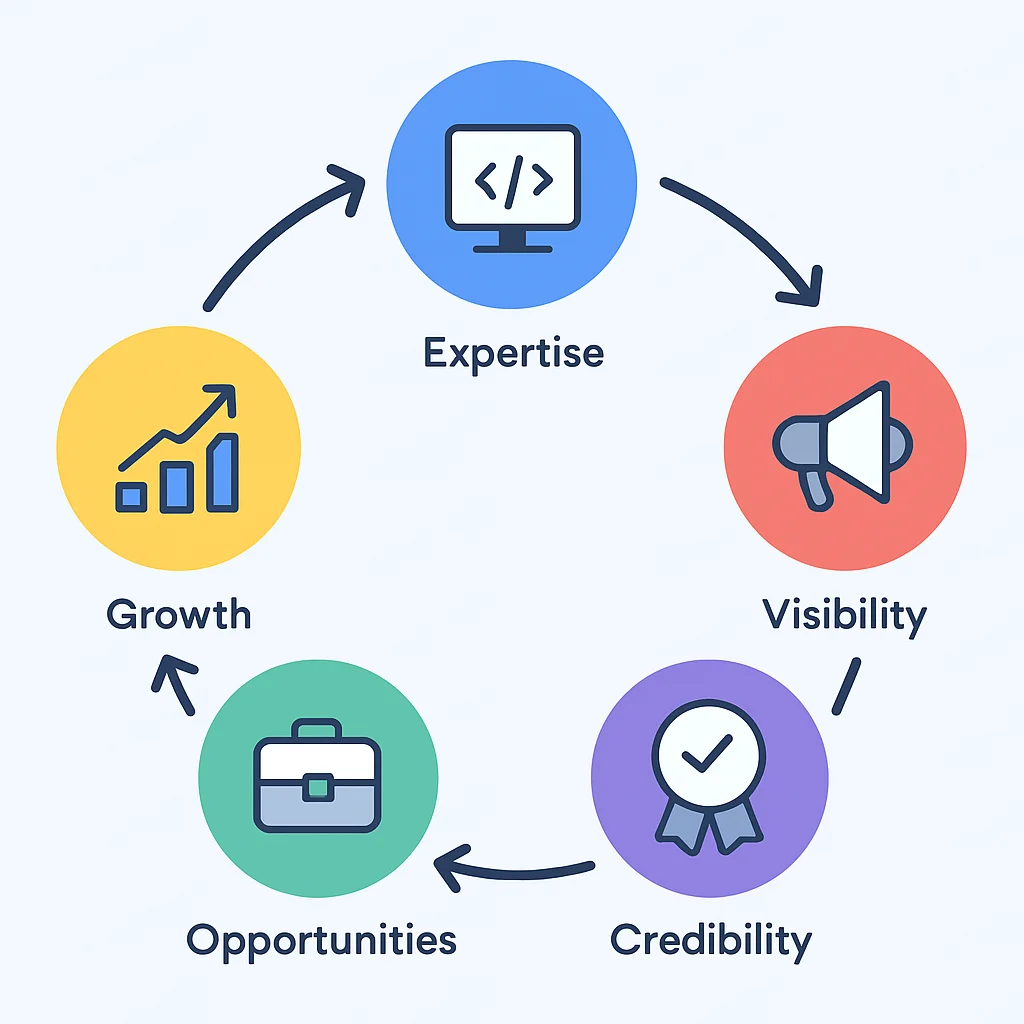
Building a personal brand isn’t about being famous; it’s about being known for something specific and valuable. It’s about demonstrating your expertise proactively, rather than waiting for someone to discover it. In an era where recruiters and hiring managers increasingly scout talent online, your digital footprint is your most powerful asset. It allows you to control your narrative, showcase your passions, and attract the right kind of opportunities that align with your career goals.
KEY POINT
Your personal brand as a developer in 2026 is your professional story, proactively built and consistently shared, that establishes your expertise and opens doors to unparalleled career opportunities.
CORE METHODS
Building Your Developer Brand, Step-by-Step
Define Your Niche & Value Proposition
Before you can build your brand, you need to know what you want to be known for. This involves deep self-reflection about your skills, passions, and the problems you enjoy solving. Are you a JavaScript guru specializing in performance optimization for large-scale web applications? Or perhaps a Pythonista focused on machine learning models for healthcare? Identifying your niche helps you target your efforts and resonate with the right audience – be it recruiters, potential collaborators, or future clients. Ask yourself: What unique combination of skills and interests do I bring to the table? What specific problems do I want to solve? Who is my ideal audience?
KEY POINT
Clarity on your niche and value proposition is the foundation of an effective personal brand. It tells people exactly what you do and how you can help them, making you memorable.
Optimize Your Digital Presence
Your online profiles are your 24/7 ambassadors. Ensure they consistently reflect your defined niche and expertise. Start with the big three:
LinkedIn: More than just a resume, it’s a professional networking hub. Craft a compelling headline and summary that clearly state your value. Share relevant articles, engage in discussions, and seek recommendations from colleagues.
GitHub: For developers, GitHub is often the first place potential employers look. Keep your profile active with recent contributions, well-documented projects (even small ones), and a clear README.md for your key repositories. Pin projects that best showcase your skills in your defined niche.
Personal Website/Portfolio: This is your central hub, where you have full control. Use it to showcase your best projects, host your blog, and provide a clear way to contact you. It doesn’t need to be fancy; a simple, professional site is highly effective.
CODE EXPLANATION
This HTML snippet shows a basic structure for a project card on a personal portfolio website. It includes a title, description, and links to the live demo and GitHub repository, vital for showcasing your work effectively.
<!-- Example of a project card on your portfolio -->
<div class="project-card">
    <h3>E-commerce API with Node.js</h3>
    <p>A RESTful API for an e-commerce platform, built with Node.js, Express, and MongoDB. Features include user authentication, product management, and order processing.</p>
    <a href="https://demo.example.com/ecommerce" target="_blank">Live Demo</a>
    <a href="https://github.com/yourusername/ecommerce-api" target="_blank">GitHub Repo</a>
</div>Create and Share Valuable Content
Content creation is arguably the most powerful way to demonstrate expertise. It shows that you not only understand your niche but can also articulate your knowledge and help others. Don’t feel pressured to write a book; even small, consistent contributions make a difference:
Blogging: Write about technical challenges you’ve overcome, tutorials for new technologies, or your opinions on industry trends. Platforms like dev.to, Medium, or your personal blog are great starting points. A consistent blogging schedule (e.g., once a month) can significantly boost your visibility.
Speaking: Start with local meetups or internal company presentations. Public speaking hones your communication skills and positions you as a thought leader. Even a 15-minute lightning talk can make a big impact.
Open Source: Contribute to projects related to your niche. This demonstrates collaboration skills, code quality, and a willingness to give back to the community. Even bug fixes or documentation improvements are valuable.
Social Media: Curate your feed. Share insightful articles, comment thoughtfully on industry news, and engage with other developers. Twitter, Mastodon, and even Reddit’s developer communities can be great places for this.
KEY POINT
Consistent creation of valuable content showcases your expertise and generosity, attracting like-minded professionals and opportunities to your brand.
Network Strategically
Networking isn’t just about collecting business cards; it’s about building genuine relationships. In 2026, this extends beyond physical events to online communities and virtual meetups. Engage with people whose work you admire, offer help where you can, and be open to learning. Attend virtual conferences, participate in developer forums, and join Discord or Slack communities related to your niche. Focus on quality interactions over quantity. Remember, a strong network can lead to mentorship, collaboration, and direct job referrals that are often hidden from public view.
KEY POINT
Strategic networking builds authentic relationships that amplify your brand and provide invaluable support and opportunities throughout your career.
Maintain Consistency & Authenticity
Building a personal brand is a marathon, not a sprint. Consistency in your efforts – whether it’s blogging, contributing to open source, or engaging on social media – is crucial for sustained growth. Sporadic activity sends mixed signals. Equally important is authenticity. Your brand should be a genuine reflection of who you are, your skills, and your values. Don’t try to be someone you’re not or claim expertise you don’t possess. People can spot inauthenticity from a mile away, and it can quickly erode trust. Be yourself, be honest about your journey, and let your passion shine through. This builds a brand that is not only strong but also sustainable and rewarding.
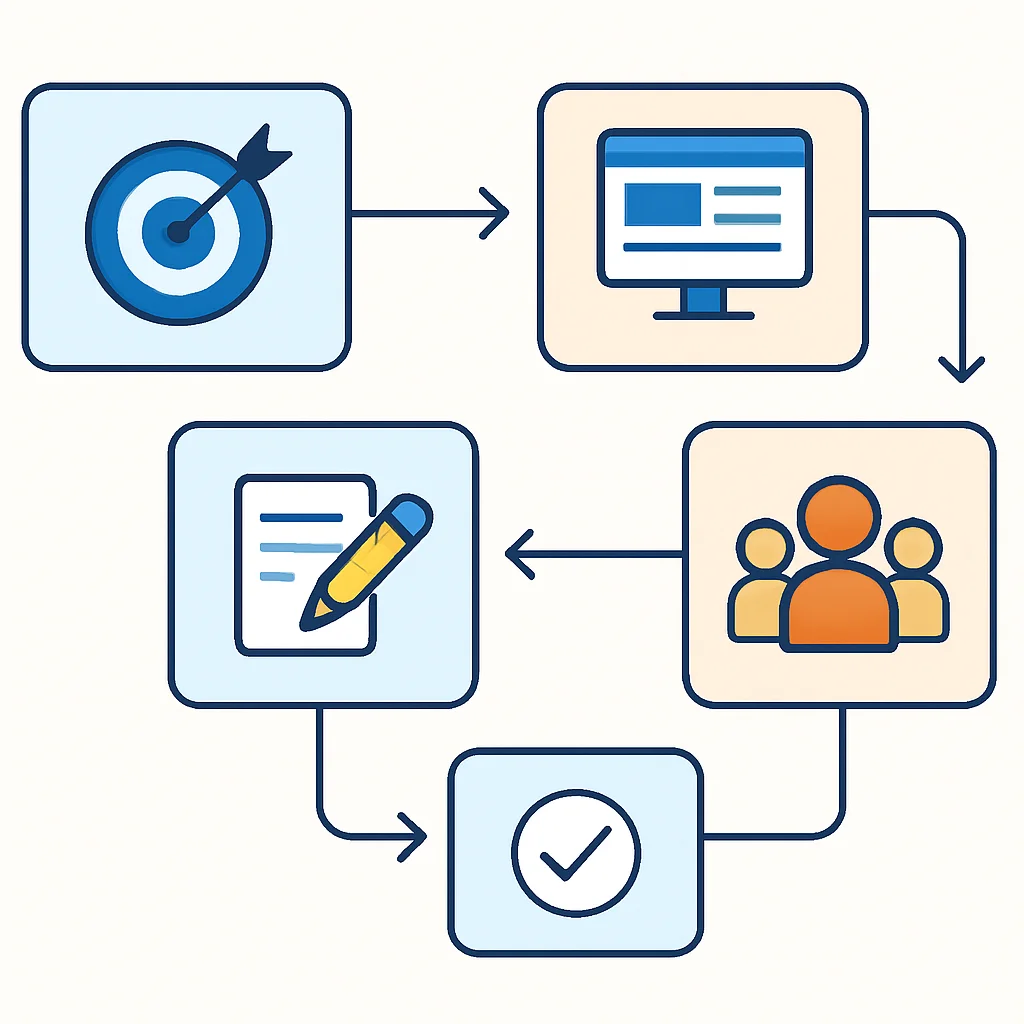
PRACTICAL APPLICATION
Turning Strategy into Action
Action 1: Crafting Your LinkedIn Narrative
Your LinkedIn profile is often the first professional impression you make online. Make it count. Your headline should be concise and clearly state your expertise and desired role, e.g., “Senior Frontend Engineer | React & TypeScript Specialist | Building Accessible Web Experiences.” Your summary should be a compelling story – not just a list of skills – that highlights your journey, passions, and what you aim to achieve. Use keywords relevant to your niche to improve searchability.
Use Case: LinkedIn Profile Optimization
Maria, a junior full-stack developer, updated her LinkedIn headline to “Full-Stack Developer | MERN Stack Enthusiast | Building Scalable Web Apps.” She also rewrote her summary to focus on her learning journey and passion for solving real-world problems with code, leading to a 30% increase in profile views and direct messages from recruiters within two months.
Action 2: Building a Minimalist Portfolio Site
You don’t need a complex website. A simple static site hosted on GitHub Pages, Netlify, or Vercel can be incredibly effective. Focus on these key sections: an “About Me” page (a concise bio that reflects your brand), a “Projects” section (showcasing 3-5 of your best works with clear descriptions, tech stacks, and live demos/GitHub links), and a “Contact” page. Ensure it’s mobile-responsive and loads quickly. Even a basic index.html can be a powerful tool.
CODE EXPLANATION
This HTML snippet demonstrates a minimal head section for a personal portfolio site, including essential meta tags for SEO and a title. Remember to replace placeholders with your actual information.
<!DOCTYPE html>
<html lang="en">
<head>
    <meta charset="UTF-8">
    <meta name="viewport" content="width=device-width, initial-scale=1.0">
    <title>[Your Name] - [Your Niche] Developer Portfolio</title>
    <meta name="description" content="[Your Name]'s personal portfolio showcasing projects in [Your Niche] development.">
    <!-- Link to your CSS stylesheet -->
    <link rel="stylesheet" href="styles.css">
</head>
<body>
    <!-- Your content here -->
</body>
</html>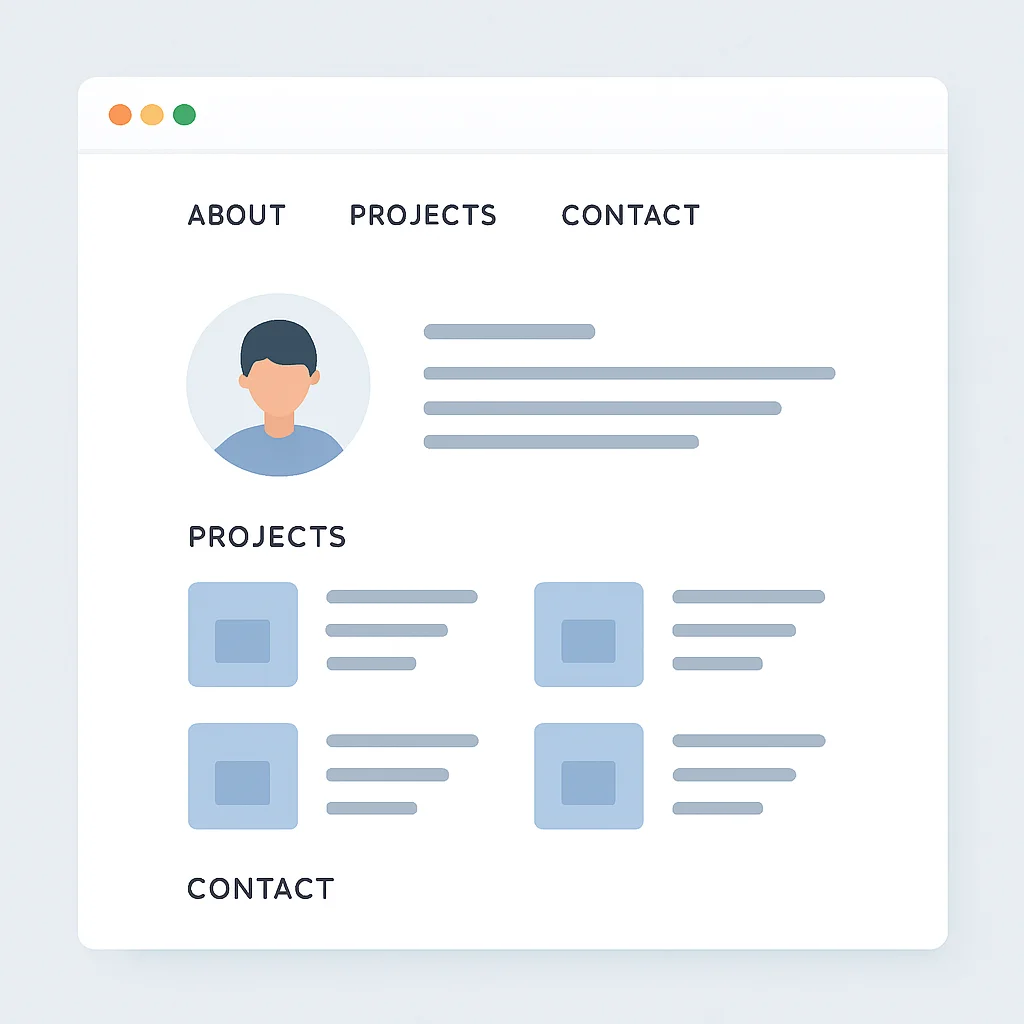
Action 3: Starting Your Content Journey
The biggest hurdle is often just starting. Pick one platform – perhaps a blog on Kwonglish, dev.to, or even just regular insightful posts on LinkedIn. Brainstorm 3-5 topics related to your niche. These could be: “How I Debugged a Tricky NullPointerException in Java,” “A Beginner’s Guide to React Hooks,” or “My Thoughts on the Future of WebAssembly in 2026.” Focus on providing value, sharing your unique perspective, and solving a problem for your readers. Consistency is more important than virality at the beginning.
KEY POINT
Small, consistent actions – like optimizing one profile or writing one blog post a month – accumulate into a powerful and recognizable personal brand over time.
COMMON PITFALLS
Common Pitfalls & Mistakes to Avoid
While the journey to building a personal brand is rewarding, it’s also fraught with common missteps that can hinder your progress. Being aware of these pitfalls can help you navigate the process more effectively.
WARNING
Inconsistency is the silent killer of personal brands. Sporadic efforts lead to a fragmented narrative and make it difficult for your audience to recognize and remember you.
Pitfall 1: Lack of Consistency
Many developers start with great enthusiasm, publishing a few blog posts or updating their GitHub frequently, only to fade away after a few weeks. Building a brand requires sustained effort. Your audience needs to see you consistently to trust your expertise and remember you. Solution: Develop a realistic content schedule and stick to it. Even if it’s just one LinkedIn post a week or one blog post a month, consistency is key.
Pitfall 2: Over-Self-Promotion
While it’s important to showcase your achievements, constantly talking about yourself without providing value to others can be off-putting. The most effective personal brands are built on a foundation of generosity – sharing knowledge, helping others, and engaging in meaningful discussions. Solution: Follow the 80/20 rule: 80% value-driven content (tutorials, insights, discussions), 20% self-promotion (showcasing projects, achievements).
Pitfall 3: Neglecting Soft Skills
Developers often focus solely on technical prowess, but communication, collaboration, leadership, and empathy are equally vital for a strong brand. These soft skills are what truly differentiate you in team environments and client interactions. Solution: Actively seek opportunities to demonstrate these skills through your content (e.g., writing about teamwork in a project), public speaking, or mentoring junior developers.
Pitfall 4: Lack of Authenticity
Trying to imitate someone else’s brand or pretending to be an expert in an area where you’re not can backfire spectacularly. Your personal brand should be a genuine reflection of your unique personality, skills, and values. Solution: Be true to yourself. Share your real experiences, including failures and lessons learned. Authenticity builds trust and makes your brand relatable and resilient.

KEY POINT
Avoid these common pitfalls by prioritizing consistency, providing genuine value, showcasing soft skills, and always remaining authentic to yourself.
MEASURING IMPACT
Measuring Your Brand’s Impact
Building a personal brand isn’t just about output; it’s also about impact. How do you know if your efforts are paying off? While some benefits are intangible (like increased confidence), many aspects of your brand’s growth can be measured. Regularly reviewing these metrics helps you understand what’s working, what needs adjustment, and how your brand is evolving.
Key Metrics for Success:
1. Website Analytics: If you have a personal website or blog, tools like Google Analytics can track visitors, page views, bounce rate, and time on page. Are people discovering your content? Are they engaging with it?
2. Social Media Engagement: Monitor likes, shares, comments, and follower growth on platforms like LinkedIn, Twitter, or dev.to. Are your posts sparking conversations? Are you reaching new audiences?
3. Direct Inquiries: Track how often you receive direct messages from recruiters, collaboration requests, or questions related to your expertise. These are strong indicators that your brand is resonating.
4. Speaking Invitations: Being invited to speak at meetups, podcasts, or conferences is a clear sign that you’re recognized as an authority in your field.
5. Mentorship Requests: If other developers start reaching out for advice or mentorship, it signifies that your brand embodies leadership and expertise.

Set realistic goals for these metrics. For example, aim for a 10% increase in LinkedIn profile views quarter-over-quarter, or target one new blog post comment per week. Review your progress monthly or quarterly to stay on track and adjust your strategy as needed. The most important metric, however, is the quality of opportunities that come your way – do they align with your career aspirations and niche?
KEY POINT
Measuring your brand’s impact through relevant metrics provides valuable feedback, allowing you to refine your strategy and focus on activities that yield the best results for your career goals.
9.2
/ 10
Building a personal brand is a highly effective strategy for career advancement in 2026.