
SUMMARY
How Developers Can Build a Daily Language Learning Habit in 2026
Discover practical strategies for developers to establish and maintain a consistent daily language learning habit, ensuring steady progress and overcoming common motivation hurdles.
Keywords: language learning, habit building, developer tips
TABLE OF CONTENTS
1. Why Language Learning Matters for Developers in 2026
2. Core Methods: Building Your Daily Language Learning Habit
3. Common Pitfalls & Mistakes to Avoid
4. Practical Application: A Sample 2026 Language Learning Routine
5. Frequently Asked Questions (FAQ)
Why Language Learning Matters for Developers in 2026
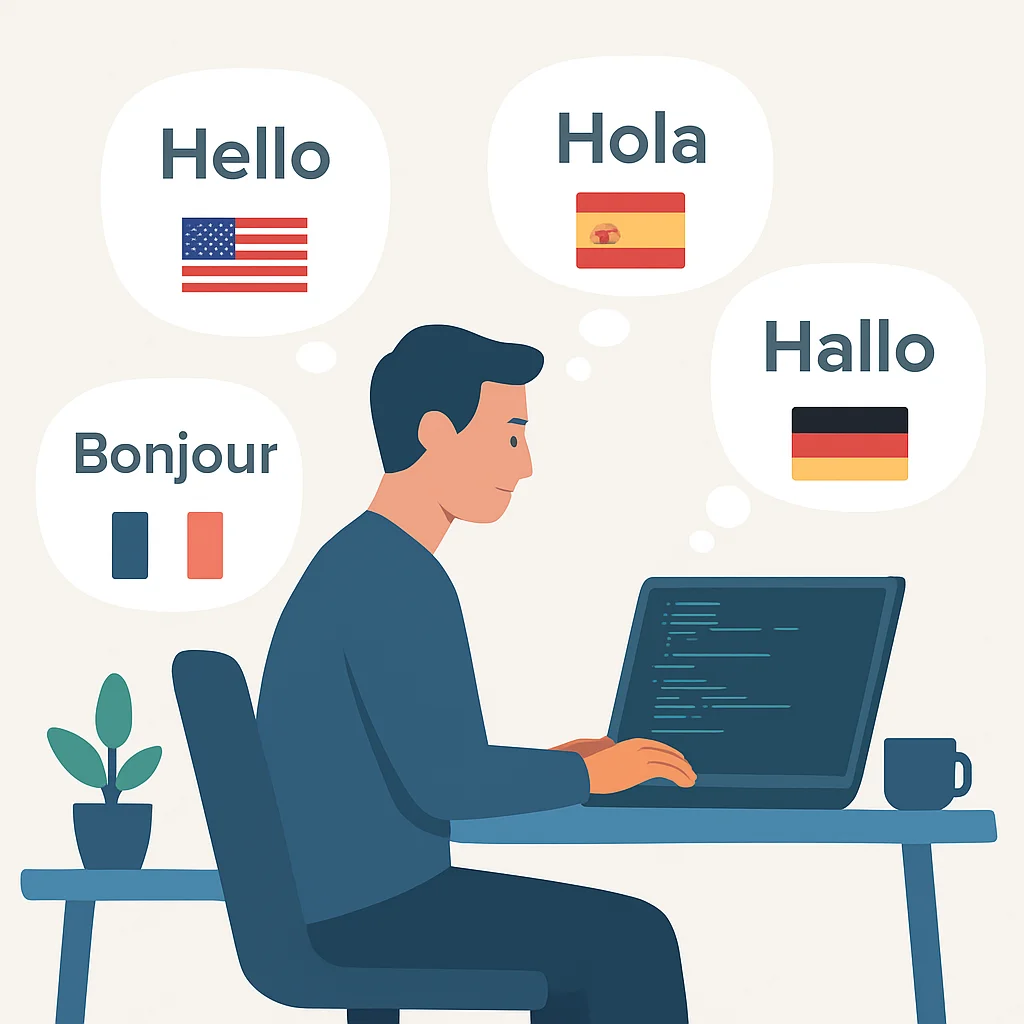
In the fast-evolving tech landscape of 2026, the demand for adaptable and globally-minded professionals is higher than ever. For developers, adding a new language to your skillset isn’t just a hobby; it’s a strategic move that can unlock a myriad of opportunities, both professional and personal. Think about it: our world is more connected than ever, and the tools we build are used by people from every corner of the globe. Being able to communicate with users, collaborate with international teams, or even just understand documentation in its original form provides a significant edge.
Beyond the obvious communication benefits, language learning offers profound cognitive advantages that directly impact a developer’s core abilities. Studies, such as those conducted by the National Institutes of Health →, consistently show that bilingualism can enhance problem-solving skills, improve multitasking, and even boost creativity. These are precisely the traits that define an exceptional developer. Imagine approaching a complex coding problem with the same mental flexibility you use to parse a foreign sentence structure; it’s a powerful synergy.
From a career perspective, the benefits are tangible. Many leading tech companies operate globally, with development hubs and client bases spread across continents. A developer proficient in a second language, especially one relevant to emerging markets like Mandarin, Spanish, or Arabic, becomes an invaluable asset. This proficiency can open doors to international assignments, remote work opportunities with overseas companies, or even roles focused on localization and global product development. Furthermore, understanding the cultural nuances that come with language learning can help you design more inclusive and user-friendly applications for diverse audiences.
KEY POINT
Learning a new language as a developer in 2026 isn’t just about communication; it’s about enhancing cognitive abilities, expanding career opportunities in a globalized tech market, and fostering a deeper understanding of diverse users.
In 2026, with remote work becoming a standard and global collaboration an everyday reality, the ability to bridge linguistic gaps is no longer a niche skill but a competitive advantage. It’s about more than just translating words; it’s about translating ideas, understanding different perspectives, and ultimately, building better software for a global community. So, if you’ve been on the fence, now is the perfect time to commit to building that language learning habit.
Core Methods: Building Your Daily Language Learning Habit
Building a consistent habit, especially one that requires sustained effort like language learning, can feel daunting. However, by breaking it down into manageable steps and leveraging principles of habit formation (as popularized by works like James Clear’s “Atomic Habits”), developers can create a sustainable routine. Here’s a step-by-step guide to integrate language learning into your daily life.
Step 1
Define Your “Why” and “What”
Clearly articulate your motivation and set specific, achievable goals for your language journey.
Before you even open an app or textbook, ask yourself: Why do I want to learn this language? Is it to communicate with a new client base in Japan, to better understand technical documentation in German, to travel confidently in Latin America, or simply for personal growth? Your “why” will be your fuel when motivation wanes. Write it down and keep it visible.
Next, define your “what.” What language will you learn, and what does success look like in the short term (3-6 months)? Instead of “become fluent,” aim for “be able to hold a basic conversation about daily life” or “understand the main points of a technical article.” Start with resources that align with your chosen language and learning style. For instance, if you’re learning Spanish, popular apps like Duolingo or Babbel are great for beginners, complemented by resources like SpanishDict → for grammar and vocabulary.
KEY POINT
A strong “why” provides intrinsic motivation, while specific, measurable “what” goals ensure you have a clear path and can track progress, making the habit stickier.
Step 2
Micro-Learning & Time Blocking
Integrate short, focused learning sessions into your existing daily schedule, leveraging small pockets of time.
Developers often have demanding schedules, making it seem impossible to carve out an hour for language learning. The solution? Micro-learning. Instead of aiming for long, infrequent sessions, commit to 10-15 minutes of focused study multiple times a day. This approach aligns perfectly with how our brains learn and retain information, preventing burnout and leveraging the power of consistency.
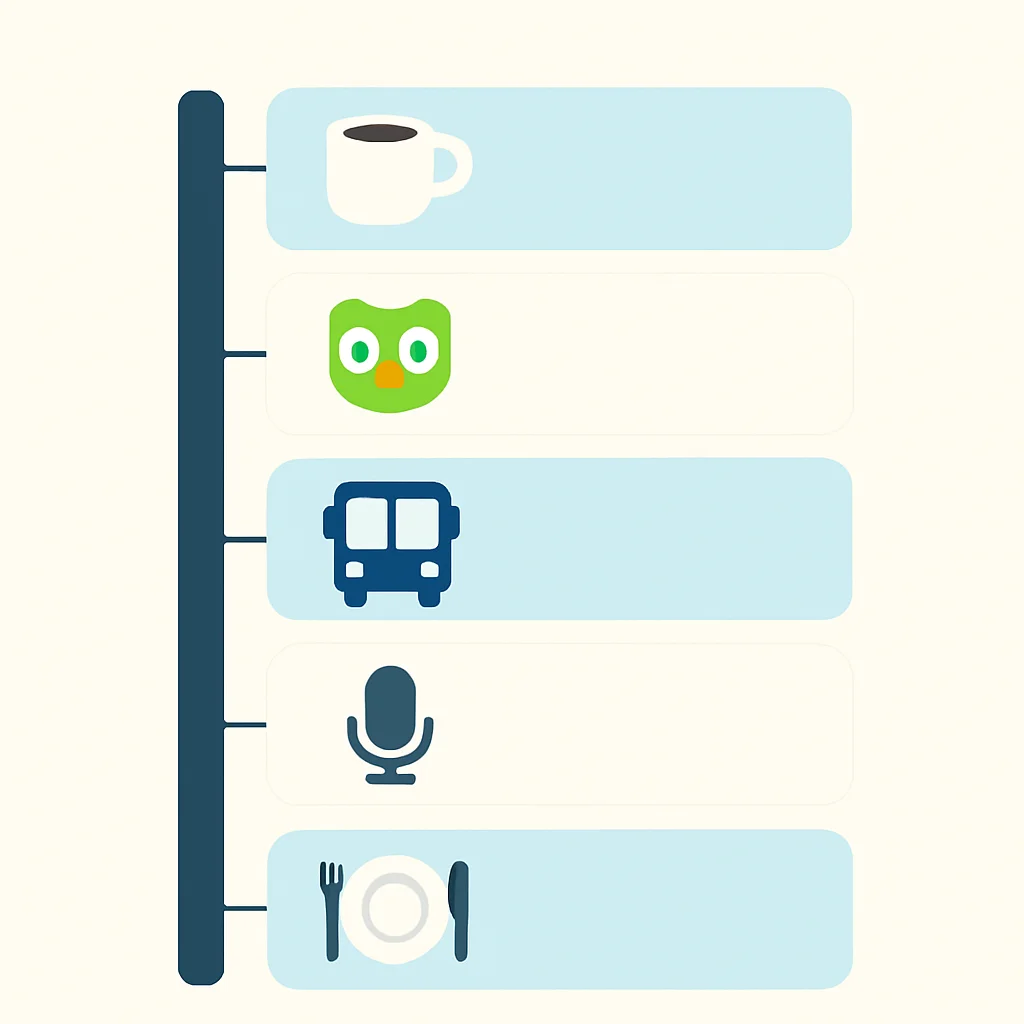
Identify “habit anchors” in your day – existing routines where you can tack on a language learning session. For example:
✓ 10 minutes with Duolingo during your morning coffee.
✓ 15 minutes reviewing Anki flashcards during your commute (if not driving).
✓ 5 minutes listening to a podcast in your target language while making lunch.
✓ 10 minutes reading a simple news article before bed.
Utilize time-blocking techniques like the Pomodoro Technique (25 minutes of work, 5 minutes break). During those 5-minute breaks, instead of scrolling social media, quickly review flashcards or practice a few phrases. This makes your learning truly daily and almost effortless to integrate.
Step 3
Leverage Developer Tools & Mindset
Apply your developer problem-solving skills, logical thinking, and tool-savvy nature to language acquisition.
As developers, we’re naturally inclined towards systems, logic, and efficiency. Apply this mindset to language learning! Think of grammar rules as an API: a structured way to interact with the language. Vocabulary is your data. Debugging is akin to identifying why a sentence sounds “off” and correcting it. Here are some ways to leverage your developer skills:
Spaced Repetition Systems (SRS)
Tools like Anki → are perfect for developers. They’re open-source, highly customizable, and based on algorithms that optimize memory retention. You can create your own flashcard decks for vocabulary, grammar rules, or even entire sentences. It’s like version control for your knowledge!
Automate & Script
Why not write small scripts to help you learn? For instance, you could parse a list of common words from a text file, fetch their translations using a simple API, and generate Anki-importable CSVs. Or create a small command-line quiz game.
CODE EXPLANATION
This Python script demonstrates a very basic command-line vocabulary quiz. It takes a dictionary of words and their translations and quizzes the user. This simple concept can be expanded with more features, like reading from a file, tracking scores, or using a translation API.
import random

def simple_vocab_quiz(vocab_dict):
    "A simple command-line vocabulary quiz."
    words = list(vocab_dict.keys())
    random.shuffle(words)
    score = 0
    total = len(words)

    print("Let's start the vocabulary quiz!")
    print("Type 'quit' to exit at any time.")

    for word in words:
        correct_translation = vocab_dict[word]

        while True:
            user_input = input(f"What is the translation of '{word}'? ").strip().lower()

            if user_input == 'quit':
                print("Quiz ended.")
                return

            if user_input == correct_translation.lower():
                print("Correct!")
                score += 1
                break
            else:
                print("Incorrect. Try again.")

    print(f"\nQuiz complete! You scored {score} out of {total}.")

if __name__ == "__main__":
    # Example vocabulary for learning Spanish
    spanish_vocab = {
        "hello": "hola",
        "goodbye": "adiós",
        "please": "por favor",
        "thank you": "gracias",
        "yes": "sí",
        "no": "no",
        "water": "agua",
        "computer": "ordenador"
    }

    simple_vocab_quiz(spanish_vocab)
This kind of hands-on, problem-solving approach makes language learning feel more like a coding challenge, which can be highly engaging for developers.
KEY POINT
Embrace your developer’s analytical mind by using tools like Anki for efficient vocabulary acquisition and even writing simple scripts to personalize your learning experience, turning language acquisition into a solvable problem.
Step 4
Immerse and Interact
Actively seek opportunities to immerse yourself in the language and interact with native speakers, even from your home.
Apps are fantastic for foundational learning, but real fluency comes from immersion and interaction. As a developer, you’re already connected to the internet, which is a massive resource for immersion. Change your phone’s language, switch your browser to your target language, or follow tech blogs and news sites in that language. Even passively listening to music or watching TV shows with subtitles can make a difference.
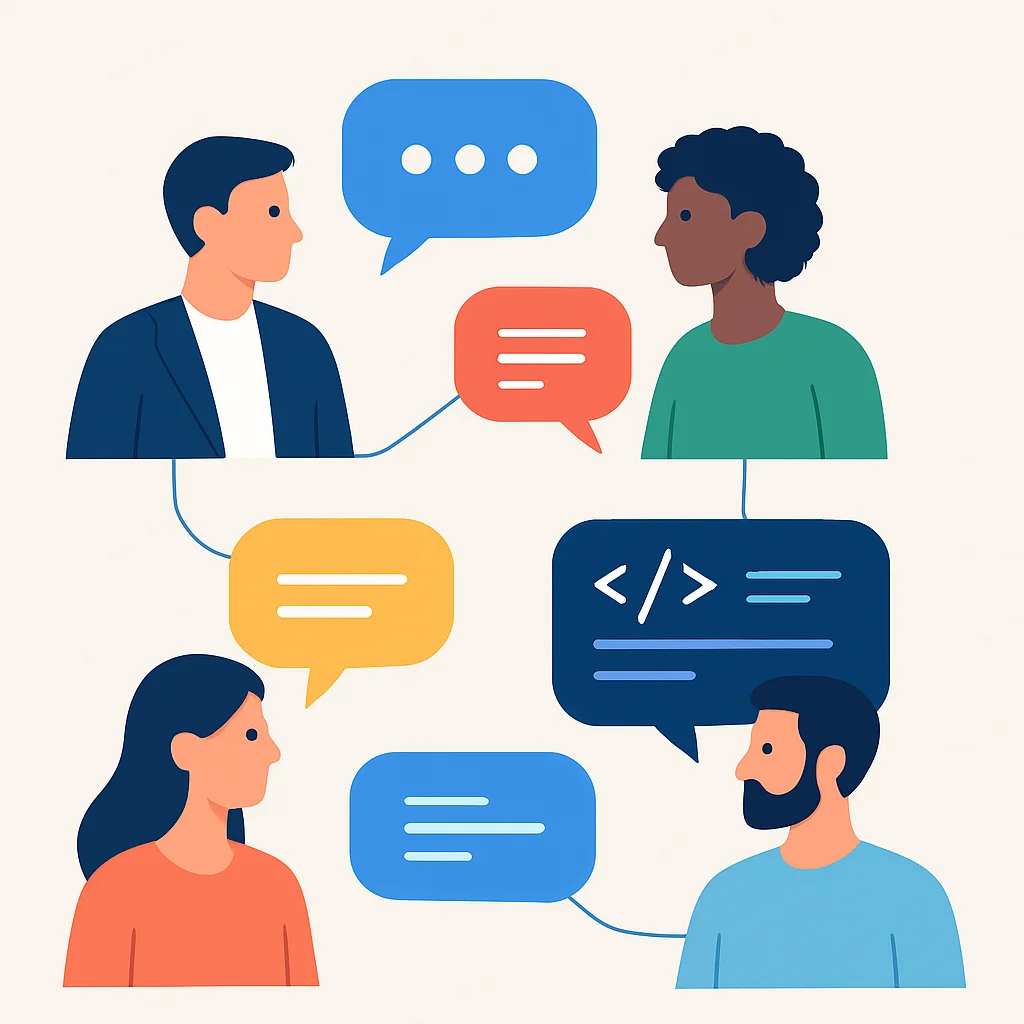
For interaction, don’t be shy! Apps like HelloTalk → and Tandem → connect you with native speakers who are learning your language, creating a mutually beneficial exchange. You can text, send voice messages, or even video call. If you’re learning Japanese, for example, try finding a language partner who is a programmer and exchange coding concepts in your respective languages. This makes the interaction relevant and engaging.
Consider joining online communities or forums related to your interests (gaming, programming, etc.) that are conducted in your target language. Even if you only read at first, it’s a step towards active engagement. In 2026, AI tools are also becoming incredibly sophisticated. Use AI chatbots to practice conversation or ask for explanations of complex grammar points. Treat it like pairing with an advanced linguistic co-pilot!
Step 5
Track Progress & Celebrate Wins
Monitor your learning journey and acknowledge your achievements to maintain motivation and build momentum.
Just as you track bugs and features in project management tools, track your language learning progress. Most language apps have built-in streaks and progress indicators – use them! But also consider a simple spreadsheet or a dedicated habit tracker app to log your daily learning time, new words learned, or lessons completed. Seeing your streak grow (even if it’s just 10 minutes a day) is incredibly motivating.
Set small, achievable milestones and reward yourself. For example, after completing 30 days of consistent practice, treat yourself to a new book or a small gadget. After 90 days, perhaps a subscription to a premium language learning service or a language-related movie night. The key is to make the rewards meaningful but not so large that they become a distraction.
Don’t forget to celebrate the “small wins.” Understanding a phrase in a song, correctly ordering food at a restaurant (even if you’re just using a translation app to confirm), or having a short, unscripted conversation – these are all significant victories that reinforce your habit and build confidence. Share your progress with a friend or accountability partner; external validation can be a powerful motivator.
KEY POINT
Treat your language learning like a project: track progress, set milestones, and celebrate every successful “sprint” to maintain motivation and reinforce your daily habit.
Common Pitfalls & Mistakes to Avoid
Even with the best intentions, habit building can be tricky. Developers, with their analytical minds, sometimes fall into specific traps. Here are a few common pitfalls to watch out for and how to navigate them:
PROBLEM 01
The “Perfectionist Paralysis”
Many developers strive for perfect code, and this mindset can extend to language learning. You might feel overwhelmed by grammar rules or pronunciation, leading to inaction.
SOLUTION
Embrace imperfection. Language learning is inherently messy. Focus on communication over grammatical accuracy in the early stages. Think of it like an MVP (Minimum Viable Product): get a working version out there, then iterate and refine. Making mistakes is part of the learning process; it’s how you “debug” your language skills.
WARNING
Don’t fall into the trap of endlessly consuming resources without actively producing. Watching countless YouTube lessons without speaking or writing will severely limit your progress.
PROBLEM 02
Over-reliance on a Single Tool
While apps like Duolingo are excellent for getting started, relying solely on one method can lead to plateaus and boredom. You might master the app’s gamified system but struggle in real-world conversations.
SOLUTION
Diversify your learning methods. Use apps for vocabulary and basic grammar, Anki for spaced repetition, YouTube for listening comprehension, native speakers for conversation practice, and simple news articles for reading. Each tool targets different skills, creating a more well-rounded learning experience.
PROBLEM 03
Lack of Immediate Feedback
Unlike coding, where a compiler immediately flags errors, language learning often lacks immediate, clear feedback, making it hard to know if you’re truly improving.
SOLUTION
Actively seek feedback. Engage with language exchange partners who can correct you. Consider a tutor for structured feedback. Even using AI tools to check your writing or pronunciation can provide valuable insights. Record yourself speaking and compare it to native speakers. This active feedback loop is crucial for growth.
Practical Application: A Sample 2026 Language Learning Routine
Let’s put these concepts into practice with a realistic daily routine for a busy developer in 2026. This is a template; feel free to adjust it to your own schedule and preferences. The key is consistency, not duration.
Morning (Before Work: 15-20 minutes)
7:00 AM – 7:10 AM: While having your morning coffee, complete 1-2 lessons on a gamified app like Duolingo or Babbel. Focus on pronunciation and understanding new vocabulary in context.
7:10 AM – 7:20 AM: Review Anki flashcards for 10 minutes. Prioritize cards that are due for review based on the SRS algorithm. This reinforces what you learned yesterday and earlier.
Commute/Breaks (During Workday: 10-15 minutes)
9:00 AM – 9:05 AM (or during a short break): Listen to a short news clip or a segment of a podcast in your target language. Don’t worry about understanding every word; focus on getting the gist and recognizing familiar sounds.
12:30 PM – 12:40 PM (Lunch Break): Read a short article from a simplified news source (e.g., News in Slow Spanish →) or a children’s storybook. Look up 2-3 new words and add them to Anki.
Evening (After Work: 15-20 minutes)
6:30 PM – 6:45 PM: Engage in active production. This could be 15 minutes of chatting with a language partner on HelloTalk, writing a few sentences in a journal, or practicing speaking with an AI chatbot.
9:00 PM – 9:15 PM (Optional, but highly recommended): Watch a 15-minute segment of a TV show or movie in your target language with subtitles (native language first, then target language, then no subtitles as you progress). This is enjoyable immersion.
KEY POINT
The total daily time commitment for this routine is around 40-55 minutes, broken into micro-sessions. This makes it manageable and prevents burnout, ensuring long-term consistency.
Remember, the goal is to build a habit. Don’t worry if you miss a day; just get back on track the next. The power of compounding small efforts over time will lead to significant progress in your language learning journey by the end of 2026.
Frequently Asked Questions (FAQ)
Q. How much time should a developer dedicate to language learning daily?
Consistency is more important than duration. Aim for at least 15-30 minutes of focused learning per day, broken into smaller chunks. This micro-learning approach helps maintain the habit without overwhelming a busy schedule.
Q. What are the best language learning tools for developers in 2026?
For developers, Spaced Repetition Systems (SRS) like Anki are highly effective for vocabulary and grammar. Gamified apps (Duolingo, Babbel) are great for beginners, while language exchange apps (HelloTalk, Tandem) and AI chatbots are excellent for practice and feedback.
Q. How can I stay motivated to learn a language consistently?
Define a strong “why” (your core motivation), set small, achievable goals, track your progress visually, and celebrate small wins. Diversify your learning methods to prevent boredom and actively seek opportunities to use the language.
Q. Is it possible to learn a new language while having a demanding developer job?
Absolutely! The key is to integrate micro-learning sessions into your existing routine, such as during commutes, coffee breaks, or while doing chores. Leverage your developer’s analytical mindset to optimize your learning process and use tools efficiently.
Wrap-Up: Your Journey to Multilingual Development
Building a daily language learning habit as a developer in 2026 is an investment in your cognitive abilities, career trajectory, and personal growth. It’s not about finding large blocks of time, but about consistently showing up, even if it’s just for 10-15 minutes. By defining your “why,” embracing micro-learning, leveraging your developer mindset, immersing yourself, and tracking your progress, you can transform an aspiration into a tangible skill.
Remember, the journey of a thousand words begins with a single flashcard. Don’t aim for perfection; aim for consistency. Embrace the mistakes as learning opportunities, just like you would a bug in your code. The global tech landscape of 2026 is waiting for developers who can not only build incredible software but also communicate and connect across linguistic boundaries. Start your language learning habit today, and unlock a world of new possibilities.
Ready to speak the future?
Start small, stay consistent, and watch your language skills grow. The global developer community awaits your multilingual contributions.
Got questions or your own developer-friendly language learning tips? Drop a comment below or share your progress with Kwonglish!
Related Posts
- [Self-Improvement] Master Language Speaking Skills in 2026: Practical Strategies for Developers
- [Self-Improvement] Supercharge Your Language Learning with AI in 2026: Tools & Strategies for Developers
- [Self-Improvement] Create Your Own Language Immersion Environment at Home in 2026: A Developer’s Guide