
SUMMARY
Sleep Optimization for Developers: Improve Rest & Boost Productivity in 2026
Practical strategies for developers to optimize sleep, enhance cognitive function, and boost overall productivity and well-being.
Keywords: sleep optimization, developer health, productivity
TABLE OF CONTENTS
1. Overview: Why Sleep Optimization is Critical for Developers
2. The Science of Sleep: What Happens When You Rest?
3. Core Strategies for Developer Sleep Optimization
4. Real-World Scenarios: Applying Sleep Strategies
5. Tools and Tech to Aid Your Sleep Journey
6. Caveats, Common Pitfalls, and Misconceptions
7. Frequently Asked Questions (FAQ)
8. Wrap-Up: Your Path to Better Sleep in 2026
1. Overview: Why Sleep Optimization is Critical for Developers
As developers, we spend countless hours staring at screens, solving complex problems, and constantly learning new technologies. This demanding environment makes sleep optimization for developers not just a luxury, but a critical component of sustained success and well-being. In 2026, with the acceleration of AI, machine learning, and increasingly intricate systems, the mental load on developers is higher than ever. To truly improve rest and boost productivity, understanding and implementing effective sleep strategies is paramount. A well-rested mind is a sharper mind, capable of more efficient debugging, innovative problem-solving, and better decision-making.
Many developers, myself included, have fallen into the trap of sacrificing sleep to meet deadlines or squeeze in extra coding time. While it might seem productive in the short term, this habit quickly leads to burnout, decreased cognitive function, and a higher propensity for errors. Studies consistently show that chronic sleep deprivation significantly impairs attention, memory, and executive functions – all vital for coding. For instance, research published in Nature and Science of Sleep (2021) → highlights the profound impact of sleep on neurocognitive performance. This isn’t just about feeling tired; it’s about directly impacting your ability to perform at your peak.
KEY POINT
Prioritizing sleep is not lost time; it’s an investment in your cognitive capital. For developers, adequate rest directly translates to fewer bugs, faster development cycles, and sustained creativity, directly impacting your career longevity and personal health.
This guide will walk you through the science behind sleep and provide actionable, practical strategies tailored for the developer lifestyle. From optimizing your sleep environment to managing digital habits and understanding the role of diet and exercise, we’ll cover everything you need to know to transform your rest and, by extension, your professional output in 2026. Let’s make this the year you truly master your sleep.
2. The Science of Sleep: What Happens When You Rest?
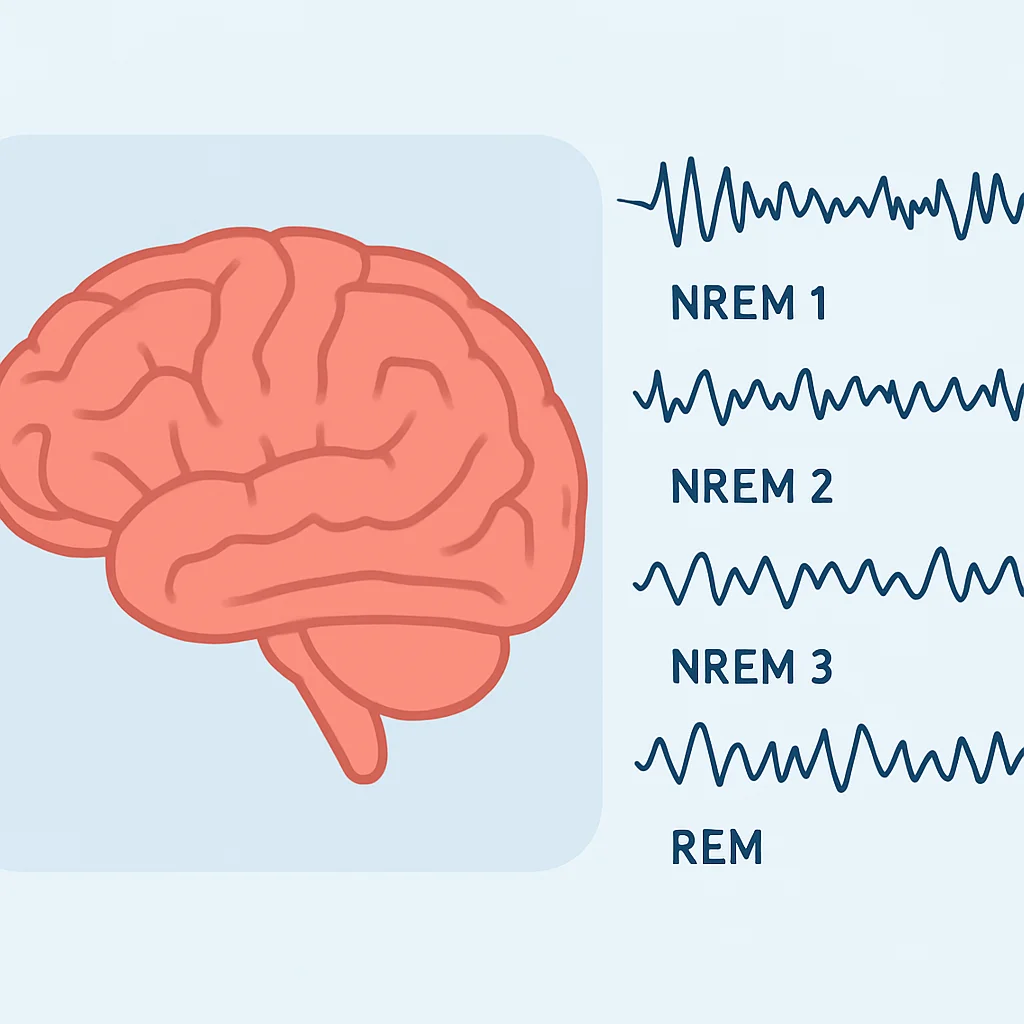
To effectively optimize our sleep, it’s essential to understand what actually happens when we close our eyes. Sleep isn’t just an “off” switch; it’s an incredibly active and restorative process divided into distinct stages, each vital for physical and mental restoration. These stages are broadly categorized into Non-Rapid Eye Movement (NREM) sleep and Rapid Eye Movement (REM) sleep.
The Four Stages of Sleep
NREM Stage 1 (N1) — The transition from wakefulness to sleep. Light sleep, easily awakened. Lasts a few minutes.
NREM Stage 2 (N2) — Deeper sleep where heart rate and body temperature drop. Brain activity slows, characterized by sleep spindles and K-complexes. Accounts for about 50% of total sleep.
NREM Stage 3 (N3) — Deepest, most restorative sleep, often called slow-wave sleep. Crucial for physical repair, immune system strengthening, and growth. Very difficult to awaken from this stage. Vital for memory consolidation and learning.
REM Sleep — Characterized by rapid eye movements, increased brain activity similar to wakefulness, and vivid dreaming. Essential for emotional regulation, processing memories, and complex problem-solving. Muscle paralysis occurs to prevent acting out dreams.
For developers, NREM Stage 3 and REM sleep are particularly crucial. N3 sleep helps consolidate declarative memories (facts, figures, syntax) and procedural memories (coding patterns, algorithms). REM sleep, on the other hand, is where your brain works on integrating new information, processing emotions, and fostering creative problem-solving. This is why you might wake up with a solution to a coding problem that stumped you the night before!
Our bodies also operate on a circadian rhythm, an internal 24-hour clock that regulates our sleep-wake cycle, hormone release, and other bodily functions. This rhythm is primarily influenced by light exposure. Disrupting it, for example, by working late into the night under artificial light, can throw off melatonin production (the sleep hormone) and make it harder to fall asleep and stay asleep.
KEY POINT
A full sleep cycle (N1, N2, N3, REM) takes approximately 90-120 minutes. Most adults need 7-9 hours of sleep, which equates to 4-6 full cycles. Consistently hitting these cycles is key to reaping the cognitive benefits of restorative sleep.
Understanding these fundamental principles allows us to approach sleep not as a passive state, but as an active process we can optimize for peak mental performance. Let’s dive into how we can leverage this knowledge.
3. Core Strategies for Developer Sleep Optimization
Now that we understand the ‘why,’ let’s tackle the ‘how.’ These practical strategies are designed to fit into a developer’s often-demanding schedule, providing actionable steps to improve your sleep quality starting today.
3.1. Establish a Consistent Sleep Schedule
This is arguably the most impactful change you can make. Going to bed and waking up at roughly the same time every day, even on weekends, helps regulate your circadian rhythm. Consistency trains your body to expect sleep and wakefulness at specific times, leading to easier falling asleep and more refreshing awakenings.
KEY POINT
Aim for a maximum variance of 60 minutes between your weekday and weekend sleep times. This helps prevent “social jet lag,” where your body feels like it’s constantly changing time zones, leading to chronic fatigue.
For example, if you aim to wake up at 7:00 AM on weekdays, try to wake up no later than 8:00 AM on Saturday and Sunday. Similarly, if your bedtime is 11:00 PM, stick close to it every night. Your body thrives on predictability.
3.2. Optimize Your Sleep Environment
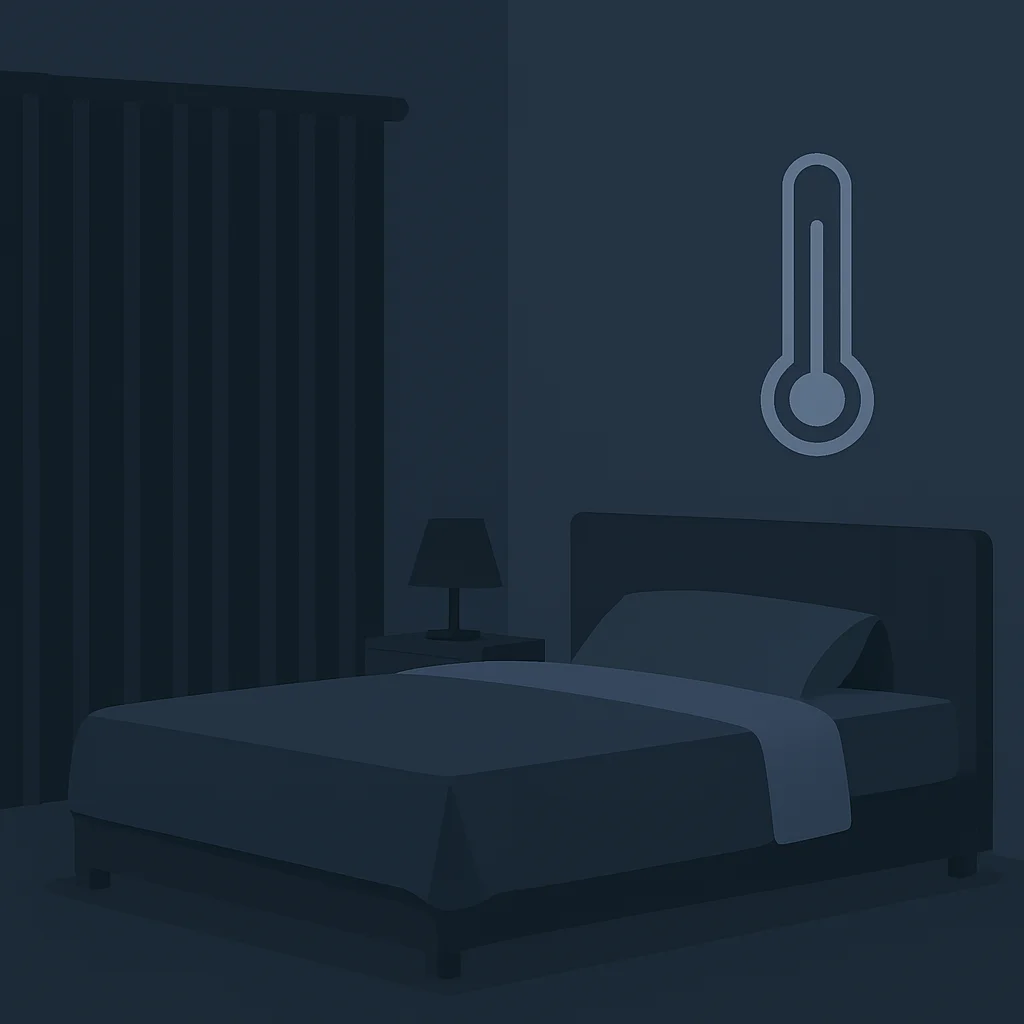
Your bedroom should be a sanctuary for sleep. Focus on these three elements:
Darkness: Even small amounts of light can disrupt melatonin production. Use blackout curtains or an eye mask. Turn off all glowing electronics (routers, charging lights). If you need a nightlight, ensure it’s a dim red light, which is less disruptive to melatonin than blue or white light.
Quiet: Minimize noise pollution. Earplugs can be effective, or consider a white noise machine/app to mask sudden sounds. Consistent, low-level white noise can be more calming than absolute silence for some.
Temperature: The ideal bedroom temperature for most adults is between 60-67°F (15.6-19.4°C). A cooler environment signals your body that it’s time to sleep and helps maintain deep sleep stages. Experiment to find your sweet spot within this range.
3.3. Implement a Pre-Sleep Routine (Digital Detox & Relaxation)
This is crucial for developers. Our work often involves intense mental activity right up until bedtime. Giving your brain time to decompress is vital.
CODE EXPLANATION
This pseudo-code outlines a recommended sleep_preparation_routine for developers, emphasizing a digital detox and relaxation techniques within a 60-90 minute window before desired sleep time. It uses conditional logic to check if a task is completed and records the duration.
function sleep_preparation_routine(desired_sleep_time, current_time) {
  const WIND_DOWN_DURATION_MIN = 60; // Minimum 60 minutes for wind-down
  const RELAXATION_START_TIME = desired_sleep_time - WIND_DOWN_DURATION_MIN;

  if (current_time < RELAXATION_START_TIME) {
    console.log("It's too early to start the routine. Enjoy your evening!");
    return;
  }

  let tasks_completed = [];
  let total_wind_down_time = 0;

  // Step 1: Digital Detox (Min 30-60 minutes before bed)
  const digital_detox_duration = 45; // minutes
  if (current_time >= RELAXATION_START_TIME + digital_detox_duration) {
    tasks_completed.push("Digital Detox (no screens)");
    total_wind_down_time += digital_detox_duration;
    console.log(`[${digital_detox_duration} min] Screens powered down. Reading a physical book or listening to music.`);
  } else {
    console.log("Initiating digital detox. Powering down screens now.");
  }

  // Step 2: Relaxation Technique (Min 15-30 minutes)
  const relaxation_duration = 20; // minutes
  if (tasks_completed.includes("Digital Detox (no screens)") && current_time >= RELAXATION_START_TIME + digital_detox_duration + relaxation_duration) {
    tasks_completed.push("Relaxation Technique (meditation/stretching)");
    total_wind_down_time += relaxation_duration;
    console.log(`[${relaxation_duration} min] Engaged in light stretching or guided meditation.`);
  } else if (tasks_completed.includes("Digital Detox (no screens)")) {
    console.log("Starting relaxation: gentle stretching or a short meditation session.");
  }

  // Step 3: Hygiene & Environment Prep (Min 10-15 minutes)
  const hygiene_duration = 15; // minutes
  if (tasks_completed.includes("Relaxation Technique (meditation/stretching)") && current_time >= desired_sleep_time - hygiene_duration) {
    tasks_completed.push("Personal Hygiene & Environment Prep");
    total_wind_down_time += hygiene_duration;
    console.log(`[${hygiene_duration} min] Showered, brushed teeth, ensured room is dark and cool.`);
  } else if (tasks_completed.includes("Relaxation Technique (meditation/stretching)")) {
    console.log("Preparing for bed: personal hygiene and final room adjustments.");
  }

  if (tasks_completed.length === 3) {
    console.log(`Successfully completed sleep preparation. Total wind-down: ${total_wind_down_time} minutes.`);
    console.log("Ready for a restorative sleep!");
  } else {
    console.log(`Routine in progress. Current tasks completed: ${tasks_completed.join(", ")}. Remaining steps...`);
  }
}

// Example Usage (conceptual):
// Assume current_time is a timestamp representing 10:00 PM
// Assume desired_sleep_time is a timestamp representing 11:00 PM
// sleep_preparation_routine(desired_sleep_time, current_time);
Digital Detox: At least 60-90 minutes before bed, turn off all screens (computer, phone, tablet, TV). The blue light emitted by these devices suppresses melatonin production, making it harder to fall asleep. If you absolutely must use a screen, activate blue light filters (like Night Shift on iOS or f.lux on desktop) and dim the brightness significantly.
Relaxation: Instead of screens, engage in calming activities: read a physical book (not an e-reader with a backlit screen), listen to relaxing music, take a warm bath or shower, practice gentle stretching or yoga, or meditate. Even 10-15 minutes of mindfulness meditation can significantly reduce pre-sleep anxiety.
3.4. Manage Diet, Exercise, and Stimulants
What you consume and how you move your body profoundly impacts your sleep.
Caffeine: Limit caffeine intake, especially in the afternoon and evening. Caffeine has a half-life of about 5-6 hours, meaning half of it is still in your system hours after consumption. For most people, cutting off caffeine 6-8 hours before bed is advisable. If you have a 10 PM bedtime, your last coffee should be no later than 2-4 PM.
Alcohol: While alcohol might make you feel drowsy, it fragments sleep, particularly REM sleep. It can lead to more frequent awakenings and less restorative sleep. Try to avoid alcohol close to bedtime.
Heavy Meals: Avoid large, heavy meals close to bedtime. Your body will be busy digesting, which can interfere with sleep. If you need a snack, opt for something light and easily digestible, like a banana or a small handful of almonds.
Exercise: Regular physical activity is a powerful sleep enhancer. Aim for at least 30 minutes of moderate exercise most days of the week. However, time your workouts carefully: intense exercise too close to bedtime (within 2-3 hours) can be stimulating and make it harder to fall asleep due to elevated body temperature and endorphins.
KEY POINT
Sunlight exposure, especially in the morning, helps regulate your circadian rhythm. Try to get 15-30 minutes of natural light exposure soon after waking up. This signals to your brain that it’s daytime and helps synchronize your internal clock.
3.5. Manage Stress and Mental Load
Developers often carry a significant mental load, from complex architectural decisions to bug tracking. This can lead to a racing mind at night. Incorporate stress-reduction techniques into your daily routine:
Journaling: Before your digital detox, spend 5-10 minutes writing down any lingering thoughts, worries, or tasks for the next day. This “brain dump” can help clear your mind and prevent it from replaying issues at night.
Mindfulness & Meditation: Even short guided meditations (5-10 minutes) can train your brain to calm down and disengage from stressful thoughts. Apps like Headspace or Calm offer excellent resources.
Breathing Exercises: Simple deep breathing techniques, like the 4-7-8 method (inhale for 4, hold for 7, exhale for 8), can activate your parasympathetic nervous system, promoting relaxation.
WARNING
Avoid “revenge bedtime procrastination” – sacrificing sleep to reclaim personal time after a long day. While tempting, it perpetuates a cycle of sleep deprivation, ultimately harming your productivity and well-being. Stick to your set bedtime.
4. Real-World Scenarios: Applying Sleep Strategies
Let’s face it, the developer’s life isn’t always a perfectly scheduled routine. Here’s how to apply these strategies to common challenges in 2026.
4.1. The Late-Night Coding Sprint
Sometimes, a critical bug or an exciting new feature demands your attention past your usual bedtime. This shouldn’t be a regular occurrence, but when it happens, mitigate the damage.
Scenario: Project Deadline Crunch
You’re pushing code until 1 AM for a release, normally you’re asleep by 11 PM.
SOLUTION
Immediate Action: Use blue light filtering software (f.lux, Night Shift) and dim your screen brightness. Hydrate well (water, not caffeine). Take short 5-minute breaks every hour to stretch and look away from the screen.
Post-Sprint Recovery: Don’t completely abandon your schedule. If you went to bed at 1 AM and usually wake at 7 AM, try to wake up at 8 AM instead of sleeping until noon. Get some morning sunlight. Prioritize an earlier bedtime the following night to catch up on lost sleep (sleep debt).
4.2. Dealing with On-Call Duty
Being on-call can severely disrupt sleep. Here’s how to manage it.
Scenario: Pager Duty at 3 AM
An alert wakes you up in the middle of a deep sleep cycle.
SOLUTION
Pre-Call: Ensure your sleep environment is as optimal as possible before starting your on-call shift. Try to bank extra sleep if you know a heavy on-call period is coming.
During Alert: Use minimal screen brightness. Resolve the issue as efficiently as possible. Avoid engaging in non-essential digital activities after resolving the alert.
Post-Alert: Don’t immediately check emails or social media. Go straight back to bed. If you struggle to fall back asleep, use a relaxation technique (breathing, meditation). Consider a short, strategic nap (20-30 minutes) later in the day if allowed by your schedule, but avoid long naps that interfere with nighttime sleep.
4.3. Travel and Time Zone Changes
Business travel or even personal trips can throw your circadian rhythm into disarray.
Scenario: International Conference
You’ve flown from New York to London (5-hour time difference) for a tech conference.
SOLUTION
Pre-Travel: Gradually adjust your sleep schedule by 30-60 minutes per day in the direction of your destination’s time zone a few days before departure. For example, if flying east, go to bed and wake up earlier.
Upon Arrival: Immediately adopt the local time for meals and sleep. Maximize exposure to natural light during the day in the new time zone and minimize it in the evening. Avoid long naps on the first day; short power naps (20 mins) are acceptable if needed. Stay hydrated and avoid excessive caffeine or alcohol.
During Conference: Even with jet lag, try to maintain a consistent sleep schedule as much as possible, prioritizing 7-9 hours. Utilize relaxation techniques to help your body adapt.
5. Tools and Tech to Aid Your Sleep Journey
While the core strategies are behavioral, technology can be a helpful ally in your sleep optimization journey, provided it’s used wisely and doesn’t become another source of blue light before bed. Here are some categories of tools to consider in 2026:
Helpful Sleep Tech for Developers
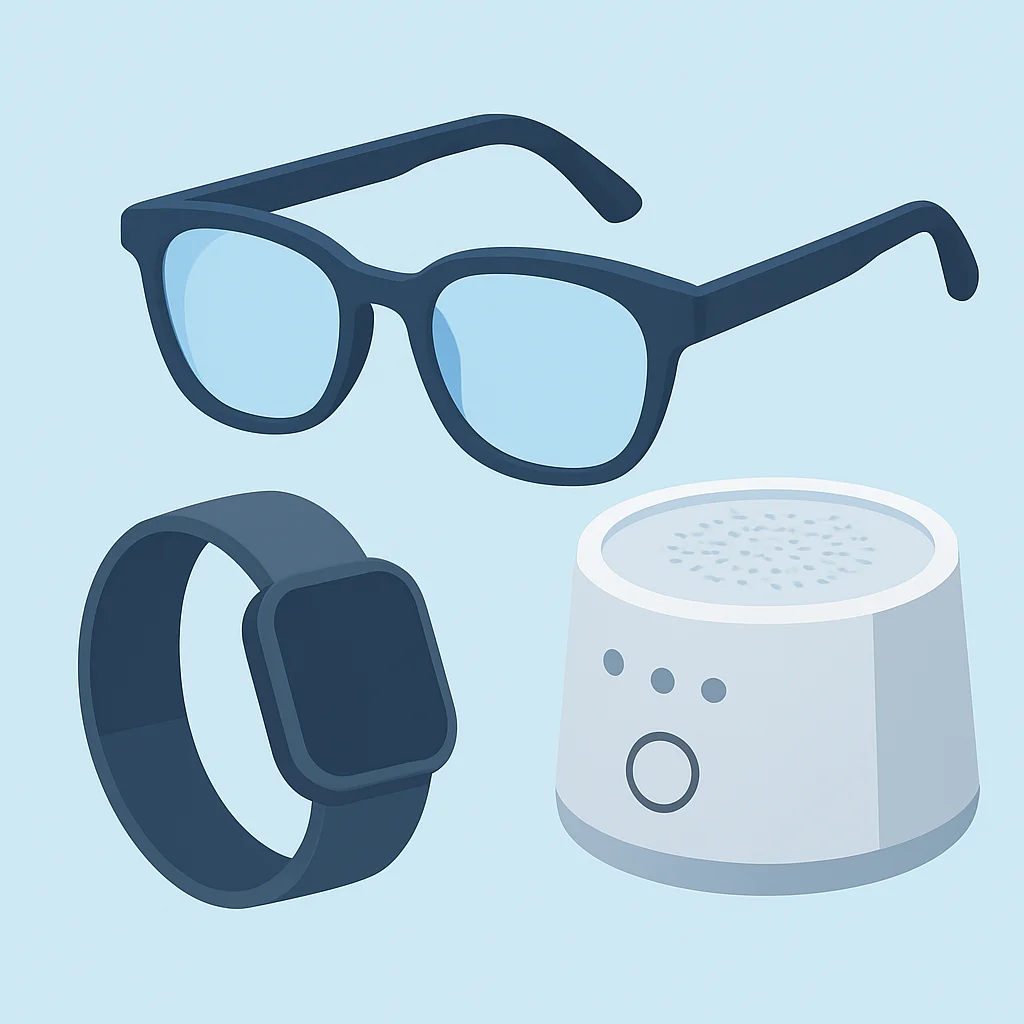
Wearable Sleep Trackers — Devices like Oura Ring, Whoop, or even advanced smartwatches (Apple Watch, Garmin) can track sleep stages, heart rate variability, and movement. Use data for insights, not obsession. For example, if your deep sleep is consistently low, it might indicate a need to adjust your evening routine or sleep environment.
Blue Light Blocking Glasses — If you absolutely must work on screens close to bedtime, amber-tinted glasses can filter out sleep-disrupting blue light. They aren’t a substitute for a digital detox but can be a useful mitigation tool.
Smart Alarms/Wake-Up Lights — These devices (e.g., Philips Hue, Hatch Restore) simulate a sunrise, gradually increasing light to wake you naturally. Some also have “smart” features that wake you during a lighter sleep stage, reducing grogginess.
White Noise Machines/Apps — Consistency of sound can be very calming. Apps like Calm or dedicated machines offer various soundscapes, from gentle rain to brown noise, to mask environmental disturbances.
Meditation/Relaxation Apps — Headspace, Calm, and others offer guided meditations, sleep stories, and breathing exercises that can be invaluable for winding down and quieting a busy developer mind.
KEY POINT
Use sleep tech as a tool for understanding and improvement, not as a source of anxiety. Don’t get overly fixated on perfect scores; focus on how you feel. If data causes stress, take a break from tracking.
Remember, technology should augment, not replace, fundamental good sleep hygiene. A smart alarm won’t fix a chaotic sleep schedule, but it can make waking up a bit more pleasant once you’ve established consistency.
6. Caveats, Common Pitfalls, and Misconceptions
Even with the best intentions, sleep optimization can be tricky. Let’s address some common issues and clear up misconceptions.
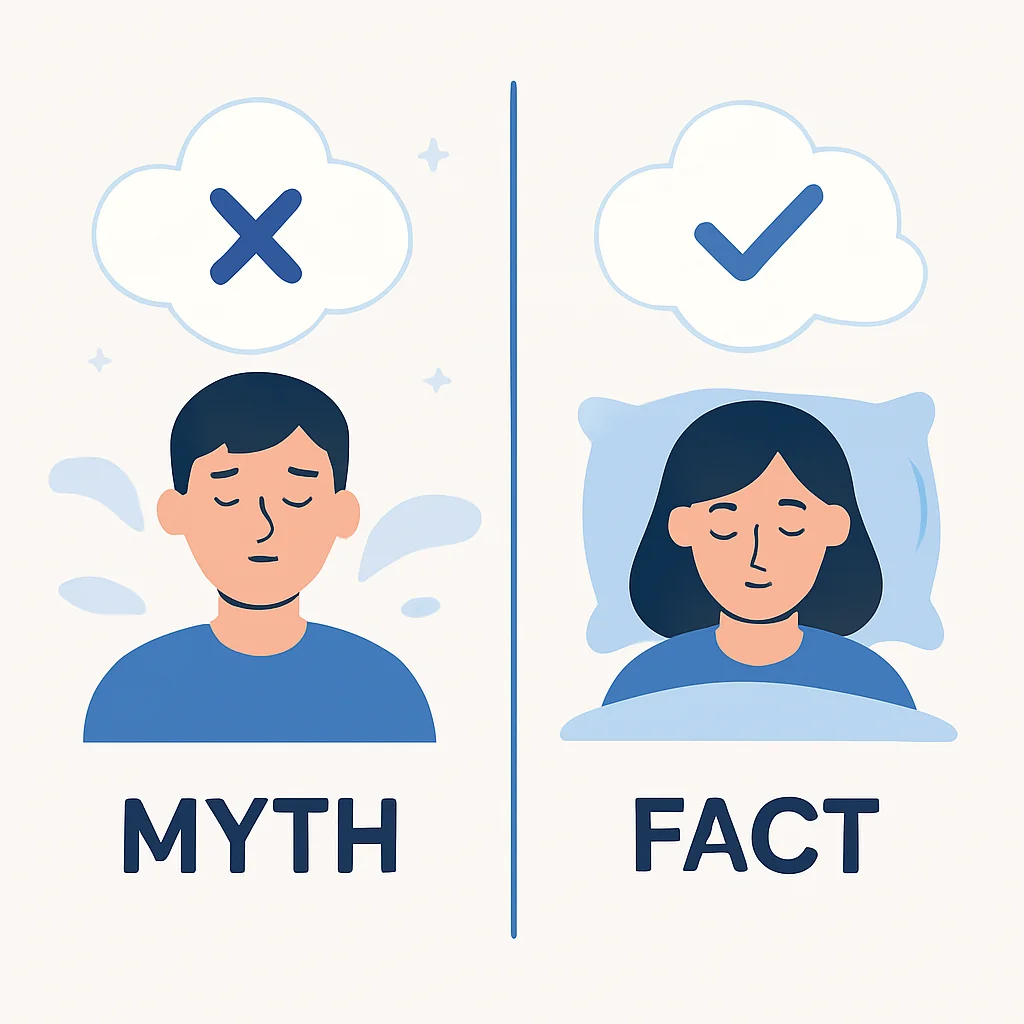
6.1. The “Sleep Debt” Myth vs. Reality
Many believe they can “catch up” on sleep by sleeping extra on weekends. While a bit of extra sleep can help alleviate acute fatigue, chronic sleep debt cannot be fully repaid. Lost sleep has cumulative negative effects on your cognitive function, metabolism, and immune system that a few extra hours on Saturday won’t completely undo. Think of it like financial debt: you can pay off some, but accruing too much debt has long-term consequences.
6.2. Individual Differences in Sleep Needs
While 7-9 hours is the general recommendation, some individuals naturally need slightly more or less. The key is to listen to your body. If you wake up naturally without an alarm feeling refreshed and energized, you’re likely getting enough sleep. If you constantly feel groggy, rely heavily on caffeine, or struggle with concentration, you probably need more.
6.3. When to Seek Professional Help
If you’ve consistently applied these strategies for several weeks and still struggle with chronic insomnia, excessive daytime sleepiness, loud snoring (potentially indicating sleep apnea), or other persistent sleep issues, it’s time to consult a healthcare professional. A doctor or sleep specialist can diagnose underlying conditions and offer tailored treatments. Don’t self-diagnose or rely solely on over-the-counter sleep aids for long-term solutions.
WARNING
Beware of quick fixes or miracle supplements. True sleep optimization is a holistic process involving consistent behavioral changes. Always consult a doctor before starting any new supplements, especially if you have existing health conditions.
Remember, improving sleep is a journey, not a destination. Be patient with yourself, experiment with different strategies, and observe what works best for your unique physiology and lifestyle. Small, consistent changes often yield the most significant long-term benefits.
7. Frequently Asked Questions (FAQ)
Q. How long does it take to reset my sleep schedule?
A. It typically takes about 1 to 2 weeks of consistent effort to significantly reset your circadian rhythm and establish a new sleep schedule. Be patient and stick to your new bedtime and wake-up times, even on weekends.
Q. Is napping beneficial for developers?
A. Short “power naps” of 20-30 minutes can be very beneficial for boosting alertness and cognitive performance, especially in the early afternoon. However, longer naps (over 30-45 minutes) can lead to sleep inertia (grogginess) and disrupt nighttime sleep, so timing is key.
Q. How does blue light from screens affect sleep?
A. Blue light, particularly from electronic screens, suppresses the production of melatonin, the hormone that signals to your body it’s time to sleep. Exposure to blue light in the evening can delay sleep onset and disrupt sleep quality, making a digital detox crucial for developers.
Q. Can changing my diet improve my sleep quality?
A. Yes, diet plays a significant role. Avoiding heavy meals, excessive caffeine, and alcohol close to bedtime can improve sleep. Incorporating foods rich in tryptophan (like turkey or nuts) and magnesium (leafy greens) might also support better sleep, but always maintain a balanced diet.
Q. What if I can’t completely avoid late-night coding due to work?
A. While ideal to avoid, if unavoidable, minimize harm by using blue light filters, dimming screens, taking frequent breaks, and hydrating. Prioritize recovery the next day by slightly extending sleep if possible and strictly adhering to your sleep routine on subsequent nights to mitigate sleep debt.
8. Wrap-Up: Your Path to Better Sleep in 2026
As developers, our most valuable asset is our mind. Just as we optimize our code for performance, we must optimize our sleep for peak cognitive function and overall well-being. In 2026, the demands on our intellect are only growing, making sleep optimization an indispensable strategy for success.
Key Takeaways for Developers
☑ Consistency is King: Stick to a regular sleep schedule, even on weekends.
☑ Optimize Your Environment: Make your bedroom dark, quiet, and cool.
☑ Digital Detox: Power down screens 60-90 minutes before bed.
☑ Mind Your Intake: Limit caffeine and alcohol, especially in the evening.
☑ Manage Stress: Incorporate relaxation techniques into your evening routine.
☑ Listen to Your Body: Adjust strategies based on how you feel, and seek professional help if needed.
By implementing these practical strategies, you’re not just improving your sleep; you’re investing in a more productive, creative, and sustainable career as a developer. Better sleep means better code, better problem-solving, and a better quality of life. Start making small, consistent changes today, and experience the profound difference quality sleep can make.
Thanks for reading
We hope this guide empowers you to achieve the restful sleep you deserve and unlock your full potential as a developer. Your well-being is the foundation of your success.
Got questions or your own sleep tips? Drop a comment below or connect with Kwonglish at kwonglish.com →