
SUMMARY
Mentorship for Developers: Find & Be a Mentor in 2026
Unlock career growth and impact others by understanding how to find a mentor and effectively become one in the tech world.
Keywords: Mentorship, Developer Career, Tech Mentor
TABLE OF CONTENTS
1. Why Mentorship Matters for Developers in 2026
2. How to Find Your Ideal Tech Mentor
3. Becoming an Effective Mentor in the Tech Space
4. Practical Applications & Real-World Scenarios
5. Common Pitfalls and How to Avoid Them
6. Frequently Asked Questions (FAQ)
WHY IT MATTERS
Why Mentorship Matters for Developers in 2026
In the rapidly evolving landscape of software development, staying ahead and navigating career paths can be challenging. That’s precisely why mentorship for developers has become more crucial than ever in 2026. Whether you’re a junior developer eager to learn the ropes, a mid-level engineer aiming for leadership, or a seasoned pro looking to refine your skills, having a mentor can significantly accelerate your growth. Equally, the act of becoming a mentor allows you to solidify your own knowledge, hone your leadership abilities, and give back to the community.
Mentorship isn’t just a buzzword; it’s a proven catalyst for professional development. Research from organizations like Gartner and Deloitte consistently highlights that employees with mentors are more engaged, productive, and less likely to leave their roles. For developers, this translates into faster skill acquisition, clearer career roadmaps, and a stronger sense of belonging within the tech community. In an industry where new frameworks emerge almost daily and best practices shift, a mentor provides invaluable context, experience, and a sounding board for complex problems.
Consider the story of Sarah, a frontend developer who felt stuck after two years in her role. She understood React, but struggled with architectural decisions and advocating for her ideas. After finding a mentor, a senior architect at a different company, Sarah began to grasp the “why” behind design patterns and how to articulate her technical decisions effectively. Within six months, she was leading small features and felt confident tackling more complex challenges, something she credits entirely to her mentor’s guidance.

Beyond individual growth, mentorship fosters a culture of continuous learning and knowledge sharing within the tech ecosystem. It builds bridges between generations of developers, preserving institutional knowledge and accelerating innovation. As Kwonglish, I’ve seen firsthand how a well-structured mentorship can transform a developer’s trajectory. It’s not just about learning technical skills; it’s about developing the soft skills, strategic thinking, and emotional intelligence necessary to thrive in high-performing teams.
Mentorship is a dual-benefit relationship: it accelerates the mentee’s career growth and strengthens the mentor’s leadership skills and technical expertise, creating a positive feedback loop in the tech community.
CORE METHODS
How to Find Your Ideal Tech Mentor
Finding the right mentor isn’t about stumbling upon someone; it’s a strategic process that requires clarity, effort, and respect. Here’s a step-by-step guide to help you find a mentor who can genuinely support your developer journey in 2026.
STEP 1: Define Your Goals and Needs
Before you even think about approaching someone, get clear on what you want to achieve. Are you looking to master a specific programming language (e.g., Rust, Go)? Do you need guidance on career progression, leadership skills, or navigating company politics? Perhaps you want to break into a new domain like AI/ML or cybersecurity. Specific goals will help you identify the right type of mentor and allow you to articulate your needs clearly. Without this clarity, any potential mentor will struggle to understand how they can help you.
STEP 2: Identify Potential Mentors
Look both internally and externally. Within your company, senior developers, tech leads, or engineering managers can be excellent mentors. They understand your company’s context and challenges. Externally, consider:
• Professional Networks: LinkedIn, industry events, conferences (virtual or in-person).
• Online Communities: GitHub, Stack Overflow, Reddit communities (e.g., r/ExperiencedDevs), Discord servers for specific tech stacks.
• Mentorship Platforms: Platforms like MentorCruise, ADPList, or specific company-sponsored programs often connect mentees with experienced professionals.
Seek individuals who have achieved what you aspire to, or who possess the specific skills you wish to develop. Look for people who are active in the community, share knowledge, and demonstrate strong communication skills.
STEP 3: Craft Your Outreach Message
This is crucial. A cold email or LinkedIn message needs to be concise, respectful, and clear about your intentions. Don’t ask for a lifelong commitment immediately. Instead, request a brief chat to get advice on a specific challenge or topic. Here’s a template:
Subject: Quick Question on [Specific Area of Expertise] - [Your Name]

Dear [Mentor's Name],

My name is [Your Name], and I'm a [Your Role/Title, e.g., Junior Software Engineer] at [Your Company/Industry].

I've been following your work on [mention something specific you admire: e.g., your recent article on microservices, your open-source project X, your talk at Y conference] and am incredibly impressed by your expertise in [Specific Area].

I'm currently working on [briefly mention a challenge or goal, e.g., improving my system design skills, navigating a career transition into cloud architecture] and was hoping to get your quick advice on [specific question, e.g., "how you approached learning distributed systems," or "best resources for AWS certifications"].

Would you be open to a brief 15-20 minute virtual coffee chat sometime in the next few weeks? I understand your time is valuable and would be very grateful for any insights you could share.

Thank you for your time and consideration.

Best regards,

[Your Name]
[Your LinkedIn Profile URL (Optional)]
STEP 4: Nurture the Relationship
Once a mentor agrees to meet, be prepared. Have your questions ready, listen actively, and take notes. Always follow up with a thank-you note, and update them on your progress based on their advice. This shows you value their time and guidance. A mentorship often evolves organically from these initial interactions. Remember, it’s a two-way street; be respectful of their time and demonstrate your commitment to learning. Don’t expect them to solve all your problems, but rather to guide you toward solutions.
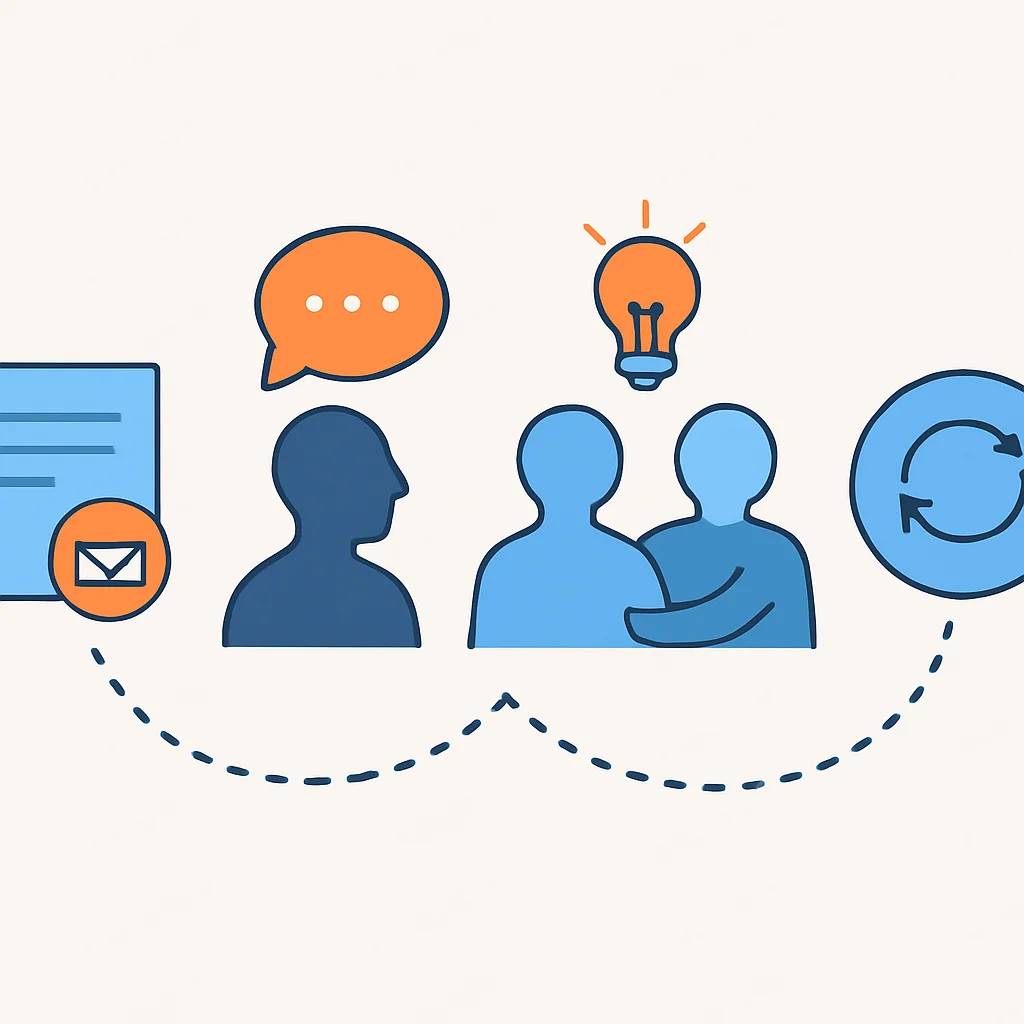
The most successful mentorships begin with clear goals, respectful outreach, and consistent follow-through, evolving naturally from a series of valuable, short interactions into a lasting professional relationship.
CORE METHODS
Becoming an Effective Mentor in the Tech Space
If you’ve gained significant experience in the tech industry, perhaps it’s time to consider how to be one yourself. Becoming a mentor is incredibly rewarding and a powerful way to enhance your own leadership and communication skills. Here’s how to become an effective mentor in 2026.
STEP 1: Assess Your Readiness and Availability
Mentoring requires a genuine commitment of time and energy. Before you offer to mentor, honestly evaluate if you have the capacity. Consider your current workload, personal commitments, and energy levels. An effective mentor is present, engaged, and reliable. It’s better to mentor one person well than to spread yourself too thin across several. Think about what areas you feel most confident offering guidance in – whether it’s specific technologies, career advice, or soft skills like negotiation.
Mentor Readiness Checklist
☑ Can I commit 1-2 hours per month consistently?
☑ Do I have expertise in an area a junior developer might seek?
☑ Am I genuinely interested in helping others grow?
☑ Am I a good listener and communicator?
☐ Have I clearly defined my boundaries and expectations?
STEP 2: Define Your Mentorship Style and Boundaries
What kind of mentor do you want to be? A technical expert, a career coach, a sounding board, or a blend of these? Communicate your availability, preferred communication methods (e.g., monthly video calls, occasional email), and areas of expertise upfront. This sets clear expectations and prevents misunderstandings. For example, you might specialize in guiding developers through their first senior engineer promotion, or perhaps you excel at helping junior developers understand complex architectural patterns.
WARNING
Avoid promising more than you can deliver. Overcommitting can lead to burnout for you and disappointment for your mentee. Be realistic about your time and expertise.
STEP 3: Provide Actionable Feedback and Resources
Effective mentoring involves more than just sharing war stories. It’s about empowering your mentee with tools and strategies. When giving advice, make it specific, constructive, and actionable. Instead of saying, “Your code needs to be cleaner,” try, “Consider applying the Single Responsibility Principle to this module; here’s a good article on it.” Point them to relevant books, courses, open-source projects, or communities. Encourage them to experiment and learn independently.

STEP 4: Be a Guide, Not a Manager
The core difference between a mentor and a manager is authority. A mentor offers advice and guidance; they don’t assign tasks, evaluate performance, or have direct influence over a mentee’s job. Your role is to listen, ask probing questions, share your experiences, and help your mentee discover their own solutions. Foster their independence and critical thinking. Celebrate their successes and help them learn from setbacks without judgment.
An effective mentor empowers their mentee by providing actionable advice, relevant resources, and a safe space for growth, always acting as a guide rather than a direct manager.
PRACTICAL APPLICATION
Practical Applications & Real-World Scenarios
Let’s look at some real-world scenarios to illustrate how mentorship plays out for both mentees and mentors in 2026.
Use Case: Junior Dev Navigating Career Path
A junior full-stack developer, Alex, feels overwhelmed by the sheer number of technologies and potential career paths (e.g., specializing in backend, DevOps, or staying generalist). Alex seeks a mentor.
Mentee Action: Alex identifies a senior engineer, Maria, who has successfully transitioned from full-stack to a specialized backend role at a different company. Alex sends a polite LinkedIn message, asking for 20 minutes to discuss career specialization, specifically backend development. Alex comes prepared with specific questions about Maria’s journey and recommended learning resources.
Mentor Action: Maria, having gone through a similar experience, agrees to the call. She shares her personal journey, outlines the pros and cons of specialization vs. generalization, and recommends a few key books and online courses for backend focus. She emphasizes the importance of hands-on projects and contributing to open source. She offers to connect again in a month to check on Alex’s progress.
Use Case: Mid-Level Dev Aspiring to Leadership
A mid-level software engineer, Ben, is technically proficient but struggles with delegating tasks and fostering team collaboration, hindering his path to a tech lead role.
Mentee Action: Ben approaches his engineering manager, Sarah, who is known for her strong leadership skills. Ben expresses his aspirations and asks if Sarah would be willing to informally mentor him on leadership development, focusing on delegation and team communication. Ben proposes specific topics for their bi-weekly 30-minute meetings.
Mentor Action: Sarah agrees, seeing Ben’s initiative. During their sessions, she shares frameworks for effective delegation, role-plays difficult conversations, and provides specific feedback on Ben’s team interactions. She assigns “homework” like observing how other leaders delegate and reflecting on his own communication style. Sarah also coaches him on how to lead a small project from start to finish, providing a safe environment for him to practice.
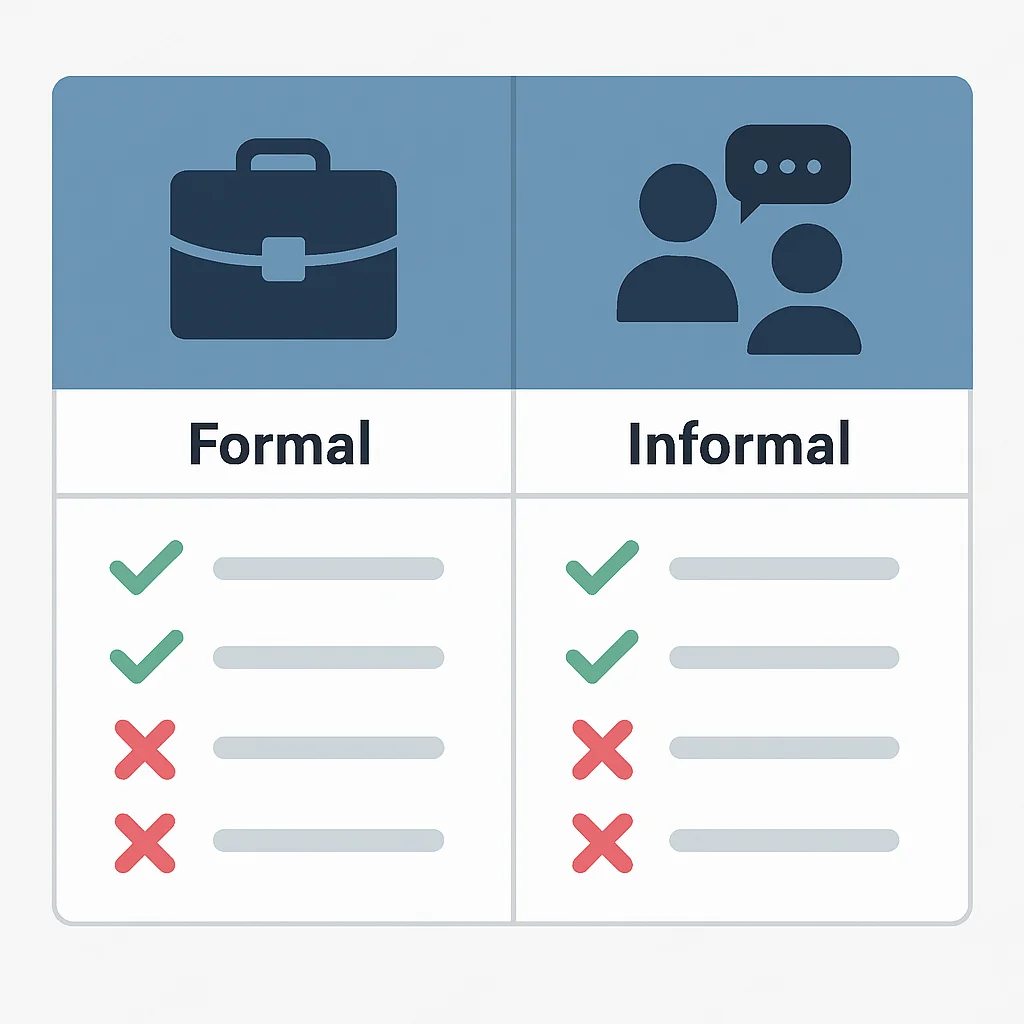
Pros of Formal vs. Informal Mentorship
✔ Formal (e.g., company programs): Structured, clear expectations, often matched by HR, access to a pool of mentors.
✔ Informal (self-initiated): Organic, driven by mentee’s specific needs, deeper personal connection, often more flexible.
Cons of Formal vs. Informal Mentorship
✖ Formal: Can feel forced, less personal connection, limited choice in mentor, potential for bureaucratic overhead.
✖ Informal: Requires more proactive effort from mentee, no guarantee of finding a mentor, relationship might lack clear structure.
COMMON PITFALLS
Common Pitfalls and How to Avoid Them
Even with the best intentions, mentorship relationships can falter. Being aware of common pitfalls can help both mentees and mentors ensure a productive and lasting connection.
WARNING: Mismatched Expectations
Pitfall: A mentee expects their mentor to find them a new job, or a mentor expects the mentee to follow every piece of advice without question. This often leads to frustration and resentment.
Solution: At the outset, both parties should discuss and align on what they hope to gain from the relationship, how often they’ll meet, and what the boundaries are. Revisit these expectations periodically.
WARNING: Lack of Commitment
Pitfall: Missed meetings, lack of preparation, or failure to follow through on agreed-upon actions can quickly erode the value of the mentorship.
Solution: Both mentee and mentor must prioritize the relationship. Mentees should come with specific questions or updates, and mentors should be present and engaged. If schedules conflict, communicate proactively to reschedule.
WARNING: Poor Communication
Pitfall: Mentees being too shy to ask for help, or mentors dominating conversations without truly listening to the mentee’s needs.
Solution: Foster an environment of open and honest communication. Mentees should feel comfortable asking “dumb questions,” and mentors should practice active listening and ask open-ended questions to understand the mentee’s perspective better.
KEY POINT
Proactive communication, clear expectation setting, and mutual respect are the cornerstones of avoiding common mentorship pitfalls and building a resilient, beneficial relationship.

Frequently Asked Questions (FAQ) About Developer Mentorship
Q. How long should a mentorship relationship last?
There’s no fixed duration; some last a few months for specific goals, while others evolve into long-term professional friendships spanning years. The key is to periodically assess if both parties are still benefiting and adjust as needed.
Q. Can I have more than one mentor?
Absolutely! Many successful developers have a “board of advisors,” with different mentors for different aspects of their career – one for technical depth, another for leadership, and perhaps one for career strategy. Just ensure you can manage the commitments.
Q. What if a mentor-mentee relationship isn’t working out?
It’s okay for a mentorship to end. If it’s not working, have an honest, respectful conversation. Thank them for their time and insights, explain your current needs, and amicably part ways. It’s better to conclude gracefully than to let it fizzle out uncomfortably.
Q. How often should a mentee and mentor meet?
This varies, but typically once a month or bi-weekly for 30-60 minutes works well. Consistency is more important than frequency. Agree on a schedule that suits both parties and stick to it.
Q. Is it appropriate to pay a mentor?
Traditional mentorship is often unpaid, built on goodwill and a desire to give back. However, specialized coaching platforms (like MentorCruise) offer paid mentorship, which guarantees structure and commitment. It depends on the context and the platform.
Thanks for reading!
Mentorship is a powerful tool for career growth and community building in the ever-evolving tech world. By applying the strategies outlined here, you can confidently find a valuable mentor and, when ready, become an impactful one yourself.
Ready to take the next step in your developer journey? Start defining your goals today! Got questions or your own mentorship stories? Drop a comment below!