
SUMMARY
Navigating Short-Term Rental Laws: Your Legal Guide to Airbnb & VRBO in 2026
This is a practical guide for developers to understand and comply with short-term rental laws for platforms like Airbnb and VRBO, aimed at minimizing legal risks and maximizing passive income in 2026.
Keywords: short-term rental, Airbnb laws, VRBO regulations
TABLE OF CONTENTS
1. Overview: Why Understanding STR Laws is Crucial for Property Investors
2. The Legal Landscape of Short-Term Rentals in 2026
3. Navigating Local Regulations: The Decisive Factor
4. Real-World Case Studies: Compliance and Consequences
5. Essential Checklist for New Short-Term Rental Hosts
6. Caveats and Considerations for Your STR Investment
7. Frequently Asked Questions (FAQ)
8. Wrap-Up: Secure Your Passive Income Stream
1. Overview: Why Understanding STR Laws is Crucial for Property Investors
The allure of passive income through short-term rentals (STRs) like Airbnb and VRBO has captivated many, particularly developers and tech-savvy investors seeking to diversify their portfolios. The concept of transforming a spare room, vacation home, or even a dedicated investment property into a reliable revenue stream is incredibly enticing. However, the intricate and ever-evolving web of laws and regulations governing these properties is often overlooked. In 2026, navigating this legal landscape is more complex than ever, and a misunderstanding can lead to significant financial penalties, legal disputes, and even the loss of your investment.
Consider the scenario of investing hundreds of thousands, if not millions, into a property with the sole intent of operating it as an STR, only to discover post-purchase that local zoning laws prohibit it, or that an expensive, hard-to-obtain license is required. This isn’t merely hypothetical; it is a harsh reality for many unprepared hosts. The dynamic nature of STR laws means that what was permissible last year might be illegal today, necessitating constant vigilance and proactive compliance.
For Kwonglish readers, who are often developers and innovators, the appeal of a “developer side hustle” in real estate is strong. However, just as you wouldn’t deploy code without understanding security protocols and compliance standards, you shouldn’t launch an STR without a thorough exploration of its legal framework. This guide aims to equip you with the knowledge to identify potential pitfalls, comprehend the various layers of regulation, and ensure your STR venture remains a profitable, legal, and stress-free asset.
KEY POINT
The single biggest mistake new STR hosts make is failing to research and comply with local short-term rental laws before purchasing or listing a property. This oversight can lead to severe fines, operational shutdowns, and significant financial losses.

2. The Legal Landscape of Short-Term Rentals in 2026
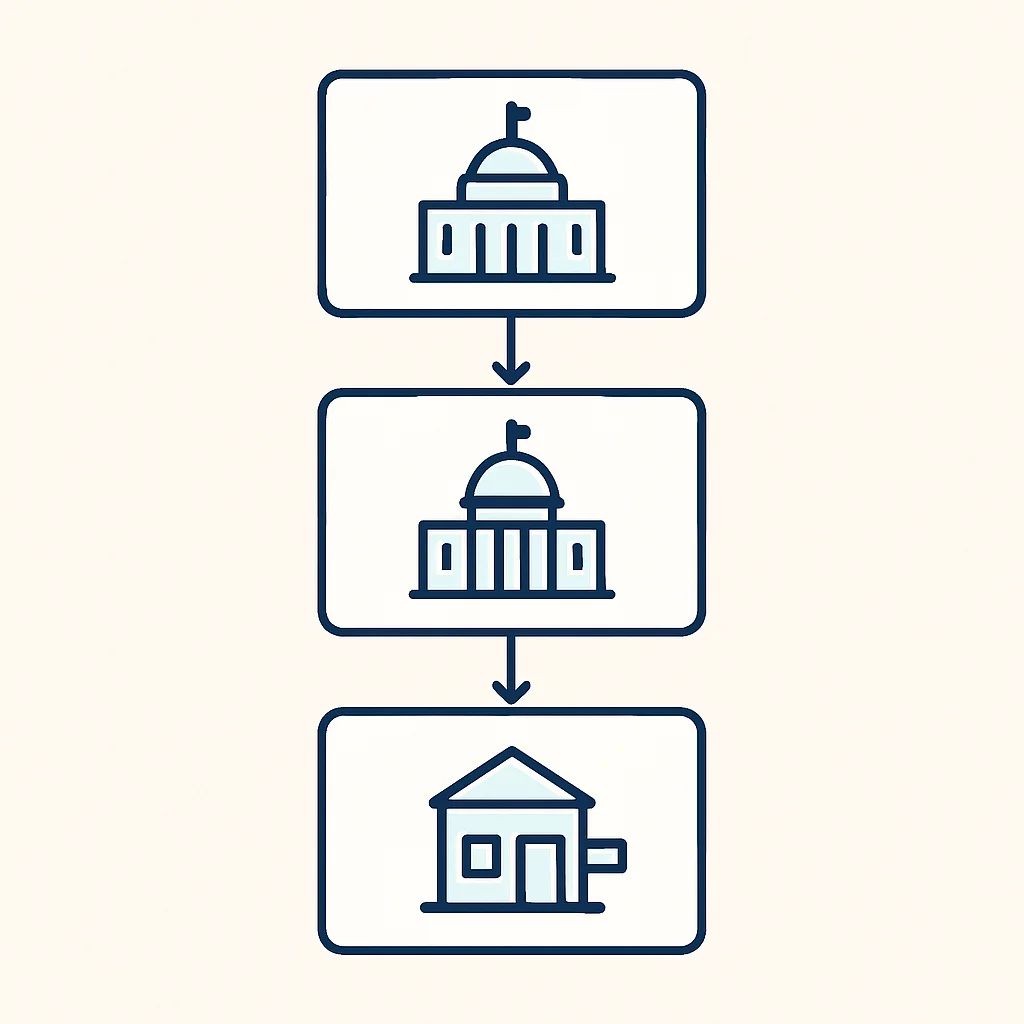
The regulatory environment for short-term rentals is a multi-layered structure, with rules often originating from federal, state, and most critically, local authorities. Understanding which level of government has jurisdiction over what aspect of your STR is essential.
Federal and State-Level Regulations
While federal laws generally don’t directly regulate the day-to-day operations of STRs, they do set a backdrop for broader issues such as non-discrimination (Fair Housing Act) and accessibility (Americans with Disabilities Act). For instance, if your STR is part of a larger complex or if you operate multiple units as a business, these federal statutes could apply, necessitating reasonable accommodations for guests with disabilities.
State laws, on the other hand, play a more direct role, often establishing frameworks that local municipalities must adhere to. Some states, such as Arizona and Florida, have “preemption” laws that limit how much local governments can restrict STRs, often preventing outright bans while allowing regulation of health, safety, and taxation. Conversely, states like California and New York grant significant authority to local jurisdictions, resulting in a patchwork of highly diverse rules.
CODE EXPLANATION
This HTML snippet illustrates how different states approach STR regulation, either by preempting local bans or by empowering local control. This understanding is crucial for grasping the top-level legal constraints.
<!-- State-level STR regulatory approaches -->
<div class="state-regulation">
  <h3>State Preemption (e.g., Florida, Arizona)</h3>
  <p>Limits local governments' ability to ban STRs, but allows regulation of health, safety, and taxation.</p>
</div>

<div class="state-regulation">
  <h3>Local Empowerment (e.g., California, New York)</h3>
  <p>Grants significant authority to local jurisdictions, leading to diverse and often strict local rules.</p>
</div>
Common state-level requirements in 2026 often include:
- State-wide Registration: Some states require all STRs to register with a state agency, providing contact information and proof of insurance. For instance, in 2026, states like Hawaii continue to enforce specific registration for transient accommodations.
- Tax Collection and Remittance: Most states mandate the collection of state sales tax or a specific transient occupancy tax (TOT) on STR bookings, which hosts are responsible for remitting. This can range from 4% to 8% on top of local taxes.
- Insurance Mandates: While platforms like Airbnb offer host protection insurance, many states recommend or require hosts to carry specific commercial liability insurance policies tailored for STRs. A standard homeowner’s policy will almost certainly not cover STR-related incidents.
- Health and Safety Standards: Basic health and safety requirements, such as smoke detectors, carbon monoxide detectors, and fire extinguishers, are often codified at the state level, serving as a baseline for local ordinances.
KEY POINT
Always start your legal research at the state level to understand the overarching framework. State laws can either empower or restrict local governments’ ability to regulate STRs, which profoundly impacts what’s possible in your specific city or county.
3. Navigating Local Regulations: The Decisive Factor
While state laws provide a foundation, it’s the municipal (city or county) regulations that truly dictate whether and how you can operate an STR. These local laws are often the most restrictive, complex, and subject to frequent change due to community pressure and local government priorities. Ignoring them is the fastest way to invite trouble.
Key Local Regulatory Areas to Investigate:
- Zoning Restrictions: This is often the first hurdle. Many cities have specific zoning districts (e.g., R-1 for single-family residential) where commercial activities, including STRs, are prohibited or heavily restricted. You need to verify if your property’s zoning allows for STR use. Some areas may only permit STRs in specific tourism zones or mixed-use commercial districts.
- Permitting and Licensing: Most STR-friendly cities require a business license or a specific STR permit. This involves an application process, fees (which can range from $50 to over $1,000 annually), and often an inspection. The process can be lengthy, taking weeks or even months. For example, cities like Portland, OR, require a Type A (owner-occupied) or Type B (non-owner-occupied) permit, each with distinct requirements and costs.
- Occupancy Limits: Local ordinances often cap the number of guests allowed per bedroom or per unit. This isn’t just about comfort; it’s a safety measure and a way to manage neighborhood impact. A common limit might be 2 adults per bedroom plus 2 additional adults for the unit.
- Duration Limits (Night Caps): Many popular tourist destinations impose limits on the maximum number of nights a property can be rented out annually. For instance, some cities limit non-owner-occupied STRs to 90 or 120 days per year, while owner-occupied units might have higher caps or no caps at all. New Orleans, LA, for example, has a 90-day cap for non-residential STRs in certain areas.
- Owner-Occupancy Requirements: A growing trend in 2026 is the requirement that the host must live on the property for a significant portion of the year (e.g., 270 days) or be present during guest stays. This aims to curb investor-owned STRs and preserve housing stock for residents. Cities like Santa Monica, CA, are very strict about this.
- Health and Safety Standards: Beyond state minimums, local governments often add specific requirements such as mandatory fire suppression systems, posted emergency exits, noise monitoring devices, and regular inspections.
- Noise and Nuisance Ordinances: To address common neighbor complaints, many cities have strict noise ordinances, particularly during “quiet hours” (e.g., 10 PM to 7 AM). Hosts are often responsible for ensuring guests comply, sometimes facing fines if they don’t.
- Local Taxes (TOT/Occupancy Tax): In addition to state taxes, almost all cities with STRs levy their own transient occupancy tax, which can range from 5% to 15% of the booking total. This revenue often goes towards local tourism initiatives or general funds.
- Homeowners Association (HOA) & Condo Bylaws: This is a critical, often overlooked layer. Even if your city allows STRs, your HOA or condo association might explicitly prohibit them. These private agreements can be even more restrictive than municipal laws, and violating them can lead to significant fines, forced sales, or even foreclosure. Always get a copy of the HOA bylaws and Covenants, Conditions, and Restrictions (CC&Rs) and have them reviewed by an attorney.
KEY POINT
The most significant legal challenges for STR hosts arise from local zoning and permitting requirements. Thoroughly research city/county ordinances and HOA bylaws before committing to a property. Assume nothing.
WARNING
Operating an unregistered or non-compliant short-term rental can result in substantial fines, forced cease-and-desist orders, revocation of business licenses, and in some extreme cases, legal action from neighbors or the city, potentially leading to property liens or forced sale. Fines can range from $500 to $5,000 per violation, per day, in some jurisdictions.
Platform-Specific Rules (Airbnb, VRBO)
While not “laws” in the governmental sense, the terms of service for platforms like Airbnb and VRBO are legally binding contracts between you and the platform. These platforms require hosts to comply with all local laws and regulations. They often have community standards, guest conduct policies, and even data-sharing agreements with municipalities. If you violate their terms, they can delist your property or ban you from the platform, cutting off your primary booking channel.
In 2026, many platforms are increasingly proactive in working with cities to ensure compliance. For instance, some cities have agreements with Airbnb and VRBO that require the platforms to only list properties with valid registration numbers, or even to share booking data with local tax authorities. This makes it harder for non-compliant hosts to operate under the radar.
4. Real-World Case Studies: Compliance and Consequences
To illustrate the real-world impact of STR laws, let’s examine a few prominent examples from different cities, highlighting the complexities and potential repercussions of non-compliance.
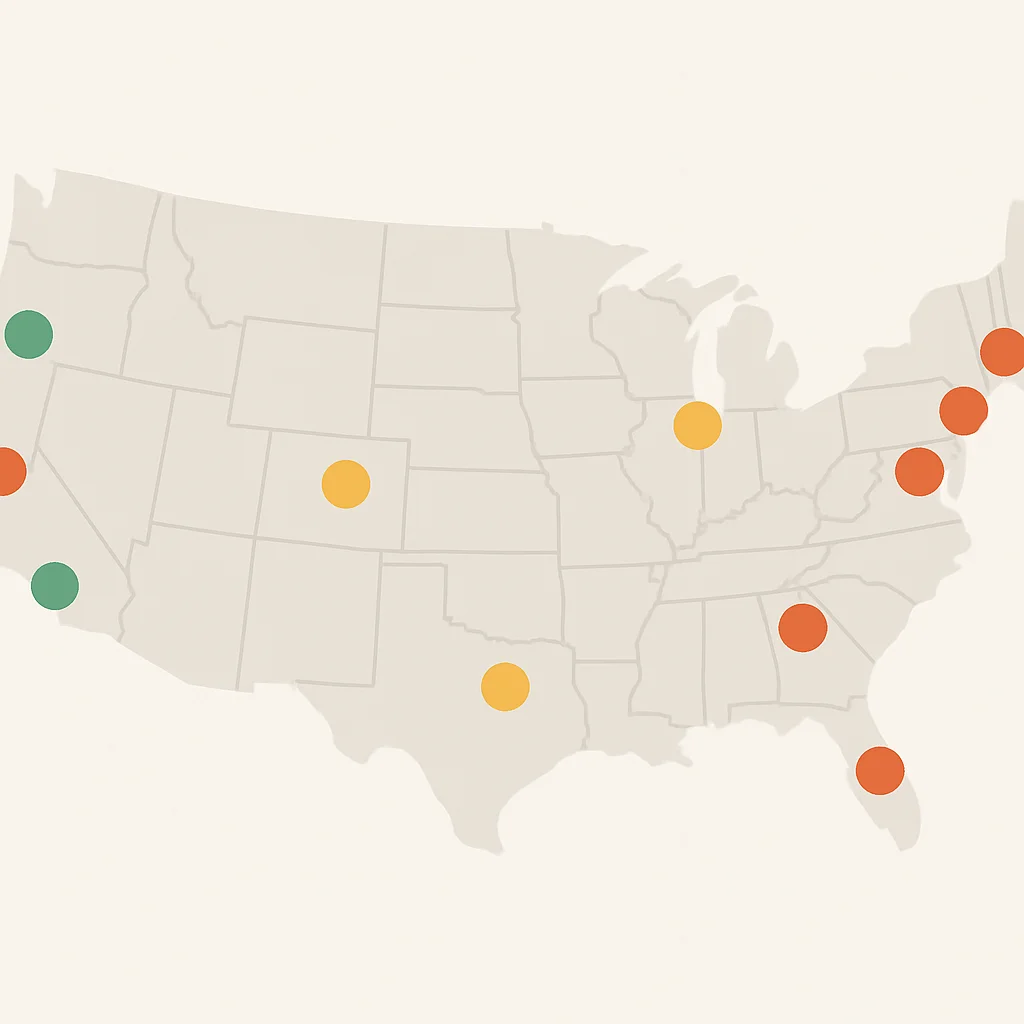
Case Study 1: San Francisco, CA – The Strict Regulator
San Francisco’s STR Ordinance
Rigorous owner-occupancy and registration requirements.
San Francisco has some of the most stringent STR laws in the United States, primarily aimed at preserving housing for residents. In 2026, the city continues to enforce its ordinance requiring hosts to register with the Office of Short-Term Rentals (OSTR) and obtain a business registration certificate.
- Owner-Occupancy: The property must be your primary residence, where you live for at least 275 days a year.
- Hosted vs. Unhosted: You can rent out a portion of your primary residence (e.g., a spare room) for an unlimited number of nights if you are present (hosted rental). If you rent out the entire unit while you are away (unhosted rental), there’s a strict 90-night annual limit.
- Registration: Every host must have a valid registration number displayed on their listing.
- Taxes: Hosts must collect and remit a 14% Transient Occupancy Tax (TOT).
Consequences: San Francisco has been aggressive in enforcement. Unregistered hosts face fines of up to $1,000 per day for repeat violations. Platforms are also required to verify registration numbers, making it difficult for illegal listings to appear. A developer who bought a second home in San Francisco hoping to rent it out full-time would quickly find their investment unviable due to the owner-occupancy and 90-night unhosted limits.
Case Study 2: New York City, NY – The Near-Total Ban
NYC’s 2023 STR Law
Effectively bans most short-term rentals under 30 days unless the host is present.
As of 2026, New York City’s Local Law 18, which went into effect in September 2023, has dramatically reshaped the STR landscape. It’s now largely illegal to rent out an entire apartment or house for less than 30 days unless the owner is present throughout the guest’s stay. This effectively curtails the vast majority of traditional Airbnb operations.
- Registration Required: All hosts must register with the Mayor’s Office of Special Enforcement (OSE) and receive a valid registration number.
- Host Present Rule: For stays under 30 days, the host must be physically present and sharing the home with guests.
- Occupancy Limit: No more than two guests are allowed per stay.
- Building Classification: The building must be a legal two-family or single-family home. Most multi-unit residential buildings are off-limits for STRs.
Consequences: The impact has been severe. Airbnb listings in NYC plummeted by over 75% almost overnight. Hosts operating illegally face fines ranging from $1,000 to $5,000 for initial violations, with subsequent violations reaching up to $7,500. Platforms are also prohibited from processing bookings for unregistered units. This case highlights how quickly a lucrative market can evaporate due to legislative changes.
Case Study 3: Miami Beach, FL – High Fines, Limited Preemption
Miami Beach’s Zoning Enforcement
Strict zoning and exorbitant fines despite state-level preemption.
Florida has a state preemption law that prevents local governments from banning STRs outright. However, it allows local jurisdictions to regulate them for “health, safety, and welfare” and to enforce zoning. Miami Beach has used this leverage to impose some of the highest fines in the nation for illegal STRs.
- Zoning Specificity: STRs are only permitted in certain commercial and multi-family zoning districts. Most residential neighborhoods are off-limits.
- Business Tax Receipt: Required for all STR operators.
- Resort Tax: Hosts must collect and remit a 6% resort tax in addition to state sales tax.
Consequences: Miami Beach is infamous for its astronomical fines, starting at $20,000 for a first offense and escalating to $100,000 for subsequent violations. This makes it incredibly risky to operate an STR in a non-compliant zone. The city has a dedicated enforcement team, including code compliance officers and a “short-term rental hotline” for residents to report violations. Even with state preemption, local governments can make STR operations economically unfeasible through zoning and fines.
5. Essential Checklist for New Short-Term Rental Hosts
Starting a short-term rental business requires more than just decorating and listing. Use this checklist as a practical guide to ensure you cover all legal bases before you welcome your first guest in 2026.
STR Legal Compliance Checklist
☑ Verify State-Level STR Laws and Registration Requirements
☑ Research City/County Zoning for STR Permissibility
☑ Obtain Necessary Local STR Permits and Business Licenses
☑ Confirm Adherence to Owner-Occupancy Rules (if applicable)
☑ Understand and Comply with Annual Night Caps/Duration Limits
☑ Review and Abide by HOA/Condo Bylaws and CC&Rs
☑ Ensure Property Meets All Health, Safety, and Accessibility Standards
☑ Establish a System for Collecting and Remitting All Applicable Taxes (State, Local TOT)
☑ Secure Adequate Commercial General Liability Insurance for STR Operations
☑ Create a Clear House Rule Document for Guests, Including Noise Ordinances
☑ Consult with a Local Attorney Specializing in Real Estate/STR Law
Step 1
Initial Research & Due Diligence
Before buying or listing, identify the exact address of your potential STR. Visit the city/county planning or zoning department website. Look for “short-term rental ordinance,” “transient occupancy tax,” or “zoning map.” Call the relevant department with specific questions if information is unclear. Check your specific property’s zoning designation and permitted uses.
Step 2
HOA & Lease Review
If your property is part of a homeowners association or condo, obtain and thoroughly read their Covenants, Conditions, and Restrictions (CC&Rs) and bylaws. Many HOAs explicitly prohibit STRs. If you are a renter, your lease agreement almost certainly prohibits subletting for STR purposes. Violating these can have severe contractual consequences.
Step 3
Permit and Tax Application
Once you’ve confirmed STRs are permissible, proceed with applying for all required city/county permits, business licenses, and state registrations. This typically involves paying fees, providing property details, and sometimes undergoing inspections. Simultaneously, register for all applicable state and local transient occupancy taxes.
Step 4
Insurance and Property Preparation
Obtain a proper commercial general liability insurance policy or a specific STR rider for your homeowner’s policy. Ensure your property is equipped with all mandated safety features (smoke detectors, CO detectors, fire extinguishers, clear exit paths). Prepare a welcome book with emergency contacts, local rules, and instructions for guests.
Step 5
Ongoing Compliance and Monitoring
Display your permit number on all listings. Keep meticulous records of bookings, taxes collected, and remitted. Stay informed about any changes to local STR ordinances, as these can evolve rapidly. Respond promptly to any complaints or inquiries from neighbors or city officials. Consider implementing smart home tech for noise monitoring (e.g., Minut, NoiseAware) and remote access control.

6. Caveats and Considerations for Your STR Investment
Beyond the direct legal requirements, there are several crucial factors that every potential STR host should consider. These can significantly impact the profitability and long-term viability of your investment.
The Ever-Changing Regulatory Landscape
STR laws are not static. What is legal and profitable today might be restricted or banned tomorrow. This is particularly true in popular tourist destinations or areas experiencing housing shortages. Local governments are constantly responding to community complaints (noise, parking, perceived loss of housing) and lobbying efforts from the hotel industry. Always factor in regulatory risk when assessing an STR investment. Subscribing to local government newsletters or joining host advocacy groups can help you stay informed.
Insurance Implications
Your standard homeowner’s insurance policy will almost certainly deny claims related to commercial activities, which includes short-term rentals. You need a specialized policy. Options include:
- Landlord Policy with STR Rider: Some insurers offer an endorsement to a landlord policy that specifically covers STR activities.
- Commercial General Liability Policy: This is the most robust option, providing comprehensive coverage for property damage, guest injuries, and even loss of income.
- Specialized STR Insurance: Companies like Proper Insurance or CBIZ offer policies specifically designed for vacation rentals.
While platforms like Airbnb and VRBO offer Host Protection Insurance or Host Guarantee, these typically have limitations and should not be considered a substitute for your own comprehensive policy. For example, Airbnb’s Host Protection Insurance provides up to $1 million in liability coverage, but often has exclusions for certain types of damage or incidents, and it’s secondary coverage, meaning your personal policy would be tapped first.
Tax Implications Beyond TOT
Operating an STR generates income, which is subject to federal and state income taxes. Depending on your level of involvement and how long you rent out the property, it can be classified differently by the IRS:
- Less than 14 days rental per year: Income is generally tax-free (the “Masters Rule”).
- 15+ days rental, but you use it personally for more than 14 days or 10% of rental days: Considered a “vacation home” by the IRS. Expenses are deductible, but limited.
- 15+ days rental, minimal personal use: Treated as a rental property. All ordinary and necessary expenses are deductible.
- Significant Services Provided (e.g., daily cleaning, meals): May be considered a “hotel business,” potentially subject to self-employment tax.
Consult a tax professional familiar with real estate and STRs to ensure proper accounting and tax compliance. Neglecting income tax obligations can lead to significant penalties.
KEY POINT
Always consult local legal counsel and a tax professional before and during your STR operations. Laws and tax codes are complex and constantly evolving, and professional advice is invaluable for mitigating risks.
Frequently Asked Questions (FAQ)
Q. What is the biggest risk for new short-term rental hosts in 2026?
The biggest risk is failing to comply with local zoning and permitting laws. Many cities have strict regulations, and non-compliance can lead to substantial fines, forced closure of your rental, and even legal action.
Q. Do I need a special insurance policy for my Airbnb or VRBO?
Yes, a standard homeowner’s policy typically does not cover commercial activities like short-term rentals. You will need a specialized commercial general liability policy, a landlord policy with an STR rider, or dedicated short-term rental insurance to ensure adequate coverage for property damage and guest injuries.
Q. How often do short-term rental laws change?
STR laws are dynamic and can change frequently, often annually or bi-annually, especially at the local city or county level. It’s crucial for hosts to stay informed about any new ordinances or amendments in their jurisdiction to maintain compliance.
Q. Can my HOA or condo association prevent me from operating an STR even if the city allows it?
Absolutely. Homeowners Associations (HOAs) and condo associations often have their own bylaws and Covenants, Conditions, and Restrictions (CC&Rs) that can be more restrictive than municipal laws. They can explicitly prohibit short-term rentals, and violating these private agreements can lead to significant fines or legal action from the association.
Q. What are the tax obligations for short-term rental income?
Beyond local Transient Occupancy Taxes (TOT) and state sales taxes, your STR income is subject to federal and state income taxes. The specific tax treatment depends on factors like the number of rental days and your personal use of the property. Consulting a tax professional is highly recommended to ensure proper classification and reporting.
7. Wrap-Up: Secure Your Passive Income Stream
The dream of generating passive income through short-term rentals remains a powerful motivator for many property investors, particularly in the developer community. However, as we’ve explored, this dream is contingent on a solid understanding and unwavering commitment to legal compliance. In 2026, the era of “list first, ask questions later” is firmly behind us.
Treat your short-term rental venture with the same rigor and attention to detail you would apply to a complex software project. Research, plan, iterate, and always consider the legal and regulatory framework as your foundational architecture. By proactively engaging with local ordinances, securing appropriate permits, managing tax obligations, and ensuring adequate insurance, you not only protect your investment but also contribute to a more sustainable and responsible STR ecosystem.
Don’t let the complexity deter you. Instead, let it empower you to be a more informed and successful host. With diligent research and professional guidance, your Airbnb or VRBO property can indeed become that rewarding passive income stream you envisioned, free from the stress of legal entanglements.
Thanks for reading, fellow Kwonglisher!
Navigating the legal intricacies of short-term rentals can seem daunting, but it’s an essential step to safeguard your property and income. We hope this guide provides a clear roadmap for your STR journey in 2026.
Got questions or insights from your own STR experiences? Drop a comment below. Your knowledge helps the whole community!