
SUMMARY
Rental Property Investments for Developers: Legal & Financial Guide 2026
This is a comprehensive guide for developers seeking to invest in rental properties, addressing essential legal considerations, financial planning, and property management strategies for 2026.
Keywords: rental property, real estate investment, developer finance
TABLE OF CONTENTS
1. Overview: Why Developers Should Consider Rental Property Investments
2. Legal Landscape of Rental Property Investment in 2026
3. Financial Strategies for Developer Investors
4. Effective Property Management for Sustained Success
5. Real-World Investment Scenarios for Developers
6. Navigating Challenges and Mitigating Risks
7. Frequently Asked Questions (FAQ)
8. Wrap-Up: Building Wealth Through Smart Rental Investments
OVERVIEW
Why Developers Should Consider Rental Property Investments
As a developer, your skills in construction, market analysis, and project management position you well for success in real estate. While developing projects from scratch can yield significant returns, diversifying your portfolio with rental properties can provide a stable, long-term income stream and serve as a hedge against market fluctuations. In 2026, the rental market remains resilient, with demand in many urban and suburban areas surpassing supply, making it an ideal time for strategic entry.
Investing in rental properties presents several compelling benefits for developers. Firstly, they generate passive income, allowing you to free up capital and time for reinvestment into larger development projects. Secondly, real estate has historically appreciated over time, providing capital gains in addition to rental income. Thirdly, tax benefits, such as depreciation and deductions for expenses, can significantly lower your taxable income. Finally, your intrinsic understanding of property value, construction quality, and market trends gives you a unique advantage in spotting lucrative investment opportunities and executing cost-effective renovations or maintenance.
However, successful rental property investment is not merely about purchasing a property; it necessitates a comprehensive understanding of legal frameworks, thorough financial planning, and effective property management. This guide will navigate you through these essential components, specifically tailored for developers navigating the 2026 real estate landscape, ensuring you are well-prepared to make informed decisions and establish a robust passive income portfolio.
CORE GUIDE
Legal Landscape of Rental Property Investment in 2026
Navigating the legal complexities of rental property investment is essential for any investor, particularly in 2026, where regulations are continually changing. A single misstep can lead to expensive legal disputes, fines, and significant financial losses. Familiarity with federal, state, and local laws regarding property acquisition, landlord-tenant relationships, and property management is imperative.
1. Property Acquisition Laws and Due Diligence
Before considering the purchase of a rental property, a comprehensive legal due diligence process is crucial. This extends beyond a simple home inspection. As a developer, you are likely familiar with many aspects, but specific attention must be given to rental-specific considerations.
Key areas include:
Title Search: Confirm that the property has a clear title, free from liens, encumbrances, or other legal claims that could impact ownership or future sale. This is standard practice in any real estate transaction but is particularly critical for investment properties.
Zoning and Land Use: Ensure that the property’s current zoning permits its intended use as a rental. Some areas impose restrictions on short-term rentals, multi-family conversions, or specific occupancy limits. For instance, a property zoned R-1 (single-family residential) may prohibit converting a basement into a separate rental unit without a variance or rezoning.
Local Ordinances: Investigate local regulations regarding rental properties, which can vary significantly even within the same state. These may include mandatory rental permits, inspection requirements, lead paint disclosures, or specific safety standards. Some cities in 2026 are implementing new energy efficiency standards for rental units, necessitating landlords to provide certain upgrades.
Environmental Assessments: While more common in commercial development, consider Phase I environmental site assessments for older properties or those near industrial areas to identify potential environmental hazards like asbestos, mold, or soil contamination, which can lead to significant liabilities.
KEY POINT: Always consult a local real estate attorney experienced in landlord-tenant law during the acquisition phase. Their expertise is invaluable in navigating complex local ordinances and ensuring your purchase contracts safeguard your interests as an investor.
2. Landlord-Tenant Laws
This is arguably the most critical legal area for rental property investors. Landlord-tenant laws are designed to protect both parties but often favor tenant protection. These laws govern virtually every aspect of the landlord-tenant relationship.
Crucial aspects include:
Lease Agreements: A well-crafted lease serves as your primary legal defense. It must comply with state and local laws, clearly outline rent amounts, due dates, late fees, lease term, maintenance responsibilities, pet policies, and rules for property alterations. For example, in many states in 2026, lease clauses attempting to waive a tenant’s right to a habitable living space are legally unenforceable.
Security Deposits: Laws dictate how much you can charge for a security deposit (e.g., typically 1-2 months’ rent), how it must be held (e.g., in a separate interest-bearing account), and the timeframe for its return after a tenant vacates (e.g., 14 to 45 days). Strict regulations also apply to deductions for damages.
Fair Housing Laws: The Federal Fair Housing Act prohibits discrimination based on race, color, religion, sex, national origin, familial status, and disability. Many states and localities extend these protections to include sexual orientation, gender identity, source of income, and veteran status. This applies to advertising, tenant screening, and all interactions with tenants.
Eviction Procedures: Eviction is a legal process that must be followed precisely. Self-help evictions (e.g., changing locks, turning off utilities) are illegal and can result in severe penalties. Proper notice must be given (e.g., 3-day notice to pay rent or quit, 30-day notice for lease violations), and a court order is required for tenant removal.
Maintenance and Repairs: Landlords are generally required to provide and maintain a habitable living space. This includes structural soundness, working utilities, pest control, and proper sanitation. Response times for repairs can be legally mandated, especially for urgent issues affecting health and safety.
WARNING: Never attempt to evict a tenant without adhering to the precise legal process. Illegal evictions can result in hefty fines, legal action from the tenant, and damage to your reputation. Consult an attorney for all eviction proceedings.
3. Property Management Regulations
Even if you’re managing the property yourself, you’re subject to regulations governing how properties are managed. If you opt to hire a property manager, ensure they are properly licensed and bonded, as mandated by your state.
Licensing: Some states require individuals or companies managing properties for others to hold a real estate broker’s license or a specific property management license. Understand these requirements if you plan to manage properties beyond your own portfolio.
Trust Accounts: Funds collected from tenants (e.g., security deposits, rent) must often be held in separate trust accounts, distinct from your personal or business operating funds. Commingling funds is a serious offense.
Record Keeping: Maintain meticulous records of all financial transactions, leases, communications with tenants, maintenance requests, and repairs. These records are crucial for tax purposes, legal disputes, and demonstrating compliance with regulations.
CORE GUIDE
Financial Strategies for Developer Investors
For developers, financial acumen is second nature. Applying this to rental property investments means understanding financing, accurately projecting costs, calculating returns, and optimizing for tax efficiency. The goal is not just to acquire property, but to acquire profitable property.
1. Financing Options for Rental Properties
Securing the right financing can make or break an investment. Developers often have access to various capital sources, but specific loan products are tailored for rental properties.
Common financing avenues include:
Conventional Mortgages: For 1-4 unit residential properties, conventional loans are common. Expect higher down payment requirements (typically 20-25%) and stricter credit score criteria than owner-occupied loans. Interest rates in early 2026 for investment properties might range from 7.0% to 8.5% depending on market conditions and borrower profile.
Portfolio Loans: Some banks offer “portfolio loans” for investors with multiple properties, which they keep on their books rather than selling on the secondary market. These can offer more flexible terms but often come with slightly higher rates.
Commercial Loans: For properties with 5+ units, a commercial mortgage is required. These typically have shorter terms (5-10 years, amortized over 20-25 years), higher down payments (25-30%), and are evaluated more on the property’s income-generating potential than your personal credit.
Hard Money Loans: Short-term, high-interest loans from private lenders, often used by developers for quick acquisitions or renovations where traditional financing isn’t feasible or fast enough. Rates can range from 10-18% with 2-5 points, typically for terms of 6-24 months. These are not suitable for long-term hold strategies but can serve as a bridge to conventional financing after renovation.
Private Lenders/Syndication: Leverage your network. Developers often have access to private capital or can form syndications with other investors to pool funds for larger projects, offering equity stakes in return.
2. Comprehensive Cost Analysis
Your development background equips you to estimate project costs effectively. Apply this rigor to rental properties, accounting for every potential expense.
Break down costs into:
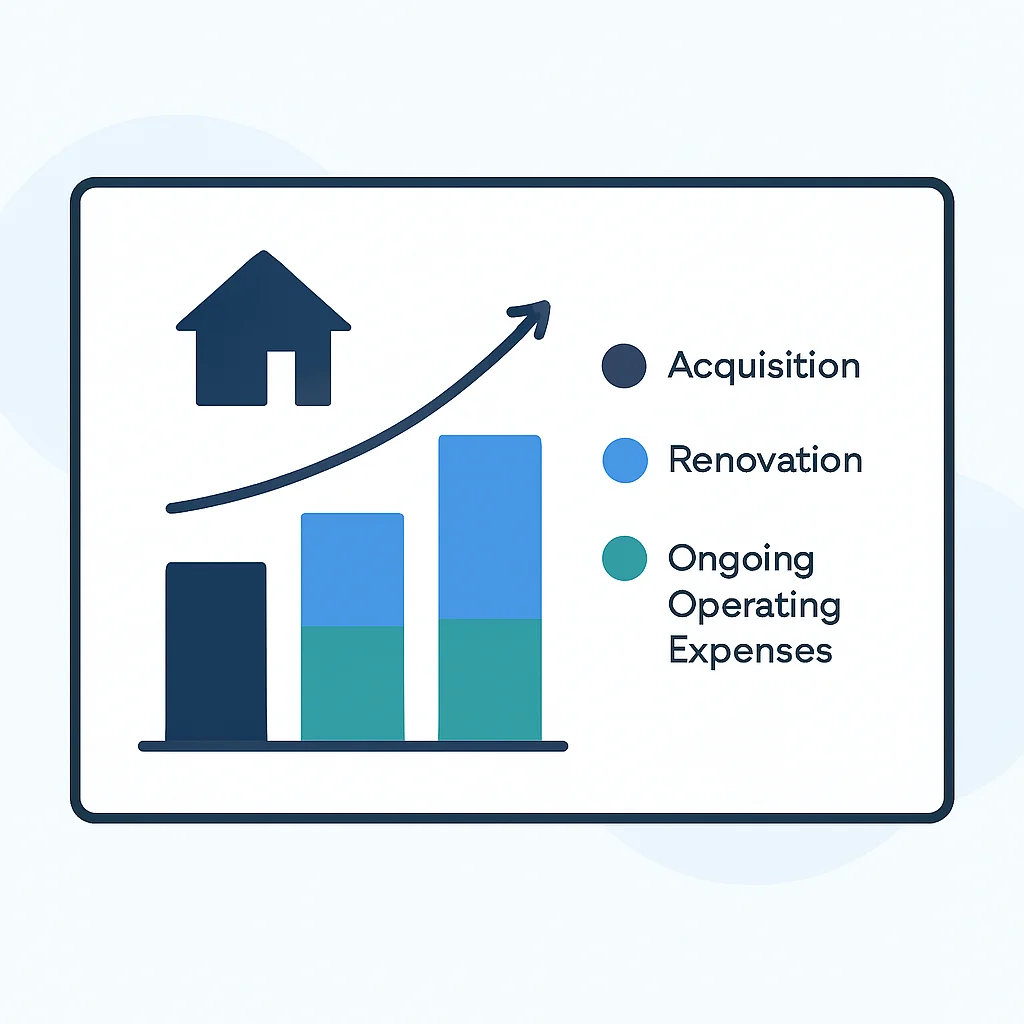
Acquisition Costs: Purchase price, closing costs (typically 2-5% of loan amount, including title insurance, appraisal, legal fees), loan origination fees, and initial inspections.
Renovation/Rehab Costs: As a developer, you have an advantage here. Budget accurately for necessary repairs, cosmetic upgrades, and any value-add improvements. Always include a contingency fund of 10-15% for unforeseen issues.
Ongoing Operating Expenses (Opex):
- Property Taxes: Varies significantly by location. Research current rates for the specific property.
- Insurance: Landlord insurance (hazard, liability) is essential. Expect premiums to be higher than homeowner’s insurance, possibly $1,000 – $3,000+ annually depending on property value and location.
- Maintenance & Repairs: Budget 1-1.5% of the property’s value annually or use the “1% rule” (1% of monthly rent for maintenance). For a $300,000 property, this is $3,000-$4,500/year.
- Property Management Fees: If outsourced, typically 8-12% of gross monthly rent, plus potential leasing fees (50-100% of one month’s rent).
- Utilities: If not passed to tenants (e.g., common area utilities in multi-units, or if you cover water/sewer).
- Vacancy Reserve: Crucial for cash flow stability. Budget for 5-10% of gross potential rent to account for periods when the property is empty.
- Capital Expenditures (CapEx): Long-term expenses like roof replacement, HVAC systems, or major appliance upgrades. Budget separately from routine maintenance. A common rule is to save $200-$300 per unit per month.
3. Calculating Return on Investment (ROI)
Developers are familiar with ROI. For rental properties, common metrics include Cap Rate and Cash-on-Cash Return.
Capitalization Rate (Cap Rate): Measures the unlevered rate of return, useful for comparing similar properties. It’s calculated as Net Operating Income (NOI) divided by the property’s purchase price.
Cap Rate = NOI / Property Value
If a property generates $15,000 NOI annually and costs $250,000, the Cap Rate is 6%. Good Cap Rates vary by market, but 5-10% is often considered healthy for residential rentals.
Cash-on-Cash Return: Measures the annual pre-tax cash flow relative to the total cash invested. This is particularly relevant when financing with a loan, as it shows the return on your actual out-of-pocket money.
Cash-on-Cash Return = Annual Pre-Tax Cash Flow / Total Cash Invested
If your annual cash flow (after all expenses, including mortgage payments) is $5,000 and your initial cash investment (down payment, closing costs, rehab) was $50,000, your Cash-on-Cash return is 10%. A target of 8-12% is generally considered good, but this also varies by investment strategy and market.
KEY POINT: Focus on cash flow first. While appreciation is a bonus, consistent positive cash flow ensures the property can sustain itself, cover expenses, and generate income even during market fluctuations. Aim for at least $100-$200 positive cash flow per unit per month after all expenses.
4. Tax Implications and Strategies
The U.S. tax code offers significant advantages to real estate investors. Understanding and utilizing these can dramatically improve your net returns.
Key tax benefits include:
Depreciation: You can deduct a portion of the property’s value (excluding land) each year as depreciation, even if the property is appreciating in market value. Residential rental properties are typically depreciated over 27.5 years. For a $200,000 building (excluding land value), this means an annual deduction of approximately $7,272. This non-cash deduction can offset rental income, reducing your taxable income.
Deductible Expenses: Almost all operating expenses are deductible, including mortgage interest, property taxes, insurance premiums, repairs, maintenance, property management fees, legal fees, and even travel expenses related to managing your properties.
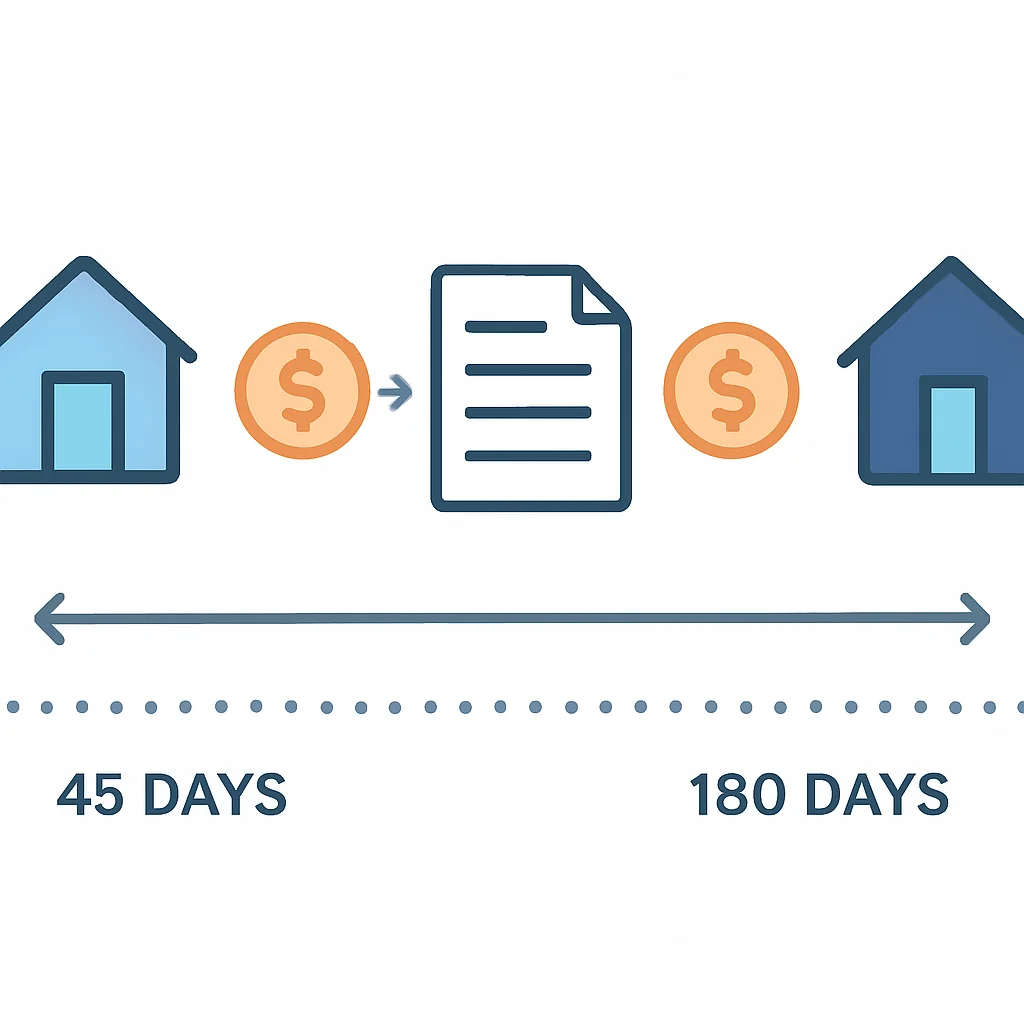
1031 Exchange (Like-Kind Exchange): This allows you to defer capital gains taxes when you sell an investment property if you reinvest the proceeds into another “like-kind” investment property within specific timeframes. This is a powerful wealth-building tool for developers looking to scale their portfolio without immediate tax burdens.
Passive Activity Loss Rules: Be aware of passive activity loss (PAL) rules. Generally, passive losses can only offset passive income. However, if you qualify as a “real estate professional” (requiring significant time devoted to real estate activities, e.g., 750+ hours annually), you may be able to deduct rental losses against non-passive income.
5. Budgeting for Vacancy and Maintenance
Neglecting these two factors is a common mistake for new investors. Even with careful tenant screening, vacancies occur, and properties inevitably require maintenance.
Vacancy Rate: Research local vacancy rates. A typical buffer is 5-10% of gross rental income. For example, if your property rents for $1,500/month, budget $75-$150/month for potential vacancy. This reserve ensures you can cover mortgage and expenses during tenant turnover periods, which can last 2-4 weeks or longer.
Maintenance and Repairs: As mentioned, allocating 1-1.5% of the property’s value annually is a good starting point. For a $300,000 property, that’s $3,000-$4,500 per year, or $250-$375 per month. This should cover routine fixes, minor wear and tear, and emergency repairs. Maintain a separate CapEx fund for larger, infrequent expenses like roof replacement or HVAC systems. Your development experience can help you identify potential capital expenditure needs during due diligence.
CORE GUIDE
Effective Property Management for Sustained Success
Once you’ve acquired and financed your rental property, effective management is key to maximizing returns and minimizing headaches. This involves everything from finding the right tenants to handling repairs and ensuring legal compliance.
1. Self-Management vs. Professional Management
This is a fundamental decision for every investor. Your choice depends on your time availability, experience, and the number of properties you own.
Self-Management:
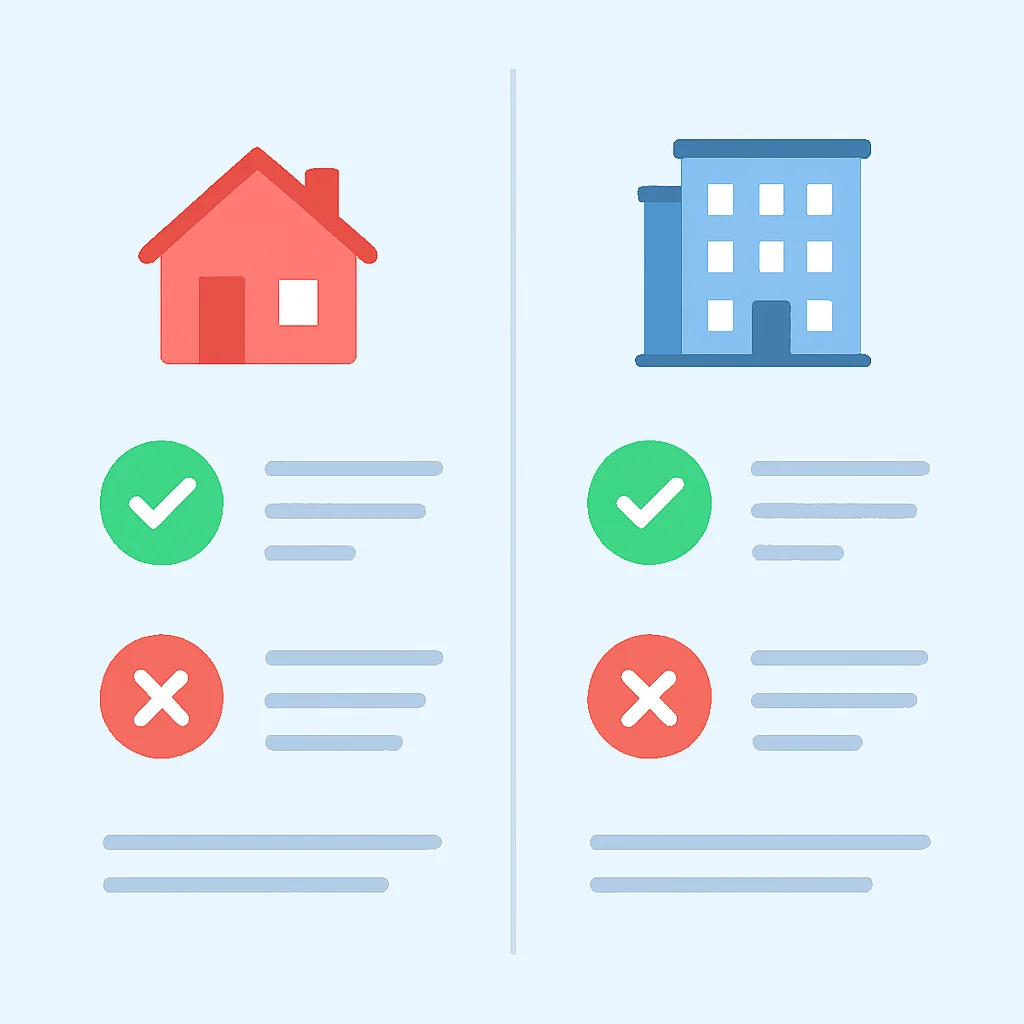
- Pros: Saves property management fees (8-12% of rent), direct control over your investment, immediate communication with tenants.
- Cons: Time-consuming (tenant screening, rent collection, repairs, emergencies), requires deep knowledge of landlord-tenant laws, emotional involvement can complicate issues.
Professional Property Management:
- Pros: Frees up your time, expertise in legal compliance, efficient tenant screening, established vendor networks for repairs, buffer between landlord and tenant.
- Cons: Costs 8-12% of gross rent plus potential leasing fees, less direct control, potential for misaligned incentives if not carefully vetted.
As a developer, your time is valuable. For your first few properties, self-management might be feasible, but as your portfolio grows, professional management often becomes a necessity for scaling efficiently.
2. Rigorous Tenant Screening Process
The single most important factor in successful property management is selecting high-quality tenants. A bad tenant can lead to lost rent, property damage, and expensive evictions. A robust screening process is your first line of defense.
A comprehensive screening process should include:
Application Form: Collect essential information including full legal name, contact details, previous addresses, employment history, income, and references.
Credit Check: Review credit reports to assess financial responsibility. Look for high debt-to-income ratios, history of late payments, bankruptcies, or collections. A minimum credit score of 620-650 is often preferred for rental properties.
Background Check: Conduct criminal background checks. Be aware of fair housing implications and local laws regarding how you can use criminal history in tenant selection.
Employment Verification: Confirm current employment and income. A general rule of thumb is that a tenant’s gross monthly income should be at least 2.5-3 times the monthly rent. Request recent pay stubs or an employment verification letter.
Rental History Verification: Contact previous landlords to inquire about payment history, property care, and compliance with lease terms. Ask if they would rent to the tenant again.
Always apply the same screening criteria to all applicants to avoid fair housing violations.
KEY POINT: Never compromise on tenant screening. Investing a few extra hours upfront to vet tenants thoroughly can save you thousands in potential damages, lost rent, and legal fees down the line. Use reputable third-party screening services.
3. Maintenance and Repairs Protocol
Proactive maintenance keeps tenants happy, preserves property value, and prevents small issues from escalating into costly emergencies. As a developer, you understand the importance of quality construction and timely repairs.
Establish a clear protocol:
Tenant Communication: Provide clear instructions on how tenants should submit maintenance requests (e.g., online portal, email, specific phone number). Respond promptly to all requests, even if it’s just to acknowledge receipt.
Vendor Network: Build a reliable network of plumbers, electricians, handymen, and general contractors. Obtain multiple quotes for larger jobs. Your existing network from development projects can be a huge asset here.
Preventative Maintenance: Implement a schedule for routine checks (e.g., HVAC servicing twice a year, gutter cleaning annually, smoke detector battery checks). This reduces emergency calls and extends the lifespan of critical systems.
Documentation: Keep detailed records of all maintenance requests, repairs performed, costs, and dates. This is vital for budgeting, tax purposes, and potential legal disputes.
4. Rent Collection and Lease Enforcement
Consistent rent collection and fair but firm lease enforcement are crucial for financial stability.
Best practices include:
Clear Payment Terms: State rent due dates, grace periods, and late fees clearly in the lease. Use an online payment portal for convenience and automated tracking, minimizing cash handling.
Prompt Action on Late Payments: If rent is late, follow your lease terms and local laws immediately (e.g., issue a “Pay or Quit” notice on the first day after the grace period). Consistency is key to setting expectations.
Lease Enforcement: Address all lease violations (e.g., unauthorized pets, excessive noise, property damage) consistently and fairly. Document all communications and actions taken.
5. Technology for Property Management
Leverage technology to streamline your property management tasks, especially if you’re managing multiple units or properties.
Consider using property management software (PMS) like:
- Buildium: Comprehensive features for accounting, online payments, tenant screening, and maintenance requests.
- AppFolio: Similar to Buildium, suitable for larger portfolios, with robust reporting and communication tools.
- TenantCloud: A more affordable option, good for smaller landlords, offering online rent collection, lease management, and maintenance tracking.
These platforms can automate many routine tasks, provide centralized record-keeping, and offer tenants convenient ways to interact with you.
Property Management Checklist:
- ☑ Understand local landlord-tenant laws
- ☑ Draft legally compliant lease agreements
- ☑ Implement rigorous tenant screening protocols
- ☑ Establish clear rent collection policies and online payment options
- ☑ Create a preventative maintenance schedule
- ☑ Build a network of reliable contractors
- ☑ Maintain detailed financial and tenant records
- ☑ Consider property management software for efficiency
REAL-WORLD EXAMPLES
Real-World Investment Scenarios for Developers
Let’s examine a couple of hypothetical scenarios to illustrate how a developer might approach rental property investments in 2026, leveraging their unique skill set.
Case Study 1: Single-Family Home (SFH) Investment with Value-Add
John, a residential developer, identifies a distressed single-family home in a desirable suburban neighborhood with good schools and amenities. The property is listed for $300,000 but requires significant renovation.
Developer’s Edge: John’s expertise allows him to accurately estimate rehab costs at $75,000 (including kitchen and bathroom remodels, new flooring, and updated HVAC). He also knows reliable contractors who can complete the work efficiently.
Financials:
- Purchase Price: $300,000
- Renovation Budget: $75,000
- Total Capital Invested (Cash): John used a conventional loan with 25% down ($75,000) for the purchase and a hard money loan for the rehab, then refinanced into a long-term conventional loan after rehab. His initial cash out-of-pocket (down payment, closing costs, some rehab contingency) was $90,000.
- Estimated Rental Income (after rehab): $2,800/month
- Monthly Expenses (PITI, maintenance, vacancy, management): $2,200/month
- Monthly Cash Flow: $2,800 – $2,200 = $600
- Annual Cash Flow: $7,200
- Cash-on-Cash Return: ($7,200 / $90,000) * 100 = 8%
Outcome: John successfully renovated the property, increasing its value to $450,000 (appreciation through forced equity). He secured a long-term tenant within 3 weeks of listing, generating a stable 8% Cash-on-Cash return, plus equity growth. His ability to manage the rehab efficiently was key to profitability.
Use Case: Value-Add SFH: Leveraging development expertise to identify and execute profitable renovations on single-family homes, boosting rental income and property value.
Case Study 2: Small Multi-Unit Property (Duplex) Acquisition
Maria, a commercial developer, wants to diversify into smaller multi-family units for steady cash flow. She finds a duplex in an up-and-coming urban neighborhood for $550,000. One unit is currently rented, while the other is vacant and requires minor cosmetic updates.
Developer’s Edge: Maria quickly assesses the property’s potential, noting that a minor kitchen refresh and new paint in the vacant unit would allow for a significant rent increase. Her understanding of local market rents for similar updated properties gives her an accurate projection.
Financials:
- Purchase Price: $550,000
- Cosmetic Updates Budget: $15,000 (for vacant unit)
- Total Capital Invested (Cash): Maria secured a conventional investment loan with 25% down ($137,500) and financed the rehab. Total initial cash out-of-pocket was $155,000 (including down payment, closing costs, and rehab cash).
- Existing Unit Rent: $2,200/month
- Projected Rent for Vacant Unit (after updates): $2,500/month
- Total Potential Monthly Income: $2,200 + $2,500 = $4,700
- Monthly Expenses (PITI, maintenance, vacancy, property management): $3,800/month
- Monthly Cash Flow: $4,700 – $3,800 = $900
- Annual Cash Flow: $10,800
- Cash-on-Cash Return: ($10,800 / $155,000) * 100 = 6.97%
Outcome: Maria quickly completed the cosmetic updates on the vacant unit and found a tenant within a month. Her projected rental income was achieved, providing a solid Cash-on-Cash return. The duplex now offers stable, diversified income, and she plans to repeat the strategy with similar properties. Her ability to quickly assess and execute minor renovations minimized vacancy time and maximized rental income.
Use Case: Multi-Unit Cash Flow: Investing in small multi-unit properties to generate higher cash flow per property and benefit from economies of scale in management.

CAVEATS & FAQ
Navigating Challenges and Mitigating Risks
While rental property investments offer attractive returns, they are not without risks. Being a developer gives you an edge, but acknowledging and planning for potential pitfalls is crucial for long-term success.
1. Market Fluctuations
Real estate markets are cyclical. While 2026 generally shows strong rental demand, local markets can cool, leading to:
- Increased Vacancy Rates: If demand drops, it might take longer to find tenants, or you may need to lower rents.
- Stagnant or Declining Rents: Economic downturns or oversupply can prevent rent increases, or even force decreases, impacting cash flow.
- Property Value Decreases: While rentals are typically long-term holds, a significant market downturn could temporarily reduce your equity.
Mitigation: Invest in diverse markets, maintain strong cash reserves, and focus on properties with intrinsic value (good location, strong schools, amenities) that tend to perform better even in slower markets.
2. Interest Rate Changes
Rising interest rates, as seen in recent years, directly impact borrowing costs. If you have adjustable-rate mortgages (ARMs) or plan to refinance, higher rates can reduce your cash flow or make future acquisitions less attractive.
Mitigation: Favor fixed-rate mortgages for stability, especially in a rising rate environment. Factor potential rate increases into your financial projections for future financing needs.
3. Tenant-Related Issues
Despite thorough screening, tenant issues can arise:
- Non-Payment of Rent: The most common issue, leading to lost income and potential eviction costs.
- Property Damage: Beyond normal wear and tear, tenants can cause significant damage.
- Legal Disputes: Disagreements over security deposits, maintenance, or lease terms can escalate.
Mitigation: Robust tenant screening, clear lease agreements, prompt and professional communication, and landlord insurance that covers lost rent and damage. Always adhere to legal procedures for evictions.

Frequently Asked Questions (FAQ)
Q. What is a good Cap Rate for a residential rental property in 2026?
A. A good Cap Rate typically falls between 5% and 10% for residential rental properties, though this can vary significantly by market and property type. Higher Cap Rates generally indicate a better return relative to the purchase price, but also might reflect higher risk or a less desirable area. Always compare properties within the same market.
Q. How much should I budget for annual maintenance on a rental property?
A. A common rule of thumb is to budget 1% to 1.5% of the property’s value annually for maintenance and repairs. For example, on a $300,000 property, this would be $3,000 to $4,500 per year. It’s also wise to set aside additional funds for larger capital expenditures like roof or HVAC replacements.
Q. Can I manage my rental properties myself, or should I hire a property manager?
A. The decision depends on your time, experience, and the number of properties. Self-management saves on fees but demands significant time and knowledge of landlord-tenant laws. For developers with busy schedules or multiple properties, hiring a professional property manager (typically 8-12% of gross rent) can be a worthwhile investment to handle day-to-day operations and legal compliance.
Q. What are the main tax benefits of owning rental properties?
A. Key tax benefits include depreciation (a non-cash deduction that offsets income), deduction of operating expenses (mortgage interest, property taxes, insurance, repairs), and the ability to defer capital gains tax through a 1031 Exchange when reinvesting sale proceeds into another like-kind property. Consult a tax professional for personalized advice.
Q. How much down payment is typically required for an investment property loan?
A. For conventional mortgages on 1-4 unit residential investment properties, lenders typically require a down payment of 20% to 25%. For commercial loans on properties with 5+ units, down payment requirements can range from 25% to 30% or even higher, depending on the lender and property type.
WRAP-UP
Building Wealth Through Smart Rental Investments
As a developer, your unique blend of construction knowledge, market insight, and project management skills gives you a distinct advantage in the rental property investment arena. By applying the same diligence and strategic thinking you use in your development projects, you can build a formidable portfolio of income-generating assets.
Remember, success in rental property investment in 2026 hinges on three pillars: a solid understanding of the legal landscape to avoid costly mistakes, meticulous financial planning to ensure profitability and mitigate risks, and efficient property management to maintain asset value and tenant satisfaction. Focus on properties that offer strong cash flow, leverage tax advantages, and continuously educate yourself on local market trends and regulations.
The journey into rental property investment can significantly augment your wealth-building strategies, providing passive income, portfolio diversification, and long-term capital appreciation. With the insights from this guide, you are well-equipped to make informed decisions and transform your development expertise into lasting financial freedom.
Thanks for reading!
We hope this guide empowers you to confidently explore rental property investments in 2026. Your development prowess is a powerful asset – now put it to work for your passive income goals.
Got feedback or questions? Drop a comment below or connect with us at Kwonglish.com!