
SUMMARY
Building an Irresistible Developer Portfolio in 2026: Showcase Your Skills & Land Your Dream Job
A comprehensive guide for developers to create a standout portfolio that highlights their projects, skills, and experience to attract top employers and land their dream tech job.
Keywords: developer portfolio, tech career, job search
TABLE OF CONTENTS
1. Why It Matters – Your Portfolio: More Than Just a Showcase
2. Core Methods – Crafting Your Irresistible Portfolio
3. Practical Application – What to Include & How to Present It
4. Common Pitfalls & Mistakes to Avoid
5. Frequently Asked Questions
6. Wrap-Up – Your Launchpad to Success
Why It Matters – Your Portfolio: More Than Just a Showcase
In the rapidly evolving tech landscape of 2026, a strong developer portfolio isn’t just a nice-to-have; it’s an absolute necessity. The job market, while robust, is also incredibly competitive. Companies are looking for more than just a list of skills on a resume; they want to see what you can actually build, how you solve problems, and how you think. Your portfolio is your personal marketing tool, a living testament to your capabilities that speaks volumes about your potential.
Think of it this way: a resume tells a recruiter what you claim you can do. A portfolio shows them. It provides concrete evidence of your expertise, your passion, and your unique approach to software development. According to a 2025 LinkedIn talent report, over 70% of hiring managers in tech prioritize candidates who can demonstrate their skills through practical projects, even over those with extensive academic qualifications but no tangible work to show. This trend is only intensifying in 2026, making a compelling portfolio your most powerful asset.
A well-crafted portfolio differentiates you from the hundreds of other applicants. It allows you to stand out in a crowded field, making a memorable first impression that can lead to interviews and, ultimately, your dream job. It’s not just about showcasing finished products; it’s about revealing your process, your problem-solving abilities, and your growth as a developer.
KEY POINT
In 2026, a developer portfolio is no longer optional. It’s a critical tool for demonstrating your practical skills, problem-solving abilities, and passion, directly influencing your chances of securing interviews and job offers in a competitive tech market.
Furthermore, a portfolio isn’t just for landing your first job or a junior role. Senior developers and tech leads also benefit immensely from having a portfolio that showcases their leadership, architectural decisions, and contributions to complex systems. It’s a continuous personal branding exercise that evolves with your career. It can open doors to exciting new opportunities, collaborations, and even speaking engagements.
Core Methods – Crafting Your Irresistible Portfolio
Building an irresistible developer portfolio requires a strategic approach. It’s not about throwing every piece of code you’ve ever written onto a page. It’s about careful curation, thoughtful presentation, and a clear narrative.
Step 1: Define Your Niche and Target Audience
Step 1
Identify Your Target Role & Tech Stack
Before you even select projects, determine what kind of role you’re aiming for (e.g., Frontend, Backend, Full-stack, Mobile, DevOps) and the specific technologies you want to work with. This focus will guide your project selection and presentation.
Are you passionate about building beautiful user interfaces with React and TypeScript? Or do you thrive on designing robust backend APIs with Python and Django? Perhaps you’re a mobile wizard with Swift or Kotlin. Knowing your desired path is crucial because it helps you tailor your portfolio to the specific expectations of hiring managers in that domain. A frontend developer’s portfolio will emphasize UI/UX, responsiveness, and client-side performance, while a backend developer’s will highlight API design, database optimization, and system architecture.
Research job descriptions for your ideal roles in 2026. What skills and technologies are consistently mentioned? Use these insights to inform your project choices and the keywords you use to describe your work. For example, if you’re targeting a Machine Learning Engineer role, projects demonstrating data preprocessing, model training (e.g., using TensorFlow or PyTorch), and deployment strategies (e.g., with Docker or Kubernetes) would be essential.
Step 2: Curate Your Best Projects (Quality Over Quantity)
This is perhaps the most critical step. Recruiters spend mere seconds scanning a portfolio. They want to see quality, not just quantity. Aim for 3-5 strong, well-documented projects that showcase a diverse range of your skills and problem-solving abilities. These could be:
- Personal Projects: These are fantastic for demonstrating initiative, passion, and the ability to learn new technologies independently. Choose projects that solve a real problem (even a small one) or explore a technology you’re excited about.
- Open-Source Contributions: Contributing to open-source projects shows collaboration skills, adherence to coding standards, and experience with version control in a team setting. Even small bug fixes or documentation improvements count!
- Client or Freelance Work: If you have experience building for clients, these projects demonstrate your ability to meet requirements, manage deadlines, and communicate effectively with stakeholders. Always get permission before showcasing client work.
- Academic Projects: While sometimes less relevant for industry roles, well-executed academic projects (especially capstone projects) can show foundational knowledge and the ability to work on larger systems.
KEY POINT
Prioritize 3-5 high-quality, well-documented projects that align with your target role and demonstrate diverse skills. A single impressive project with a clear problem, solution, and explanation is more impactful than ten half-finished ones.
When selecting projects, ask yourself:
- Does this project demonstrate skills relevant to my target job?
- Is the code clean, well-organized, and commented?
- Can I clearly articulate the problem it solves and my contribution?
- Does it have a live demo or clear screenshots/videos?
- Does it show growth or a new skill learned?
Step 3: Document Your Process, Not Just the Product
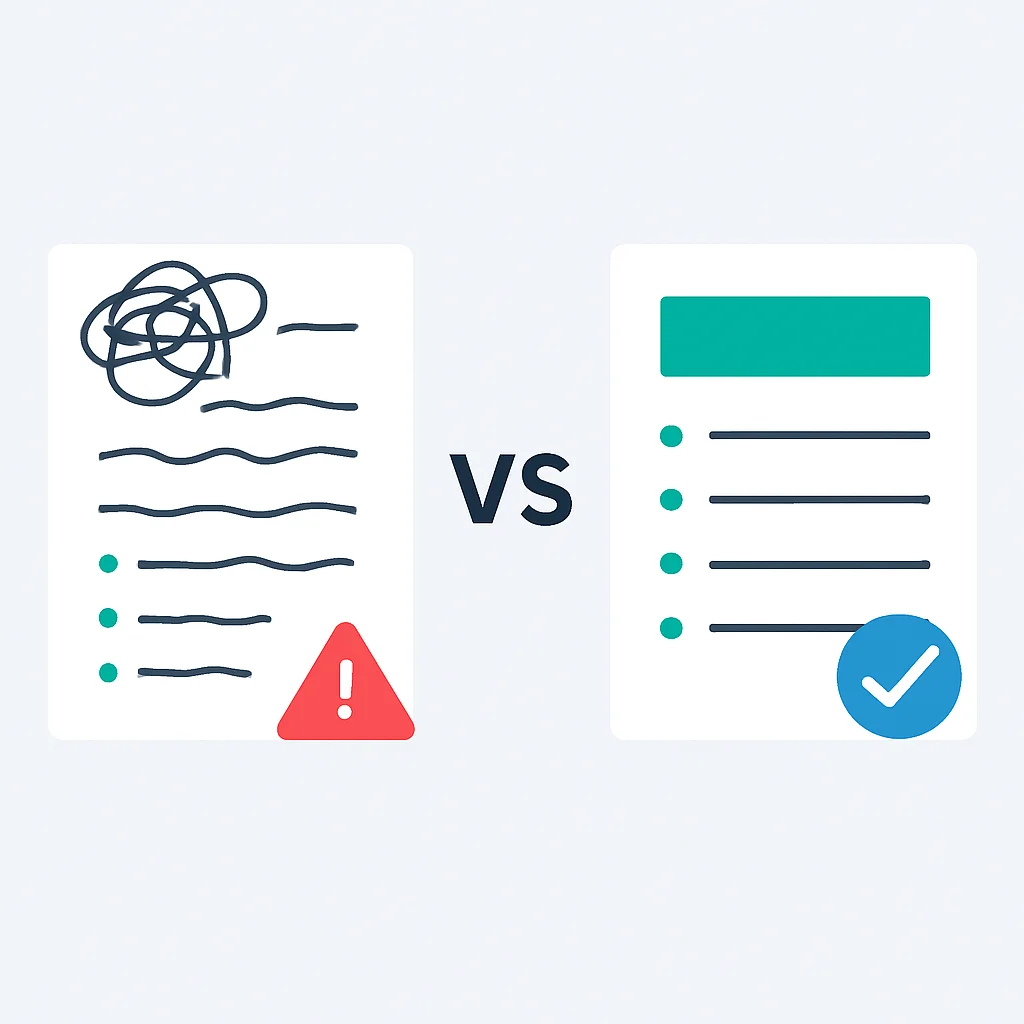
Simply linking to a GitHub repository isn’t enough. Recruiters and hiring managers want to understand your thought process. For each project, you need to provide context:
- The Problem: What challenge were you trying to solve?
- Your Role & Contribution: What specific parts did you build? If it was a team project, clearly define your responsibilities.
- Technologies Used: List the main programming languages, frameworks, libraries, and tools.
- Challenges & Solutions: What obstacles did you encounter, and how did you overcome them? This is crucial for demonstrating problem-solving skills.
- Key Learnings: What did you learn from this project?
- Future Improvements: How would you enhance it if you had more time? This shows foresight and a growth mindset.
A robust README.md file in your GitHub repository is essential. It acts as the project’s executive summary. Ensure it’s clear, concise, and includes all the above points, plus setup instructions and a clear explanation of how to run the project. A live demo link or a short video walkthrough is also incredibly powerful.
CODE EXPLANATION
This is an example structure for a compelling README.md file. It covers the essential sections that a recruiter would look for to understand your project and your contribution to it.
# Project Title: Smart Home Dashboard

## 🚀 Live Demo
[Link to Live Demo](https://your-live-demo.com)

## 🔍 Problem Statement
Many smart home users struggle with managing multiple devices across different platforms. This project aims to provide a unified dashboard to control and monitor various smart home devices from a single, intuitive interface.

## 💻 Technologies Used
- Frontend: React, Redux, Material-UI, TypeScript
- Backend: Node.js, Express, PostgreSQL
- Authentication: JWT
- Deployment: Docker, AWS EC2

## 👤 My Role & Contributions
- Developed the entire frontend user interface, including device cards, real-time status updates, and user authentication flows.
- Designed and implemented the RESTful API endpoints for device control and data fetching.
- Set up the PostgreSQL database schema and wrote ORM queries.
- Configured Docker containers for both frontend and backend services.
- Implemented unit and integration tests for key components.

## 📝 Key Features
- Real-time device status updates (lights, thermostats, locks)
- Voice command integration (via Web Speech API)
- Customizable dashboard layout
- Secure user authentication and authorization

## 🚀 Setup & Installation
1. Clone the repository: `git clone https://github.com/yourusername/smart-home-dashboard.git`
2. Navigate to the project directory: `cd smart-home-dashboard`
3. Install dependencies: `npm install` (for frontend and backend)
4. Set up environment variables (see `.env.example`)
5. Run migrations: `npx prisma migrate dev` (if using Prisma)
6. Start the development servers: `npm run dev` (for frontend) and `npm run start-server` (for backend)

## 💡 Challenges & Solutions
- **Real-time updates:** Initially, I used polling, which was inefficient. Switched to WebSockets for instant, bidirectional communication, drastically improving responsiveness.
- **Cross-device compatibility:** Faced issues with different smart home device APIs. Implemented a standardized adapter pattern to abstract device-specific interactions.
- **Scalability:** Designed the backend with a microservices-inspired approach for future expansion, even though it's currently a monolith.

## 🎓 Learnings
- Deepened understanding of WebSocket protocols and real-time data synchronization.
- Gained practical experience with Dockerizing a full-stack application.
- Improved skills in database schema design and performance optimization.

## 📈 Future Improvements
- Integrate more smart home device ecosystems (e.g., Apple HomeKit, Google Home).
- Implement advanced analytics for energy consumption and usage patterns.
- Add mobile application support.
Step 4: Build a Professional, User-Friendly Platform
Where will you host your portfolio? While GitHub is essential for code, a dedicated portfolio website offers a more polished and controlled presentation. It’s your personal corner of the internet where you dictate the narrative.
- Dedicated Website: This is the gold standard. Use a simple, clean design that puts your projects front and center. Ensure it’s responsive and loads quickly. Tools like Next.js, Gatsby, or even plain HTML/CSS/JavaScript are excellent choices. Hosting can be done cheaply or freely on platforms like Vercel, Netlify, or GitHub Pages.
- GitHub Profile: If a dedicated website isn’t feasible immediately, ensure your GitHub profile is impeccably organized. Pin your best repositories, write detailed READMEs, and use a clear profile description.
Focus on usability and aesthetics. A portfolio that’s hard to navigate or visually jarring can detract from even the most impressive projects. Simple, modern designs tend to perform best. Ensure:
- Clear Navigation: Make it easy for visitors to find your projects, about page, and contact information.
- Mobile Responsiveness: Many recruiters view portfolios on mobile devices.
- Fast Loading Speed: Optimize images and code to ensure quick load times.
- Consistent Branding: Use a consistent color palette, typography, and tone that reflects your professional identity.
Practical Application – What to Include & How to Present It
Now that you understand the core philosophy, let’s dive into the practical elements that make a portfolio truly shine.
Essential Portfolio Elements
Key Components of a Standout Portfolio
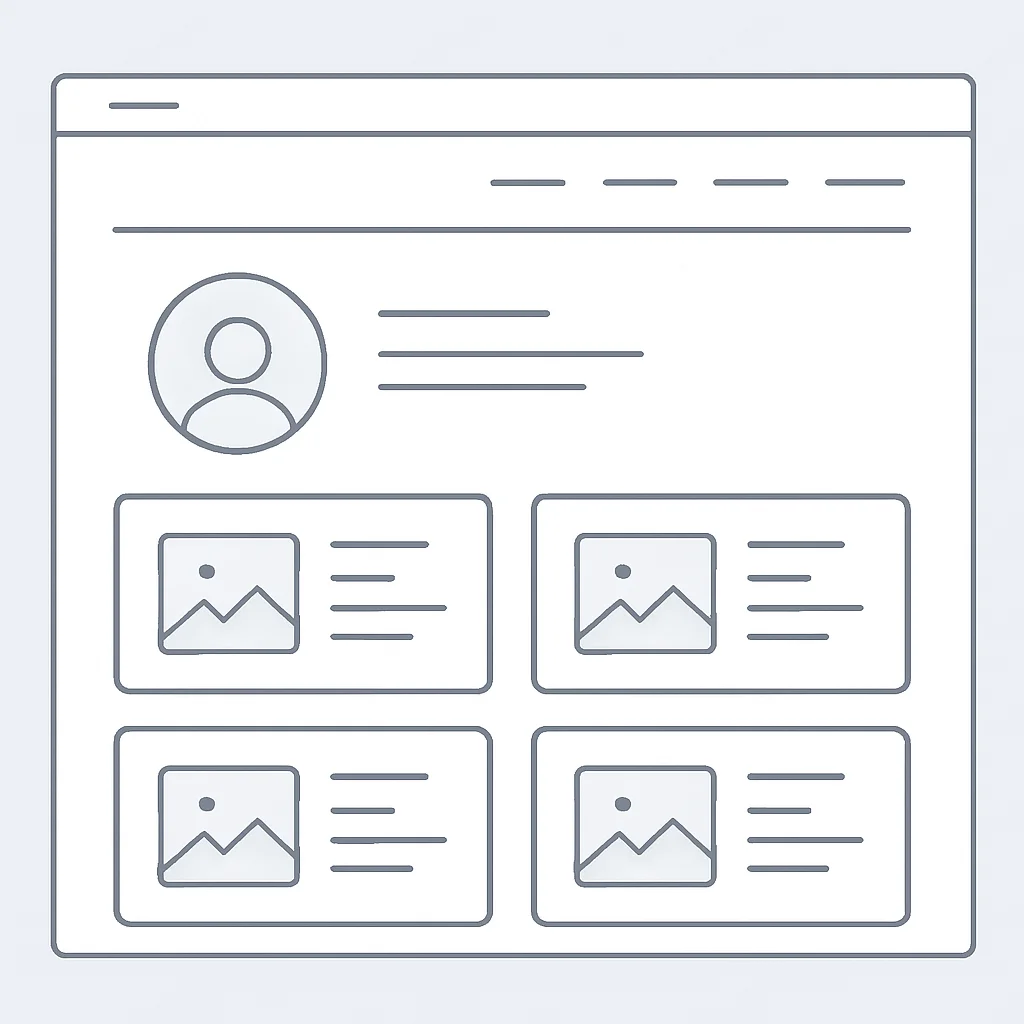
Homepage/Landing Page — A brief, compelling introduction to who you are and what you do, with immediate access to your best projects.
Project Showcase — Dedicated pages or sections for each of your selected projects, with detailed descriptions, screenshots, live demos, and GitHub links.
About Me Page — Your professional story, including your journey into tech, your passions, and your career aspirations. Inject some personality here!
Skills Section — A clear, categorized list of your technical proficiencies (languages, frameworks, tools, databases, cloud platforms).
Contact Information — Easy ways for recruiters to reach you (email, LinkedIn, Twitter, etc.).
Project Deep Dive: The STAR Method for Developers
When describing your projects, especially in interviews, the STAR method (Situation, Task, Action, Result) is incredibly effective. Adapt it for your written descriptions:
- Situation: Briefly set the context. What was the scenario or background of the project?
- Task: What was the goal or problem you needed to address?
- Action: What specific steps did you take to complete the task? Detail your technical decisions, the challenges you faced, and how you overcame them. This is where you showcase your skills.
- Result: What was the outcome of your actions? Quantify results whenever possible (e.g., “improved loading time by 30%”, “reduced bug reports by 15%”). Explain the impact of your work.
Here’s an example of how to apply the STAR method to a project description:
Case Title: E-commerce Product Recommendation Engine
Situation: An existing e-commerce platform lacked personalized product recommendations, leading to lower user engagement and conversion rates.
Task: Develop a scalable product recommendation engine that suggests relevant items to users based on their browsing history and purchase patterns.
Action: I designed and implemented a collaborative filtering algorithm using Python with the Surprise library. Data was extracted from a PostgreSQL database, preprocessed using Pandas, and fed into the model. I built a RESTful API with Flask to serve recommendations in real-time, integrating it with the platform’s frontend via a dedicated microservice. I also set up a daily cron job to retrain the model with fresh data.
Result: The recommendation engine successfully increased click-through rates on product pages by 22% and boosted overall sales conversions by 8% within three months of deployment. User feedback indicated higher satisfaction with personalized suggestions.
Showcasing Soft Skills
Technical skills get your foot in the door, but soft skills help you thrive in a team and company culture. Employers in 2026 are increasingly looking for developers who can communicate effectively, collaborate, adapt, and solve problems creatively. Your portfolio is a great place to subtly highlight these:
- Communication: Clear project descriptions, well-commented code, and engaging “About Me” sections.
- Collaboration: Mentioning team projects, open-source contributions, or how you incorporated feedback.
- Problem-Solving: Detailing challenges faced and how you overcame them in your project write-ups.
- Adaptability/Learning: Showcasing projects where you learned a new technology specifically for that project.
Pros of Highlighting Soft Skills
✔ Makes you a more attractive candidate for team-oriented roles.
✔ Demonstrates your potential for leadership and growth within an organization.
✔ Shows you can handle real-world project complexities beyond just coding.
✔ Differentiates you from purely technically focused developers.

Common Pitfalls & Mistakes to Avoid
Even with the best intentions, developers often make common mistakes that can hinder their portfolio’s effectiveness. Avoid these traps to maximize your impact:
WARNING
Neglecting to update your portfolio with your most recent and relevant work can make you appear stagnant or out of touch with current technologies. Regularly review and refresh your projects.
PROBLEM 01
Too Many Incomplete or Trivial Projects
Presenting a large number of projects that are either unfinished, basic tutorial clones, or lack substantial problem-solving can dilute your genuine skills and make your portfolio seem unfocused. Quality always trumps quantity.
SOLUTION
Focus on curating 3-5 of your absolute best projects. Ensure they are fully functional, well-documented, and demonstrate a clear understanding of relevant technologies and problem-solving approaches. Even a “Hello World” app, if it showcases a unique deployment strategy or a complex build process, can be made interesting with proper documentation.
PROBLEM 02
Lack of Context and Explanation
Simply linking to a GitHub repository without explaining the project’s purpose, your role, the technologies used, or the challenges you overcame is a missed opportunity. Recruiters don’t have time to dig through your code to understand its value.
SOLUTION
For every project, provide a clear, concise summary that includes the problem it solves, the technologies implemented, your specific contributions (especially for team projects), and any significant challenges and their solutions. Include screenshots, a live demo link, and a detailed README file in your GitHub repo as discussed in Step 3.
PROBLEM 03
Poor User Experience on the Portfolio Site Itself
If your portfolio website is slow, not mobile-responsive, difficult to navigate, or visually unappealing, it sends a negative signal about your attention to detail and frontend skills, regardless of your backend prowess. A developer’s portfolio is a product in itself.
SOLUTION
Treat your portfolio website as one of your key projects. Ensure it has a clean, minimalist design, fast loading times, and is fully responsive across all devices. Test it thoroughly for broken links, typos, and overall usability. Get feedback from peers or mentors before launching.
Frequently Asked Questions
Q. How many projects should I include in my developer portfolio?
A. Focus on 3-5 high-quality, well-documented projects rather than a large quantity of incomplete or trivial ones. Quality and depth of explanation are more important than sheer numbers.
Q. Should I include projects from my university coursework?
A. Yes, if they are substantial, demonstrate relevant skills, and you can clearly articulate your contributions and the challenges faced. Capstone projects are often excellent choices. Ensure they are well-documented and presentable.
Q. What if all my projects are backend-focused and I don’t have much UI/UX experience?
A. Clearly state your focus (e.g., “Backend Developer Portfolio”). For backend projects, emphasize API design, database schemas, performance, security, and deployment strategies. You can also create simple frontends for your APIs to demonstrate functionality, even if they aren’t visually stunning, or collaborate with a frontend developer on a project.
Q. How often should I update my portfolio?
A. Aim to update it whenever you complete a significant new project or make substantial improvements to an existing one. At a minimum, review and refresh your portfolio annually to ensure it reflects your current skill set and career goals.
Wrap-Up – Your Launchpad to Success
Building an irresistible developer portfolio in 2026 is an investment in your career. It’s a dynamic, evolving representation of your skills, passion, and potential. By following these steps – defining your niche, curating quality projects, documenting your process, and presenting it professionally – you’re not just building a collection of code; you’re building a powerful personal brand.
Remember, your portfolio is your story. Make it compelling. Show the world what you can create, how you solve problems, and why you are the ideal candidate for their team. With dedication and attention to detail, your portfolio will become your most effective tool for landing that dream tech job and propelling your career forward.
Portfolio Building Checklist for 2026
✔ Defined target roles and technologies.
✔ Selected 3-5 high-quality, relevant projects.
✔ Each project has a detailed description (Problem, Role, Tech, Challenges, Learnings).
✔ GitHub repos are clean, well-commented, and have comprehensive READMEs.
✔ Included live demos or high-quality screenshots/videos for projects.
✔ Portfolio website is responsive, fast, and easy to navigate.
✔ “About Me” page tells your professional story with personality.
✔ Contact information is easily accessible.
✔ Portfolio has been proofread and tested for errors.
9.2
/ 10
A strategic, well-presented developer portfolio is your strongest asset in 2026.
REFERENCES
LinkedIn Talent Report 2025 (Hypothetical) →
Thanks for reading!
We hope this guide empowers you to create a developer portfolio that truly reflects your capabilities and helps you achieve your career aspirations in 2026 and beyond. Your journey to your dream job starts here.
Got questions or need personalized advice? Drop a comment below or connect with Kwonglish on social media!