
SUMMARY
Serverless Architectures: A Comparative Analysis
An in-depth report on the leading serverless platforms: AWS Lambda, Azure Functions, and Google Cloud Functions.
Keywords: Serverless, AWS Lambda, Azure Functions, Google Cloud Functions
TABLE OF CONTENTS
1. The Rise of Serverless: Background and Introduction
2. Core Content: Architectural Breakdown & Feature Comparison
3. Problem Solving: Common Serverless Challenges & Solutions
4. Practical Application: Building a Simple Serverless API
5. Frequently Asked Questions (FAQ)
6. Wrap-Up: Conclusion and Future Outlook
INTRODUCTION
The Rise of Serverless: Background and Introduction
In the rapidly evolving landscape of cloud computing, serverless architecture has emerged as a transformative paradigm, fundamentally altering how developers design, deploy, and manage applications. Gone are the days of provisioning and maintaining physical or virtual servers; serverless abstracts away the underlying infrastructure, allowing developers to focus purely on writing code. This shift has led to significant improvements in operational efficiency, scalability, and cost-effectiveness, making it a cornerstone for modern cloud-native development.
The core idea behind serverless computing, often referred to as Function-as-a-Service (FaaS), is to run code in stateless containers that are fully managed by a cloud provider. These functions are typically triggered by events, such as HTTP requests, database changes, file uploads, or scheduled timers. The cloud provider handles everything from server management and scaling to patching and logging, freeing up development teams to concentrate on business logic. This “pay-per-execution” model, where you only pay for the compute time your code actually consumes, has proven incredibly attractive for a wide range of use cases.
Since its popularization around 2014-2015, serverless technology has matured considerably. What started with basic function execution has expanded into comprehensive ecosystems offering integrated services for databases, API gateways, storage, and event streaming. This report aims to provide a comprehensive analysis of the three leading serverless platforms: Amazon Web Services (AWS) Lambda, Microsoft Azure Functions, and Google Cloud Functions. We will delve into their architectural nuances, compare their feature sets, discuss common challenges, and explore practical applications to help you make informed decisions for your next project in 2026.
KEY POINT
Serverless computing, or FaaS, abstracts infrastructure management, enabling developers to focus solely on code and pay only for execution time. This model significantly enhances scalability and cost efficiency.
ANALYSIS
Core Content: Architectural Breakdown & Feature Comparison
AWS Lambda: The Pioneer
Launched in 2014, AWS Lambda was one of the first widely available serverless computing services and has since become the industry standard. It boasts a vast ecosystem of integrations with other AWS services, making it incredibly powerful for building complex, event-driven applications. Lambda functions support a wide array of runtimes including Node.js, Python, Java, C#, Go, Ruby, and custom runtimes.
Key architectural aspects of Lambda include its tight integration with Amazon API Gateway for RESTful APIs, S3 for event-driven storage processing, DynamoDB for NoSQL databases, and Kinesis/SQS for streaming and messaging. Lambda’s cold start times have historically been a point of discussion, especially for less frequently invoked functions, though AWS has made significant strides in optimizing this with features like Provisioned Concurrency. The maximum execution time for a Lambda function is 15 minutes, and memory can be configured from 128 MB to 10,240 MB.
KEY POINT
AWS Lambda, the market leader, offers extensive integrations and flexible runtimes, supporting up to 15-minute execution and 10GB memory. Provisioned Concurrency helps mitigate cold starts.
Azure Functions: Microsoft’s Enterprise Offering
Microsoft Azure Functions provides a robust serverless solution tailored for enterprise workloads, leveraging the broader Azure ecosystem. It supports .NET, Node.js, Python, Java, PowerShell, and custom handlers. A standout feature of Azure Functions is its flexible hosting plans, including a Consumption Plan (pay-per-execution), Premium Plan (pre-warmed instances, VNet connectivity), and App Service Plan (dedicated resources for predictable performance).
Azure Functions excels in its integration with Azure Logic Apps for workflows, Azure Event Grid for event routing, Azure Cosmos DB for globally distributed databases, and Azure Storage for various data needs. It offers durable functions, allowing stateful orchestrations in a serverless environment, which is a unique differentiator. Execution timeouts range from 5 minutes (default for Consumption Plan) up to unlimited for App Service Plans. Memory limits are generally tied to the hosting plan, with Consumption Plan typically offering up to 1.5 GB.
Google Cloud Functions: Simplicity and Google Ecosystem Integration
Google Cloud Functions (GCF) focuses on simplicity and deep integration with the Google Cloud Platform (GCP) ecosystem. It supports Node.js, Python, Go, Java, .NET, Ruby, and PHP. GCF is particularly strong for event-driven microservices, data processing, and mobile/web backends, leveraging services like Cloud Pub/Sub for messaging, Cloud Storage for file events, and Firebase for mobile development.
GCF prides itself on fast cold starts and a straightforward deployment model. While its ecosystem might not be as vast as AWS, its tight integration with GCP’s AI/ML services and BigQuery makes it a compelling choice for data-intensive applications. The maximum execution time for GCF is 9 minutes, and memory can be configured from 128 MB to 8,192 MB. GCF also offers HTTP triggers, background triggers for various GCP services, and Cloud Pub/Sub triggers.
Comparative Analysis of Leading Serverless Platforms (2026)
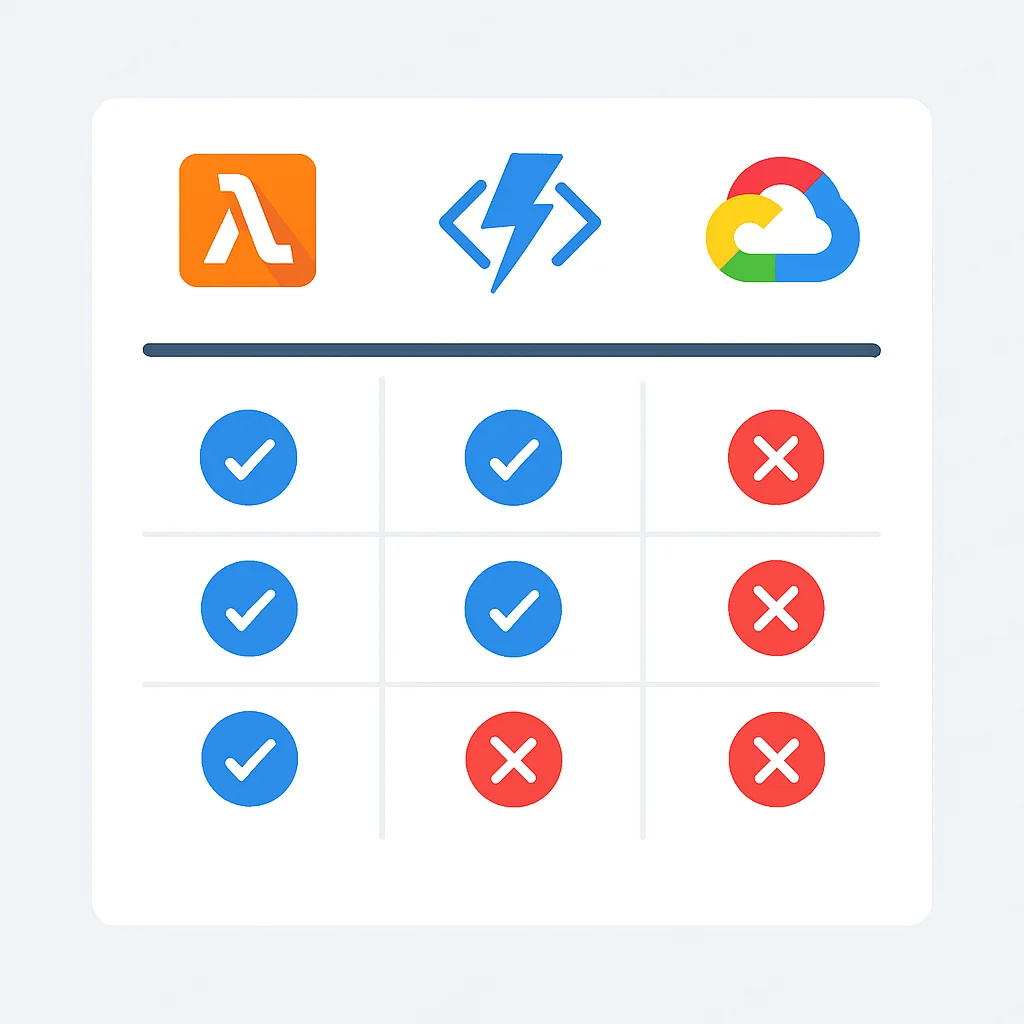
To provide a clearer picture, let’s compare these three titans across several critical dimensions:

| Feature | AWS Lambda | Azure Functions | Google Cloud Functions |
|---|---|---|---|
| Runtimes | Node.js, Python, Java, C#, Go, Ruby, Custom | .NET, Node.js, Python, Java, PowerShell, Custom | Node.js, Python, Go, Java, .NET, Ruby, PHP |
| Max Execution Time | 15 minutes | 5 min (Consumption), Unlimited (App Service) | 9 minutes |
| Memory Range | 128 MB – 10,240 MB | 128 MB – 1.5 GB (Consumption), higher with Premium/App Service | 128 MB – 8,192 MB |
| Cold Start Mitigation | Provisioned Concurrency | Premium Plan (pre-warmed instances) | Generally fast cold starts |
| Unique Features | Layers, Extensions, SnapStart for Java | Durable Functions, Multiple Hosting Plans | Eventarc, tight AI/ML integration |
| Ecosystem Integration | Vastest AWS service integrations | Strong Azure enterprise service integrations | Deep GCP service integrations, especially AI/ML |
When selecting a platform, consider your existing cloud investments, specific language requirements, and the need for advanced features like stateful orchestrations (Azure Durable Functions) or deep machine learning integration (GCP). AWS often suits those needing the broadest set of integrations and mature tooling, while Azure targets enterprises with existing Microsoft stacks, and GCP appeals to those prioritizing simplicity and data-centric applications.
CHALLENGES & SOLUTIONS
Problem Solving: Common Serverless Challenges & Solutions
Despite its numerous advantages, serverless architecture comes with its own set of challenges. Understanding these and knowing how to mitigate them is crucial for successful adoption.
KEY POINT
Addressing serverless challenges like cold starts (using Provisioned Concurrency or Premium Plans) and vendor lock-in (via abstraction layers and frameworks like Serverless Framework) is crucial for robust serverless adoption.
PRACTICAL GUIDE
Practical Application: Building a Simple Serverless API
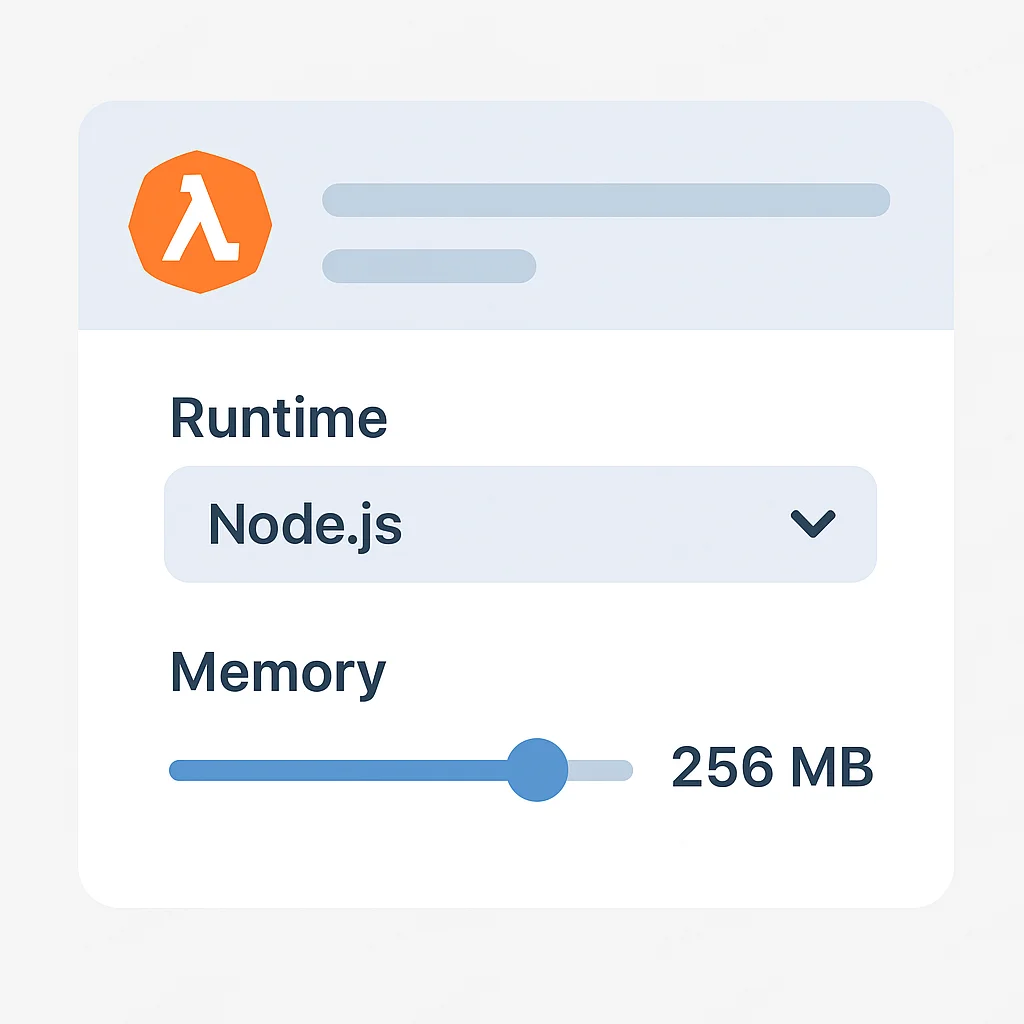
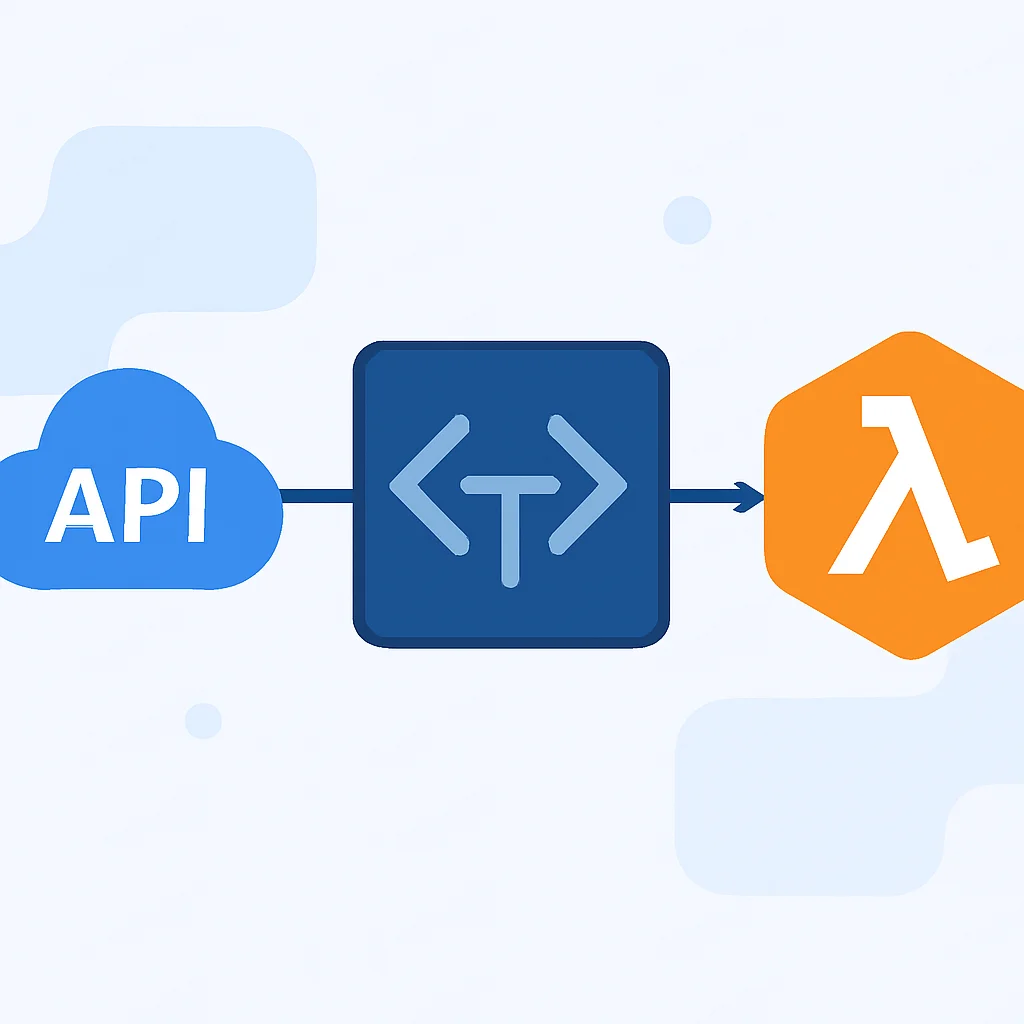
Let’s walk through a practical example of building a simple “Hello World” API using AWS Lambda and API Gateway. This will demonstrate the basic setup for a common serverless use case: an HTTP-triggered function.
Step 1: Create an AWS Lambda Function
First, you need a Lambda function that will respond to HTTP requests. We’ll use Node.js for this example.

Step 2: Configure API Gateway Trigger
Now, we need to expose this Lambda function via an HTTP endpoint using Amazon API Gateway.

KEY POINT
This simple example demonstrates how quickly you can deploy a serverless API endpoint. The entire process, from coding a function to exposing it via an API Gateway, can be completed in minutes, showcasing the agility of serverless development.
FAQ
Frequently Asked Questions About Serverless
Q. What is the main benefit of using serverless architecture?
The primary benefit of serverless is the complete abstraction of infrastructure management, allowing developers to focus solely on code. This leads to automatic scaling, reduced operational overhead, and a “pay-per-execution” cost model, significantly lowering expenses for fluctuating workloads.
Q. Are serverless functions truly “serverless”?
No, the term “serverless” is a misnomer; servers are still involved, but their management is entirely handled by the cloud provider. From a developer’s perspective, there are no servers to provision, scale, or maintain, giving the illusion of being server-free.
Q. What are cold starts, and how can they be mitigated?
Cold starts occur when a serverless function is invoked after inactivity, requiring the cloud provider to initialize its execution environment. Mitigation strategies include using lightweight runtimes, optimizing package sizes, and employing features like AWS Lambda’s Provisioned Concurrency or Azure Functions’ Premium Plan to keep instances pre-warmed.
Q. Can serverless be used for long-running processes?
While serverless functions have execution time limits (e.g., 15 minutes for AWS Lambda), they can be orchestrated for longer processes. Services like AWS Step Functions or Azure Durable Functions allow you to chain multiple functions or pause/resume execution, making them suitable for complex, long-running workflows.
Q. Is serverless cheaper than traditional servers?
Often, yes, especially for intermittent or variable workloads, due to the pay-per-execution model. However, for extremely consistent, high-volume workloads, dedicated servers might be more cost-effective. It’s crucial to analyze your specific usage patterns and compare pricing models.
CONCLUSION
Wrap-Up: Conclusion and Future Outlook
Serverless architecture has firmly established itself as a cornerstone of modern cloud development. AWS Lambda, Azure Functions, and Google Cloud Functions each offer compelling features, robust ecosystems, and distinct advantages, catering to a diverse range of use cases and organizational preferences. While challenges like cold starts, vendor lock-in, and debugging complexity persist, the continuous innovation from cloud providers and the growing maturity of tooling are steadily addressing these concerns.
Looking ahead to 2026 and beyond, we can expect further advancements in serverless technology. Anticipated trends include:
1. Enhanced Observability: More sophisticated built-in and third-party tools for tracing, monitoring, and debugging distributed serverless applications.
2. Broader Runtime Support: Continued expansion of supported languages and custom runtimes, allowing greater flexibility for developers.
3. Improved Cold Start Performance: Further optimizations and innovative techniques to reduce or eliminate cold start latency across all platforms.
4. Hybrid and Edge Serverless: Increased adoption of serverless functions running on-premises or at the network edge for specialized low-latency requirements.
5. Stateful Serverless Patterns: More mature and standardized patterns for managing state in serverless applications, building on concepts like Durable Functions.
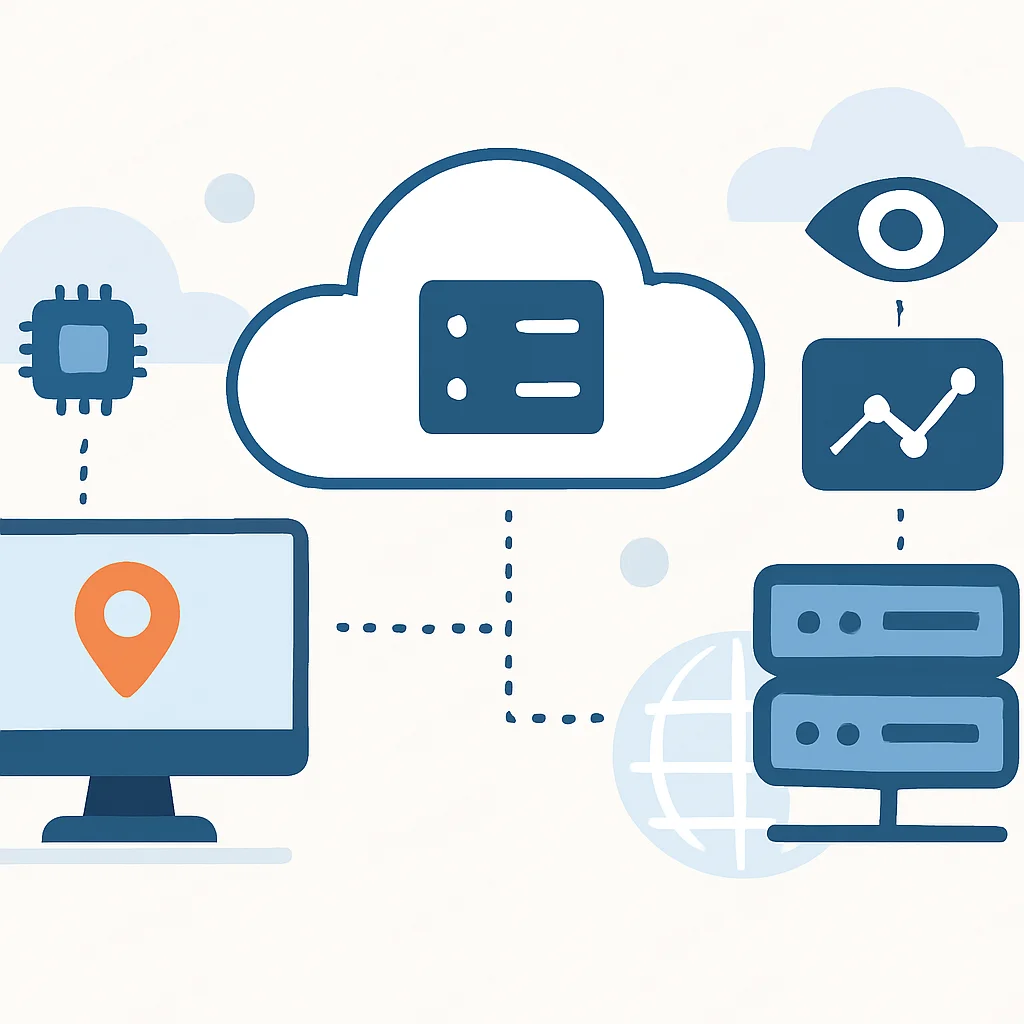

For organizations looking to build scalable, resilient, and cost-effective applications, serverless computing offers a compelling path forward. By carefully evaluating platform strengths, understanding potential pitfalls, and adopting best practices, you can harness the full power of serverless to drive innovation and efficiency in your cloud strategy.
KEY POINT
Serverless is a mature, evolving paradigm offering scalability and cost efficiency. Future trends point towards enhanced observability, improved cold start performance, and more sophisticated stateful and hybrid serverless patterns, further solidifying its role in cloud-native development.
REFERENCES
AWS Lambda Official Documentation
Azure Functions Official Documentation
Google Cloud Functions Official Documentation
Serverless Framework


Thanks for reading this Kwonglish analysis!
We hope this deep dive into serverless architectures helps you navigate the complexities and make informed decisions for your cloud-native projects in 2026. The world of serverless is constantly evolving, and staying updated is key.
Got questions or insights to share about serverless? Drop a comment below or connect with Kwonglish!