SUMMARY
Preventing Developer Burnout: Practical Strategies for Tech Professionals in 2026
Combat developer burnout with actionable strategies for a sustainable tech career in 2026.
Keywords: developer burnout, mental health, tech wellness
TABLE OF CONTENTS
1. Overview: The Rising Tide of Developer Burnout
2. Core Guide: Understanding & Mitigating Burnout
3. Real-World Scenarios & Case Studies
4. Important Caveats
5. Frequently Asked Questions (FAQ)
6. Wrap-Up: Building a Sustainable Tech Career
OVERVIEW
The Rising Tide of Developer Burnout in 2026
In the fast-paced world of technology, developers are often at the forefront of innovation, constantly pushing boundaries and solving complex problems. While this can be incredibly rewarding, it also comes with unique pressures that, if not managed effectively, can lead to a pervasive and debilitating condition: developer burnout. As we navigate 2026, the landscape of tech work continues to evolve, bringing new challenges and intensifying existing ones.
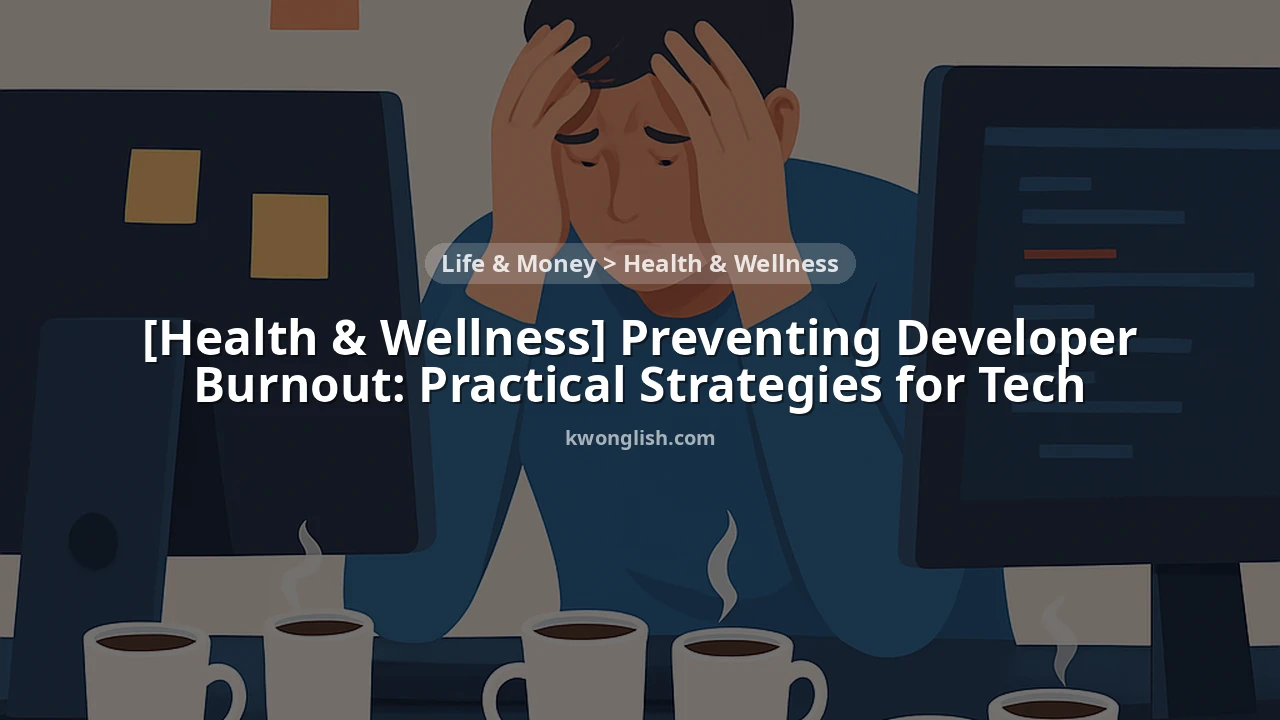
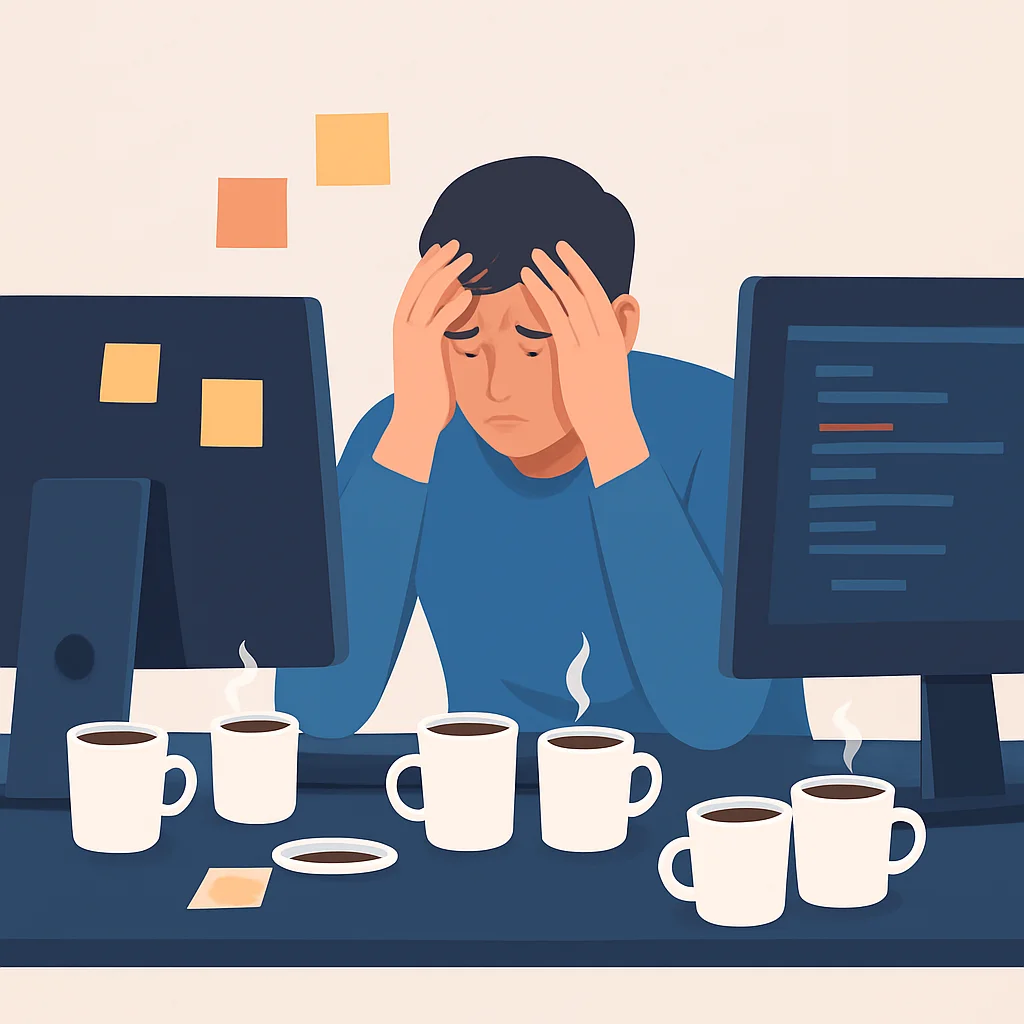
The “always-on” culture, often exacerbated by remote or hybrid work models, blurs the lines between professional and personal life. Tight deadlines, continuous learning requirements, legacy code maintenance, and the constant demand for high productivity can take a significant toll on mental and physical well-being. Recent industry reports indicate that a staggering 65% of tech professionals experienced symptoms of burnout in the past year, with developers being particularly vulnerable due to the intense cognitive load and often solitary nature of their work. This isn’t just a personal issue; it impacts team morale, project timelines, and overall company success.
Preventing burnout isn’t merely about taking a vacation; it requires a proactive, multi-faceted approach that integrates sustainable habits into daily work life. This guide is designed to equip tech professionals with practical, actionable strategies to identify, prevent, and recover from developer burnout in 2026, fostering a healthier and more sustainable career.
KEY POINT
Burnout is not a sign of weakness, but a signal that your current work-life balance is unsustainable. Addressing it proactively is crucial for long-term career success and personal well-being.
CORE GUIDE
Understanding & Mitigating Burnout
Before we dive into prevention, let’s clearly define what developer burnout entails and why it’s so prevalent in our industry.
What is Developer Burnout?
Burnout, as defined by the World Health Organization (WHO), is an occupational phenomenon resulting from chronic workplace stress that has not been successfully managed. It’s characterized by three dimensions:
1. Emotional Exhaustion: Feeling drained of energy, overwhelmed, and unable to cope with work demands.
2. Depersonalization (Cynicism): Developing a detached, negative, or cynical attitude towards one’s job and colleagues.
3. Reduced Personal Accomplishment: A feeling of ineffectiveness and a lack of accomplishment, leading to self-doubt.
For developers, specific triggers include:
• Relentless Deadlines: The pressure to deliver features quickly, often under tight, unrealistic schedules.
• Technical Debt: Working with poorly documented or legacy codebases can be mentally exhausting and frustrating.
• On-Call Duties: Being available 24/7 for critical system issues disrupts sleep and personal time.
• Imposter Syndrome: The feeling of not being good enough, despite evidence of success, leading to overworking.
• Information Overload: The constant need to learn new languages, frameworks, and tools to stay relevant.
Recognizing these signs early is your first line of defense.
WARNING
Ignoring early signs of burnout can lead to severe mental and physical health problems, impacting not just your career but your entire life. Seek help if symptoms persist.
Actionable Strategies for Prevention
1. Setting Boundaries and Managing Expectations
This is perhaps the most critical step. Without clear boundaries, work can easily bleed into every aspect of your life, especially with remote work becoming standard.
1
Define Your Work Hours
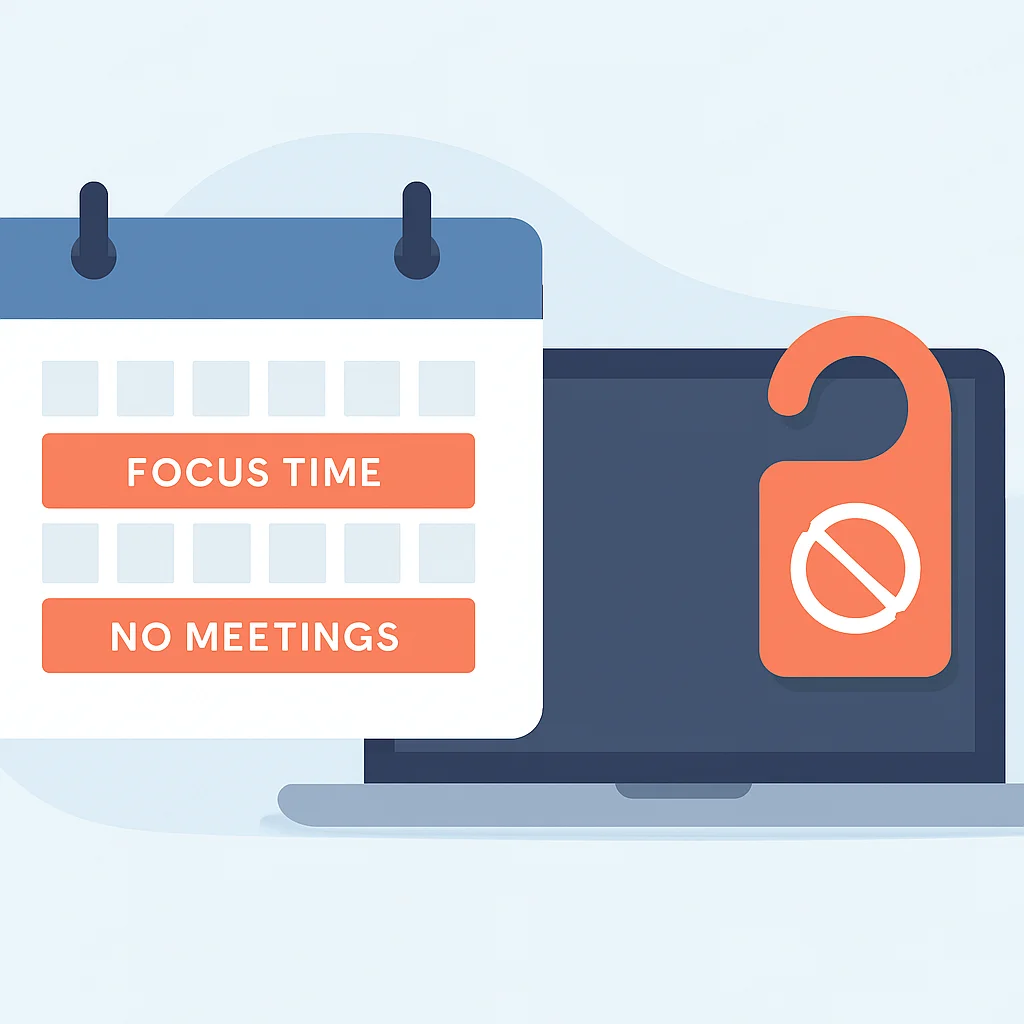
Decide on a fixed start and end time for your workday. Communicate these hours clearly to your team and stick to them. For example, if your workday is 9 AM to 5 PM, commit to logging off promptly at 5 PM. Use tools to block out your calendar for “deep work” and “lunch breaks.”
2
Learn to Say No (Respectfully)
When new tasks arise that will overextend you, politely decline or negotiate priorities. Instead of a direct “no,” try: “I can take on X, but that would mean Y would need to be delayed. Which is the higher priority?” This demonstrates commitment while managing your workload. Aim to keep your active project load to a manageable 3-5 key tasks at any given time.
3
Manage Communication Channels
Avoid being constantly available. Schedule specific times to check emails and Slack messages (e.g., 10 AM, 1 PM, 4 PM). Turn off notifications outside these times. For urgent issues, establish clear emergency communication protocols with your team, so you’re not constantly monitoring non-critical channels.
KEY POINT
Visible boundaries are healthy boundaries. Make your availability explicit and stick to it, even if it feels uncomfortable at first. Your team will adapt.
2. Prioritizing Physical Well-being
Your physical health is inextricably linked to your mental resilience. Neglecting it makes you far more susceptible to burnout.
Developer Wellness Checklist
☑ Regular Exercise: Aim for at least 30 minutes of moderate activity 3-5 times a week. This could be a brisk walk, jogging, cycling, or strength training. Even short 5-minute stretching breaks every hour can make a difference.
☑ Quality Sleep: Target 7-9 hours of sleep per night. Establish a consistent sleep schedule, create a dark and cool sleep environment, and avoid screens for at least an hour before bedtime. Blue light filters can help if you must work late.
☑ Nutritious Diet: Fuel your brain and body with balanced meals. Reduce processed foods, excessive sugar, and caffeine. Hydrate regularly with at least 2-3 liters of water daily. Consider healthy snacks like nuts or fruits instead of sugary treats.
☑ Scheduled Breaks: Implement the Pomodoro Technique (25 minutes work, 5 minutes break) or similar. Step away from your screen, walk around, stretch, or grab a glass of water. A 15-minute mid-morning and mid-afternoon break can significantly improve focus and reduce fatigue.
☑ Eye Health: Follow the 20-20-20 rule: Every 20 minutes, look at something 20 feet away for 20 seconds. This helps reduce eye strain from prolonged screen time.
3. Cultivating Mental Resilience
Developing mental fortitude can help you navigate stress more effectively and bounce back from setbacks.
Building Mental Fortitude
Mindfulness & Meditation — Dedicate 5-10 minutes daily to mindfulness exercises or meditation. Apps like Calm or Headspace offer guided sessions that can reduce stress and improve focus. This helps train your brain to stay present and less overwhelmed by future worries or past regrets.
Gratitude Journaling — Spend a few minutes each day writing down things you’re grateful for. This simple practice can shift your perspective from negative to positive, boosting overall mood and reducing feelings of cynicism.
Seeking Professional Support — Don’t hesitate to talk to a therapist or counselor if you’re struggling. Many companies offer Employee Assistance Programs (EAPs) that provide free, confidential support. Mental health is just as important as physical health.
Peer Support & Mentorship — Connect with other developers, either informally or through structured mentorship programs. Sharing experiences and challenges can provide valuable perspective and reduce feelings of isolation. Knowing you’re not alone can be incredibly empowering.

4. Optimizing Your Work Environment
Your physical workspace has a profound impact on your productivity and well-being. A well-designed environment can reduce physical strain and mental fatigue.
Pros: Ergonomic & Distraction-Free Workspace
✔ Ergonomic Setup: Invest in a comfortable chair, an adjustable desk (standing options are great), and ensure your monitor is at eye level. This prevents back pain, wrist strain (carpal tunnel), and neck issues common among developers.
✔ Minimize Distractions: Create a dedicated workspace free from clutter. Use noise-canceling headphones if you work in a noisy environment (either home or office). Close unnecessary tabs and applications during focus blocks.
✔ Natural Light & Greenery: Position your desk near a window if possible. Studies show exposure to natural light and plants can improve mood and productivity. Even a small desk plant can make a difference.
✔ “Commute” Ritual: If working remotely, create a ritual to signal the start and end of your workday, like a short walk or changing clothes. This helps your brain switch between work and personal modes.
Cons: Unoptimized Workspace Risks
✖ Physical Ailments: Poor posture and repetitive strain from non-ergonomic setups can lead to chronic pain, affecting focus and overall well-being.
✖ Constant Interruptions: A cluttered or noisy environment constantly breaks concentration, leading to fragmented work, increased stress, and longer hours to complete tasks.
✖ Blurred Boundaries: Working from bed or on the couch can erode the mental distinction between work and rest, making it harder to disconnect and relax.
✖ Reduced Productivity: A suboptimal setup can decrease efficiency by 15-20%, leading to feelings of inadequacy and the need to work longer hours to compensate.
5. Continuous Learning and Skill Diversification
While constant learning can be a source of stress, strategic learning can also be a powerful antidote to burnout. It combats stagnation and keeps work engaging.
Allocate dedicated time each week (e.g., 2-4 hours) for learning new technologies, contributing to open-source projects, or working on personal side projects. This “innovation time” can prevent monotony and rekindle passion. For instance, if you primarily work with backend Java, explore a frontend framework like React or a cloud platform like AWS. This diversification not only enhances your market value but also provides a mental break from your primary tasks and a sense of fresh accomplishment.
KEY POINT
Strategic learning and diversified skill development can be energizing, combating the monotony and stagnation that often contribute to burnout. Make learning a part of your paid work time, not just personal time.
Tools and Resources for 2026
Leverage modern tools and communities to support your well-being efforts:
Essential Wellness & Productivity Tools
Task Management: Tools like Jira, Trello, Asana, or Monday.com help visualize workload, set realistic deadlines, and track progress, reducing the feeling of being overwhelmed. Prioritize tasks using methods like Eisenhower Matrix or MoSCoW (Must have, Should have, Could have, Won’t have).
Time Tracking & Focus: RescueTime or Toggl can help you understand where your time goes, identify distractions, and encourage focused work. Apps like Forest or Pomofocus enforce Pomodoro breaks.
Mindfulness Apps: Calm, Headspace, Insight Timer. These apps offer guided meditations, sleep stories, and breathing exercises to manage stress and improve mental clarity.
Ergonomics Software: Apps like WorkRave or Stretchly remind you to take micro-breaks and perform stretches, preventing repetitive strain injuries.
Developer Communities: Platforms like Stack Overflow, Dev.to, Reddit’s r/ExperiencedDevs, or local meetups provide a sense of community, allowing you to share challenges and learn from peers, combating isolation.
CODE EXPLANATION
This simple Python script can be used to set up automated break reminders, which is a practical way to ensure you step away from your screen regularly. You can run this in the background or integrate it with your OS’s task scheduler.
import time
import os

def send_notification(title, message):
    # For macOS
    if os.name == 'posix':
        os.system(f'osascript -e \'display notification "{message}" with title "{title}"\'')
    # For Linux (requires 'notify-send')
    elif os.name == 'nt' or os.name == 'posix': # Assuming Windows Subsystem for Linux (WSL) or native Linux
        os.system(f'notify-send "{title}" "{message}"')
    # For Windows (requires 'pip install win10toast' or similar, or could use PowerShell)
    # This example uses a simplified print, for real world, use win10toast
    else:
        print(f"--- {title} ---")
        print(f"{message}")
        print("-----------------")

def break_reminder(interval_minutes=25, break_minutes=5):
    print(f"Break reminder started. Work for {interval_minutes} mins, then {break_minutes} min break.")
    while True:
        time.sleep(interval_minutes * 60) # Work interval
        send_notification("Time for a Break!", f"You've worked for {interval_minutes} minutes. Take a {break_minutes} minute break.")
        print(f"Break time! Return in {break_minutes} minutes.")
        time.sleep(break_minutes * 60) # Break interval
        send_notification("Back to Work!", "Break over. Time to get back to coding!")
        print("Back to work!")

if __name__ == "__main__":
    # Example: Work for 45 minutes, then take a 10-minute break
    break_reminder(interval_minutes=45, break_minutes=10)
REAL-WORLD EXAMPLES
Real-World Scenarios & Case Studies
Case 1: The Overworked Startup Dev
PROBLEM 01
Sarah’s 60-Hour Work Weeks at a Fast-Paced Startup
Sarah, a talented junior developer at a rapidly growing Series A startup, found herself routinely working 60+ hours a week. The “all hands on deck” mentality meant frequent late nights and weekend work. She started experiencing chronic fatigue, irritability, and felt disconnected from her personal life. Her code quality began to suffer, and she felt a constant sense of dread about opening her laptop each morning.
SOLUTION — Implementing Strict Boundaries and Managerial Support
Sarah realized she needed to make a change. She scheduled a candid conversation with her manager, expressing her burnout concerns and the impact on her productivity. Together, they developed a plan:
1. Hard Stop Time: Sarah committed to logging off by 6 PM every weekday, no exceptions. She would close her laptop and leave her home office.
2. Weekend Ban: She completely disconnected from work during weekends, even turning off work notifications on her phone.
3. Prioritization with Manager: Her manager helped her prioritize tasks, pushing back on non-critical requests and reallocating some workload to other team members.
4. Scheduled Breaks: Sarah started taking a 30-minute lunch break and two 15-minute walking breaks daily.
Within two months, Sarah’s energy levels improved significantly. Her code quality bounced back, and she felt more engaged and motivated. Her manager observed a positive shift in the team’s overall well-being as others also started adopting healthier boundaries.
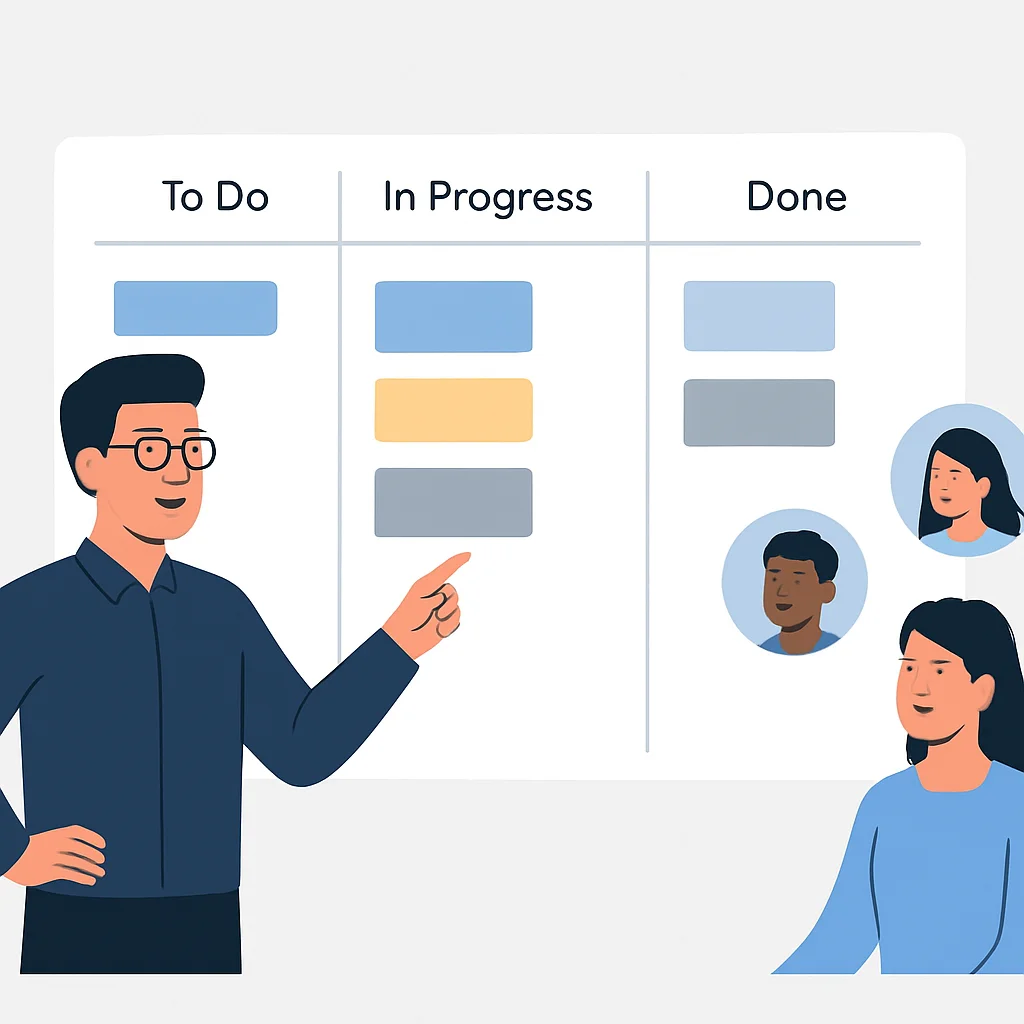
Case 2: The Senior Engineer Managing Teams
Case Title: Mark’s Proactive Team Wellness Initiative
Mark, a senior staff engineer responsible for a critical microservices platform and a team of 8, noticed subtle signs of stress spreading through his team, including missed deadlines and increased tension in daily stand-ups. He realized that as a leader, he needed to model and implement sustainable practices.
Solution: Fostering a Culture of Well-being
Mark implemented several team-wide strategies:
1. “No Meeting Wednesdays”: Designating one day a week entirely free of scheduled meetings, allowing for deep focus work.
2. Mandatory Lunch Breaks: Encouraging team members to block out 60 minutes for lunch and step away from their desks. Mark would often share photos of his lunch break walk to encourage others.
3. Improved Sprint Planning: Working with product owners to set more realistic sprint goals, reducing the average story points per sprint by 15% to allow for unexpected issues and technical debt.
4. Skill Development Time: Allocating 10% of each sprint for team members to work on learning new skills or exploring innovative solutions, fostering engagement and growth.
These changes led to a noticeable improvement in team morale and productivity. Developers reported feeling less stressed, more supported, and more engaged. Mark’s proactive approach helped prevent widespread burnout and created a more resilient and effective team.
CAVEATS
Important Caveats for Burnout Prevention
While the strategies outlined above are highly effective, it’s crucial to understand that preventing burnout is not a one-size-fits-all solution. Several factors can influence the effectiveness of these strategies:
• Individual Differences: What works for one person may not work for another. Some individuals are more resilient to stress, while others are more susceptible. It’s essential to listen to your own body and mind and adapt strategies accordingly.
• Company Culture: Individual efforts to prevent burnout can be undermined by a toxic or excessively demanding company culture. If your organization consistently expects unreasonable hours, discourages breaks, or provides inadequate support, systemic change may be necessary. Sometimes, the best solution is to seek a healthier work environment.
• Severity of Burnout: If you are already experiencing severe symptoms of burnout, such as persistent depression, anxiety, or physical illness, self-help strategies may not be enough. In such cases, professional intervention from a therapist, counselor, or doctor is highly recommended. Burnout is a serious health condition.
• Managerial Support: The support of your direct manager is paramount. A good manager will help you prioritize, protect your time, and advocate for your well-being. If your manager is part of the problem, escalating concerns to HR or seeking internal mentorship might be necessary.
Remember, taking care of your mental and physical health is not a luxury; it’s a necessity for a long, fulfilling, and productive career in tech. Be kind to yourself, and don’t be afraid to ask for help.
Frequently Asked Questions (FAQ)
Q. What are the earliest signs of developer burnout?
Early signs include persistent fatigue, reduced enthusiasm for work, increased cynicism, difficulty concentrating, irritability, and a feeling of being overwhelmed by tasks that used to be manageable. You might also notice a decline in the quality of your work or an increase in minor errors.
Q. How can I set boundaries without appearing uncommitted to my job?
Communicate your boundaries proactively and professionally. Frame it as optimizing your productivity and well-being for long-term commitment. For example, “I’m most productive between 9 AM and 5 PM, so I’ll be focusing my work during those hours to deliver high-quality results.” Demonstrate your commitment through high-quality output during your defined work hours, not through excessive hours.
Q. Are there any specific tools or apps recommended for developers to prevent burnout in 2026?
Yes, consider task management tools like Jira or Asana for workload visualization, time trackers like Toggl for understanding your work patterns, and mindfulness apps such as Calm or Headspace for stress reduction. Ergonomic reminder software like Stretchly can also be very beneficial for physical well-being.
Q. My company culture promotes long hours. What are my options?
First, try to implement personal boundaries and communicate them. If the culture remains unsupportive and consistently detrimental to your health, consider speaking with HR or seeking external mentorship for advice. Ultimately, if the environment is toxic and unchangeable, exploring opportunities with companies that prioritize work-life balance might be the healthiest long-term solution.
WRAP-UP
Building a Sustainable Tech Career
Developer burnout is a significant challenge in the tech industry, but it’s not an insurmountable one. By understanding its causes and proactively implementing practical strategies, you can safeguard your mental and physical health, ensuring a long, productive, and enjoyable career. Remember that preventing burnout is an ongoing process that requires self-awareness, discipline, and sometimes, the courage to make difficult choices about your work environment.
The strategies discussed — from setting clear boundaries and prioritizing physical well-being to cultivating mental resilience and optimizing your workspace — are not just “nice-to-haves.” They are essential components of a sustainable career in 2026 and beyond. Embrace these practices not as limitations, but as investments in your most valuable asset: yourself.
9.2
/ 10
Actionable strategies for a sustainable and healthy developer career.
Thanks for reading!
We hope these strategies empower you to build a healthier, more sustainable career in the dynamic tech industry.
Got feedback or questions? Drop a comment below or share your own tips for preventing burnout!