
SUMMARY
Attract & Secure Brand Sponsorships: A Developer’s Guide in 2026
This guide serves as a practical resource for developers seeking to find, pitch, and secure lucrative brand sponsorships for their tech content, projects, or personal brand.
Keywords: Brand Sponsorships, Developer Monetization, Creator Economy
TABLE OF CONTENTS
1 Introduction: The Developer as a Brand in 2026
2 Building Your Foundation: Niche, Content, and Audience Growth
3 Identifying & Approaching Potential Sponsors
4 Overcoming Common Sponsorship Challenges
5 Executing & Nurturing Successful Partnerships
6 Future Outlook: The Evolving Landscape of Developer Sponsorships
7 Frequently Asked Questions
INTRODUCTION
The Developer as a Brand in 2026
In 2026, the landscape for developers has expanded far beyond traditional employment. The rise of the creator economy has empowered technical professionals to build personal brands, share expertise, and, crucially, monetize their influence through brand sponsorships. What was once the domain of lifestyle influencers is now a significant opportunity for developers, engineers, and tech educators to secure lucrative partnerships with companies eager to reach highly engaged, technically savvy audiences.
The demand for authentic, expert-driven content is at an all-time high. Brands are increasingly shifting their marketing budgets from traditional advertising to influencer marketing, recognizing that developers trust their peers more than corporate messaging. This trend is particularly evident in the B2B tech space, where product adoption often hinges on grassroots developer advocacy. For instance, a recent report by Influencer Marketing Hub projected the global influencer marketing market to reach $24.1 billion by 2026, with a significant portion allocated to niche experts and thought leaders, including developers.
“In 2026, developers aren’t just building the future; they’re also shaping perceptions and driving adoption for the tools that power it, making them invaluable partners for tech brands.”
— Kwonglish Blog
However, navigating the world of brand sponsorships can seem daunting for developers more accustomed to writing code than crafting media kits. This guide aims to demystify the process, providing a clear roadmap for identifying, pitching, and securing brand deals that align with your values and content. We’ll cover everything from building a compelling personal brand to negotiating contracts, ensuring you’re well-equipped to capitalize on this growing opportunity in 2026.
KEY POINT
The creator economy has significantly opened doors for developers to monetize their expertise through brand sponsorships, with brands actively seeking authentic technical voices in 2026.

CORE CONTENT
Building Your Foundation: Niche, Content, and Audience Growth
Before you can attract sponsors, you need a solid foundation: a well-defined niche, high-quality content, and an engaged audience. These three pillars are non-negotiable for proving your value to potential partners.
Defining Your Niche: Specialize to Stand Out
In a crowded digital space, broad appeal often translates to diluted impact. Brands aren’t looking for generalists; they’re seeking experts who can speak directly to a specific segment of their target market. For developers, this means identifying a niche where your expertise shines and where there’s a clear demand for content.
Consider these questions:
- What technologies do you genuinely enjoy working with? (e.g., Rust for WebAssembly, Kubernetes on edge devices, Serverless architectures with specific cloud providers like AWS Lambda or Azure Functions).
- What problems do you solve for other developers? (e.g., performance optimization in JavaScript, secure API design, effective CI/CD pipelines).
- Is there a specific industry you’re passionate about? (e.g., FinTech development, AI in healthcare, gaming backend infrastructure).
A tightly defined niche, such as “Python development for data science in healthcare” or “DevOps best practices for Kubernetes on GCP,” makes you incredibly attractive to brands operating in those specific areas. Your audience will be pre-qualified, making it easier for sponsors to see a direct return on investment.
Crafting a Compelling Content Strategy
Once your niche is clear, develop a content strategy that consistently delivers value. High-quality content is the magnet for both audience growth and brand attention. Diversify your content formats to reach different learning styles and platforms:
- In-depth Tutorials & Guides: Step-by-step walkthroughs for complex topics. (e.g., “Building a Real-time Chat App with WebSockets and GoLang”).
- Code Reviews & Best Practices: Analyzing popular libraries or frameworks, offering constructive criticism.
- Project Walkthroughs: Documenting the development process of a personal project, from idea to deployment.
- Tool Reviews & Comparisons: Honest assessments of developer tools, IDEs, cloud services, or hardware.
- Opinion Pieces & Thought Leadership: Sharing insights on industry trends, future technologies, or architectural patterns.
- Live Coding Sessions & Q&A: Interactive content on platforms like Twitch or YouTube, fostering community.
Aim for consistency, whether it’s weekly blog posts, bi-weekly videos, or daily Twitter threads. Quality over quantity is paramount, but a regular publishing schedule signals reliability to both your audience and potential sponsors.
Audience Growth and Engagement: Your True Currency
An engaged audience is your most valuable asset. Brands don’t just look at follower counts; they scrutinize engagement rates, demographics, and the authenticity of your community. Focus on platforms where your target audience congregates:
- YouTube: Excellent for video tutorials, live streams, and product reviews. Metrics: views, average view duration, comments, subscriber growth.
- Blogs/Personal Websites: Ideal for in-depth articles, code snippets, and SEO. Metrics: unique visitors, page views, time on page, bounce rate, email sign-ups.
- Twitter/LinkedIn: Great for quick tips, industry discussions, and networking. Metrics: impressions, engagement rate (likes, replies, retweets/shares), follower growth.
- GitHub/GitLab: Showcasing open-source contributions, project READMEs, and code quality. Metrics: stars, forks, contributors, issues, pull requests.
- Twitch/Discord: For live coding, community building, and direct interaction. Metrics: average concurrent viewers, chat engagement, subscriber count.
Actively engage with your community: respond to comments, participate in discussions, and ask for feedback. A smaller, highly engaged audience is often more valuable to a sponsor than a large, passive one. For example, a developer with 5,000 YouTube subscribers and an average view duration of 70% on technical tutorials is likely more attractive than one with 50,000 subscribers but only 20% view duration on similar content.
Key Audience Metrics for Sponsors
Engagement Rate — Interactions (likes, comments, shares) relative to audience size, indicating active interest.
Audience Demographics — Age, location, job title, and technical stack, crucial for targeting.
Conversion Data — Any previous affiliate link clicks, sign-ups, or purchases, if applicable.
Average View Duration/Time on Page — Reflects content quality and audience retention for video/blog content.
KEY POINT
A well-defined niche, consistent high-quality content, and a genuinely engaged audience are the fundamental building blocks for attracting meaningful brand sponsorships. Focus on depth over breadth.

CORE CONTENT
Identifying & Approaching Potential Sponsors
Once you’ve established your foundation, the next step is proactively identifying and reaching out to brands that align with your content and audience. This requires strategic research and a persuasive pitch.
Researching Potential Brands: Beyond the Obvious
Don’t just think about the biggest names. Look for brands that genuinely fit your niche and whose products or services you would naturally use or recommend. Consider:
- Developer Tools & Services: IDEs, cloud providers (AWS, Azure, GCP), CI/CD platforms, API management tools, database solutions, testing frameworks.
- Hardware: Laptops, monitors, keyboards, specialized components (e.g., for AI/ML development, IoT devices).
- Education & Learning Platforms: Online courses, bootcamps, certification programs.
- Productivity Software: Project management tools, communication apps, markdown editors.
- Books & Publishing: Technical book publishers or authors.
Where to find them:
- Competitor Analysis: See who is sponsoring other developers in your niche.
- Industry Events & Conferences: Look at sponsors for major tech conferences (e.g., KubeCon, Google I/O, Microsoft Build) in 2026.
- Developer Communities: Observe what tools and services are frequently discussed or recommended.
- Direct Research: Visit company websites, specifically looking for “Partnerships,” “Developer Relations,” or “Marketing” contacts.
Prioritize brands that genuinely resonate with your content and audience. An authentic recommendation is far more impactful than a forced one.
“The best sponsorships feel less like advertising and more like a natural extension of your content, providing genuine value to your audience.”
— Kwonglish Blog
Crafting a Compelling Pitch and Media Kit
Your pitch email and media kit are your sales tools. They need to be concise, professional, and highlight your unique value proposition. A typical pitch should include:
- Personalized Introduction: Show you’ve researched the brand and understand their products.
- Your Value Proposition: Clearly state who you are, your niche, and what makes your audience unique (e.g., “I create advanced Kubernetes tutorials for DevOps engineers with 5+ years of experience”).
- Audience Demographics & Metrics: Provide concrete numbers – subscriber counts, average views, engagement rates, and key demographic insights (e.g., “85% male, 25-44 years old, primarily located in the US and Europe, focused on cloud architecture”).
- Content Ideas: Propose specific ways you could integrate their product naturally into your content (e.g., “a 3-part series demonstrating how to migrate a legacy application to [Brand’s Serverless Platform]”).
- Call to Action: Request a meeting to discuss partnership opportunities further.
A media kit (often a PDF or a dedicated page on your website) should expand on these points with more detailed statistics, case studies (if you have previous sponsorships), and testimonials. Keep it visually appealing and easy to digest.
CODE EXPLANATION
This is a template for a concise and effective cold outreach email to a potential brand sponsor. Remember to customize every bracketed section for maximum impact.
Subject: Partnership Opportunity: [Your Name/Channel] & [Brand Name] - Reaching [Niche Audience] Developers

Dear [Marketing Contact Name],

My name is [Your Name] and I’m the creator behind [Your Blog/Channel Name] (link: [Your Link]), where I focus on [Your Specific Niche, e.g., advanced Rust programming for embedded systems]. I’ve been following [Brand Name]’s work, particularly [mention a specific product or initiative, e.g., their new IoT SDK], and I’m impressed by [mention something specific you like, e.g., its robust feature set and developer-friendly documentation].

My audience consists primarily of [quantifiable demographic, e.g., 10,000 highly engaged senior embedded systems developers] who are constantly seeking [what they seek, e.g., efficient tools and practical guides for low-level programming]. My content consistently achieves [mention a key metric, e.g., an average YouTube view duration of 65% on 15-minute tutorials], demonstrating strong audience retention and interest in deep technical dives.

I believe there’s a significant synergy between [Brand Name]’s [product/service] and my audience’s needs. I envision a potential collaboration where I could [propose 1-2 specific content ideas, e.g., create a hands-on tutorial series on integrating the [Brand] IoT SDK with a custom RTOS, or develop a performance comparison benchmark featuring your new compiler]. This would provide [Brand Name] with authentic exposure to a highly relevant and receptive technical audience.

I’ve attached my media kit, which includes detailed audience demographics, engagement statistics, and previous collaboration examples. I would be delighted to schedule a brief 15-minute call to discuss how [Your Name/Channel] can help [Brand Name] achieve its marketing objectives in the [Niche] space.

Thank you for your time and consideration.

Best regards,

[Your Name]
[Your Website/Primary Platform Link]
[Your Email Address]
Valuing Your Sponsorship: Pricing Models
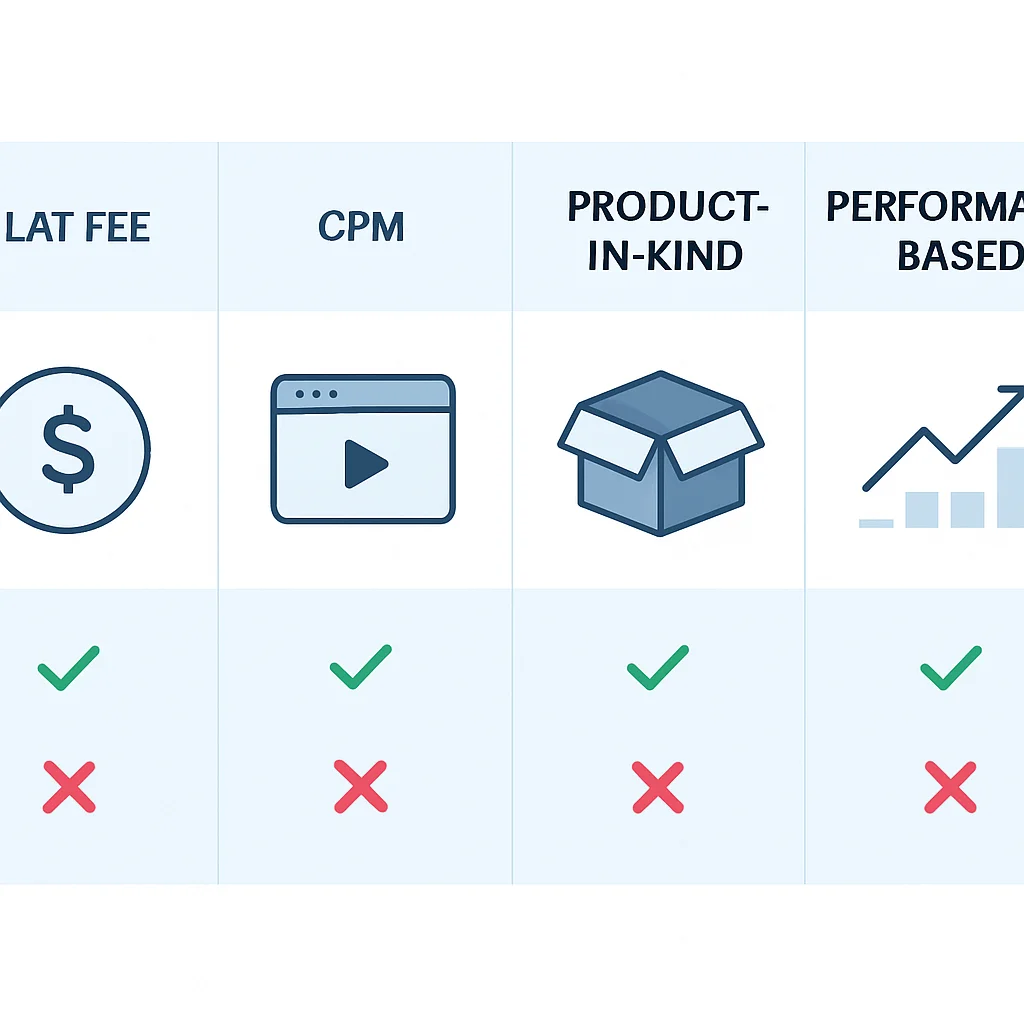
Determining your rates can be tricky. Common pricing models include:
- Flat Fee: A set price for a specific deliverable (e.g., $X for one sponsored video, $Y for a blog post). This is often preferred by creators for predictability.
- Cost Per Mille (CPM) / Cost Per View (CPV): Price per 1,000 impressions or views. While common in traditional advertising, it’s less frequent for direct influencer deals unless you have massive reach. For niche tech content, CPM can range from $10 to $50 or even higher due to the high value of the audience.
- Product-in-Kind: Receiving free products or services in exchange for content. Often combined with a smaller fee or used for smaller creators building their portfolio.
- Performance-Based (Affiliate/Commission): Earning a percentage of sales or sign-ups generated through your unique link or code. Can be lucrative but less predictable.
For developers, a flat fee is generally the most straightforward and stable option. When setting your rate, consider your audience size, engagement, content quality, time investment, and the unique value of your niche. Don’t undersell yourself; your expertise and targeted audience are highly valuable assets.
KEY POINT
Successful outreach hinges on targeted research, a personalized pitch that highlights your unique audience value, and a clear understanding of your pricing, with flat fees often being the most practical for developers.
PROBLEM SOLVING
Overcoming Common Sponsorship Challenges
Securing sponsorships isn’t always a smooth process. Developers often face specific hurdles. Here’s how to address them.
PROBLEM 01
Low Engagement or Small Audience Size
Many developers struggle to gain traction, leading to the perception that they aren’t “big enough” for sponsorships. Brands often look for significant follower counts, but quality trumps quantity in niche tech.
SOLUTION — Focus on Hyper-Niche, Deep Engagement, and Value
Instead of chasing broad appeal, double down on a very specific, underserved technical niche. Your audience might be smaller, but their dedication and relevance to specific tools will be incredibly high. For example, a channel dedicated to “advanced WebAssembly optimization techniques” might have 2,000 subscribers, but each subscriber is a high-value target for a WebAssembly tool vendor. Emphasize engagement rates (comments per video, forum participation) and audience demographics (seniority, tech stack) over raw numbers in your pitch. Offer to create highly technical, in-depth content that only an expert like you could produce, demonstrating unique value for the brand’s complex products.
PROBLEM 02
Underselling Your Value / Pricing Challenges
Developers often undervalue their time and expertise, leading to low sponsorship fees or accepting product-in-kind when a cash payment is warranted. The technical nature of their content makes their audience uniquely valuable.
SOLUTION — Research, Calculate, and Justify Your Rates
Research what similar creators (even those in adjacent niches) are charging. Calculate your hourly rate for content creation and factor in the value of your audience. For example, if it takes you 20 hours to produce a high-quality video, and your professional rate is $100/hour, your base cost is $2,000. Add a premium for your audience’s targeting and engagement. A common guideline is 1-5% of a brand’s average customer lifetime value (CLV) if you can directly influence sign-ups. Be prepared to justify your rate with data from your media kit: specific audience demographics, average views, engagement rates, and the estimated ROI for the brand (e.g., “reaching 5,000 senior engineers directly interested in your product”). Don’t be afraid to negotiate; many brands expect it.
PROBLEM 03
Navigating Contracts and Legalities
Contractual jargon, intellectual property rights, usage rights, and disclosure requirements can be intimidating for developers unfamiliar with legal documents, leading to unfavorable terms or compliance issues.
SOLUTION — Understand Key Clauses and Seek Guidance
Always read the contract carefully. Pay close attention to clauses regarding deliverables, payment terms (net-30, net-60), usage rights (how long and where the brand can reuse your content), exclusivity (if you can work with competitors), and termination clauses. Ensure clear disclosure requirements are met (e.g., #ad, #sponsored, explicit verbal disclosure in videos, as per FTC guidelines in the US, or local regulations). For significant deals (over $2,000-$3,000), consider investing in legal review from a lawyer specializing in creator contracts. Many online resources and creator communities also offer insights into standard contract terms. Don’t sign anything you don’t fully understand or agree with.
KEY POINT
Address challenges proactively by focusing on niche value, justifying your rates with data, and carefully reviewing contracts to protect your interests and ensure compliance.
PRACTICAL APPLICATION
Executing & Nurturing Successful Partnerships
Securing a deal is just the beginning. The real work lies in executing the partnership flawlessly and building a relationship that leads to future collaborations.
Step-by-Step Execution for Deliverables
A structured approach ensures smooth execution and satisfied sponsors:
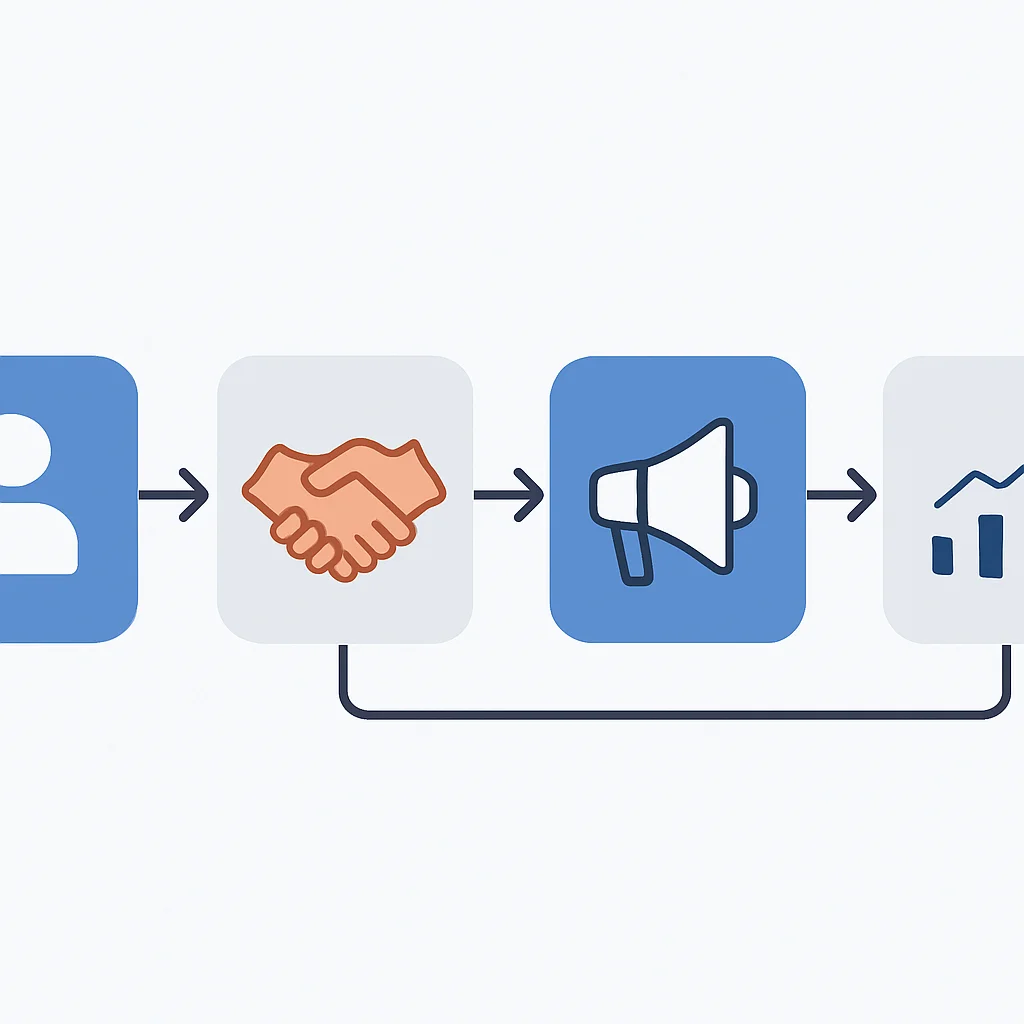
1
Kick-off Meeting & Content Plan
Schedule a call with the brand to confirm expectations, key messaging, and timeline. Create a detailed content plan (script outline, key integration points, calls to action) for their approval before production begins.
2
Content Creation & Review Cycles
Produce the content according to the agreed plan. Provide drafts for review at specified milestones (e.g., script, rough cut). Be open to feedback but also confident in your creative vision. Aim for 1-2 rounds of revisions.
3
Publication & Disclosure
Publish the content on the agreed platforms, ensuring all mandatory disclosure requirements (e.g., #ad, verbal mention, clear sponsorship labels) are met. Timeliness is crucial.
4
Performance Reporting & Invoicing
After the campaign period (e.g., 30 days post-publish), compile a report detailing key metrics (views, engagement, clicks on sponsored links, audience sentiment). Submit your invoice promptly, adhering to the payment terms.
Building Long-Term Relationships
Repeat business and referrals are the hallmarks of successful creator careers. Always aim to over-deliver and foster positive relationships:
- Proactive Communication: Keep the brand informed throughout the process.
- Exceed Expectations: Deliver high-quality content that performs well. Share additional insights or promote the content on other platforms if appropriate.
- Feedback Loop: Ask for feedback on your performance and offer suggestions for future collaborations.
- Stay Connected: Follow up occasionally with new content ideas or relevant industry news.
A single successful campaign can lead to multiple follow-up sponsorships, increasing your income and reducing the need for constant new client acquisition. For instance, a developer who consistently delivers high-performing content might secure a 6-month retainer with a major cloud provider, generating a stable income stream of $5,000-$10,000 per month for a set number of deliverables.
KEY POINT
Flawless execution, clear communication, and post-campaign reporting are vital for satisfying sponsors and nurturing long-term relationships that lead to recurring revenue.
WRAP-UP
Future Outlook: The Evolving Landscape of Developer Sponsorships
The developer sponsorship landscape is dynamic and continuously evolving. In 2026, several trends are shaping its future, offering new opportunities and challenges for creators.
Key Trends for 2026 and Beyond
- Micro- and Nano-Influencers: Brands are increasingly valuing smaller, highly niche audiences with exceptional engagement over mega-influencers. This is a huge win for specialist developers.
- Authenticity and Transparency: Audiences are more discerning than ever. Genuine recommendations and clear disclosures are paramount. Brands prioritize creators who genuinely use and believe in their products.
- AI-Powered Matchmaking: AI tools are becoming more sophisticated in connecting brands with creators whose audiences and content align perfectly with campaign goals, streamlining the discovery process.
- Interactive and Live Content: Platforms like Twitch, Discord, and even interactive coding environments are gaining traction, allowing for deeper engagement and real-time product demonstrations.
- Long-Term Partnerships & Ambassadorships: Brands are moving away from one-off campaigns towards sustained relationships with creators who can become genuine brand ambassadors over time.
These trends suggest that the future of developer sponsorships will favor genuine expertise, deep community engagement, and creators who are adaptable to new content formats and technologies. The barrier to entry for smaller creators is lowering, but the expectation for quality and authenticity remains high.
KEY POINT
The future of developer sponsorships in 2026 is trending towards micro-influencers, deep authenticity, AI-assisted matchmaking, and long-term ambassadorships, emphasizing genuine value over sheer reach.
9.2
/ 10
Developers have an unprecedented opportunity to monetize their expertise through brand sponsorships in 2026, leveraging their unique technical authority.

Frequently Asked Questions
Q. What is the most important factor for developers seeking brand sponsorships in 2026?
The most crucial factor is a highly engaged, niche audience. Brands prioritize creators who can deliver their message to a specific, relevant technical demographic, even if the overall follower count is not massive.
Q. How do I determine my rates for a sponsorship deal?
Calculate your time investment, consider your audience’s value (demographics, engagement, potential ROI for the brand), and research what similar creators charge. A flat fee based on these factors is often the most straightforward approach for developers.
Q. What kind of content do tech brands look for from developers?
Tech brands typically seek authentic, in-depth content such as tutorials, project walkthroughs, tool reviews, and best practices guides that naturally integrate their products and demonstrate real-world value to a technical audience.
Q. Is it necessary to have a large following to get sponsorships in 2026?
No, not necessarily. While a large following can help, brands in 2026 increasingly value micro- and nano-influencers with highly engaged, specific niche audiences. Quality of audience and content relevance often outweigh raw numbers for tech sponsorships.
Q. What are the key legal considerations for developer sponsorships?
Key legal considerations include clear disclosure of sponsorships (e.g., #ad), understanding usage rights for your content, payment terms, and exclusivity clauses. It’s advisable to review contracts thoroughly and seek legal advice for significant agreements.
Ready to Elevate Your Developer Brand?
Securing brand sponsorships is a powerful way for developers to monetize their expertise, build influence, and gain access to valuable resources. By focusing on building a strong personal brand, crafting compelling content, and approaching partnerships strategically, you can unlock significant opportunities in the evolving creator economy of 2026.
Got questions? Drop a comment below or share your own sponsorship success stories!
Related Posts
- [Marketing & Monetization] YouTube for Developers: Grow Your Channel & Earn Income in 2026
- [Marketing & Monetization] How to Sell Digital Products as a Developer in 2026: Platforms & Strategies
- [Marketing & Monetization] Affiliate Marketing for Developers: Passive Income Strategies for Your Tech Content in 2026