
Serverless computing is fundamentally reshaping application development, offering unprecedented agility and cost efficiency in 2026.
This report delves into the transformative impact of serverless architectures, examining their advantages, challenges, and practical applications for modern enterprises. We'll analyze how organizations are leveraging serverless to innovate faster and optimize their cloud infrastructure, providing a comprehensive overview for both technical and business stakeholders.
Contents
01Introduction: The Shifting Sands of Infrastructure
02Deep Dive into Serverless Architectures
03Economic & Operational Advantages
04Challenges and Considerations
05Real-World Application: A Serverless Microservice Example
Introduction: The Shifting Sands of Infrastructure
The landscape of software development has undergone a dramatic transformation over the past decade. From monolithic applications running on dedicated servers to virtual machines, then containers, and now serverless functions, the industry consistently seeks greater efficiency, scalability, and reduced operational overhead. In 2026, serverless computing stands as a mature and increasingly dominant paradigm, fundamentally altering how developers build and deploy applications.
This shift isn't merely a technological upgrade; it represents a profound change in economic models and development methodologies. Organizations are moving away from provisioning and managing servers, databases, and message queues, instead focusing purely on writing business logic. This allows for unparalleled agility, faster time-to-market, and a significant reduction in infrastructure management complexities.
The core appeal of serverless lies in its promise of abstracting away infrastructure management entirely, allowing teams to concentrate solely on delivering value through code.
While the term "serverless" might suggest a complete absence of servers, it's more accurately defined by the fact that the developer no longer interacts directly with server provisioning or scaling. The cloud provider handles all underlying infrastructure, from operating systems to runtime environments, automatically scaling resources up and down based on demand.
For instance, a typical web application might traditionally require a fleet of EC2 instances, load balancers, and auto-scaling groups to handle varying traffic. With a serverless approach, an AWS Lambda function triggered by an API Gateway endpoint automatically scales to handle millions of requests per second without any manual intervention from the development team. This inherent elasticity is a game-changer for applications with unpredictable traffic patterns.
Deep Dive into Serverless Architectures
Serverless computing encompasses a broad range of services, but at its heart are Function-as-a-Service (FaaS) and Backend-as-a-Service (BaaS) offerings. FaaS platforms, like AWS Lambda, Azure Functions, and Google Cloud Functions, allow developers to run event-driven code snippets without managing servers. BaaS solutions provide ready-to-use backend components, such as databases (e.g., AWS DynamoDB, Firebase), authentication services, and storage (e.g., AWS S3), further reducing the need for custom backend development.
Core Components and Workflow
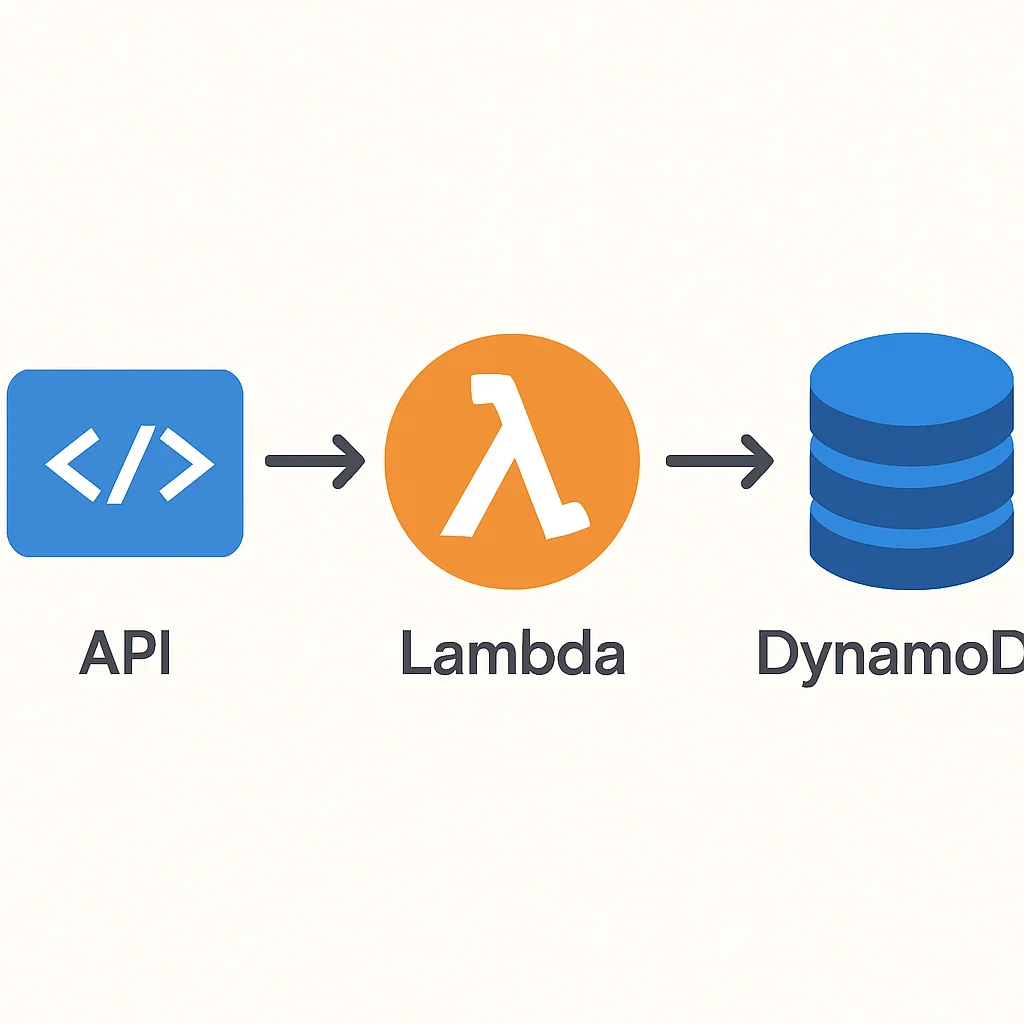
A typical serverless application workflow involves an event source triggering a FaaS function. This event could be an HTTP request from an API Gateway, a new file upload to an S3 bucket, a message in a message queue (like SQS or Kafka), or a scheduled cron job. The function then executes its logic, often interacting with other BaaS services like databases or storage, and returns a result.
For example, an e-commerce platform might use a serverless function to process new orders. When a customer completes a purchase, an event is triggered (e.g., a message sent to an SQS queue). A Lambda function consumes this message, updates a DynamoDB table, sends a confirmation email via SES, and perhaps triggers another function to update inventory.
Comparative Analysis: Serverless vs. Traditional Models
To truly understand the impact of serverless, it's crucial to compare it with traditional infrastructure models:
| Feature | Virtual Machines (VMs) | Containers (e.g., Kubernetes) | Serverless (FaaS) |
|---|---|---|---|
| Infrastructure Management | High (OS, runtime, scaling, patching) | Medium (Orchestration, cluster management) | None (Provider manages all) |
| Scaling Model | Manual/Auto-scaling groups (slow) | Automated (faster than VMs) | Automatic, instant, granular (per request) |
| Cost Model | Hourly/monthly (even when idle) | Resource-based (cluster size, even when idle) | Pay-per-execution (milliseconds, requests) |
| Operational Overhead | Very High | High | Very Low |
| Development Focus | App + Infra | App + Container Orchestration | Pure Business Logic |
As the table illustrates, serverless offers a clear advantage in terms of operational burden and cost efficiency, particularly for event-driven, sporadic workloads. While VMs and containers provide more control over the environment, they demand significantly more management effort and often result in wasted resources due to idle capacity.
Economic & Operational Advantages
The adoption of serverless computing in 2026 is largely driven by its compelling economic and operational benefits. These advantages translate directly into business value, enabling companies to optimize their cloud spend and accelerate innovation cycles.
Cost Savings: Pay-Per-Execution
One of the most attractive aspects of serverless is its true pay-per-execution billing model. Unlike traditional servers or even containers, where you pay for provisioned capacity regardless of usage, serverless functions only incur costs when they are actively running. This means zero cost for idle resources, which can lead to significant savings, especially for applications with fluctuating or infrequent traffic.
A study by Cloudability in 2024 revealed that companies migrating from EC2 instances to AWS Lambda for specific microservices experienced an average cost reduction of 30-50%, primarily due to the elimination of idle compute charges. For a medium-sized enterprise running 50 microservices, this could translate to savings of hundreds of thousands of dollars annually.
The economic model of serverless ensures that you only pay for the compute resources you actually consume, eliminating waste from idle capacity.
Reduced Operational Overhead and Increased Agility
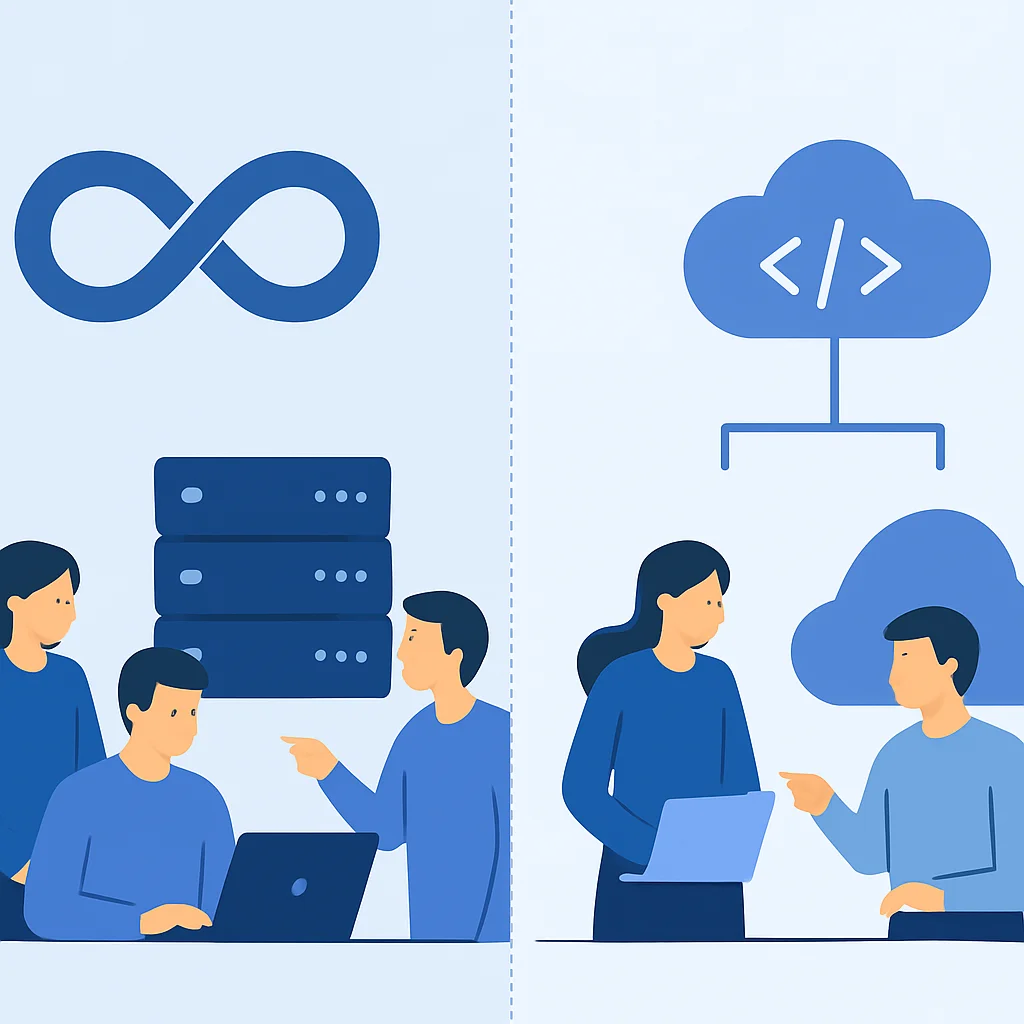
Beyond direct cost savings, serverless dramatically reduces the operational burden on development and operations teams. Cloud providers handle all aspects of server management, including patching, security updates, capacity provisioning, and fault tolerance. This frees up valuable engineering time, allowing teams to focus on developing new features and innovating, rather than maintaining infrastructure.
The inherent auto-scaling capabilities mean that applications can effortlessly handle sudden spikes in traffic without manual intervention. This elasticity is crucial for modern applications that often face unpredictable demand, such as viral marketing campaigns or seasonal events. Developers can deploy new functions in minutes, iterate rapidly, and scale globally with minimal effort.
Challenges and Considerations
Despite its numerous advantages, serverless computing is not without its challenges. Organizations considering or implementing serverless architectures must be aware of these potential pitfalls to ensure a successful adoption.
Vendor Lock-in and Portability
One of the most frequently cited concerns with serverless is the potential for vendor lock-in. Serverless platforms are deeply integrated with cloud-specific services and APIs (e.g., AWS Lambda, S3, DynamoDB). Migrating a complex serverless application from one cloud provider to another can be a significant undertaking, requiring refactoring and adaptation to different service offerings.
While frameworks like Serverless Framework or CloudFormation can help abstract some infrastructure code, the underlying function runtime and integrated services remain platform-specific. A pragmatic approach involves designing functions to be as stateless and granular as possible, minimizing dependencies on proprietary services where feasible, or leveraging open-source alternatives like Knative for hybrid cloud strategies.
Cold Starts and Performance Implications
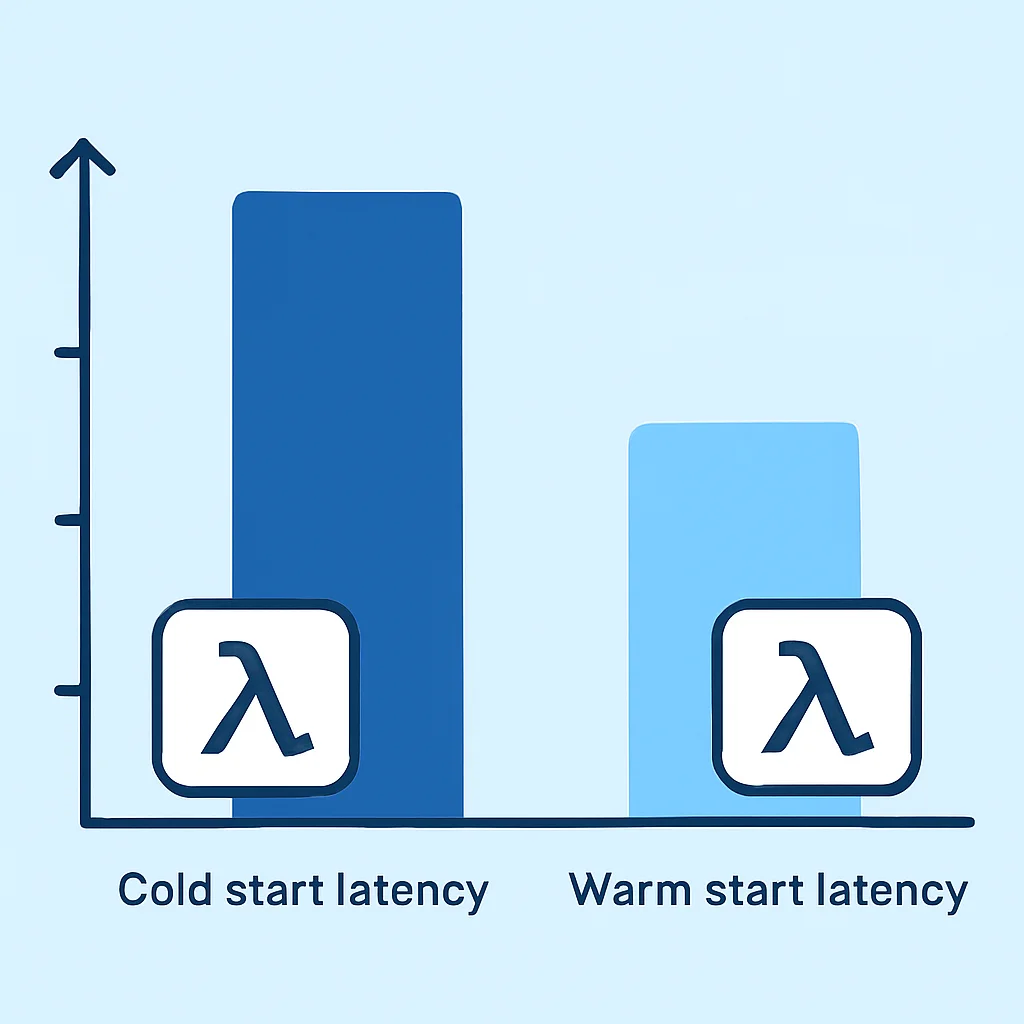
Serverless functions, especially FaaS, can experience "cold starts." This occurs when a function hasn't been invoked for some time, and the cloud provider needs to provision a new execution environment, download the code, and initialize the runtime. This process can add several hundred milliseconds, or even a few seconds, to the initial invocation latency, impacting user experience for latency-sensitive applications.
Strategies to mitigate cold starts include increasing function memory (which often keeps the environment "warm" longer), using provisioned concurrency (paying to keep a certain number of function instances ready), or implementing "warming" functions that periodically invoke dormant functions. For critical APIs, understanding and addressing cold starts is paramount.
Monitoring, Debugging, and Local Development
Debugging distributed serverless applications can be more complex than traditional monolithic applications. Tracing requests across multiple functions and services, each with its own logs and metrics, requires robust observability tools. While cloud providers offer their own monitoring solutions (e.g., AWS CloudWatch, Azure Monitor), integrating third-party tools (like Datadog, New Relic) is often necessary for a holistic view.
Local development and testing can also be challenging. Simulating the cloud environment locally with all its integrated services is difficult. Tools like AWS SAM CLI or Serverless Offline aim to bridge this gap, but developers often rely heavily on cloud-based testing environments, which can slow down the feedback loop.
Real-World Application: A Serverless Microservice Example
To illustrate the practical application of serverless, let's consider a common use case: building a simple REST API using AWS Lambda and API Gateway. This microservice will handle user authentication, specifically user registration.
Architecture Overview
The architecture would involve:
• API Gateway: Exposes a REST endpoint (e.g., /register) that receives HTTP POST requests.
• AWS Lambda: A Node.js function that processes the registration request, validates input, and stores user data.
• Amazon DynamoDB: A NoSQL database to persist user credentials (e.g., username, hashed password).
Lambda Function Code (Node.js)
Below is a simplified example of an AWS Lambda function that handles user registration. It expects a JSON payload with username and password.
CODE EXPLANATION
This Node.js Lambda function uses the AWS SDK to interact with DynamoDB. It hashes the user's password using bcrypt before storing it, ensuring security best practices. The function returns an API Gateway-compatible response.
const AWS = require('aws-sdk');
const bcrypt = require('bcryptjs');
const dynamoDb = new AWS.DynamoDB.DocumentClient();

exports.handler = async (event) => {
    try {
        const { username, password } = JSON.parse(event.body);

        if (!username || !password) {
            return {
                statusCode: 400,
                headers: { 'Content-Type': 'application/json' },
                body: JSON.stringify({ message: 'Username and password are required.' }),
            };
        }

        const hashedPassword = await bcrypt.hash(password, 10); // Hash password with salt rounds

        const params = {
            TableName: process.env.USERS_TABLE, // Environment variable for table name
            Item: {
                userId: AWS.util.uuid.v4(), // Generate unique user ID
                username: username,
                passwordHash: hashedPassword,
                createdAt: new Date().toISOString(),
            },
            ConditionExpression: 'attribute_not_exists(username)', // Prevent duplicate usernames
        };

        await dynamoDb.put(params).promise();

        return {
            statusCode: 201,
            headers: { 'Content-Type': 'application/json' },
            body: JSON.stringify({ message: 'User registered successfully!', username: username }),
        };
    } catch (error) {
        if (error.code === 'ConditionalCheckFailedException') {
            return {
                statusCode: 409,
                headers: { 'Content-Type': 'application/json' },
                body: JSON.stringify({ message: 'Username already exists.' }),
            };
        }
        console.error('Error:', error);
        return {
            statusCode: 500,
            headers: { 'Content-Type': 'application/json' },
            body: JSON.stringify({ message: 'Internal server error.' }),
        };
    }
};
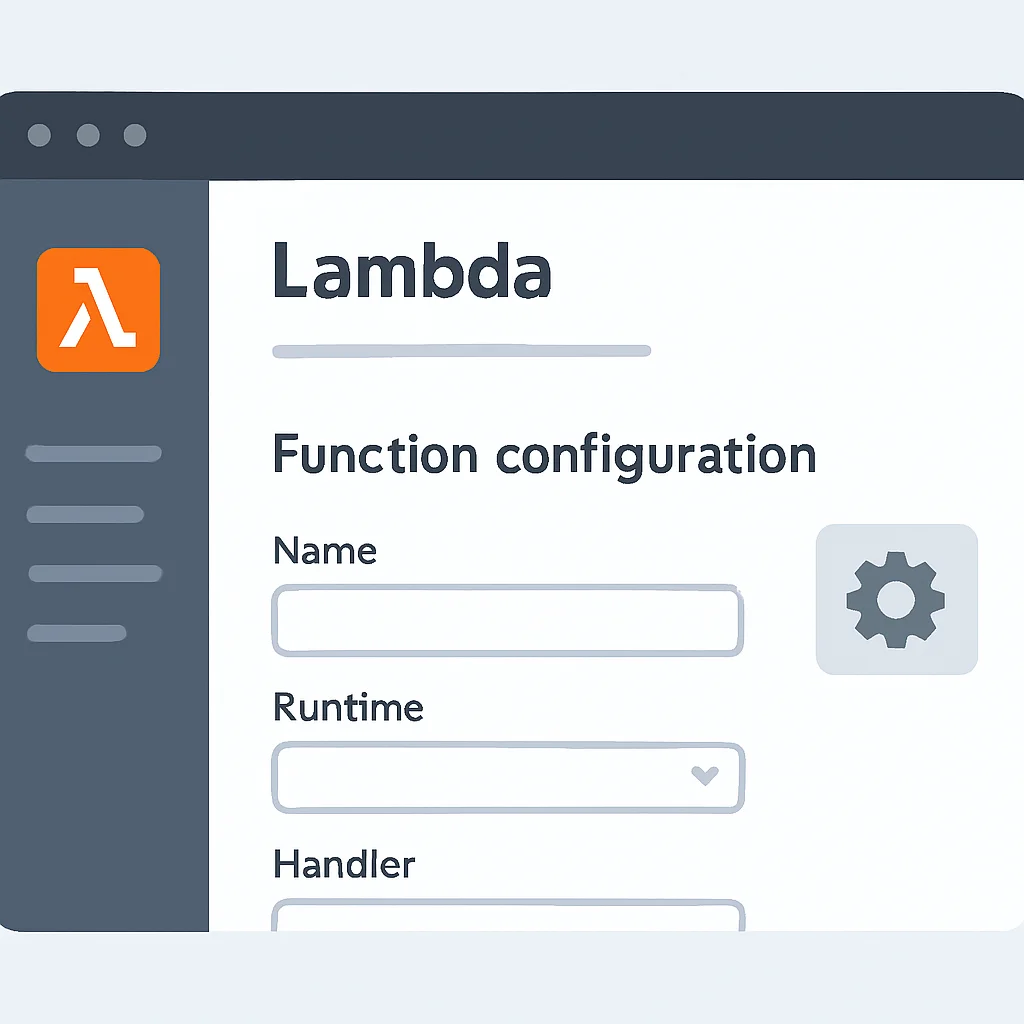
To deploy this, you would package the Node.js code along with its dependencies (aws-sdk and bcryptjs) into a ZIP file and upload it to AWS Lambda. You would then configure API Gateway to trigger this Lambda function for POST requests to the /register path.
Security in a Serverless Paradigm
While serverless abstracts away much of the underlying infrastructure security, it introduces new considerations that developers and security teams must address. The shared responsibility model still applies, with the cloud provider securing the "cloud itself" and the customer responsible for "security in the cloud."
Least Privilege and IAM Roles
One of the most critical security practices in serverless is adhering to the principle of least privilege. Each Lambda function should be granted only the minimum necessary permissions via IAM (Identity and Access Management) roles to perform its specific task. For instance, the registration function above only needs dynamodb:PutItem access to the USERS_TABLE, and perhaps logs:CreateLogGroup and logs:CreateLogStream for logging.
Strictly enforcing least privilege through granular IAM roles is fundamental to serverless security, minimizing the blast radius in case of a compromise.
API Gateway Security
API Gateway acts as the public-facing entry point for many serverless applications, making its security configuration paramount. Best practices include:
• Input Validation: Rigorously validate all input at the API Gateway level (using request validators) and within the Lambda function to prevent injection attacks (e.g., SQL injection, XSS).
• Authentication and Authorization: Utilize API Gateway's built-in authorizers (Lambda authorizers, Cognito User Pools) to secure endpoints. Never expose sensitive operations without proper authentication.
• Throttling and Usage Plans: Implement rate limiting and usage plans to protect against DDoS attacks and control API consumption.
• WAF Integration: Integrate with Web Application Firewalls (like AWS WAF) to filter malicious traffic based on predefined rules.
Dependency Management and Vulnerability Scanning
Serverless functions often rely on numerous third-party libraries. It's crucial to regularly scan these dependencies for known vulnerabilities. Tools like Snyk or OWASP Dependency-Check can be integrated into CI/CD pipelines to automate this process. Keeping runtimes and dependencies updated is a shared responsibility that falls on the developer.
Furthermore, storing sensitive information like API keys or database credentials directly in code is a critical security flaw. Instead, leverage secure secret management services like AWS Secrets Manager or Azure Key Vault, accessed by the Lambda function via its IAM role.
The Future of Serverless in 2026 and Beyond
As we look ahead from 2026, the trajectory of serverless computing points towards even deeper integration into the broader cloud ecosystem and continued innovation in specific areas.
Edge Computing and Hybrid Architectures
The convergence of serverless and edge computing is a significant trend. Services like AWS Lambda@Edge allow functions to run closer to the end-user, reducing latency for dynamic content delivery and pre-processing. This is particularly impactful for applications requiring real-time responsiveness and for processing data generated at the edge of the network, such as IoT devices.
Hybrid serverless architectures, combining cloud-based FaaS with on-premise or private cloud container orchestration (e.g., Kubernetes with Knative), are also gaining traction. This allows organizations to leverage the benefits of serverless for certain workloads while maintaining control over sensitive data or legacy systems.
AI/ML Integration and Event-Driven Data Processing
Serverless functions are becoming the backbone for event-driven AI/ML pipelines. From real-time image recognition triggered by new uploads to data transformation for machine learning models, serverless provides the scalable compute necessary for these demanding workloads without provisioning dedicated GPUs or servers. The ability to invoke AI services (like Amazon Rekognition or SageMaker endpoints) directly from a function makes AI integration seamless and cost-effective.
The future of serverless is intrinsically linked with intelligent automation and hyper-personalized experiences, driven by its seamless integration with AI and event streams.
Enhanced Developer Experience and Observability
Cloud providers and third-party vendors are continually improving the developer experience for serverless. We expect to see more sophisticated local development tools, improved debugging capabilities across distributed systems, and more unified observability platforms that provide end-to-end tracing and performance monitoring. These advancements will further lower the barrier to entry and address existing pain points for serverless adoption.
Embrace the serverless revolution to build faster, smarter, and more cost-effective applications.
The serverless paradigm is no longer a niche technology; it's a foundational element of modern cloud strategy in 2026. By understanding its capabilities and navigating its challenges, organizations can unlock unprecedented levels of agility and efficiency. Start experimenting with serverless today and explore how it can transform your development lifecycle and business outcomes. What are your thoughts on serverless adoption in your organization?