Social Media Marketing for Developers: Grow Your Brand & Audience in 2026
A practical guide for developers on leveraging social media platforms to build a personal brand, showcase projects, and attract opportunities in the current tech landscape.
Keywords: Developer Marketing, Personal Branding, Audience Growth
TABLE OF CONTENTS
1. The Imperative of Social Media for Developers in 2026
2. Strategic Platform Deep Dive: Maximizing Your Digital Footprint
3. Crafting Your Developer Brand: Content & Engagement Strategies
4. Overcoming Social Media Challenges: Practical Solutions for Developers
5. Building Your 2026 Social Media Blueprint: A Step-by-Step Guide
6. Frequently Asked Questions (FAQ)
INTRODUCTION
The Imperative of Social Media for Developers in 2026
In the rapidly evolving tech landscape of 2026, a developer’s skill set extends far beyond just writing clean, efficient code. While technical prowess remains foundational, the ability to articulate your value, showcase your projects, and connect with the broader industry has become an undeniable differentiator. Social media, once perceived as a distraction, is now an indispensable tool for career advancement, personal branding, and even direct monetization for developers.
The shift is evident. According to a 2025 LinkedIn survey, over 85% of tech recruiters actively scout talent on social media platforms, with 70% stating that a strong online presence significantly influences their hiring decisions. Furthermore, independent developers and freelancers report that approximately 40% of their inbound leads originate from their social media activities. These figures underscore a clear message: ignoring social media is no longer an option for developers aiming to thrive in 2026.
This report aims to provide a comprehensive, practical guide for developers to navigate the complexities of social media marketing. We will break down the strategic advantages of various platforms, offer actionable content strategies, and address common challenges, all with the goal of helping you cultivate a robust online presence that resonates with your target audience and opens doors to new opportunities.
KEY POINT
In 2026, social media is no longer optional for developers; it is a critical component for career growth, personal branding, and attracting opportunities, with over 85% of tech recruiters using platforms like LinkedIn for talent scouting.
PLATFORM ANALYSIS
Strategic Platform Deep Dive: Maximizing Your Digital Footprint
Choosing the right platforms is crucial for maximizing your social media efforts. Instead of trying to be everywhere, focus on platforms that align with your goals and target audience. Here’s a comparative analysis of key platforms for developers in 2026:
1. LinkedIn: The Professional Nexus
LinkedIn remains the undisputed champion for professional networking and career opportunities. For developers, it is not just a resume repository; it is a dynamic platform for thought leadership and industry engagement. Optimizing your LinkedIn profile is the first step.
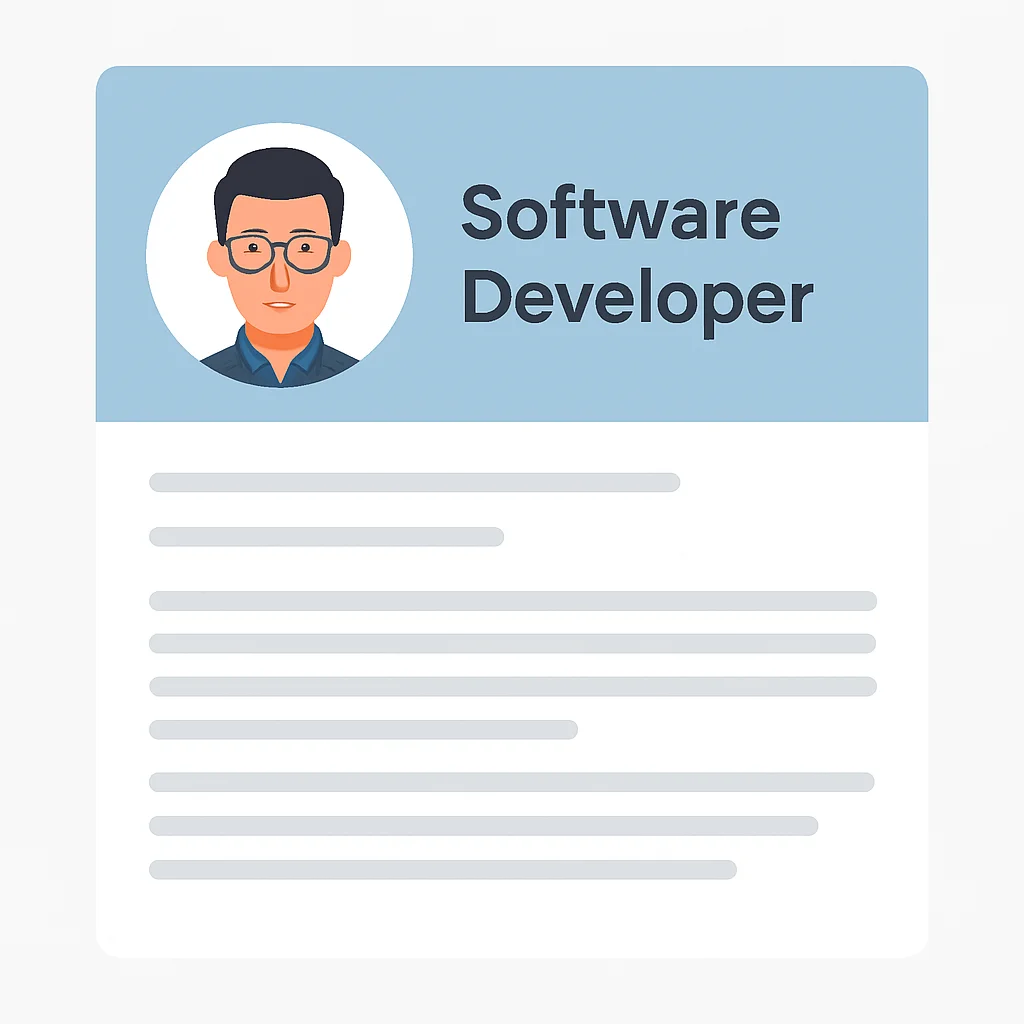
LinkedIn Profile Optimization Essentials
Professional Headshot — A clear, approachable photo increases profile views by up to 21x.
Compelling Headline — Beyond “Software Engineer,” use “Full-Stack Developer | Building Scalable Web Applications with React & Node.js | AWS Certified.”
Detailed Summary — Tell your story, highlight key achievements, and specify your career aspirations. Incorporate keywords relevant to your niche.
Skills & Endorsements — List your core technical skills (e.g., Python, Docker, Kubernetes). Seek endorsements from colleagues.
Experience & Projects — Don’t just list roles; describe achievements using the STAR method (Situation, Task, Action, Result). Link to GitHub repos or live demos.
Content on LinkedIn should be geared towards professional insights. Share articles on new technologies, post updates on your current projects, or offer mentorship advice. Engaging with industry leaders’ posts and participating in relevant groups can significantly boost your visibility. Data from 2025 indicates that posts with rich media (images, videos, documents) receive 3x more engagement than text-only posts.
2. X (formerly Twitter): Real-time Tech Pulse
X offers a dynamic, real-time platform for developers to connect with the global tech community, share quick insights, and stay updated on industry trends. Its microblogging format encourages concise communication and rapid information exchange. For developers, X is invaluable for:
✔ Sharing code snippets and quick tips.
✔ Engaging in live discussions during conferences or tech events.
✔ Following influential developers, open-source projects, and tech news outlets.
✔ Participating in developer communities using hashtags like #DevCommunity, #CodeNewbie, #WebDev.
CODE EXPLANATION
This is an example of a well-crafted tweet for a developer, combining a technical insight with relevant hashtags and a call to action for engagement.
Just cracked a tricky bug in a #React component involving state management with #Redux Toolkit! The key was understanding immutable updates.

<pre><code>
// Before
state.items.push(newItem); // Mutates state directly

// After
state.items = [...state.items, newItem]; // Returns a new array
</code></pre>

Small change, huge impact on debugging & performance.
What are your favorite immutable update patterns in JS? #WebDev #JavaScript #Frontend
Engagement is key on X. Don’t just broadcast; reply to tweets, join conversations, and retweet valuable content. A consistent posting schedule (e.g., 2-3 tweets per day) combined with active engagement can significantly grow your audience. Studies show that tweets with code snippets or images see a 150% higher engagement rate compared to plain text.
3. GitHub: Your Code is Your Social Proof
While not a traditional social media platform, GitHub is arguably the most critical social platform for developers. It is your living portfolio, showcasing your skills, problem-solving abilities, and collaboration potential. Recruiters and hiring managers consistently rank GitHub profiles as a top factor in evaluating developer candidates.
Maximizing Your GitHub Profile
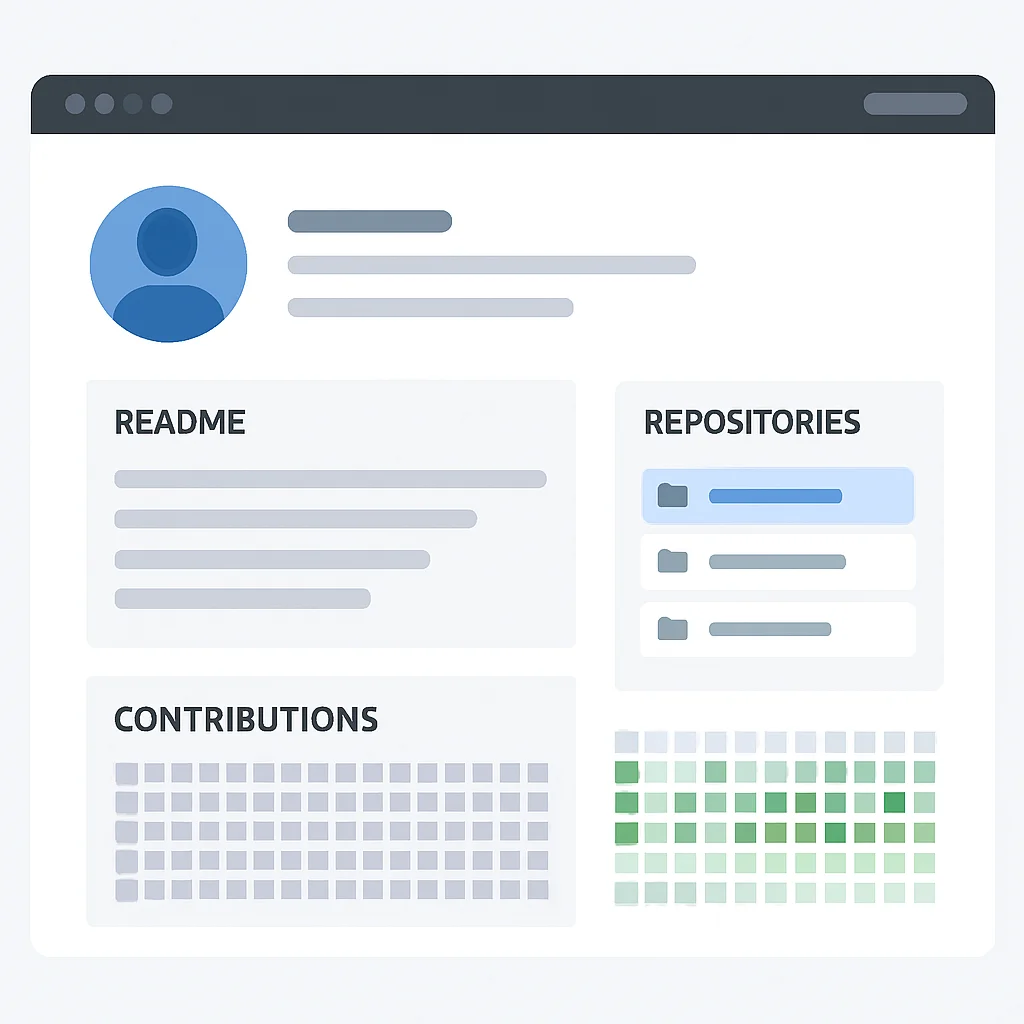
Profile README — Create a visually appealing and informative README.md for your profile page. Highlight your tech stack, projects, and contact info.
Well-Documented Projects — Every public repository should have a clear README.md, usage instructions, and ideally, examples or live demos.
Consistent Contributions — Regular commits, even small ones, demonstrate ongoing engagement and learning. Green squares matter!
Open Source Contributions — Contributing to popular open-source projects shows collaboration skills and deep understanding.
Active Issue Tracking — Engaging in discussions, reporting bugs, or suggesting features on other repos also counts as valuable interaction.
Your commit history, issues opened, and pull requests are all forms of social interaction within the developer community. A well-maintained GitHub profile can attract collaboration opportunities, direct job offers, and even speaking engagements.
4. Dev.to / Medium: Long-Form Thought Leadership
For developers who enjoy writing and sharing in-depth knowledge, platforms like Dev.to and Medium are excellent choices. These platforms allow you to publish technical articles, tutorials, case studies, and personal insights, positioning you as an expert in your niche.
KEY POINT
Diversifying your social media presence across platforms like LinkedIn (professional networking), X (real-time community), GitHub (code portfolio), and blogging sites (long-form expertise) creates a comprehensive and resilient personal brand.
Benefits of long-form content:
✔ Deep Dives: Explain complex topics thoroughly, demonstrating expertise.
✔ SEO Value: Well-written articles with relevant keywords can rank high in search results, driving organic traffic to your profile.
✔ Audience Building: Attracts readers interested in your specific technical areas, leading to a more engaged following.
✔ Repurposing Content: Blog posts can be broken down into multiple social media updates for X or LinkedIn.
Aim for at least one high-quality article per month. Promote your articles across your other social channels to maximize reach. A successful article on Dev.to can garner thousands of views and dozens of comments, establishing you as an authority.
5. Other Platforms: YouTube & TikTok (Visual & Short-Form Video)
While more niche for developers, visual platforms like YouTube and TikTok offer unique opportunities. YouTube is excellent for tutorials, coding walkthroughs, and conference talks, appealing to visual learners. TikTok, with its short-form video format, can be used for quick coding tips, “day in the life” content, or even humorous takes on developer struggles. These platforms require a higher investment in time and equipment but can yield significant engagement and a different audience demographic.
STRATEGY & BEST PRACTICES
Crafting Your Developer Brand: Content & Engagement Strategies
A coherent strategy is vital for effective social media marketing. It’s not just about posting; it’s about posting with purpose. Here’s how developers can craft a compelling online brand.
1. Define Your Niche and Target Audience
Before you start posting, identify what makes you unique. Are you a React performance expert? A Python backend wizard specializing in data pipelines? A security-focused DevOps engineer? Pinpointing your niche helps you create targeted content that resonates with a specific audience (e.g., junior developers, hiring managers, fellow senior engineers).
Use Case: The Niche Backend Developer
“Sarah is a developer passionate about serverless architectures with AWS Lambda. She focuses her content on optimization tips, deployment strategies, and cost-saving techniques for serverless applications. Her audience primarily consists of other backend developers and DevOps engineers looking to adopt or improve their serverless implementations.”
2. Content Pillars for Developers
To maintain consistency and variety, categorize your content into “pillars.” This ensures you’re always providing value from different angles.
Developer Content Pillars
Tutorials & How-Tos — Step-by-step guides for solving common problems or implementing new features (e.g., “Setting up a CI/CD pipeline with GitHub Actions”).
Project Showcases — Share snippets, demos, or full walkthroughs of personal or open-source projects (e.g., “Building a real-time chat app with WebSockets”).
Industry Insights & Opinion — Share your perspective on new tech trends, frameworks, or industry news (e.g., “My take on the future of AI in software development”).
Career & Learning Tips — Advice for junior developers, interview tips, or resources for continuous learning (e.g., “5 essential VS Code extensions for productivity”).
Personal Journey/Behind the Scenes — Share your struggles, successes, or a “day in the life” to build relatability and authenticity.
3. Consistency and Engagement: The Growth Engine
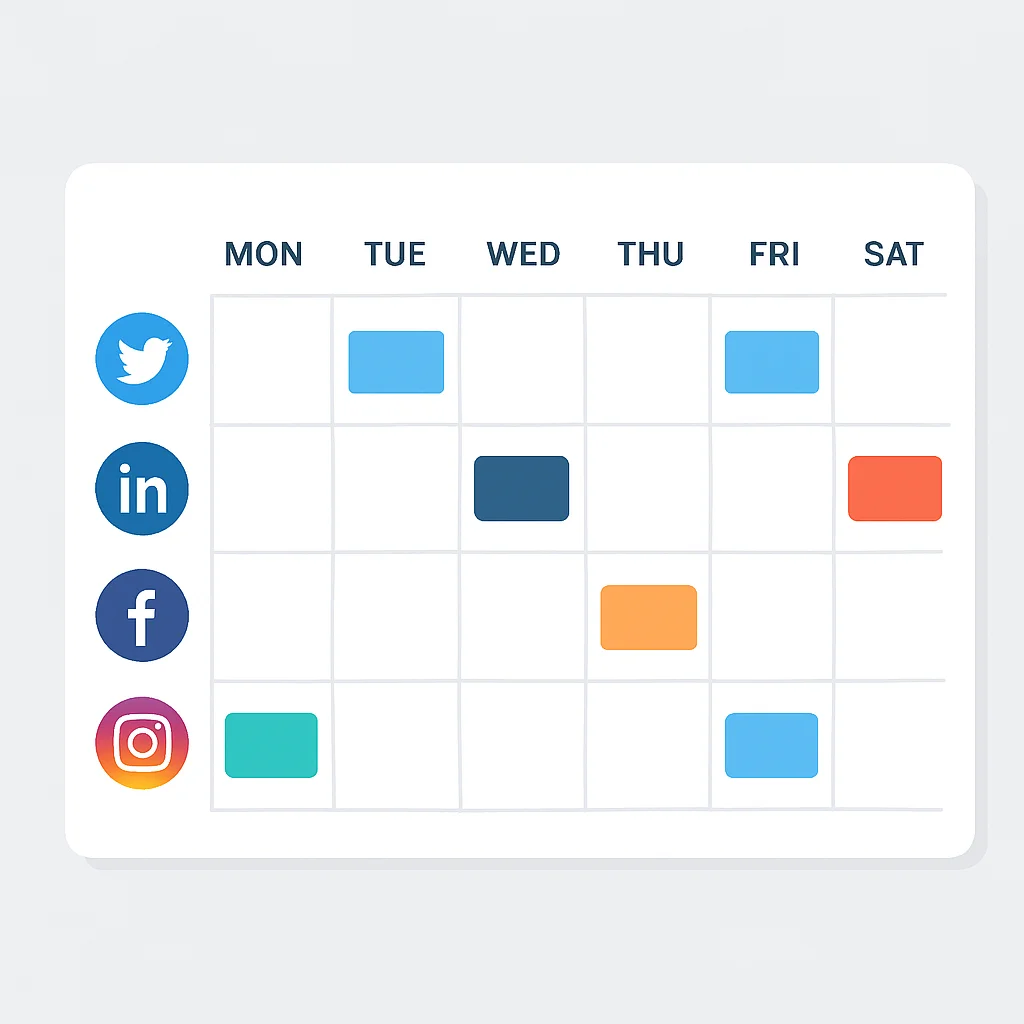
Consistency is paramount. A sporadic posting schedule can lead to lost momentum and audience disengagement. Aim for a realistic schedule you can maintain (e.g., 3-5 posts per week on X, 2-3 LinkedIn updates, 1 blog post per month).
KEY POINT
Successful developer social media strategies hinge on defining a niche, diversifying content across key pillars (tutorials, projects, insights), and maintaining consistent engagement to foster genuine community growth.
Engagement goes beyond just posting. It means actively responding to comments, asking questions, participating in relevant discussions, and connecting with other developers. The “social” aspect of social media is where true community and opportunities are built. A 2025 study showed that accounts actively engaging with comments and DMs saw a 200% faster follower growth rate compared to those that only posted.
4. Analytics and Iteration
Don’t just post and forget. Regularly review your platform analytics. Which posts performed best? What content resonated most with your audience? Tools like LinkedIn Analytics, X Analytics, and even basic GitHub insights can provide valuable data. Use this feedback to refine your content strategy, experiment with new formats, and continuously improve your approach.
PROBLEM SOLVING
Overcoming Social Media Challenges: Practical Solutions for Developers
Developers often face unique challenges when venturing into social media marketing. Here are common hurdles and actionable solutions:
PROBLEM 01
Time Management: “I don’t have time to post consistently.”
Developers are often busy with coding, learning, and project deadlines, making it difficult to dedicate consistent time to social media.
SOLUTION — Batching, Repurposing, & Automation
Content Batching: Dedicate 1-2 hours once a week to plan and draft multiple posts. Schedule them using tools like Buffer or HootSuite.
Content Repurposing: Turn a single blog post into 5-10 tweets, a LinkedIn article, and a few short video scripts. Extract key points and rephrase them for different platforms.
Automation: Use tools to cross-post between platforms (e.g., automatically tweet new Dev.to articles) or to schedule content in advance. Be mindful not to over-automate, as genuine engagement is still crucial.
PROBLEM 02
Content Ideas Burnout: “What should I even post about?”
Struggling to come up with fresh, valuable content ideas is a common barrier to consistent posting.
SOLUTION — Brainstorming & Content Buckets
Keep a “Content Idea” Log: Jot down every idea, no matter how small, as it comes to you. This could be a technical problem you solved, a new library you explored, or a thought on an industry trend.
Leverage Your Work: Document your learning process, challenges faced in projects, or interesting code snippets. Your daily work is a goldmine for content.
Audience Questions: Pay attention to questions asked in forums, Stack Overflow, or by junior colleagues. These are direct indicators of what your audience wants to know.
Content Buckets: Stick to your defined content pillars (tutorials, projects, insights, career tips) to provide a framework for brainstorming. For example, “This week, I’ll share a quick tip (tutorial), an update on my side project (project), and a thought on the latest JavaScript framework (insight).”
KEY POINT
Common social media challenges like time constraints and content burnout can be effectively managed through strategic content batching, repurposing, leveraging daily work experiences, and proactive idea logging.
PROBLEM 03
Dealing with Negativity & Imposter Syndrome: “What if I get criticized or feel like a fraud?”
The fear of criticism or feeling inadequate can prevent developers from sharing their knowledge and experiences online.
SOLUTION — Mindset Shift & Community Building
Embrace Constructive Criticism: Not all feedback is negative. View it as an opportunity to learn and improve. Dismiss outright hate or trolls.
Focus on Value: Your goal is to provide value, not to be the smartest person in the room. Share what you know, even if it’s “basic” to some – it will be valuable to others.
Build a Supportive Community: Actively engage with positive and supportive members of the developer community. Block or mute toxic accounts.
Remember Your “Why”: Reconnect with your motivation for sharing. Is it to help others? To document your learning? To find new opportunities? This helps to overcome self-doubt.
PRACTICAL APPLICATION
Building Your 2026 Social Media Blueprint: A Step-by-Step Guide
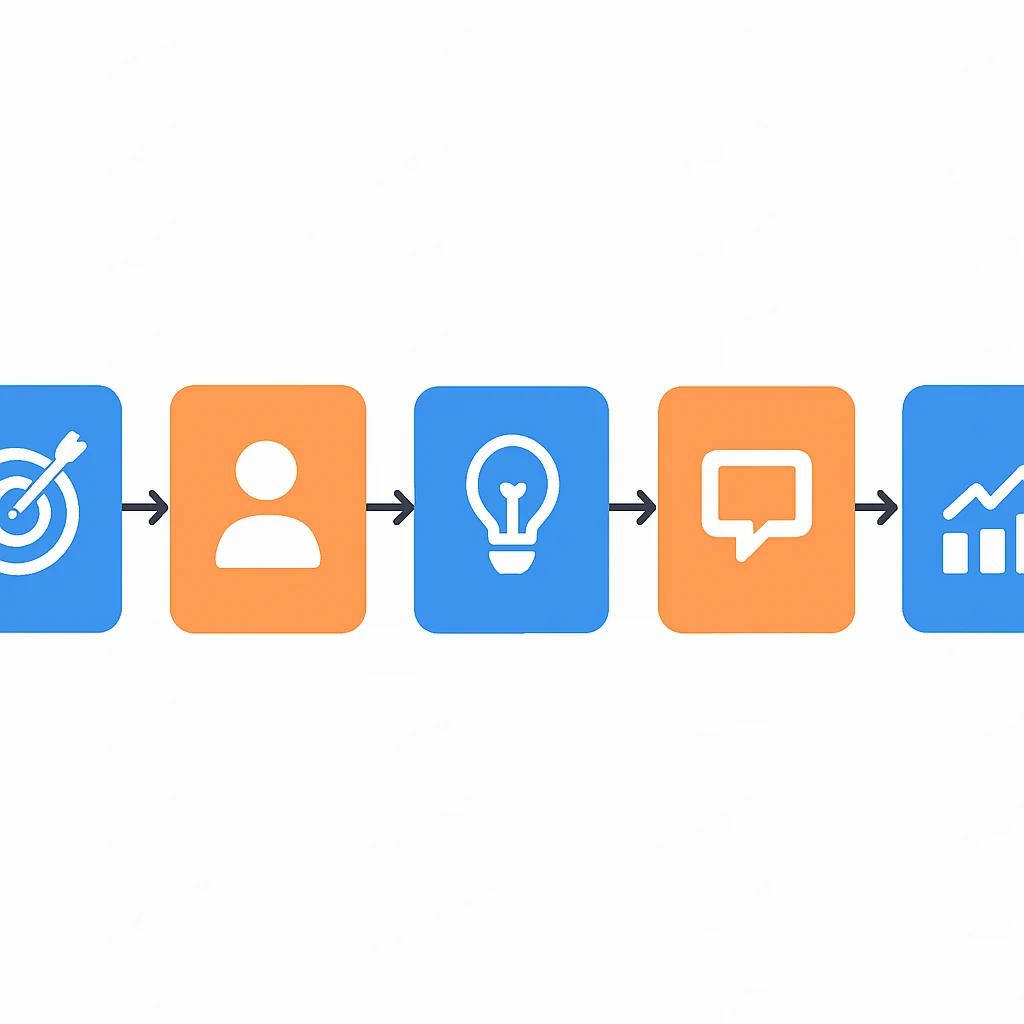
Ready to jump in? Here’s a structured approach to building and executing your social media marketing strategy for 2026.
1
Define Your Goals & Audience
What do you want to achieve? (e.g., “Get 1 new client per quarter,” “Increase GitHub stars by 200,” “Land a Senior Dev role”). Who are you trying to reach? (e.g., “Early-career developers,” “Recruiters for AI roles,” “Fellow open-source contributors”).
2
Audit & Optimize Existing Profiles
Review your current LinkedIn, X, and GitHub profiles. Are they consistent? Do they reflect your brand? Update your headshot, bio, skills, and project descriptions to align with your goals and niche.
3
Select Core Platforms & Content Pillars
Based on your goals and audience, choose 2-3 primary platforms. Then, define 3-5 content pillars that you will consistently create content around (e.g., Tutorials, Project Updates, Industry News, Career Advice).
4
Create a Content Calendar
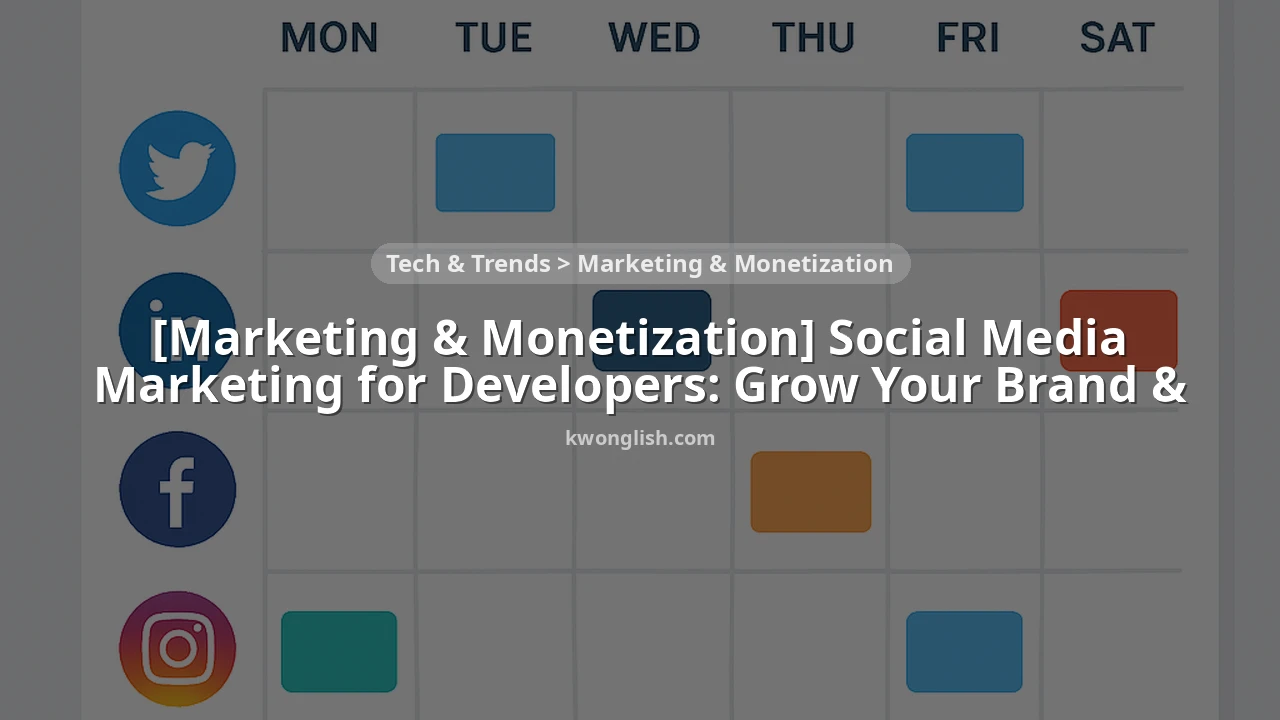
Plan your content in advance. A simple spreadsheet can track topics, platforms, and posting dates. Aim for a mix of content types across your chosen platforms. For example, Monday: LinkedIn article, Tuesday: X thread, Wednesday: GitHub commit, Thursday: Quick LinkedIn tip.
KEY POINT
A structured social media blueprint for developers involves clearly defining goals, optimizing existing profiles, strategically selecting platforms and content pillars, and maintaining a consistent content calendar to ensure sustained growth and impact.
5
Execute, Engage, & Analyze
Post your content, but more importantly, engage with your audience. Respond to comments, participate in discussions, and connect with peers. Regularly review your analytics to understand what works and what doesn’t. Be prepared to adapt and iterate your strategy based on performance data.
Frequently Asked Questions (FAQ)
Q. How often should a developer post on social media in 2026?
Consistency is more important than frequency. For platforms like X (Twitter), 2-3 times a day is effective, while LinkedIn might benefit from 3-5 posts per week. Blogging platforms like Dev.to are typically once a month, supplemented by promoting that content elsewhere.
Q. Is it necessary to be on every social media platform?
No, it’s more effective to focus on 2-3 platforms where your target audience is most active and where you feel comfortable creating content. Quality over quantity ensures you don’t spread yourself too thin and can maintain high engagement.
Q. What kind of content resonates most with a developer audience?
Content that solves problems, shares practical insights, or showcases real-world projects tends to perform best. This includes tutorials, code snippets, project demos, discussions on new technologies, and career advice tailored for developers.
Q. How can I measure the success of my social media efforts as a developer?
Success metrics include audience growth (followers, connections), engagement rates (likes, comments, shares), profile views, inbound messages or job inquiries, website/blog traffic from social, and actual opportunities (clients, job offers, speaking gigs) generated.
Q. Should I share personal content alongside technical content?
A thoughtful balance can enhance your personal brand. Sharing glimpses of your personality, learning journey, or “behind-the-scenes” moments can build relatability and authenticity, making your technical content more engaging. However, keep it professional and relevant to your overall brand.
Wrap-Up: Your Digital Future is Now
The landscape for developers in 2026 demands more than just exceptional coding skills. It requires a proactive approach to personal branding and audience engagement, with social media serving as the primary vehicle. By strategically leveraging platforms like LinkedIn, X, GitHub, and technical blogging sites, developers can build a compelling online presence that showcases their expertise, attracts opportunities, and fosters a supportive community.
Remember, your social media journey is an iterative process. Start small, stay consistent, engage authentically, and don’t be afraid to experiment. The return on investment, whether measured in career advancement, new projects, or a stronger professional network, is well worth the effort. Your digital future as a developer begins now.

Thanks for reading!
We hope this guide empowers you to take control of your developer brand in 2026 and beyond.
Got questions or your own social media tips for developers? Drop a comment below!
Related Posts
- [Marketing & Monetization] Email Marketing Strategies for Developers: Build Your Audience & Sell Products in 2026
- [Marketing & Monetization] SEO for Developer Blogs: Rank Higher & Attract More Readers in 2026
- [Marketing & Monetization] Content Marketing Strategies for Developers: Build Your Personal Brand in 2026