
SUMMARY
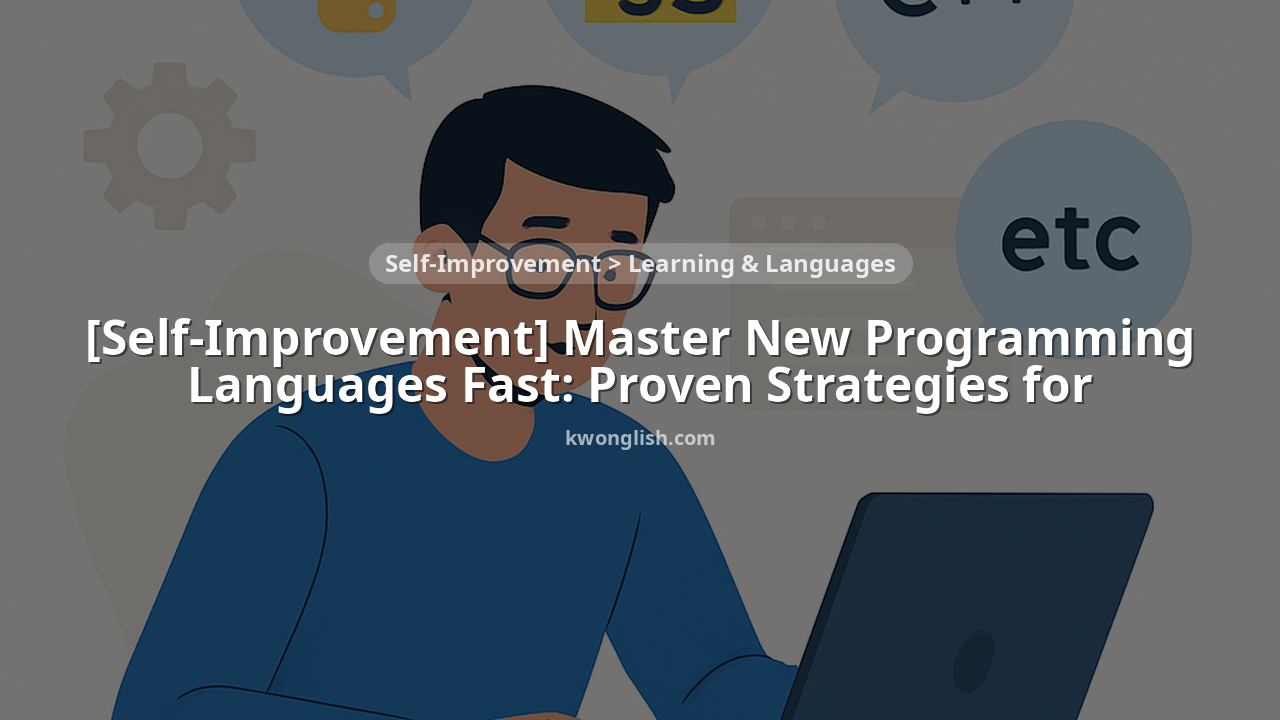
Master New Programming Languages Fast
Discover effective techniques and proven strategies for developers to quickly learn and master new programming languages, frameworks, and tech stacks in 2026.
Keywords: Programming Language Learning, Developer Skills, Efficient Learning
TABLE OF CONTENTS
1 Why Mastering New Languages Matters in 2026
2 Core Methods: The Kwonglish 5-Step Learning Framework
3 Practical Application: Beyond “Hello World”
4 Common Pitfalls & Mistakes to Avoid
5 Wrap-Up: Your Journey to Polyglot Proficiency
MOTIVATION
Why Mastering New Languages Matters in 2026
Hey Kwonglish readers! In the fast-paced world of software development, standing still is simply not an option. The tech landscape in 2026 is evolving at an unprecedented rate, with new programming languages, frameworks, and paradigms emerging almost daily. From the rise of WebAssembly and advanced AI/ML frameworks to the increasing demand for specific cloud-native expertise, developers are constantly challenged to adapt and expand their skill sets.
Think about it: just a few years ago, many of the tools and technologies we now consider standard were either nascent or non-existent. React was still gaining traction, Kubernetes was a niche topic, and AI was largely confined to academic research. Today, proficiency in these areas can be a prerequisite for many roles. This isn’t just about chasing the latest hype; it’s about staying relevant, enhancing your problem-solving capabilities, and opening doors to exciting new opportunities.
“The only constant in technology is change. Your ability to learn and master new languages is not just a skill; it’s a superpower in 2026’s tech landscape.”
— Kwonglish Perspective
Acquiring new programming languages isn’t merely about syntax. It’s about understanding different ways of thinking, new problem domains, and diverse architectural patterns. Learning a functional language like Haskell might reshape how you approach state management, while delving into Rust could fundamentally alter your understanding of memory safety and performance. Each language adds a new tool to your mental toolkit, making you a more versatile and effective developer.
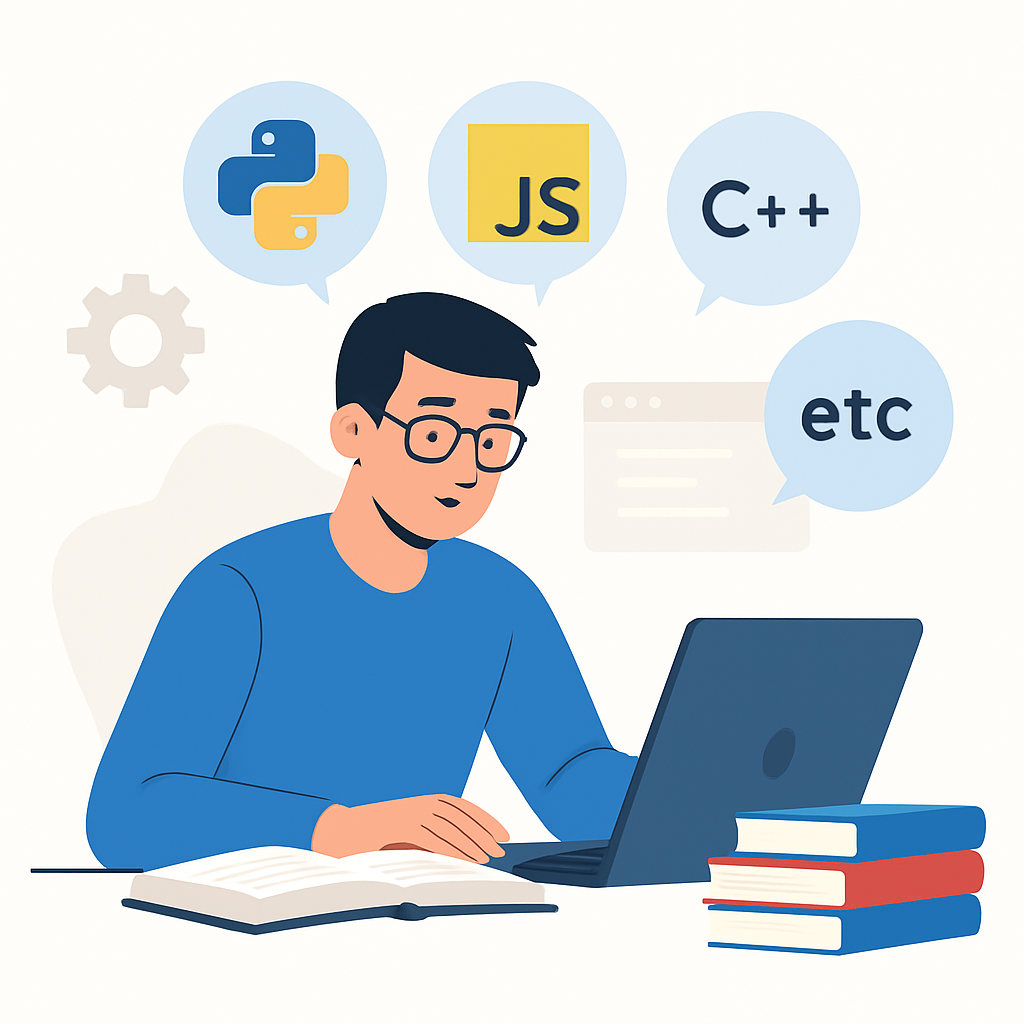
Furthermore, the demand for developers with diverse skill sets is skyrocketing. Companies are increasingly seeking “T-shaped” individuals – those with deep expertise in one or two areas, coupled with broad knowledge across several others. This versatility allows teams to adapt quickly to changing project requirements and leverage the best tools for the job, rather than being constrained by a limited tech stack.
KEY POINT
In 2026, continuous learning and mastering new programming languages are critical for career growth, staying competitive, and expanding your problem-solving repertoire in an ever-evolving tech industry.
So, whether you’re looking to pivot into a new domain, enhance your current role, or simply satisfy your intellectual curiosity, this guide will equip you with proven strategies to make your language learning journey efficient and rewarding. Let’s dive in!
METHODOLOGY
Core Methods: The Kwonglish 5-Step Learning Framework
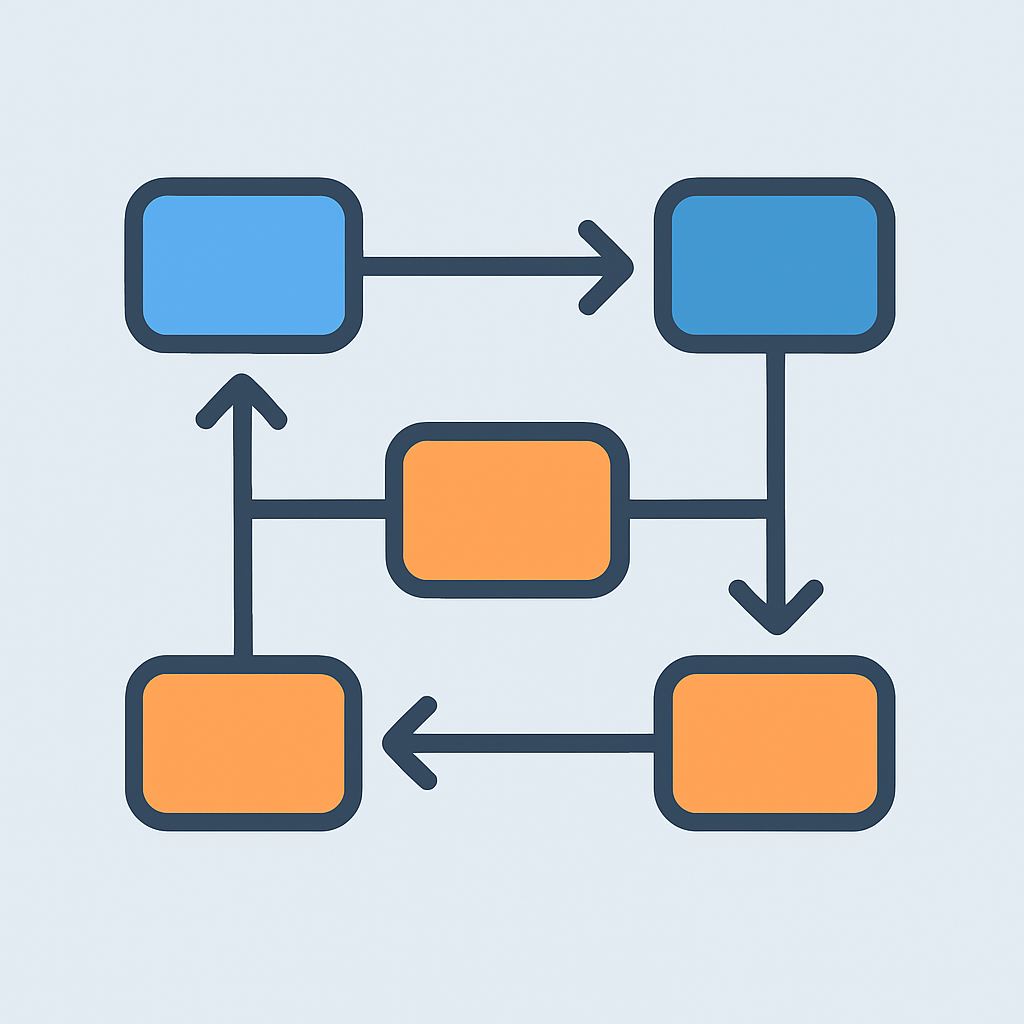
Learning a new programming language can feel daunting, but with a structured approach, you can accelerate your progress significantly. The Kwonglish 5-Step Learning Framework is designed to guide you from curiosity to competence, ensuring you build a solid foundation and practical skills. This isn’t just about reading documentation; it’s about active engagement and strategic application.
1
Understand the “Why” and “What”
Before you write a single line of code, understand the language’s philosophy, primary use cases, and ecosystem. Why was it created? What problems does it solve best? What are its strengths and weaknesses compared to languages you already know? For example, if you’re learning Go, you’d quickly learn it excels in concurrency and backend services. For Rust, memory safety and performance are key. This initial research helps you frame your learning and choose appropriate projects.
Action Item: Spend 1-2 hours reading official documentation introductions, watching “Why X Language?” videos, and browsing forums like Reddit’s r/programming or Stack Overflow to grasp the language’s niche.
2
Set Up Your Environment & “Hello World”
Get your hands dirty immediately. Install the necessary tools (compiler, interpreter, IDE extensions, package manager) and write the simplest program possible: “Hello World.” This seemingly trivial step is crucial. It validates your setup, familiarizes you with basic syntax, and gives you an immediate sense of accomplishment. Don’t underestimate the power of seeing your code run!
Action Item: Follow an official “Getting Started” guide to install the language and run your first program. Aim to complete this within the first hour of active coding. For instance, if you’re learning Python, install it and run print("Hello, Kwonglish!"). For JavaScript, open your browser’s developer console and type console.log("Hello, Kwonglish!").
3
Dive Deep with a Small Project
Tutorials are great for introductions, but true learning happens when you build. Choose a small, self-contained project that allows you to explore the language’s core features. This could be a command-line tool, a simple web server, a basic data parser, or a small game. The key is to pick something challenging enough to require problem-solving but not so complex that you get bogged down.
For example, if you’re learning JavaScript, build a simple calculator or a To-Do list application. For Python, try a script to fetch weather data from an API and display it. This forces you to understand data types, control flow, functions, error handling, and interacting with libraries.
Action Item: Identify 3 small project ideas. Choose one and dedicate 5-10 hours to building it from scratch. Don’t copy-paste; understand every line you write.

“You don’t truly learn a language until you’ve debugged your own mistakes in it. Building projects is where the real lessons are found.”
— Veteran Developer Wisdom
4
Leverage Community & Resources
You don’t have to learn in isolation. Every popular programming language has a vibrant community and a wealth of resources. Actively engage with them! Read official documentation, participate in forums (Stack Overflow, language-specific subreddits, Discord servers), watch tutorials, and explore open-source projects written in the language. Learning from others’ code and asking smart questions are invaluable.
Action Item: Join at least one community forum or chat for your chosen language. Set a goal to answer one beginner question or ask one well-researched question per week. Regularly read through the official documentation to understand best practices and advanced features.
5
Integrate & Iterate
The ultimate goal is to integrate the new language into your workflow. Look for opportunities to use it in your existing projects, side projects, or even at work (if appropriate and approved). Start small: replace a script, add a new feature, or refactor a component. This iterative application solidifies your understanding and exposes you to real-world constraints and debugging scenarios.
Action Item: Over the next month, identify one small task in your daily development routine that you could attempt using your new language. Even if it takes longer initially, the learning payoff is immense. Continuously refine your projects and seek feedback.
APPLICATION
Practical Application: Beyond “Hello World”
The 5-step framework provides a solid backbone, but how do you truly cement your knowledge and make a new language feel like a second nature? It’s all about consistent, practical application. Here are some concrete action items to go beyond the basics.
Build a Portfolio Project with Real-World Impact
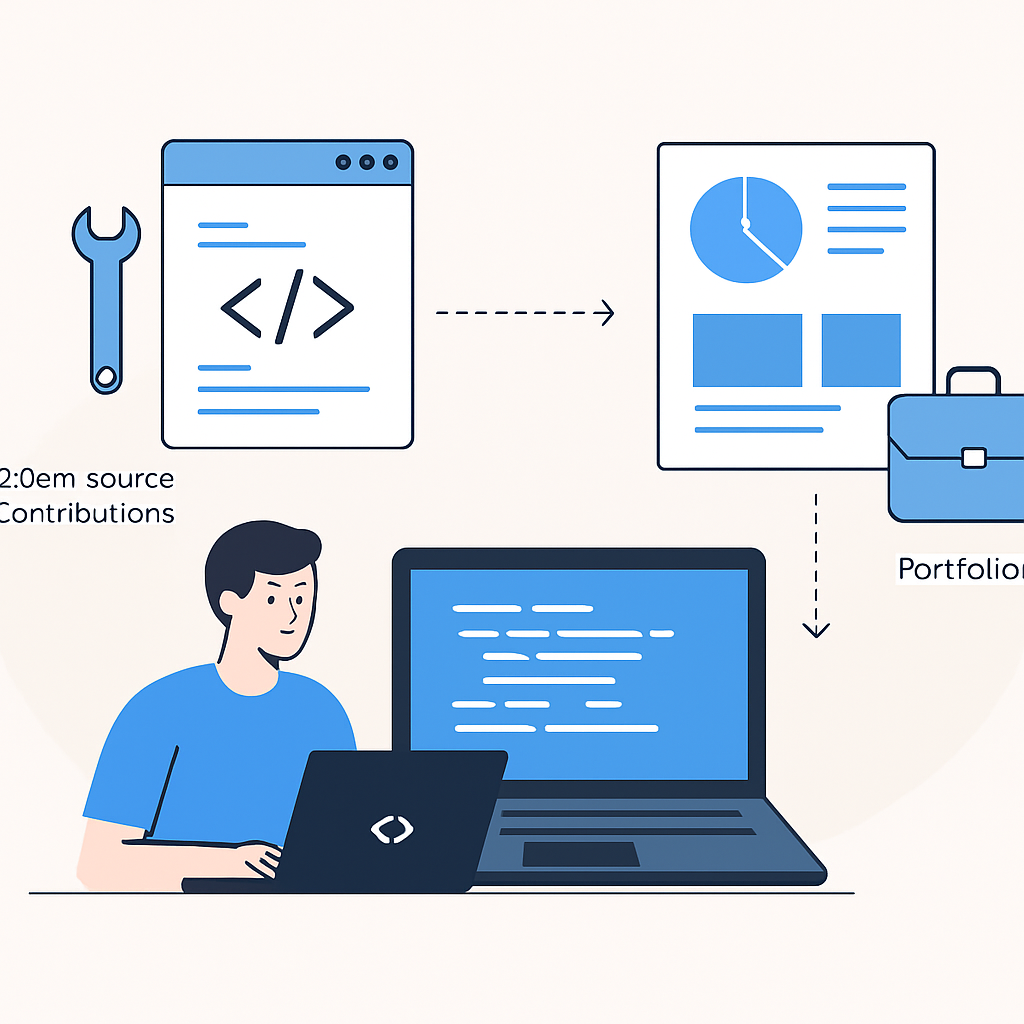
Instead of generic tutorials, identify a problem you or someone you know faces, and build a solution using your new language. This could be a personal utility, a small tool for your team, or a contribution to a local community project. The motivation of solving a real problem will drive you through challenges, and the completed project will be a valuable addition to your portfolio.
Case: Automated Report Generator (Python)
A developer wanted to learn Python for data scripting. Instead of following a generic course, they built a script that pulls data from a Google Sheet, processes it, and generates a formatted PDF report, saving their team hours each week. This project involved learning file I/O, data manipulation libraries (like pandas), and PDF generation libraries.
Engage in Pair Programming or Seek Mentorship
Learning from experienced practitioners is one of the fastest ways to pick up idioms and best practices. Find a colleague, friend, or mentor who is proficient in the language. Schedule regular pair programming sessions or simply ask them to review your code. Their insights can highlight areas for improvement, introduce you to new patterns, and explain nuances that documentation might miss.
KEY POINT
Pair programming with an expert can drastically reduce your learning curve by providing real-time feedback and exposing you to practical problem-solving in a collaborative environment.
Contribute to Open Source Projects
Open-source contributions offer a fantastic way to work on real-world codebases, collaborate with other developers, and receive code reviews. Start with small tasks, like fixing a typo in documentation, improving error messages, or tackling a “good first issue.” This exposes you to professional workflows, version control best practices, and the intricacies of larger projects.
Case: Documentation Improvement (Go)
A developer learning Go found a popular CLI tool written in Go. They started by improving the command-line help messages and then moved on to adding a small, missing feature. This experience not only honed their Go skills but also gave them a public contribution to showcase.
Implement Daily Micro-Learning Habits
Consistency trumps intensity. Even 15-30 minutes of focused practice daily can yield significant results over time. This could involve solving a coding challenge (e.g., on LeetCode or HackerRank in your new language), reading a chapter of a book, or refactoring a small part of your personal project. The goal is to keep the language active in your mind.
Your Practical Application Checklist
☑ Built at least one small, personal project from scratch.
☑ Engaged in pair programming or sought code review from a mentor.
☑ Made at least one contribution (even small) to an open-source project.
☑ Committed to 15-30 minutes of daily coding practice or learning.
☐ Explored opportunities to use the language in professional tasks.
WARNINGS
Common Pitfalls & Mistakes to Avoid
While the journey to mastering a new programming language is rewarding, it’s also fraught with common traps that can derail your progress. Being aware of these pitfalls can help you navigate them effectively.
PROBLEM 01
The “Tutorial Hell” Trap
This is perhaps the most common pitfall. You endlessly consume tutorials, online courses, and documentation without actively building anything on your own. You feel like you’re learning, but you struggle when faced with a blank editor. Knowledge consumption without application leads to passive learning and a false sense of proficiency.
SOLUTION — Prioritize Active Building
As emphasized in our 5-step framework, building is paramount. After every tutorial, try to replicate the concepts in a new context or add a custom feature. Set a strict rule: for every X hours of learning, dedicate Y hours to building. A good starting ratio is 1:1.
// Example: After learning basic data structures
// Instead of just watching, implement your own simple linked list in the new language.

// Python example:
class Node:
    def __init__(self, data):
        self.data = data
        self.next = None

class LinkedList:
    def __init__(self):
        self.head = None

    def append(self, data):
        new_node = Node(data)
        if not self.head:
            self.head = new_node
            return
        last_node = self.head
        while last_node.next:
            last_node = last_node.next
        last_node.next = new_node

my_list = LinkedList()
my_list.append("Kwonglish")
my_list.append("Learning")
print(my_list.head.data) # Output: Kwonglish

PROBLEM 02
Lack of Specific Goals
Simply saying “I want to learn Go” isn’t enough. Without a specific purpose or project in mind, your learning will lack direction and motivation. You might drift through generic examples without understanding how the language truly solves real-world problems.
SOLUTION — Define a Clear “Why” and “What”
Revisit Step 1 of our framework. Before you start, ask: “What specific problem do I want to solve with this language?” or “What kind of projects do I envision building?” This clarity will guide your choice of resources and project ideas.
PROBLEM 03
Ignoring the Fundamentals
It’s tempting to jump straight into frameworks or advanced topics. However, a weak understanding of core language features (data types, control flow, functions, object-oriented/functional paradigms, error handling) will lead to fragile code and constant frustration. You might know how to use a framework, but not why it works the way it does.
SOLUTION — Master the Basics First
Dedicate sufficient time to the fundamentals. Work through basic exercises and small challenges that focus solely on language features before introducing external libraries or frameworks. This foundational knowledge will make learning frameworks much easier and help you write more robust and idiomatic code.
WARNING
Skipping fundamental concepts to rush into frameworks is a common mistake that leads to frustration, brittle code, and a superficial understanding of the language. Build a strong foundation first!
CONCLUSION
Wrap-Up: Your Journey to Polyglot Proficiency
The journey to mastering new programming languages in 2026 is an ongoing adventure, not a destination. By adopting a strategic, hands-on approach like the Kwonglish 5-Step Learning Framework, you can transform the daunting task of learning into an exciting and highly effective process. Remember, the goal isn’t just to accumulate knowledge, but to cultivate a mindset of continuous learning, adaptability, and practical application.
The tech world will continue to innovate, and your ability to quickly and efficiently acquire new skills will be your most valuable asset. Whether it’s picking up Rust for high-performance systems, delving into TypeScript for robust frontend development, or exploring new AI frameworks like JAX or PyTorch 2.0, the principles remain the same: understand the “why,” get hands-on, build projects, engage with the community, and integrate your learning.
“Every new language you learn isn’t just another item on your resume; it’s a new lens through which to view and solve problems, enriching your entire development philosophy.”
— Kwonglish Insight
Start small, stay consistent, and don’t be afraid to make mistakes – they are invaluable learning opportunities. Embrace the challenge, enjoy the process, and watch as you become a more versatile, capable, and in-demand developer in the dynamic landscape of 2026 and beyond. Happy coding!
9.2
/ 10
Highly effective strategies for rapid programming language acquisition.
REFERENCES
Kwonglish: Developer Productivity Hacks
FreeCodeCamp: How to Learn a New Programming Language Fast
Thanks for reading!
We hope these strategies empower you to confidently tackle any new language or framework that comes your way in 2026. The future of tech is yours to shape!
Got questions or your own proven tips? Drop a comment below and share your insights with the Kwonglish community!