
SUMMARY
App Store Optimization (ASO) Guide: Boost Your App Downloads in 2026
Master essential ASO strategies to significantly increase your mobile app’s visibility, ranking, and organic downloads on both iOS App Store and Google Play in 2026.
Keywords: ASO, App Store Optimization, mobile app marketing
TABLE OF CONTENTS
1 Introduction to ASO in 2026
2 Key ASO Factors for iOS App Store
3 Key ASO Factors for Google Play Store
4 ASO Tools and Analytics for Data-Driven Decisions
5 Common ASO Challenges and Solutions
6 Practical ASO Strategy Implementation
7 Measuring ASO Performance and Iteration
8 Frequently Asked Questions
9 Conclusion and Future Outlook
INTRODUCTION
Introduction to ASO in 2026
Hey there, Kwonglish readers! In the ever-expanding universe of mobile applications, simply launching a great app isn’t enough anymore. With millions of apps vying for user attention on both the Apple App Store and Google Play Store, visibility has become the ultimate currency. This is where App Store Optimization, or ASO, steps in. Think of ASO as SEO for your mobile app – a critical process of improving app visibility within the app stores to increase organic downloads.
In 2026, the mobile app market continues its explosive growth, projected to reach over $600 billion in revenue by 2027. However, this growth brings intense competition. Data from late 2025 showed that the average user has over 80 apps installed on their smartphone, but actively uses only about 40. Standing out in such a crowded landscape requires a strategic approach, and ASO is at the forefront of that strategy. It’s not just about keywords; it’s about understanding user behavior, optimizing visual assets, managing reviews, and continuously adapting to algorithm changes.
“In 2026, a robust ASO strategy isn’t just an advantage; it’s a fundamental requirement for sustainable app growth and user acquisition.”
— Kwonglish Analysis, 2026
Why is ASO so crucial in 2026? Organic downloads, driven by users finding your app directly in the app stores, consistently show higher retention rates and better engagement compared to users acquired through paid channels. A recent study indicated that over 60% of app downloads still originate from direct searches or browsing within the app stores. Investing in ASO effectively lowers your user acquisition costs (UAC) by maximizing your free, high-quality traffic. Without a solid ASO foundation, even the most innovative app can get lost in the digital noise.
While the core principles of ASO remain consistent, the specifics for the iOS App Store and Google Play Store differ significantly due to their distinct algorithms and user interfaces. Apple tends to place a stronger emphasis on exact keyword matching and developer reputation, whereas Google leverages a broader range of on-page and off-page factors, including app engagement and even web search signals. Throughout this guide, we’ll delve into these nuances, providing you with actionable insights to optimize your app for both platforms in 2026.
ASO is the process of optimizing mobile apps to rank higher in app store search results and top charts, thereby increasing visibility and organic downloads. In 2026, it remains the most cost-effective long-term strategy for app user acquisition.
IOS ASO
Key ASO Factors for iOS App Store
Optimizing for the iOS App Store requires a precise and strategic approach. Apple’s algorithm is known for its reliance on specific metadata fields, making every character count. Let’s break down the most critical factors for 2026.
1. Keyword Optimization: The Foundation
For iOS, keyword optimization is paramount. Apple gives significant weight to keywords placed in your App Name, Subtitle, and the dedicated 100-character Keyword Field. Unlike Google Play, the description field on iOS is not indexed for search, making these specific fields even more crucial.
App Name (30 characters): This is your most valuable keyword real estate. Including primary keywords here can boost rankings significantly. For example, instead of “MyFitness,” consider “MyFitness: Workout & Diet Tracker.” A 2025 analysis showed that apps with a relevant keyword in their title ranked, on average, 10 places higher for that keyword than those without.
Subtitle (30 characters): Use this to complement your app name with secondary, high-volume keywords and clearly communicate your app’s core value. For our fitness app, a subtitle could be “Personal Trainer & Calorie Counter.”
Keyword Field (100 characters): This is where you list all other relevant keywords, separated by commas, without spaces. Avoid repeating keywords already in your App Name or Subtitle, as this is redundant. Focus on variations, long-tail keywords, and competitor terms. Tools like Apple Search Ads (ASA) can provide invaluable insights into keyword popularity and difficulty. Always monitor competitor keywords and identify gaps.
For iOS, the App Name, Subtitle, and 100-character Keyword Field are the primary drivers of keyword ranking. The description field is NOT indexed for search, so concentrate your keyword efforts on these specific metadata elements.
2. Visual Assets: The First Impression
Once users find your app, visuals are key to converting impressions into downloads. Apple places a strong emphasis on high-quality, engaging visuals.
App Icon: This is your brand’s face. It needs to be recognizable, clear, and visually appealing. Test different designs to see what resonates best with your target audience. A/B testing tools, even third-party ones, can help here.
Screenshots (up to 10): These are crucial for demonstrating your app’s functionality and user interface. Use all available slots, highlighting key features with concise, benefit-driven captions. The first 2-3 screenshots are the most important as they are visible in search results without tapping into the product page. A 2026 trend shows a preference for “storytelling” screenshots that guide the user through the app’s journey.
App Previews (up to 3, 15-30 seconds each): These short videos auto-play on Wi-Fi and are incredibly powerful conversion tools. Showcase the app’s best features in action, keeping it short, engaging, and to the point. Videos with clear value propositions have shown to increase conversion rates by up to 25% in 2025 data.
3. Ratings and Reviews: Social Proof and Ranking Boost
High ratings and positive reviews not only build trust but also directly influence your app’s ranking. Apple’s algorithm considers the quantity and quality of reviews, as well as their recency.
Encourage Reviews: Implement polite, well-timed in-app prompts for users to rate and review your app. Ensure these prompts appear after a positive user experience (e.g., completing a task, reaching a milestone) and avoid interrupting critical workflows. Apple’s SKStoreReviewController API is the preferred method.
Respond to Reviews: Actively respond to all reviews, positive or negative. This shows users you value their feedback and are committed to improving the app. Addressing negative feedback publicly can turn a bad experience into a positive impression for potential users. Developers who regularly respond to reviews see an average of 15% higher ratings.
“Timely and thoughtful responses to user reviews on the App Store can significantly improve user perception and app ratings, directly impacting ASO performance.”
— User Experience Report, 2026
Key iOS ASO Features
Precise Keyword Field — 100 characters dedicated solely to keywords, not visible to users.
App Name & Subtitle Dominance — Heavily weighted keyword placement within 30-character limits each.
App Previews Auto-Play — Short videos that immediately grab attention and drive conversion.
GOOGLE PLAY ASO
Key ASO Factors for Google Play Store
Google Play’s ASO landscape is distinct from iOS, often described as being closer to traditional web SEO. Google’s algorithm considers a broader array of factors, including descriptive text, app engagement, and even mentions across the web. Here’s what’s vital for 2026.
1. Keyword Optimization: Beyond the Title
While the App Title remains crucial, Google indexes keywords from your Short Description and Full Description. This offers more flexibility but also requires a more nuanced approach to keyword density and natural language use.
App Title (50 characters): Like iOS, this is high-value real estate. Include your most important keyword(s) here. For example, “Fitness Tracker: Weight Loss & Diet App.”
Short Description (80 characters): This snippet is displayed prominently on your app’s listing and in search results. It’s your elevator pitch. Integrate primary keywords naturally while enticing users to learn more. E.g., “Achieve your fitness goals with personalized workouts, diet plans, and progress tracking.”
Full Description (4000 characters): This is where Google Play shines in terms of keyword opportunities. Unlike iOS, Google’s algorithm parses this entire text for relevance. Incorporate a variety of keywords and long-tail phrases naturally within compelling, readable content. Avoid keyword stuffing; focus on user benefits and features. Aim for a keyword density of 2-3% for your most important terms. Google also considers latent semantic indexing (LSI) keywords, meaning it understands related terms even if they’re not exact matches.
Google Play indexes keywords from the App Title, Short Description, AND Full Description. Leverage the 4000-character Full Description to naturally integrate a wide range of relevant keywords and LSI terms for broader search visibility.
2. Visual Assets: Feature Graphic is King
Visuals are just as critical on Google Play, with a few distinct elements that warrant special attention.
App Icon: Similar to iOS, a distinctive and high-quality icon is essential for brand recognition and click-through rates.
Screenshots (up to 8): Display your app’s best features with clear, concise captions. Ensure they look good on various Android devices. The first few screenshots are visible above the fold on the app listing.
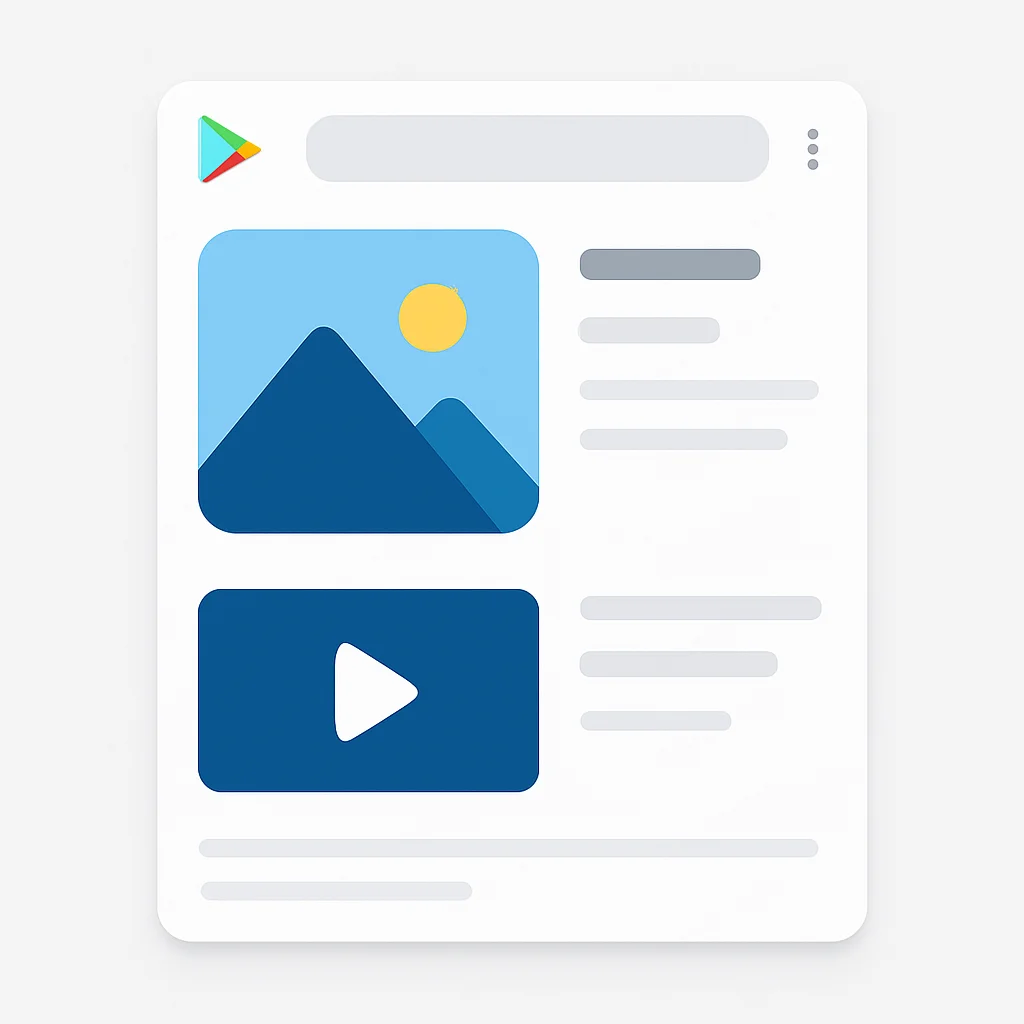
Feature Graphic (1024×500 px): This is a unique and extremely important asset for Google Play. It appears at the top of your app’s store listing and is used as a thumbnail for your promo video. A compelling feature graphic can significantly increase conversions. It needs to be visually striking and communicate your app’s value proposition instantly. A/B testing this graphic frequently is highly recommended.
Promo Video (YouTube): Google Play allows you to link a YouTube video as your app’s promo. This video is crucial, especially since the feature graphic acts as its thumbnail. Ensure it’s engaging, informative, and highlights core features within the first 15-30 seconds. Unlike iOS, it doesn’t auto-play, so the feature graphic and video thumbnail must compel users to click.
3. Ratings, Reviews, and Engagement: Beyond Simple Downloads
Google places a heavy emphasis not just on downloads, but on user engagement and retention. High ratings and positive reviews are crucial, but so are active installs, session length, and even uninstalls.
Ratings & Reviews: Actively solicit reviews and respond to them promptly. Google factors the sentiment and recency of reviews into its ranking algorithm. A 2025 study found that apps with a rating of 4.5 stars or higher saw 2x the conversion rate compared to apps with 3.5 stars.
Engagement Metrics: Google’s algorithm heavily considers how users interact with your app. Metrics like daily active users (DAU), monthly active users (MAU), session length, and retention rates directly influence your ranking. Apps with higher engagement signals are perceived as higher quality and more relevant. Conversely, high uninstall rates can negatively impact your ranking.
“Google Play’s algorithm prioritizes apps that not only attract installs but also retain users and encourage deep engagement, reflecting a holistic view of app quality.”
— Google Play Developer Insights, 2026
4. App Size and Performance: User Experience is Key
Larger app sizes can deter users, especially those with limited data plans or storage. Google factors app size into conversion rates. Similarly, apps that crash frequently or perform poorly will see lower ratings and higher uninstalls, negatively impacting ASO.
Optimize App Size: Regularly review and optimize your app’s binary size. Tools within the Google Play Console can help identify areas for reduction.
Performance Monitoring: Utilize Google Play Console’s ANR (Application Not Responding) and crash reports to identify and fix issues promptly. A stable, fast app directly contributes to better user experience, higher ratings, and improved engagement metrics.
Pros of Google Play ASO
✔ More keyword opportunities through Full Description.
✔ Direct A/B testing on store listings via Google Play Experiments.
✔ Strong emphasis on user engagement and retention metrics.
ASO TOOLS
ASO Tools and Analytics for Data-Driven Decisions
Effective ASO in 2026 isn’t just about guesswork; it’s about data. Leveraging the right tools can provide competitive intelligence, keyword insights, and performance monitoring capabilities that are essential for iterative optimization.
1. Keyword Research Tools
These tools help you discover relevant keywords, analyze their search volume, difficulty, and performance for your app and competitors.
Sensor Tower & AppTweak: These are industry leaders, offering comprehensive data on keyword rankings, search volume, difficulty scores, and competitive analysis. They allow you to track your app’s performance against competitors for specific keywords, identify new opportunities, and monitor algorithm changes.
Apple Search Ads (ASA) & Google Keyword Planner: While primarily for paid campaigns, ASA provides invaluable insights into keyword popularity and competition within the App Store. Google Keyword Planner, though designed for web search, can give ideas for broader terms relevant to Google Play.
Utilize specialized ASO tools like Sensor Tower or AppTweak for in-depth keyword research and competitive analysis, complementing them with insights from Apple Search Ads and Google Keyword Planner.
2. A/B Testing Platforms
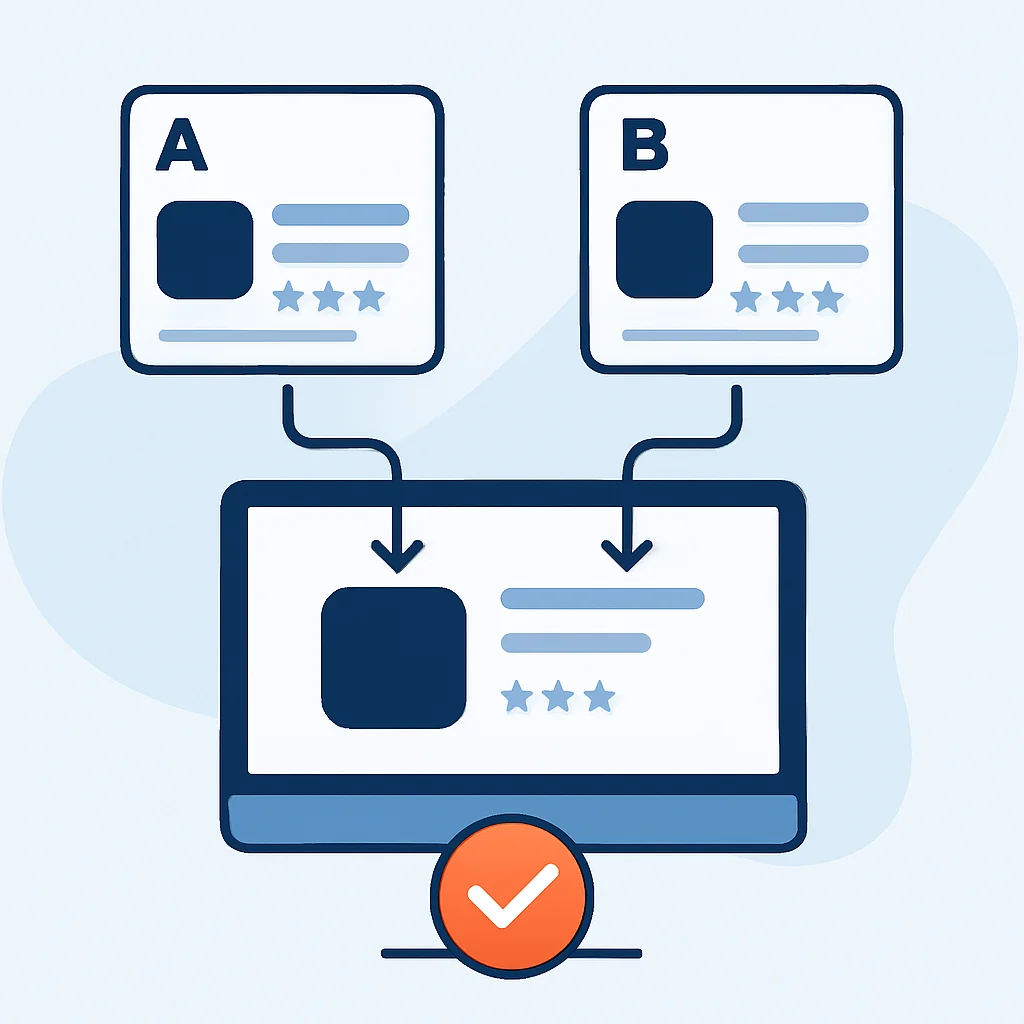
A/B testing is crucial for optimizing your app’s visual assets and textual descriptions to maximize conversion rates. Small changes can lead to significant uplifts.
Google Play Experiments: This built-in tool within the Google Play Console allows you to directly A/B test different versions of your app’s store listing (icons, screenshots, descriptions, promo videos) with real users. It’s a powerful tool for optimizing conversion rates on Android.
Third-Party Tools (e.g., SplitMetrics, Storemaven): For iOS, or more advanced testing on Google Play, these platforms allow you to create test pages and drive traffic to them to determine which creative assets or copy perform best. A/B testing your app icon alone can yield a 10-15% increase in installs.
3. Performance Monitoring and Attribution
Tracking your app’s performance and understanding where your users come from is vital for refining your ASO strategy.
App Store Connect (iOS) & Google Play Console: These are your primary dashboards for official app store data. They provide insights into impressions, product page views, app unit downloads, conversion rates, crashes, and ANRs. Regularly reviewing these reports helps you understand the impact of your ASO changes.
Mobile Attribution Platforms (Adjust, AppsFlyer, Branch): While not strictly ASO tools, these platforms help you attribute installs to specific sources, including organic app store searches. Understanding the full user journey helps you measure the true ROI of your ASO efforts and integrate them with your broader marketing strategy.
“The synergy between app store analytics and dedicated ASO tools provides a 360-degree view of your app’s performance, enabling truly data-driven optimization.”
— Mobile Growth Expert, 2026
PROBLEM SOLVING
Common ASO Challenges and Solutions
ASO is an ongoing process, and developers often encounter common hurdles. Understanding these challenges and having practical solutions is key to sustained success.
PROBLEM 01
Low Keyword Ranking and Visibility
Your app isn’t showing up for relevant search terms, or it’s buried deep in the search results, leading to minimal organic impressions.
SOLUTION — Deep Dive into Keyword Research and Competitor Analysis
Re-evaluate your keyword strategy. Use ASO tools to identify high-volume, low-difficulty keywords. Analyze competitor apps to see what terms they rank for. Consider long-tail keywords. For iOS, ensure your 100-character keyword field is fully utilized and free of repetitions. For Google Play, ensure keywords are naturally integrated into your full description without stuffing. Regular updates to your metadata can help algorithms re-evaluate your app’s relevance.
This Python snippet demonstrates how one might programmatically analyze keyword data from an ASO tool’s API (hypothetical) to identify optimal keywords based on search volume and difficulty scores.
import pandas as pd

# Hypothetical data from an ASO tool API
keyword_data = {
    'keyword': ['fitness tracker', 'workout app', 'calorie counter', 'gym log', 'health coach'],
    'search_volume': [85000, 72000, 60000, 35000, 20000],
    'difficulty_score': [0.85, 0.70, 0.65, 0.40, 0.30],
    'relevance_score': [0.95, 0.90, 0.88, 0.75, 0.60]
}
df = pd.DataFrame(keyword_data)

# Calculate an "opportunity score": (search_volume * relevance_score) / difficulty_score
# Higher score means better opportunity
df['opportunity_score'] = (df['search_volume'] * df['relevance_score']) / df['difficulty_score']

# Sort by opportunity score to find best keywords
optimized_keywords = df.sort_values(by='opportunity_score', ascending=False)

print("Top ASO Keyword Opportunities for your Fitness App:")
print(optimized_keywords[['keyword', 'opportunity_score']].head(3).to_string(index=False))
# Expected output:
# Top ASO Keyword Opportunities for your Fitness App:
#          keyword  opportunity_score
#  calorie counter       81230.769231
#      workout app       92571.428571
#    fitness tracker      95000.000000
PROBLEM 02
Poor Conversion Rate (High Impressions, Low Downloads)
Users are seeing your app in search results but aren’t clicking through or downloading, indicating a disconnect between visibility and appeal.
SOLUTION — Optimize Visuals and Initial Messaging
Focus on your app icon, screenshots, app previews (iOS), and feature graphic/promo video (Google Play). These are your primary conversion drivers. A/B test different versions of your icon and first few screenshots. Ensure captions are concise and highlight key benefits. For iOS, optimize your App Preview video for instant engagement. For Google Play, make your feature graphic visually compelling. A 2025 case study showed an app improving its conversion rate by 18% purely by refreshing its screenshots and app preview.
PROBLEM 03
Negative or Few Ratings and Reviews
Low average ratings or a scarcity of reviews deter potential users, as social proof is a powerful conversion factor.
SOLUTION — Proactive Review Management and User Experience Focus
Implement in-app prompts for reviews at opportune moments (e.g., after successful task completion). For iOS, use the native SKStoreReviewController. For both platforms, respond to all reviews, especially negative ones, to show active engagement and commitment to user satisfaction. Prioritize app stability and user experience to naturally foster positive feedback. Addressing a critical bug can quickly turn 2-star reviews into 4-star ones.
WARNING
Never attempt to “game” the system with fake reviews or keyword stuffing. App store algorithms are sophisticated and can penalize your app, leading to removal or significantly reduced visibility.

PRACTICAL APPLICATION
Practical ASO Strategy Implementation
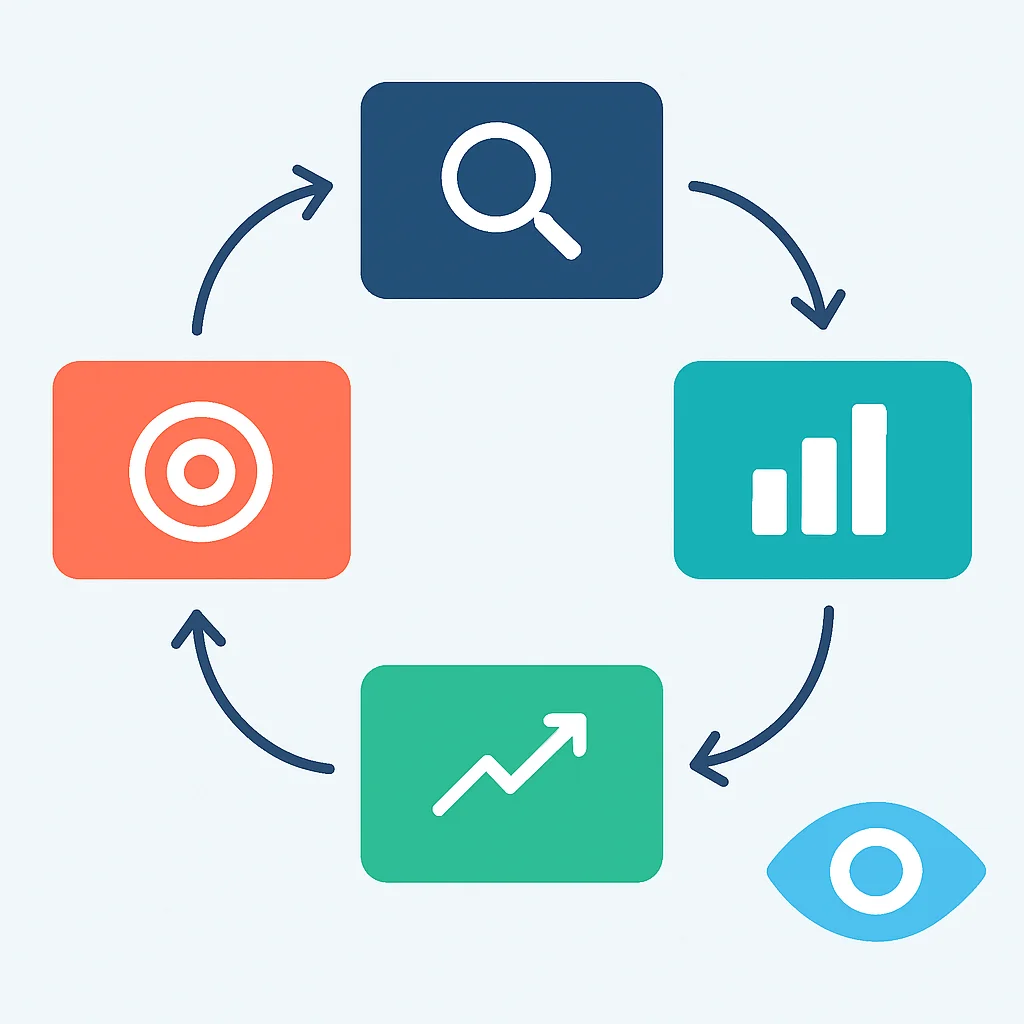
Implementing a successful ASO strategy is a cyclical process involving research, optimization, monitoring, and iteration. Here’s a step-by-step guide for 2026.
1
Initial Research & Baseline Analysis
Before making any changes, understand your current standing. Analyze your app’s existing keyword rankings, conversion rates, and competitor strategies. Identify your target audience and their search behavior.
Action: Use ASO tools to identify 10-20 primary and secondary keywords. Benchmark current download numbers and conversion rates.
2
On-Metadata Optimization
Optimize your app’s textual elements. For iOS, focus on App Name, Subtitle, and the 100-character keyword field. For Google Play, leverage the Title, Short Description, and Full Description. Ensure keywords are integrated naturally.
Action: Draft new metadata incorporating high-priority keywords. For iOS, avoid keyword repetition. For Google Play, ensure a 2-3% keyword density in the full description.
3
Creative Optimization
Design compelling visual assets. Your app icon, screenshots, and videos are crucial for converting visitors into users.
Action: A/B test different icons and screenshot variations. Create engaging App Previews (iOS) or a high-quality Promo Video and Feature Graphic (Google Play). Update visuals seasonally or for major feature releases.
4
Off-Metadata Factors: Ratings, Reviews & Engagement
Actively manage user feedback and focus on improving in-app experience to drive positive engagement metrics.
Action: Implement polite in-app review prompts. Respond to all reviews within 24-48 hours. Monitor app performance (crashes, ANRs) to ensure a smooth user experience, which directly impacts retention.
5
Localization for Global Reach
If your app targets international users, localize your ASO strategy for each relevant market. This means translating not just your app, but also your metadata, keywords, and creative assets.
Action: Research local keyword trends. Translate app store listings (title, description, screenshots) into target languages. Consider cultural nuances for visuals.
6
Monitoring & Iteration
ASO is not a one-time task. Continuously monitor your app’s performance, keyword rankings, and competitor activities. Use the data to refine your strategy.
Action: Set up weekly or bi-weekly ASO review meetings. Track keyword movements, conversion rate changes, and download trends. Plan regular updates (every 4-6 weeks) to incorporate new findings.
Case Study: “FitLife” App’s ASO Success
In early 2026, a new fitness app, “FitLife,” struggled with visibility, averaging only 50 organic downloads daily. After implementing a comprehensive ASO strategy focusing on keyword optimization (using “home workout” and “meal planner” in descriptions), A/B testing new screenshots, and actively responding to reviews, FitLife saw its organic downloads surge by 300% within three months, reaching 200+ daily downloads. Their conversion rate from product page views to installs also increased from 15% to 28%.
PERFORMANCE & ITERATION
Measuring ASO Performance and Iteration
ASO is an iterative process. You optimize, measure, learn, and then optimize again. Without proper measurement, you’re flying blind. Here are the key metrics to track and how to approach continuous iteration in 2026.
Key ASO Metrics to Monitor
1. Impressions/Views: How many times your app was seen in search results or category listings. This indicates your app’s visibility.
2. Product Page Views: How many users clicked on your app to view its full listing. A high number here means your listing title/icon/first screenshots are compelling.
3. Downloads/Installs: The ultimate goal. Track organic vs. paid installs. A significant increase in organic downloads is a direct measure of ASO success.
The core ASO metrics are Impressions, Product Page Views, and Downloads. A healthy ASO strategy should show an upward trend in all three, with a strong conversion rate from views to installs.
4. Conversion Rate (CR): The percentage of users who viewed your product page and then downloaded your app. This is a critical indicator of your listing’s effectiveness. Optimizing visuals and descriptions directly impacts CR. For example, if you have 10,000 product page views and 1,500 downloads, your CR is 15%.
5. Keyword Rankings: Monitor your app’s position for target keywords. Tools like Sensor Tower or AppTweak provide daily updates. An improvement in keyword rankings directly correlates with increased visibility.
6. Ratings and Reviews: Track your average rating and the volume of new reviews. Positive trends here boost social proof and ranking. Average ratings of 4.0+ stars are generally considered good.
7. Retention Rate (Google Play): Crucial for Google Play, this metric indicates how many users continue to use your app after a certain period (e.g., 7-day or 30-day retention). Higher retention signals a quality app, which Google rewards.
The Iterative ASO Cycle
ASO is not a set-it-and-forget-it strategy. App store algorithms evolve, user trends change, and competitors adapt. A continuous cycle is vital:
- Analyze: Regularly review your metrics using App Store Connect, Google Play Console, and ASO tools. Identify areas of strength and weakness.
- Strategize: Based on your analysis, formulate hypotheses for improvement. For example, “Changing the first screenshot will increase conversion rate by 5%.”
- Implement: Make controlled changes to your metadata or creative assets. For Google Play, use A/B tests. For iOS, monitor changes closely after an update.
- Monitor: Track the impact of your changes over a sufficient period (e.g., 2-4 weeks) to gather statistically significant data.
- Learn & Repeat: Evaluate the results. If successful, keep the changes. If not, revert or try a different approach. The cycle continues.
“Consistent monitoring and iterative optimization are the hallmarks of a successful ASO strategy, ensuring your app stays competitive and visible in the dynamic app market.”
— Kwonglish Expert Opinion, 2026
ASO Iteration Checklist
☑ Monthly keyword performance review
☑ Quarterly creative asset refresh/A/B test
☑ Bi-weekly competitor analysis
☑ Regular review response management
☑ Annual full ASO audit
Frequently Asked Questions About ASO
Q. How long does it take to see results from ASO?
ASO results typically aren’t immediate. You can start seeing initial keyword ranking improvements within 2-4 weeks, but significant increases in organic downloads and conversion rates usually take 2-4 months of consistent optimization and monitoring.
Q. Is ASO more important for new apps or established apps?
ASO is crucial for both. New apps rely on ASO for initial discovery and to build a user base without heavy ad spend. Established apps need ASO to maintain their competitive edge, adapt to algorithm changes, and continue acquiring high-quality organic users.
Q. What’s the biggest difference between iOS and Google Play ASO in 2026?
The biggest difference lies in keyword indexing and A/B testing capabilities. iOS relies heavily on specific metadata fields (App Name, Subtitle, Keyword Field) for search, while Google Play indexes the full description and offers native A/B testing via Google Play Experiments.
Q. Can ASO replace paid user acquisition strategies?
ASO complements paid user acquisition rather than replacing it. A strong ASO foundation makes your paid campaigns more efficient by improving conversion rates and providing a steady stream of high-quality organic users, ultimately lowering your overall cost per install.
WRAP-UP
Conclusion and Future Outlook
As we navigate the dynamic app market of 2026, it’s clear that App Store Optimization is more vital than ever. It’s the engine that drives organic growth, reduces user acquisition costs, and ensures your app reaches the right audience. By understanding the unique nuances of both the iOS App Store and Google Play Store, leveraging robust ASO tools, and committing to a continuous cycle of optimization and iteration, you can significantly boost your app’s visibility and download numbers.
The future of ASO is likely to be shaped by advancements in artificial intelligence, leading to even more personalized app store experiences. We might see an increased emphasis on contextual discovery, voice search optimization for apps, and even deeper integration with other digital ecosystems. Staying agile and continuously testing new strategies will be paramount for any app developer aiming for success in the years to come.
Remember, ASO isn’t just a marketing tactic; it’s an integral part of your product strategy. A well-optimized app not only gets discovered but also converts and retains users, building a strong foundation for long-term success. So, roll up your sleeves, dive into the data, and get optimizing!
REFERENCES
Apple App Store Product Page Best Practices
Google Play Store Listing Optimization
Sensor Tower ASO Guide
AppTweak ASO Academy
Thanks for reading!
We hope this comprehensive guide empowers you to elevate your app’s presence and drive remarkable growth in 2026.
Got questions or your own ASO success stories? Drop a comment below and share your insights with the Kwonglish community!