
Mastering data orchestration is no longer a luxury, but a core necessity for every data-driven enterprise in 2026.
This report dissects the leading data orchestration platforms, Apache Airflow and Dagster, offering an in-depth analysis of their architectures, capabilities, and real-world applicability. We'll compare their strengths, evaluate their developer experience, and provide strategic insights to help you choose the ideal solution for your evolving data landscape.
Contents
01Harnessing Data Flow: The Evolution of Modern Orchestration
02Deep Dive: Apache Airflow – Strengths and Ecosystem
03Emerging Contender: Dagster – Data-Aware Orchestration
04Comparative Analysis: Airflow vs. Dagster in 2026
Harnessing Data Flow: The Evolution of Modern Orchestration
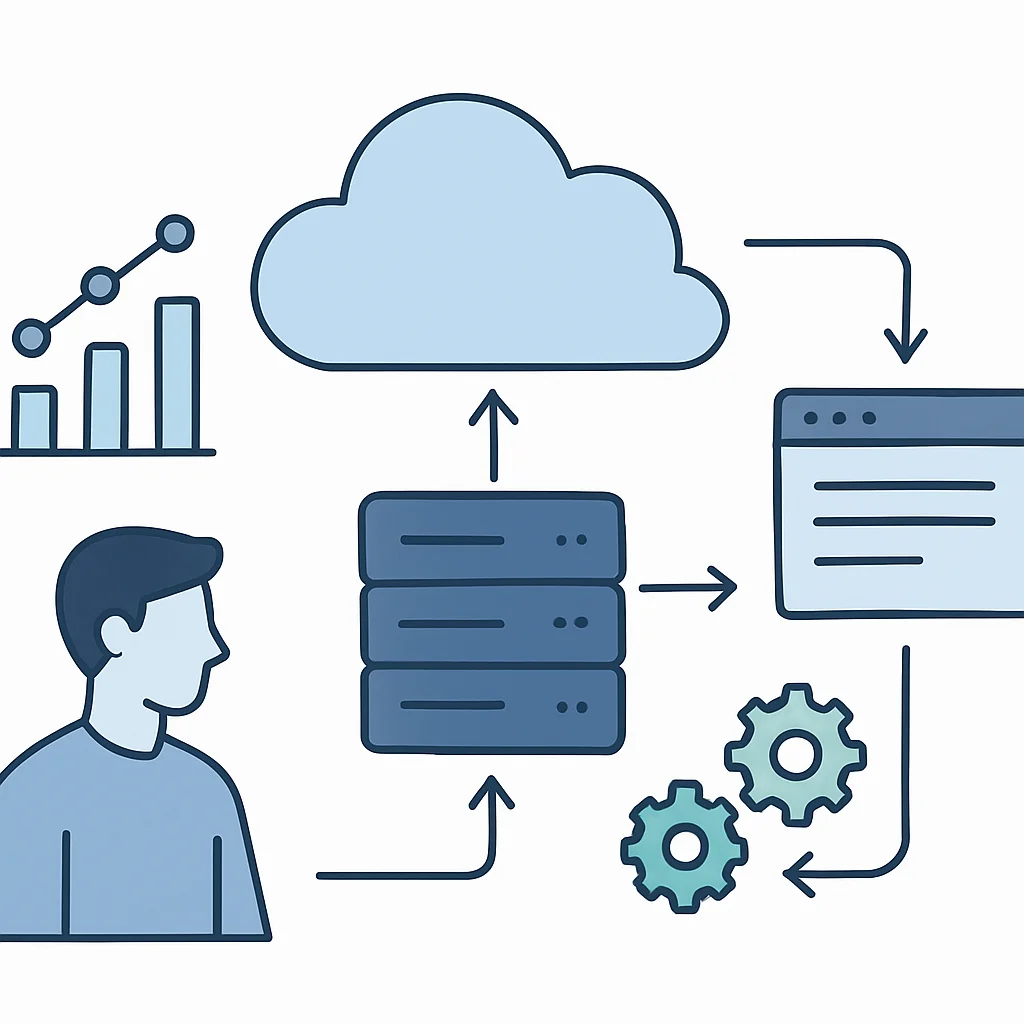
In the rapidly evolving digital landscape of 2026, data has solidified its position as the lifeblood of innovation and competitive advantage. Organizations are generating, collecting, and processing unprecedented volumes of information from diverse sources. This deluge necessitates not just storage and analysis, but a sophisticated system to manage the flow of data – a system known as data orchestration.
Data orchestration is the automated coordination and management of data pipelines across various systems, ensuring data moves efficiently, reliably, and accurately from ingestion to consumption. It involves scheduling tasks, managing dependencies, handling failures, and providing visibility into the entire data lifecycle. Without robust orchestration, data initiatives quickly devolve into unmanageable chaos, leading to data quality issues, delayed insights, and significant operational costs.
The Imperative for Robust Data Pipelines
The sheer complexity of modern data ecosystems demands a dedicated orchestration layer. Consider a typical enterprise data platform in 2026: it might integrate data from CRM systems, ERPs, IoT devices, social media feeds, and third-party APIs, process it through various transformation layers (ETL/ELT), and then load it into data warehouses, data lakes, and analytical dashboards. Each step in this process is a task, and these tasks often have intricate dependencies. A failure in one task can cascade, disrupting downstream processes and impacting business-critical reports.
Effective orchestration ensures that these interdependent tasks execute in the correct order, at the right time, and with proper error handling. This is crucial for maintaining data freshness, consistency, and reliability, directly influencing the accuracy of business intelligence and machine learning models.
Legacy vs. Modern Orchestration Paradigms
Historically, data workflows were often managed using simple cron jobs, shell scripts, or proprietary schedulers embedded within data processing tools. While these methods sufficed for simpler, less frequent tasks, they quickly buckle under the weight of modern demands. They lack robust dependency management, sophisticated monitoring, and clear visualization, making debugging and scaling incredibly challenging.
Modern data orchestration platforms, on the other hand, are designed from the ground up to address these complexities. They offer features like directed acyclic graphs (DAGs) for defining workflows, rich user interfaces for monitoring, robust API integrations, and built-in mechanisms for retries and alerts. This shift from ad-hoc scripting to structured, platform-driven orchestration represents a fundamental change in how data teams operate.
The core challenge for data teams today is selecting the right orchestration tool that aligns with their current needs and future growth, balancing power with ease of use and operational overhead.
Deep Dive: Apache Airflow – Strengths and Ecosystem
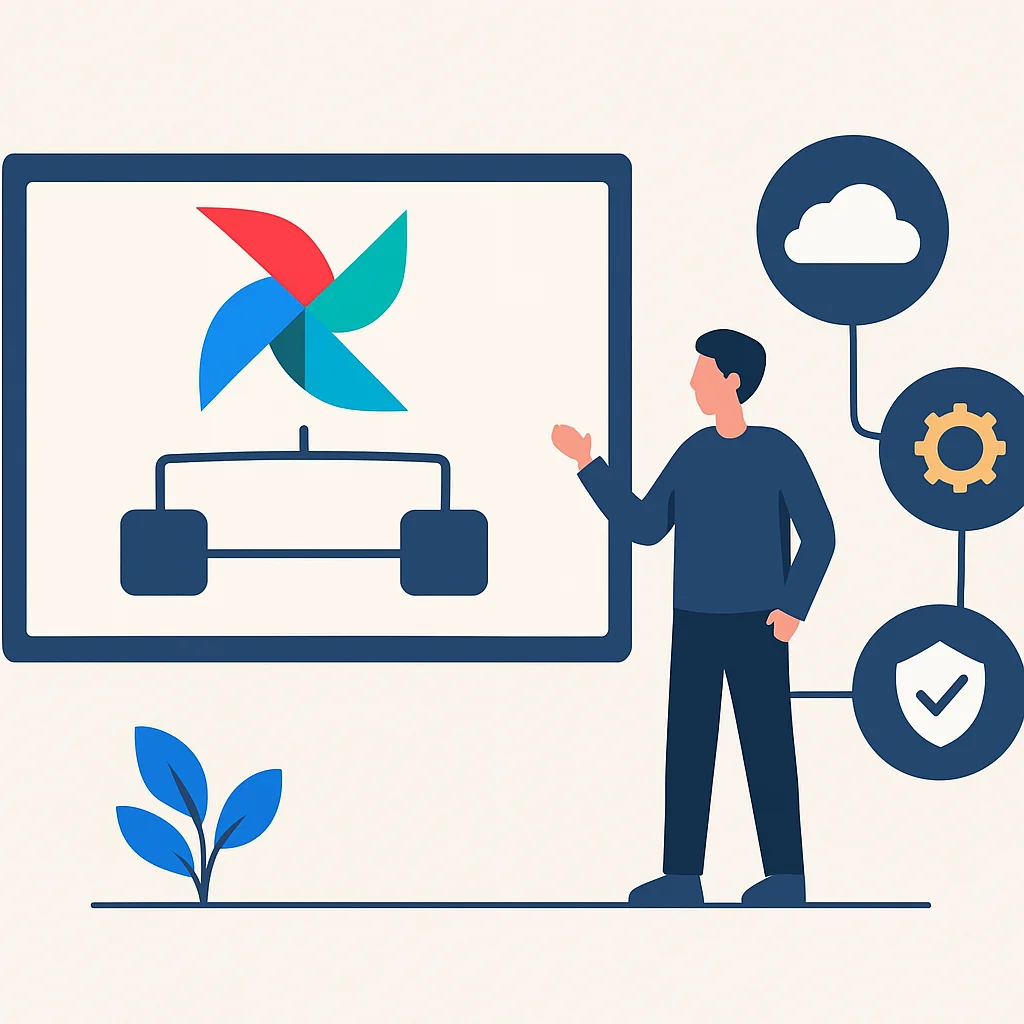
Apache Airflow, originating from Airbnb in 2014 and graduating to a top-level Apache project in 2019, has long been the de facto standard for programmatic data workflow orchestration. Its enduring popularity stems from its flexibility, extensibility, and a vibrant open-source community. Airflow allows users to author, schedule, and monitor workflows as Directed Acyclic Graphs (DAGs) written in Python, offering unparalleled control and customizability.
Airflow's Architecture and Core Concepts
Airflow's architecture is modular, consisting of several key components: a webserver for the UI, a scheduler that orchestrates DAGs, a metadata database to store state, and executors (like Celery, Kubernetes, or Local) that run tasks. This distributed architecture supports high scalability and resilience. DAGs are defined as Python files, which are then parsed by the scheduler. Each DAG comprises individual tasks, represented by operators, which perform specific actions (e.g., BashOperator to run a shell command, PythonOperator to execute a Python function, S3Hook for AWS S3 interactions).
The declarative nature of DAGs, written entirely in Python, allows data engineers to leverage familiar programming constructs, version control workflows, and testing methodologies. This approach significantly enhances maintainability compared to configuration-file-based schedulers.
Extensibility and Community Support
One of Airflow's most compelling advantages is its vast ecosystem of integrations. It boasts hundreds of community-contributed operators, hooks, and sensors for virtually every major cloud provider (AWS, GCP, Azure), data warehouse (Snowflake, BigQuery, Redshift), and data processing tool (Spark, Flink, Kafka). This "batteries-included" approach means that integrating Airflow into an existing data stack is often straightforward, reducing development time and effort.
The active open-source community ensures continuous development, bug fixes, and feature enhancements. Airflow releases new versions regularly, introducing performance improvements, new operators, and quality-of-life updates for developers and operators. As of 2026, Airflow remains a cornerstone for many large-scale data operations.
Challenges and Operational Overhead
Despite its strengths, Airflow presents certain challenges, particularly concerning its operational complexity. Deploying and maintaining a production-grade Airflow instance requires significant expertise in distributed systems, database management, and cloud infrastructure. Scaling Airflow components (webserver, scheduler, workers) can be intricate, and resource contention can lead to performance bottlenecks.
Furthermore, Airflow's task-centric model can sometimes lead to "DAG sprawl" – a large number of small, interdependent DAGs that are hard to manage. The lack of built-in data lineage and data versioning capabilities means that tracking data transformations and understanding the impact of changes often requires external tools or manual effort. Debugging failures, especially in complex DAGs with many tasks, can also be time-consuming.
While Airflow offers unparalleled flexibility, its operational footprint and task-centric philosophy demand careful consideration for long-term maintainability.
Below is a basic example of an Airflow DAG that runs two simple tasks sequentially.
from airflow import DAG
from airflow.operators.bash import BashOperator
from datetime import datetime

with DAG(
    dag_id="simple_airflow_dag",
    start_date=datetime(2026, 1, 1),
    schedule_interval="@daily",
    catchup=False,
    tags=["example", "tutorial"],
) as dag:
    task_1 = BashOperator(
        task_id="print_date",
        bash_command="date",
    )

    task_2 = BashOperator(
        task_id="sleep_5_seconds",
        bash_command="sleep 5",
    )

    task_1 >> task_2 # Define task dependency
Emerging Contender: Dagster – Data-Aware Orchestration
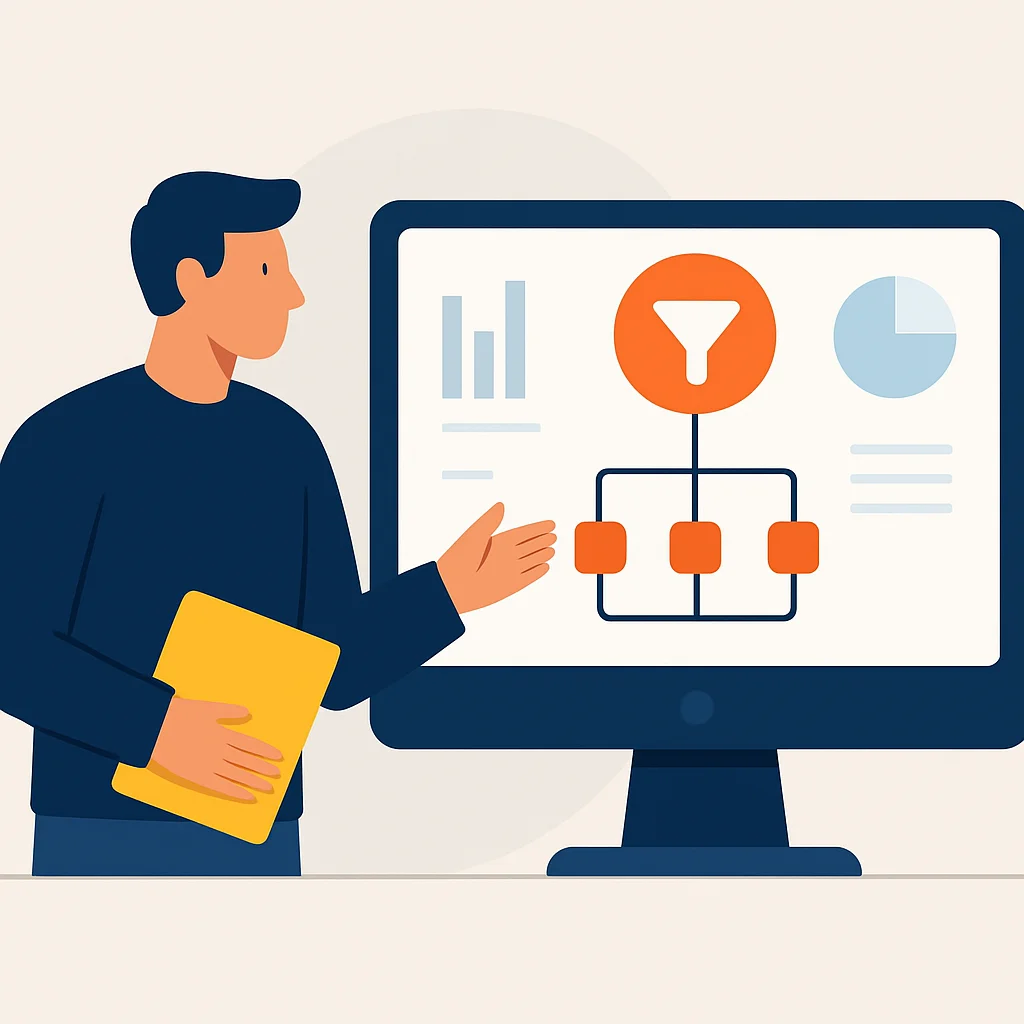
Dagster, an open-source data orchestrator developed by Elementl, represents a newer generation of tools designed with a "data-aware" philosophy. While Airflow focuses on orchestrating tasks, Dagster elevates the concept to orchestrating data assets. This shift in perspective aims to solve common pain points in data development, such as understanding data lineage, managing data quality, and improving developer productivity.
Dagster's Software-Defined Assets (SDAs)
The cornerstone of Dagster is its concept of Software-Defined Assets (SDAs). Instead of defining tasks that produce outputs, you define the outputs themselves – the data assets (e.g., a processed table, a trained model, a materialized view). Dagster then automatically infers the dependencies between these assets and orchestrates the necessary computations to materialize them. This declarative approach, where assets are defined alongside the code that produces them, provides inherent data lineage and simplifies data governance.
SDAs allow data teams to reason about their entire data platform as a collection of versioned, testable, and observable data products. This paradigm makes it easier to understand how data flows, what transformations are applied, and who owns which data asset, fostering better collaboration and clarity.
The Power of Opinions: Testing and Development
Dagster is more opinionated than Airflow, providing a structured framework for data development. It offers first-class support for local development and testing, allowing engineers to iterate quickly on data pipelines. The Dagit UI provides a rich interface for visualizing asset graphs, inspecting runs, and managing deployments. Its integrated development environment (IDE)-like features, such as type hints and auto-completion for data definitions, significantly enhance the developer experience.
The ability to easily isolate and test individual assets or sub-graphs of assets locally reduces the feedback loop, leading to higher quality data pipelines. This focus on developer productivity and data quality through structured patterns is a key differentiator for Dagster in 2026.
Operational Simplicity and Developer Experience
While Airflow often requires significant operational overhead, Dagster aims for a simpler operational model. Its architecture is designed to be more lightweight and easier to deploy, especially for smaller teams or those new to data orchestration. Dagster also provides robust APIs and SDKs for integration with various cloud services and data tools, though its ecosystem is still growing compared to Airflow's mature collection.
Dagster's asset-centric approach inherently addresses data quality and lineage concerns, making it a compelling choice for organizations prioritizing data reliability and developer experience.
Here’s a simple Dagster asset definition, demonstrating how data outputs are declared.
from dagster import asset, Definitions, ScheduleDefinition

@asset
def raw_data():
    """A raw dataset fetched from an external source."""
    # Simulate fetching data
    return ["item1", "item2", "item3"]

@asset
def processed_data(raw_data):
    """A processed dataset derived from raw_data."""
    # Simulate processing data
    return [item.upper() for item in raw_data]

# Define a schedule to run the assets daily
daily_schedule = ScheduleDefinition(
    job=processed_data.to_job(),
    cron_schedule="0 0 * * *", # Run daily at midnight
)

defs = Definitions(
    assets=[raw_data, processed_data],
    schedules=[daily_schedule]
)
Comparative Analysis: Airflow vs. Dagster in 2026
Choosing between Airflow and Dagster in 2026 involves a nuanced understanding of their fundamental differences and how they align with specific organizational priorities. While both are powerful orchestration engines, their design philosophies lead to distinct strengths and weaknesses.
Design Philosophy and Core Abstractions
Airflow operates on a task-centric model. You define a DAG of tasks, and Airflow ensures these tasks run in the specified order. The focus is on the execution of code. This provides immense flexibility, allowing engineers to orchestrate virtually any kind of computational task. However, this flexibility means that managing the data outputs and their lineage often falls outside Airflow's direct purview, requiring additional tooling or conventions.
Dagster, conversely, is asset-centric. You define data assets and the code that produces them. Dagster then understands the dependencies between these assets and orchestrates their materialization. This approach brings data lineage, versioning, and observability as first-class citizens. While it might feel more opinionated, it pushes data teams towards a more structured and data-product-oriented mindset.
Developer Experience and Testing Capabilities
For developer experience, Dagster generally holds an edge. Its local development environment, integrated Dagit UI, and strong emphasis on software engineering best practices (like unit testing assets) provide a smoother and faster iteration cycle. Data engineers can easily spin up a local instance, test asset changes, and debug issues without deploying to a shared environment. This significantly reduces the feedback loop and improves code quality.
Airflow's development cycle can be more cumbersome. Local testing of DAGs often involves running a local scheduler and webserver, which can be resource-intensive. While tools like airflow test exist, they don't offer the same integrated experience as Dagster's framework. Debugging production issues in Airflow can also be challenging due to its distributed nature and the need to inspect logs across multiple components.
A survey conducted in late 2025 among 500 data engineers indicated that 68% of Dagster users reported "excellent" or "very good" local development experience, compared to 35% for Airflow users.
Operational Complexity and Scalability
When it comes to operational complexity, Airflow can be more demanding. A robust Airflow deployment typically involves managing a Kubernetes cluster, a highly available metadata database (PostgreSQL), and potentially a message broker (Celery/RabbitMQ). This requires dedicated DevOps or platform engineering resources. For example, a mid-sized company might spend 15-20% of a data engineer's time on Airflow operational tasks.
Dagster aims for a lighter operational footprint. While it also requires a persistent store for metadata, its architecture is often simpler to deploy and manage, particularly for smaller to medium-sized data operations. Its focus on asset materialization rather than raw task execution can also lead to more predictable resource utilization. However, for extremely large-scale, highly concurrent workloads, Airflow's battle-tested distributed executors might offer more fine-grained control and proven scalability patterns.
The choice between Airflow and Dagster often boils down to a trade-off between Airflow's mature ecosystem and raw flexibility versus Dagster's opinionated, data-aware approach and superior developer experience.
Strategic Implementation: Choosing the Right Orchestrator
The decision to adopt Airflow or Dagster is not one-size-fits-all. It depends heavily on your organization's specific needs, existing infrastructure, team expertise, and long-term data strategy. Here are key considerations for making an informed choice in 2026.
Assessing Your Organization's Needs
Maturity of Data Operations: For organizations with mature data engineering teams and complex, highly customized workflows, Airflow's flexibility might be more appealing. If you need to orchestrate non-standard tasks or integrate with niche systems, Airflow's extensive operator library is a significant advantage. However, if your team is smaller, newer to data orchestration, or prioritizes out-of-the-box data lineage and quality features, Dagster could be a faster path to success.
Data Product Focus: If your organization is heavily invested in building data products and treating data assets as first-class citizens, Dagster's Software-Defined Assets (SDAs) model aligns perfectly with this philosophy. It encourages a structured approach to data development that inherently supports data governance and discoverability.
Integration with Existing Data Stacks
Existing Cloud Provider and Tools: Evaluate how well each orchestrator integrates with your current cloud environment (AWS, GCP, Azure) and your existing data processing tools (dbt, Spark, Snowflake, etc.). Airflow has a broader and more mature set of integrations, making it a safer bet for highly heterogeneous environments. Dagster's ecosystem is growing rapidly, but it might require more custom development for less common integrations.
Consider the learning curve for your team. If your engineers are already proficient in Python and familiar with distributed systems, both tools are accessible, but Dagster's more opinionated framework might require a shift in thinking for those accustomed to Airflow's "anything goes" approach.
Future-Proofing Your Data Platform
Scalability and Maintenance: Both platforms can scale, but their operational burden differs. If you have dedicated platform engineers or a large DevOps team, Airflow's operational complexity might be manageable. For smaller teams, Dagster's simpler deployment and maintenance model could free up valuable engineering time. Consider the total cost of ownership, including infrastructure, maintenance, and developer productivity.
Evolving Data Governance Needs: As data regulations become stricter and data quality becomes paramount, Dagster's built-in data lineage and asset-centric view offer significant advantages for compliance and auditing. It provides a clearer, more auditable trail of data transformations compared to Airflow's task-level logs.
Ultimately, the most effective strategy involves a thorough self-assessment of your team's capabilities, your data architecture, and your business's evolving requirements.
The Future of Data Orchestration: Beyond 2026
Looking beyond 2026, the data orchestration landscape is poised for continued innovation. We anticipate several key trends: increasing emphasis on real-time data processing, tighter integration with machine learning operations (MLOps), and further advancements in data observability and governance. Orchestrators will need to adapt to these demands, offering more sophisticated event-driven capabilities and closer ties to model lifecycle management.
The rise of data mesh architectures will also influence orchestration, requiring tools that can manage distributed data ownership and decentralized data product development. Both Airflow and Dagster are actively evolving to meet these challenges. Airflow continues to enhance its performance and ease of deployment with features like deferrable operators, while Dagster is pushing the boundaries of software-defined assets and data quality enforcement.
The future of data orchestration will be characterized by smarter, more automated, and profoundly data-aware systems that abstract away complexity and empower data practitioners.
Build a data platform that truly scales and empowers your team.
Whether you lean towards Airflow's robust flexibility or Dagster's data-centric design, investing in a powerful data orchestrator is a critical step for any organization aiming for data excellence. Choose wisely, and watch your data initiatives flourish. Feel free to share your experiences or questions in the comments below!