

Serverless architecture is reshaping how we build and deploy applications, offering unprecedented agility and cost savings.
In this report, we’ll dive deep into the world of serverless computing, analyzing its fundamental principles, comparing it against traditional server models, and exploring its practical implications for modern web development. We’ll uncover how this paradigm shift is influencing everything from development cycles to operational budgets.
Contents
01Introduction: The Evolution of Web Infrastructure
02Serverless Architecture: Core Concepts and Benefits
03Comparative Analysis: Serverless vs. Traditional Servers
04Real-World Application: Implementing a Serverless API with AWS Lambda
05Challenges and Considerations
06Conclusion: The Future is Event-Driven
Introduction: The Evolution of Web Infrastructure
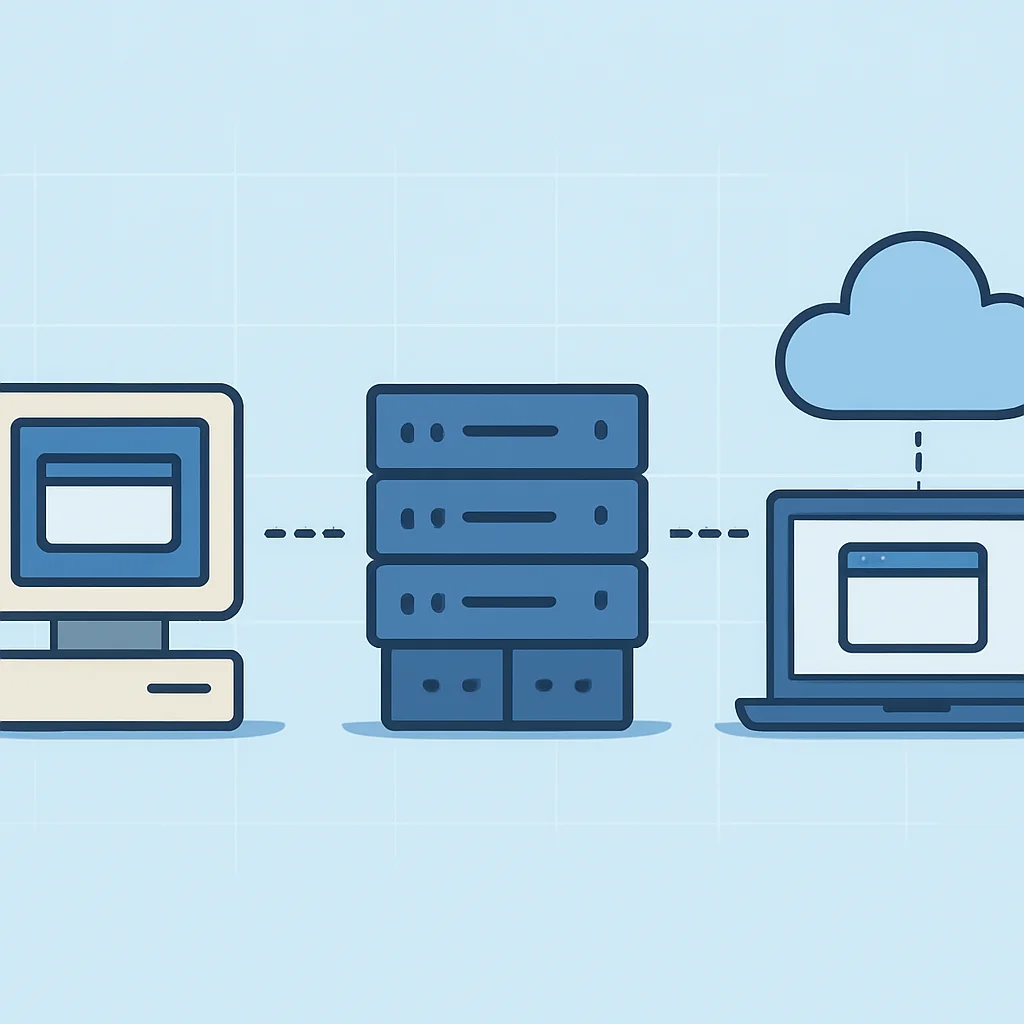
The landscape of web development has undergone continuous transformation, driven by the relentless pursuit of efficiency, scalability, and cost optimization. From monolithic applications running on dedicated hardware to virtualized servers and microservices, each evolution aimed to solve the pain points of its predecessor.
Historically, deploying a web application involved provisioning and maintaining physical or virtual servers. This “server-full” approach often led to significant operational overhead, including patching, scaling, and managing server health. Developers spent considerable time on infrastructure concerns rather than focusing on core business logic.
The shift towards cloud computing introduced new abstractions, but the fundamental responsibility of server management often remained, albeit in a virtualized form. Serverless computing represents the next logical step in this evolution, abstracting away almost all server management responsibilities from the developer.
This report will analyze how serverless architectures, predominantly utilizing Function-as-a-Service (FaaS) models, are fundamentally changing the development paradigm in 2026. We will assess its impact on various aspects of application lifecycle management.
Serverless Architecture: Core Concepts and Benefits
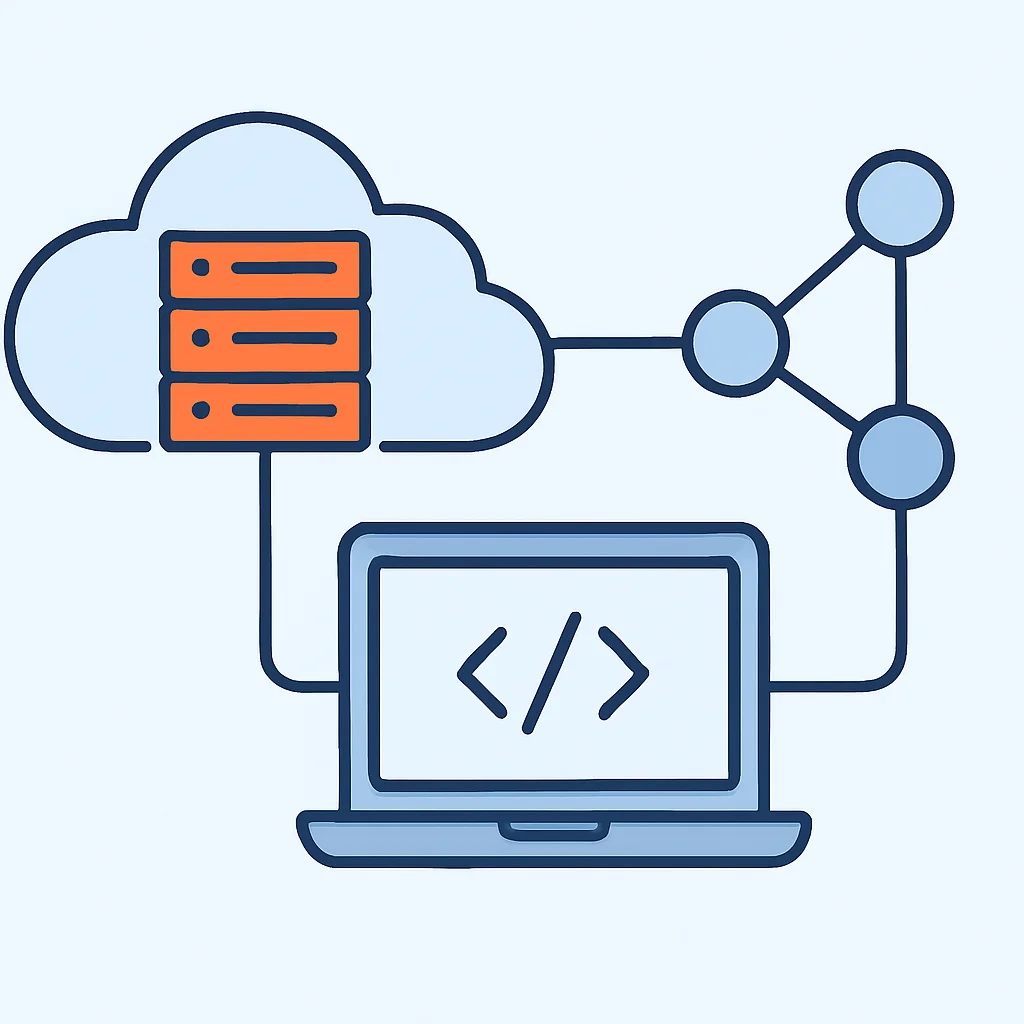
At its heart, serverless computing allows developers to build and run applications without having to manage servers. The cloud provider dynamically manages the allocation and provisioning of servers. This means developers can simply write and deploy code, and the cloud provider handles all the underlying infrastructure concerns.
KEY POINT
The term “serverless” is a misnomer; servers are still involved, but their management is entirely abstracted away from the developer. This shifts operational responsibility to the cloud provider, allowing developers to focus solely on application code.
Function-as-a-Service (FaaS)
The most common manifestation of serverless is FaaS, where developers deploy individual functions that execute in response to events. These events can range from HTTP requests, database changes, file uploads to object storage, or scheduled tasks. Popular FaaS platforms include AWS Lambda, Google Cloud Functions, Azure Functions, and Cloudflare Workers.
A typical FaaS function is stateless, meaning it doesn’t retain any data between invocations. This design promotes horizontal scalability and resilience, as any instance of the function can handle a request.
The core benefit of serverless is the complete abstraction of server management, allowing development teams to focus purely on application logic.
Key Benefits of Serverless
Beyond simply not managing servers, serverless architectures offer several compelling advantages:
1. Automatic Scaling: Serverless functions automatically scale from zero to thousands of concurrent executions based on demand. There’s no need for manual configuration of auto-scaling groups or load balancers. This ensures applications can handle sudden spikes in traffic without performance degradation.
2. Reduced Operational Costs: You only pay for the compute time your code actually runs, typically measured in milliseconds. When your function isn’t executing, you pay nothing. This contrasts sharply with traditional servers, where you pay for allocated resources even during idle periods. For many applications, this can lead to significant cost reductions, sometimes upwards of 70% compared to always-on servers.
3. Faster Time-to-Market: With infrastructure concerns largely eliminated, developers can accelerate their development cycles. They can deploy new features and iterate faster, bringing products to market more quickly. A study by IBM found that serverless adoption can reduce development time by as much as 30% for certain projects.
4. Enhanced Developer Experience: Developers are freed from the complexities of server provisioning, operating system updates, and runtime environment management. This allows them to concentrate on writing high-quality code and delivering business value.
These benefits collectively make serverless an attractive option for a wide range of applications, from event-driven APIs and data processing pipelines to chatbots and IoT backends.
Comparative Analysis: Serverless vs. Traditional Servers
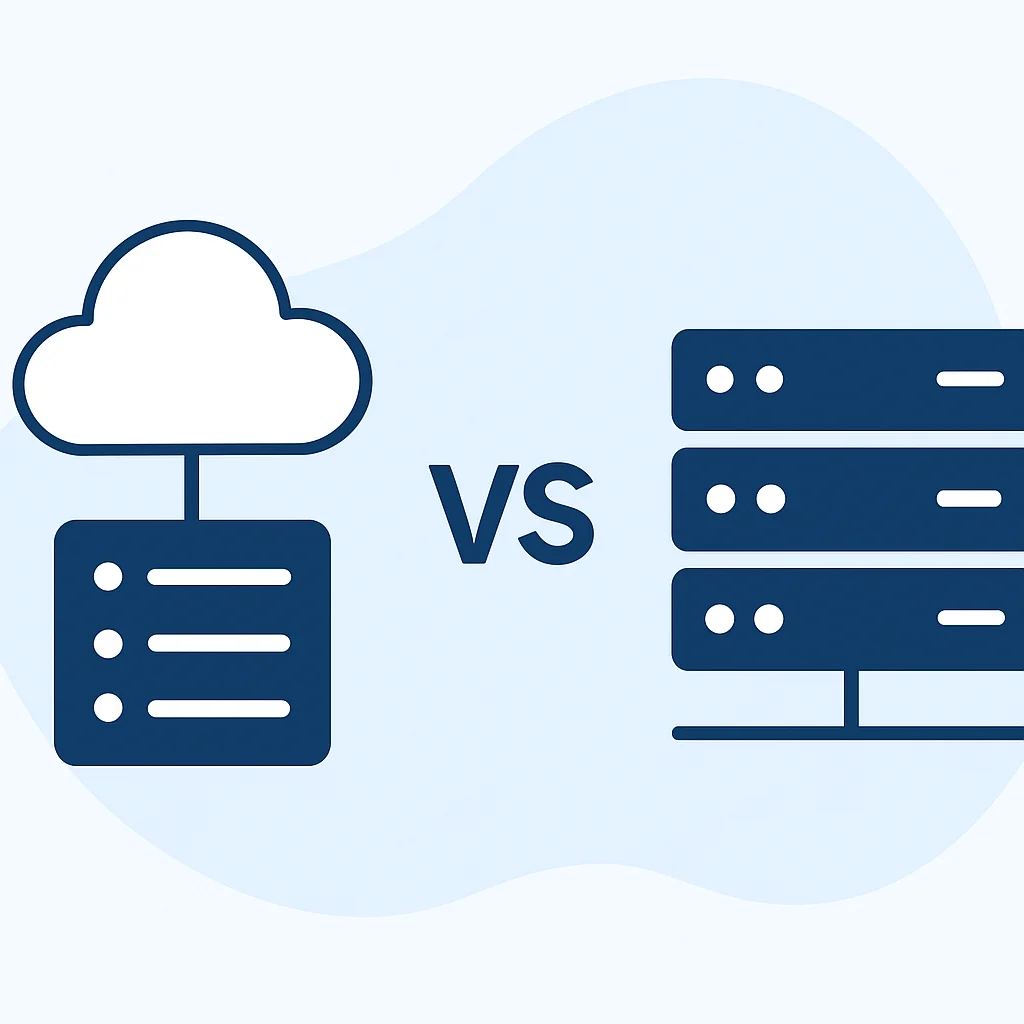
To truly appreciate the impact of serverless, a direct comparison with traditional server-based models (e.g., EC2 instances, virtual private servers) is essential. We will evaluate them across key dimensions: cost, scalability, and operational overhead.
Cost Efficiency
Traditional servers often involve fixed costs for reserved instances or hourly rates for on-demand instances, regardless of actual usage. This model can lead to significant waste during low-traffic periods.
Serverless, conversely, operates on a pay-per-execution model. For AWS Lambda, pricing is based on the number of requests and the duration of compute time, typically billed in 1 ms increments. Data transfer costs also apply. This granular billing means you only pay for what you consume.
For applications with highly variable traffic patterns, serverless can result in substantial cost savings, sometimes reducing infrastructure bills by 50-80% compared to over-provisioned traditional servers.
However, for applications with consistently high and predictable workloads, traditional servers might offer more predictable costs and potentially lower per-unit costs at extreme scales due to volume discounts or reserved instance pricing.
Scalability and Performance
Traditional server setups require careful planning for scalability, often involving setting up auto-scaling groups, configuring load balancers, and managing instance images. While effective, this adds complexity and requires ongoing maintenance.
Serverless functions scale automatically and almost instantaneously. When a surge in requests occurs, the cloud provider spins up new instances of the function transparently. This “elasticity” is a core strength, ensuring consistent performance under fluctuating loads.
The primary performance concern in serverless is “cold starts,” where the first invocation of an idle function takes longer as the runtime environment needs to be initialized. However, cloud providers are continuously optimizing this, and for many use cases, the impact is negligible.
Operational Overhead
Managing traditional servers involves a plethora of tasks: OS patching, security updates, runtime environment configuration, monitoring server health, and capacity planning. This requires dedicated operations teams or significant developer time.
With serverless, these operational responsibilities are almost entirely offloaded to the cloud provider. Developers can focus on writing code and defining event triggers. This drastically reduces the operational burden and allows smaller teams to manage larger, more complex systems.
The reduction in operational overhead is perhaps the most transformative aspect of serverless, allowing engineering teams to be more agile and responsive.
Real-World Application: Implementing a Serverless API with AWS Lambda
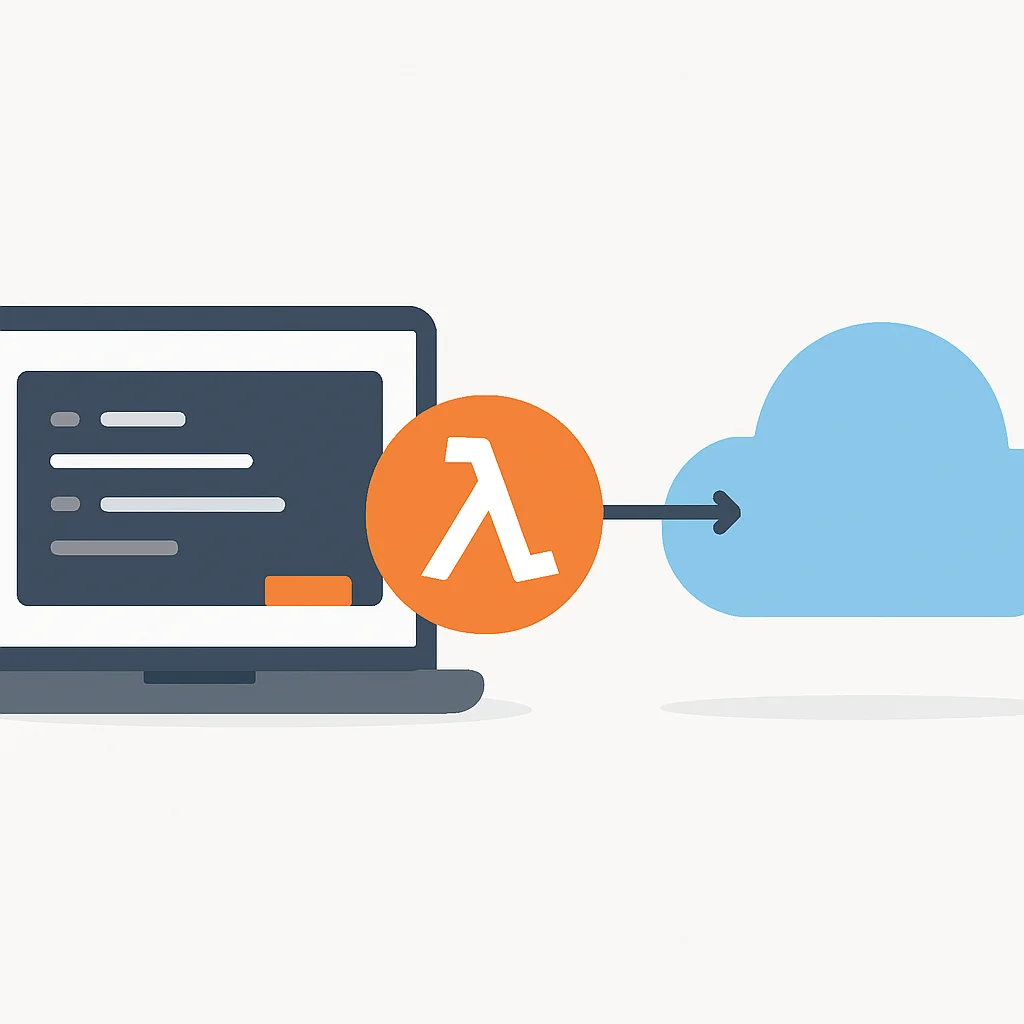
To illustrate the practical application of serverless, let’s consider building a simple RESTful API using AWS Lambda and API Gateway. This combination is a common pattern for serverless web services.
Scenario: A Simple Product Catalog API
We want to create an API that allows us to retrieve product information. We’ll use a single Lambda function triggered by API Gateway for a GET /products/{id} endpoint.
Step 1: Create an AWS Lambda Function (Python)
First, define your Lambda function. This Python code will simulate fetching product data based on an ID provided in the API Gateway event.
The function takes an event object as input, which contains details about the API Gateway request, including path parameters.
CODE EXPLANATION
This Python Lambda function handles a GET request for a product by ID. It extracts the product_id from the event’s path parameters. If found, it returns a mock product object; otherwise, it returns a 404 error. The json.dumps() ensures the body is a string.
import jsondef lambda_handler(event, context):
product_id = event.get('pathParameters', {}).get('id')
products_db = {
"101": {"id": "101", "name": "Laptop Pro", "price": 1200},
"102": {"id": "102", "name": "Wireless Mouse", "price": 25},
"103": {"id": "103", "name": "Mechanical Keyboard", "price": 75}
}
if product_id in products_db:
product = products_db[product_id]
return {
'statusCode': 200,
'headers': {
'Content-Type': 'application/json'
},
'body': json.dumps(product)
}
else:
return {
'statusCode': 404,
'headers': {
'Content-Type': 'application/json'