
The modern cloud environment demands a robust security strategy, but choosing the right framework can be daunting.
This report provides a detailed analysis of Cloud Security Posture Management (CSPM) and Cloud-Native Application Protection Platforms (CNAPP) in 2026, comparing their capabilities, benefits, and ideal use cases to help organizations make informed decisions for their cloud security posture.
Contents
01Introduction to Cloud Security Posture Management (CSPM)
02Deep Dive into Cloud-Native Application Protection Platforms (CNAPP)
05Future Outlook and Emerging Trends
Introduction to Cloud Security Posture Management (CSPM)
In the rapidly evolving landscape of cloud computing, maintaining a secure posture is paramount. Cloud Security Posture Management (CSPM) emerged as a critical tool to address the challenges of misconfigurations, compliance violations, and security risks inherent in dynamic cloud environments. Primarily, CSPM solutions focus on identifying and remediating security and compliance risks in infrastructure-as-a-service (IaaS) and platform-as-a-service (PaaS) deployments.
A typical CSPM platform continuously scans cloud environments—across AWS, Azure, Google Cloud, and others—to detect deviations from security best practices, regulatory standards like GDPR, HIPAA, PCI DSS, and custom organizational policies. These deviations often manifest as misconfigured storage buckets, overly permissive IAM roles, unencrypted databases, or publicly exposed network ports.
The core value of CSPM lies in its ability to provide continuous visibility and automated remediation suggestions for cloud infrastructure risks.
Key Capabilities of CSPM
Modern CSPM solutions offer a suite of capabilities designed to enhance cloud security. These include:
1. Continuous Compliance Monitoring: CSPM tools automate the process of checking cloud resources against predefined compliance benchmarks. For instance, a CSPM solution might verify that all S3 buckets are private and encrypted, aligning with PCI DSS requirements. In 2026, advanced CSPMs provide real-time dashboards showing compliance scores across various frameworks, often reaching 95%+ coverage for major standards.
2. Misconfiguration Detection: This is perhaps the most fundamental aspect. CSPM identifies common misconfigurations that can lead to data breaches. An analysis from a leading cloud security vendor in Q1 2026 showed that approximately 78% of cloud security incidents still originate from misconfigurations, highlighting CSPM’s enduring relevance.
3. Security Policy Enforcement: Organizations can define custom security policies, and CSPM ensures these policies are consistently applied across their entire cloud footprint. For example, a policy might dictate that no EC2 instance can have SSH access from the internet (0.0.0.0/0).
4. Risk Prioritization: Not all misconfigurations carry the same level of risk. Advanced CSPM platforms now incorporate context-aware risk scoring, helping security teams prioritize critical vulnerabilities based on potential impact and exploitability. This means a publicly exposed database holding sensitive customer data would be flagged with a higher severity than an unencrypted log bucket, even if both are misconfigurations.
Example of a CSPM Policy Check
Consider an organization using AWS S3. A common security policy is to ensure all S3 buckets are private and encrypted. Here’s a simplified representation of how a CSPM might evaluate this:
CODE EXPLANATION: AWS S3 Bucket Policy Check
{
  "Version": "2012-10-17",
  "Statement": [
    {
      "Sid": "RequireTLS",
      "Effect": "Deny",
      "Principal": "*",
      "Action": "s3:*",
      "Resource": [
        "arn:aws:s3:::my-sensitive-bucket",
        "arn:aws:s3:::my-sensitive-bucket/*"
      ],
      "Condition": {
        "Bool": {
          "aws:SecureTransport": "false"
        }
      }
    },
    {
      "Sid": "DenyPublicAccess",
      "Effect": "Deny",
      "Principal": "*",
      "Action": "s3:GetObject",
      "Resource": "arn:aws:s3:::my-sensitive-bucket/*",
      "Condition": {
        "Bool": {
          "aws:SecureTransport": "true"
        },
        "NotIpAddress": {
          "aws:SourceIp": "192.0.2.0/24"
        }
      }
    }
  ]
}
A CSPM would analyze this bucket policy and flag if the DenyPublicAccess statement is missing or too permissive, or if server-side encryption is not enabled by default. It provides an immediate alert if a bucket is found to be publicly accessible without proper authorization.
Deep Dive into Cloud-Native Application Protection Platforms (CNAPP)
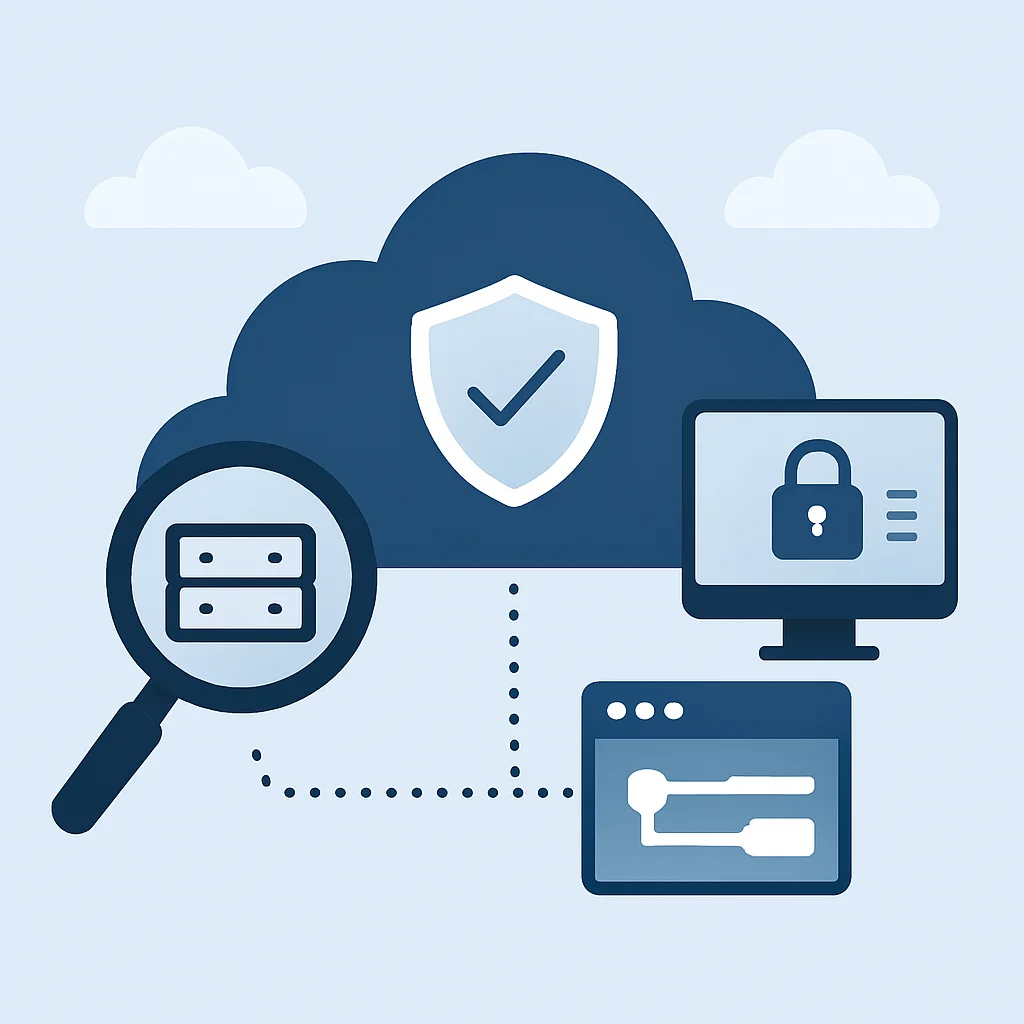
While CSPM provides excellent visibility into cloud infrastructure, the modern cloud-native application landscape demands a more comprehensive security approach. This is where Cloud-Native Application Protection Platforms (CNAPP) come into play. CNAPP represents a unified platform that consolidates various security capabilities across the entire application lifecycle, from development (shift-left) to runtime.
CNAPP integrates multiple security functions that were traditionally siloed, such as Cloud Security Posture Management (CSPM), Cloud Workload Protection Platform (CWPP), Cloud Infrastructure Entitlement Management (CIEM), and sometimes even API security and vulnerability management. The goal is to provide end-to-end security for applications built and deployed in cloud-native environments, like containers, serverless functions, and microservices.
CNAPP aims to offer a holistic security view from code to cloud, addressing risks throughout the entire application lifecycle.
Core Components of CNAPP
A robust CNAPP solution typically encompasses the following:
1. Cloud Workload Protection Platform (CWPP): This component secures workloads (VMs, containers, serverless) at runtime. It includes vulnerability scanning, threat detection, host-based intrusion prevention, and behavioral monitoring. For instance, CWPP can detect suspicious activity within a running Kubernetes pod or a serverless function invocation.
2. Cloud Infrastructure Entitlement Management (CIEM): CIEM focuses on managing and optimizing permissions and access rights for human and machine identities across cloud environments. It identifies excessive permissions, dormant accounts, and potential privilege escalation paths. Data from 2026 indicates that over 60% of cloud breaches involve compromised identities or excessive permissions, making CIEM a crucial part of CNAPP.
3. CSPM Integration: CNAPP platforms inherently include or integrate CSPM capabilities to manage the security posture of the underlying cloud infrastructure. This ensures that the foundational environment where cloud-native applications run is also secure and compliant.
4. Shift-Left Security (DevSecOps): CNAPP extends security into the development pipeline. This involves scanning code, container images, and infrastructure-as-code (IaC) templates for vulnerabilities and misconfigurations before deployment. This “shift-left” approach significantly reduces the cost and effort of fixing security issues later in the lifecycle.
Example of CNAPP’s Shift-Left Scan
Consider a developer pushing a Dockerfile to a repository. A CNAPP solution, integrated into the CI/CD pipeline, would automatically scan this Dockerfile for best practice violations and vulnerabilities in the base image. Here’s a simplified Dockerfile that might trigger a warning:
CODE EXPLANATION: Insecure Dockerfile detected by CNAPP
FROM ubuntu:latest
RUN apt-get update && apt-get install -y openssh-server
EXPOSE 22
CMD ["/usr/sbin/sshd", "-D"]
A CNAPP would flag this Dockerfile because ubuntu:latest is often too large and contains unnecessary packages, increasing the attack surface. More critically, exposing SSH directly is a common misconfiguration. The CNAPP would recommend using a minimal base image (e.g., Alpine), avoiding unnecessary installations, and not exposing SSH unless absolutely required and secured with specific access controls.
Comparative Analysis: CSPM vs. CNAPP
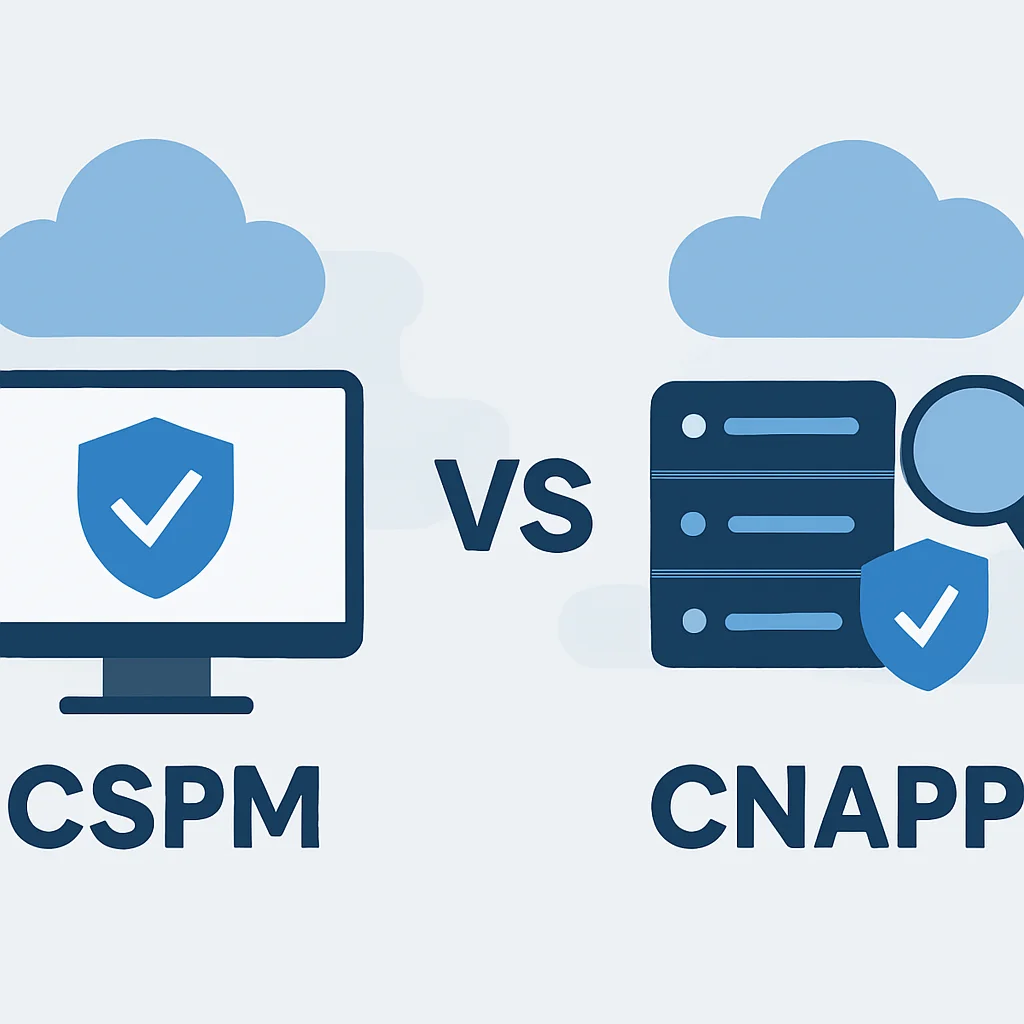
Understanding the distinct yet overlapping functionalities of CSPM and CNAPP is crucial for building a resilient cloud security strategy. While CSPM focuses on the security posture of the cloud infrastructure, CNAPP extends this scope to encompass the entire cloud-native application lifecycle, including development, deployment, and runtime protection.
Key Differences and Overlaps
Here’s a comparative overview:
Scope: CSPM primarily covers IaaS/PaaS infrastructure configurations. CNAPP, on the other hand, provides a broader scope, integrating CSPM with CWPP, CIEM, and ‘shift-left’ capabilities to cover code, container images, and runtime workloads. This means CNAPP offers a more unified security approach for organizations heavily invested in cloud-native development.
Maturity: CSPM is a more mature category, with well-established vendors and best practices. CNAPP is a newer, evolving category, driven by the increasing complexity of cloud-native applications. While CSPM solutions have been refined over years, CNAPP platforms are continuously integrating new capabilities and consolidating existing ones.
Target Audience: CSPM is often adopted by cloud operations, compliance, and security teams focused on infrastructure hygiene. CNAPP appeals to DevSecOps teams, developers, and security architects who need to embed security throughout the entire software development lifecycle (SDLC).
The crucial distinction is that CNAPP is an evolution of CSPM, designed to secure the entire cloud-native application stack rather than just the underlying infrastructure.
When to Choose Which
The choice between CSPM and CNAPP, or a combination, depends on an organization’s specific cloud maturity and development practices:
Adopt CSPM if:
– Your primary concern is securing cloud infrastructure and ensuring compliance with regulatory standards.
– You have a relatively static cloud environment or primarily use traditional VMs and basic PaaS services.
– Your organization is just beginning its cloud security journey and needs a solid foundation for posture management.
– Your budget or resources are limited, and you need to address the most prevalent risks first.
Consider CNAPP if:
– You are heavily invested in cloud-native development, using containers, serverless, and microservices extensively.
– You have adopted DevSecOps practices and want to embed security throughout the SDLC (shift-left).
– You need unified visibility and control across infrastructure, workloads, and identities.
– Your organization requires advanced threat protection for runtime environments and robust identity governance.
– You aim to consolidate multiple point solutions into a single, integrated platform to reduce complexity and vendor sprawl.
Implementation Strategies and Best Practices

Successfully implementing either CSPM or CNAPP requires a strategic approach. It’s not just about deploying a tool; it’s about integrating it into existing workflows and fostering a security-first culture.
Phased Adoption for CNAPP
For organizations transitioning to CNAPP, a phased approach is often most effective:
Phase 1: Foundation with CSPM. Start by solidifying your cloud infrastructure posture. Implement a robust CSPM solution to gain full visibility into misconfigurations and compliance gaps. This provides a clean slate for building cloud-native applications securely. Focus on automated remediation where possible.
Phase 2: Workload Protection and CIEM. Once infrastructure is stable, extend protection to workloads and identities. Integrate CWPP to secure containers and serverless functions at runtime, and deploy CIEM to manage and optimize permissions. This addresses the dynamic nature of cloud-native applications and the complexity of identity access.
Phase 3: Shift-Left Integration. Embed security into the development pipeline. Integrate CNAPP’s DevSecOps capabilities with your CI/CD tools to scan code, images, and